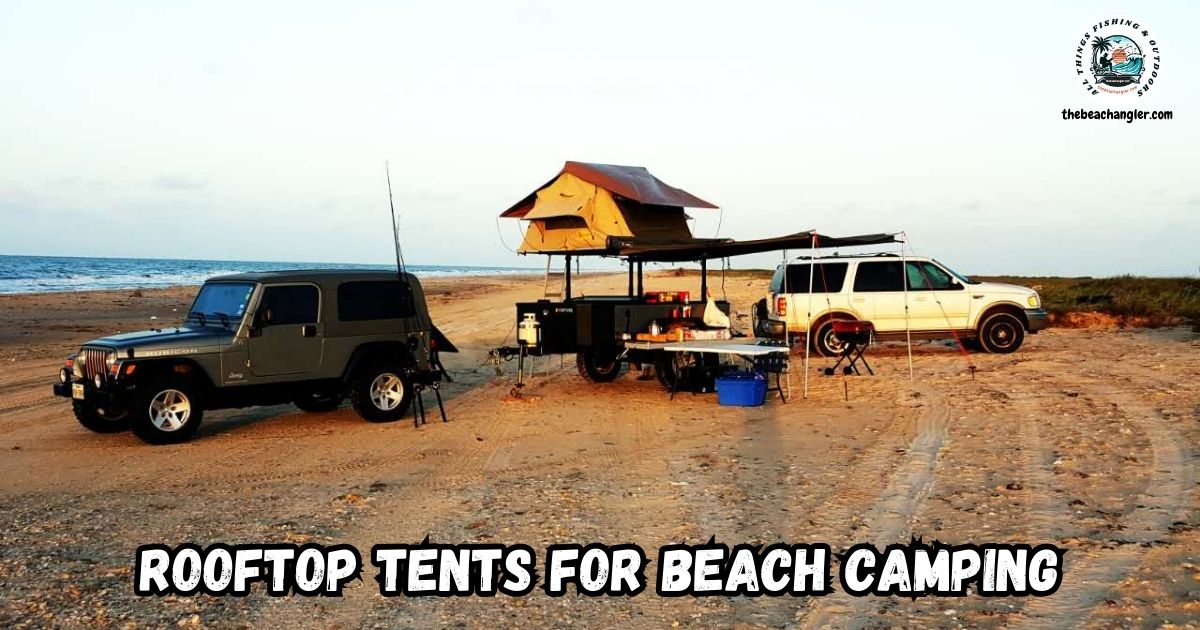
Rooftop tents have made beach camping easier and way more comfortable for people seeking fresh air and a unique place to sleep. From my personal experience, using a rooftop tent at the beach adds a real sense of adventure without making me sacrifice comfort. If you’re planning a trip like this, knowing the perks, what to look out for, and some setup tips can really take your experience up a notch.
QUICK LOOK: Tips for Beach Camping with Rooftop Tents
- Roof Rack: Picking a strong, compatible roof rack is important for both safety and comfort. The right setup makes installing the tent easier and helps reduce road noise when driving.
- Annex or Awning: Plenty of brands give you the option to put extra attachments like annexes or awnings with your rooftop tent. I love using these for a private changing room, as a shady spot to lounge, or as extra storage underneath the tent.
- Driving on Sand: If you’re allowed to drive right on the beach, it’s smart to bring a shovel, traction boards, and adjust tire pressure. Dropping the pressure to about 15-20 psi gives the tires more grip and makes it less likely you’ll get stuck in soft sand.
- Scout for Firm Sand: I always check the area first to avoid the softest spots. I’ll walk around, look for tire tracks where other vehicles have succeeded, and steer clear of any places with lots of seaweed since those are often damp.
- Face the Wind: Parking with my tent’s nose into the wind keeps things stable and quieter, especially on nights when the breeze picks up.
- Bring Shade and Extra Water: Having a beach canopy or extra awning helps me chill out in the midday sun. Extra water is a must for rinsing off and staying hydrated in salty sea air.
- Dry the Tent Before Packing: I always shake out the sand and let the tent dry completely in the sun before packing up. Putting it away wet is a recipe for mildew—something you definitely want to avoid.
Key Benefits of Rooftop Tents for Beach Camping
Camping on sand comes with its own challenges, but rooftop tents manage to handle many of them. I always appreciate having my sleeping spot high above gritty sand and away from curious critters. This keeps my bedding sand-free and helps me avoid any rude surprises from the tide, especially if I’m set up near the water.
Having an elevated view makes mornings and evenings by the shore unforgettable. I get to watch the sun come up over the ocean or settle in with stunning sunset views right from my tent. The windows on most rooftop tents help me take in the whole scene, whether it’s early morning light or a sky full of stars.
Quick setup matters after a long drive. Most rooftop tents can be opened and closed in minutes. This speed lets me relax and get a meal started faster. Since the tent is on top of the car, I keep the interior free for coolers, towels, and my other gear, which is always a win.
Comfort is huge on any camping adventure. I find that the built-in mattress included with most rooftop tents makes a world of difference. I get better sleep than with a regular tent, and my back thanks me every morning.
What to Watch Out for When Using a Rooftop Tent at the Beach
Even with all the advantages, I pay attention to certain factors when setting up my rooftop tent by the ocean. The wind can be unpredictable, especially close to the shoreline. Hard shell tents tend to hold up better in blustery conditions compared to soft shell ones. I always park my vehicle with the tent’s front facing into the wind for extra stability.
Salt and humidity from sea air can cause rust and even mold if I’m not staying sharp. To keep things in shape, I always dry my tent thoroughly before packing it and wash or rinse the tent hardware and my car’s mounting points after I get back home.
Parking position is super important. The last thing anyone wants is waking up to find that the tide moved in under their car or that they’re stuck in wet sand. I make it a habit to park well away from the high-tide line and stick to firm, level sand so both my car and tent stay secure.
Beach environments offer little shade, so the inside the tent can heat up quickly. Picking a tent with big windows, an extra-large rainfly, mesh panels, or built-in sun protection can help keep things cool and breezy. Airflow is key to keeping comfortable and preventing condensation.
Preparing Equipment and Picking the Right Vehicle
Before I head out, I always double-check that my car’s roof can handle the weight of the tent and everyone who’ll be sleeping up there. Most SUVs, trucks, and some rugged wagons can carry the load, but it’s best to check the owner’s manual and play it safe.
- Roof Rack: Picking a strong, compatible roof rack is important for both safety and comfort. The right setup makes installing the tent easier and helps reduce road noise when driving.
- Annex or Awning: Plenty of brands give you the option to put extra attachments like annexes or awnings with your rooftop tent. I love using these for a private changing room, as a shady spot to lounge, or as extra storage underneath the tent.
- Driving on Sand: If you’re allowed to drive right on the beach, it’s smart to bring a shovel, traction boards, and adjust tire pressure. Dropping the pressure to about 15-20 psi gives the tires more grip and makes it less likely you’ll get stuck in soft sand.
Recommended Rooftop Tents for Beach Use
Certain rooftop tents are specially built to handle beach conditions, durable enough to take a beating, or loaded with features that come in handy by the shore. Here are my top picks, separated into hard shell and soft shell categories:
Top Hard Shell Rooftop Tents for Beach Camping
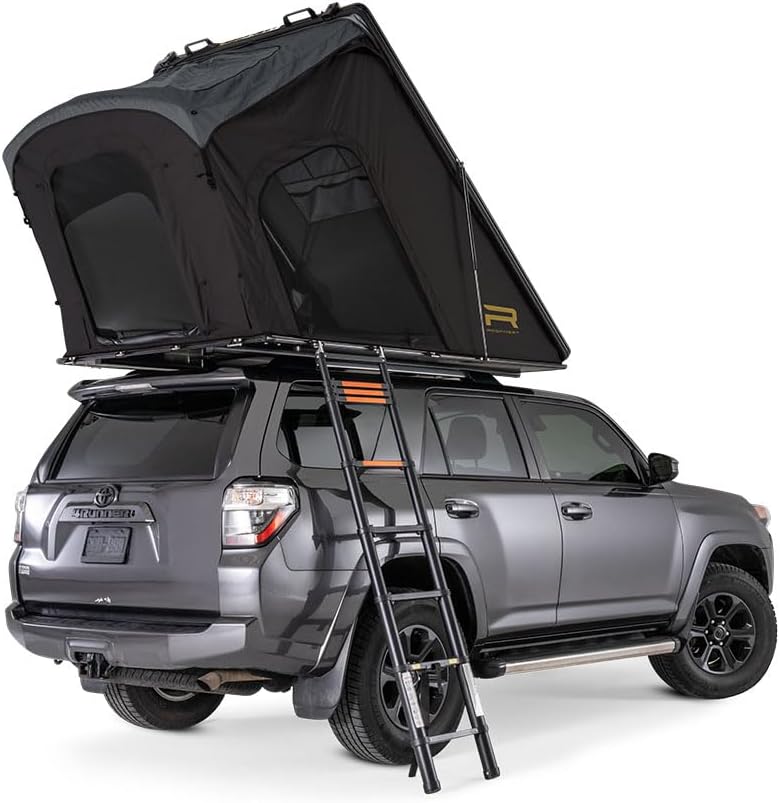
Roofnest Falcon 3 EVO Air:
This tent is sleek and doesn’t wobble much, even in a strong breeze. The shell is super sturdy, and there’s plenty of space for a couple or a solo camper. It takes a bit of practice to master the buckles, and some folks find the mounting system less straightforward than the latest models.
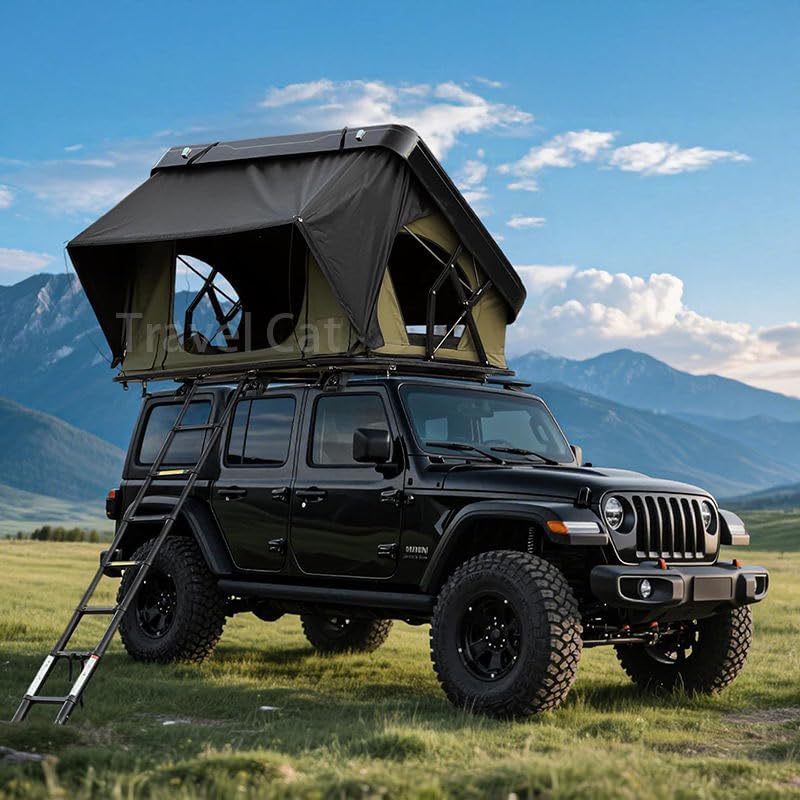
Travel Cat Rooftop Tent Hard Shell:
This one pops open fast—usually under a minute. The build feels really secure, and the locks give extra peace of mind. The king bed is cozy, though the space is tighter than on larger, foldout tents.
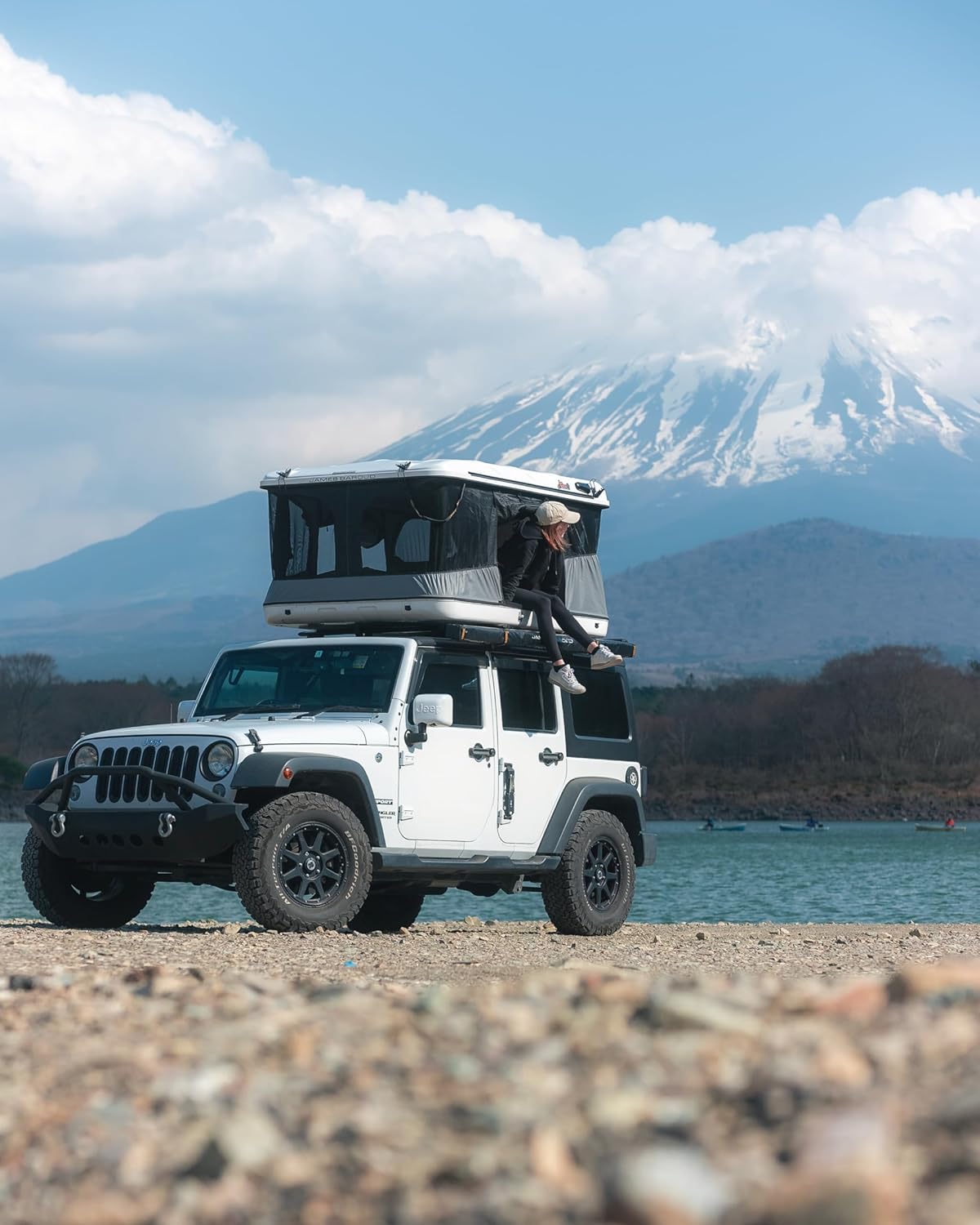
James Baroud Evasion:
While it’s not cheap, this tent uses waterproof materials and includes a solar-powered fan, perfect for humid weather. It’s a great pick for campers who want something that can take on all sorts of conditions, with solid wind and sun protection.
Top Soft Shell Rooftop Tents for Beach Camping
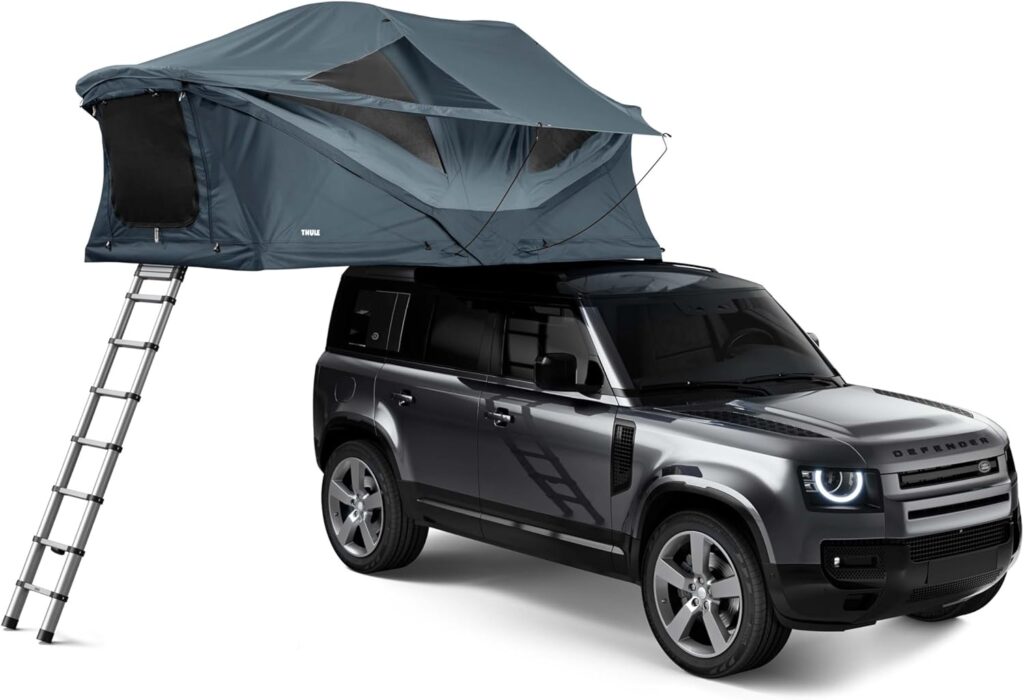
Thule Approach Medium:
Easy to set up, big windows for eye-catching views, and sturdy build make this my number one soft shell. The cover keeps the tent clean for traveling, but the rainfly might be fiddly if a rainstorm rolls in out of nowhere.
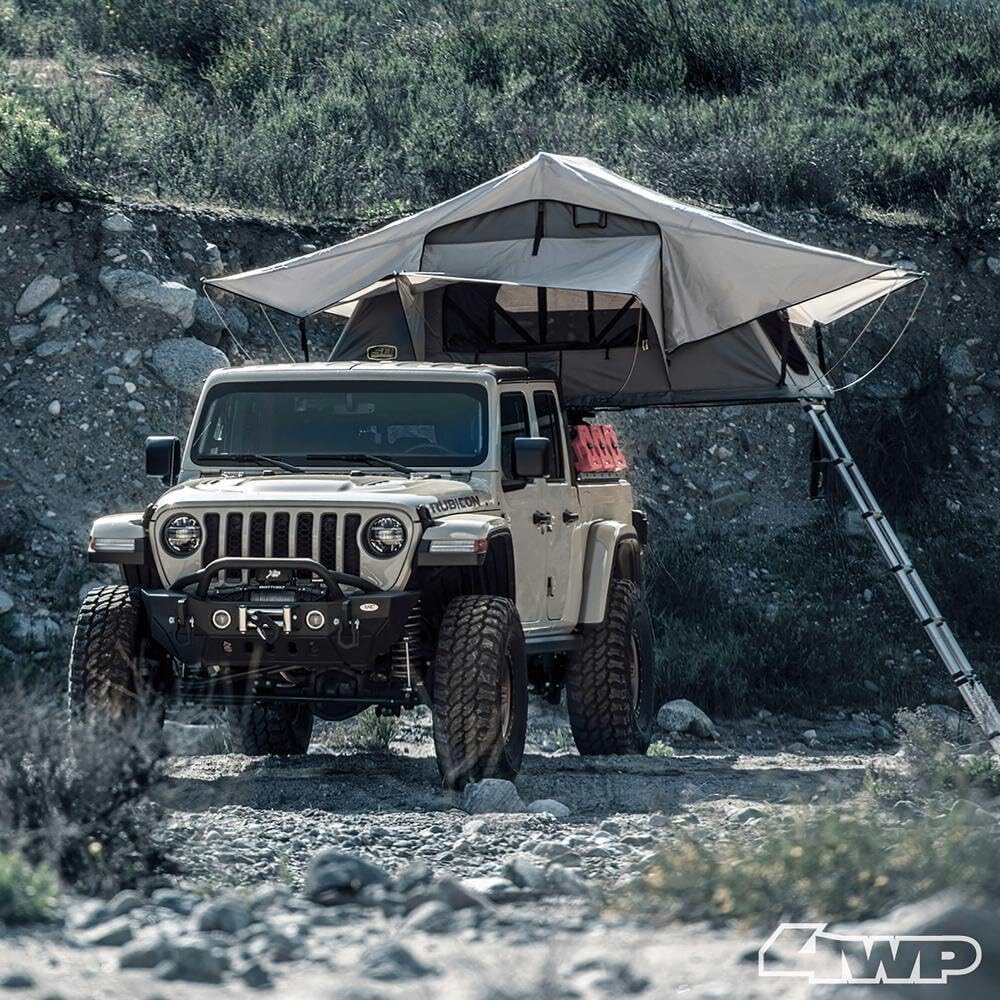
Smittybilt Gen2 Overlander:
Awesome for budget-minded campers. The built-in LED strip is handy, and the rainfly provides great coverage. It can take a little longer to install since it doesn’t use a tool-free setup.
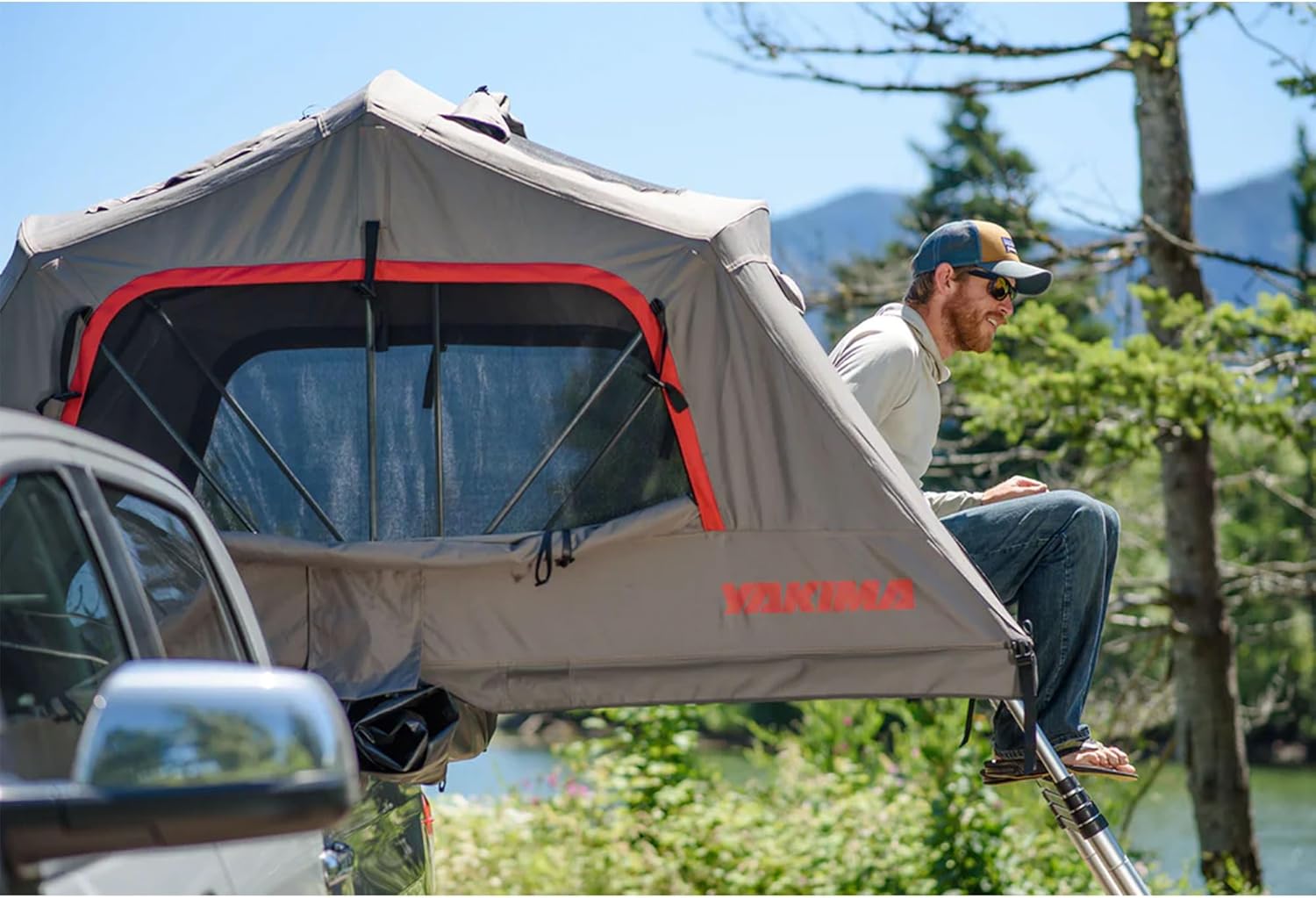
Yakima SkyRise Medium:
This one is lightweight and easy to attach, with no tools needed—great for late-night arrivals. Sometimes, there’s a small gap between the base and the rack, but it’s still quick to put up and take down.
Tips for Setting Up and Enjoying Your Beach Camp
- Scout for Firm Sand: I always check the area first to avoid the softest spots. I’ll walk around, look for tire tracks where other vehicles have succeeded, and steer clear of any places with lots of seaweed since those are often damp.
- Face the Wind: Parking with my tent’s nose into the wind keeps things stable and quieter, especially on nights when the breeze picks up.
- Bring Shade and Extra Water: Having a beach canopy or extra awning helps me chill out in the midday sun. Extra water is a must for rinsing off and staying hydrated in salty sea air.
- Dry the Tent Before Packing: I always shake out the sand and let the tent dry completely in the sun before packing up. Putting it away wet is a recipe for mildew—something you definitely want to avoid.
Common Questions About Rooftop Tents on the Beach
How do I keep my rooftop tent clean at the beach?
I give it a good brush-off before closing it, and sometimes I use a small vacuum. A large, soft-bristled brush works great for cleaning the vehicle and rack mounts. Back at home, I rinse and dry all hardware before stashing the tent away.
Is it safe to sleep in a rooftop tent during a storm?
Hard shell rooftop tents provide better protection during bad weather, but I always check the forecast first and avoid the most exposed areas in a serious storm. If possible, parking behind dunes or bluffs gives extra wind shelter.
What vehicle is best for beach rooftop camping?
Most SUVs, pickup trucks, and sturdy wagons can do the job. I pay attention to the roof load limits and use wide, all-terrain tires for sandy driving. A heavy-duty roof rack that matches both my tent and car makes life easier and keeps me safe.
Real-World Beach Camping with Rooftop Tents
Taking rooftop tents to the beach has totally changed my camping adventures. The height keeps sand and critters away, bringing much better sleep. When I’ve gone with friends, the speedy setup gives us more time for exploring, swimming, or just relaxing with amazing ocean views. For couples or families, the comfort and privacy are hard to top compared to regular tents. If you’re ready to step up your beach camping experience, giving a rooftop tent a try might surprise you with just how great it can be.
Check Out Our Most Recent Articles:
- Why Is Surf Fishing Popular?
- Why Do Anglers Use Different Types Of Fishing Lines For Saltwater Fishing?
- Why Are Tides Important In Surf Fishing?

- Understanding Fish Behavior To Improve Your Fishing
- How To Choose The Right Reel For Saltwater Fishing
- Emerging Trends In Saltwater Fly Fishing
As always, stay safe, enjoy the journey, and please try to leave it cleaner than you found it. If you have any comments, questions, ideas, or suggestions, please leave them in the comment section below, and I’ll get back to you ASAP. You can follow us on Facebook: Rex The Beach Angler, Instagram: thebeachangler7, Twitter: @AnglerBeach, and YouTube: Man Art Creations.
P.S. Thanks so much for checking out our blog; we really appreciate it. Just so you know, we may receive a commission if you click on some of the links that appear on our site. This helps us keep our content free and up-to-date for everyone. We appreciate your support!





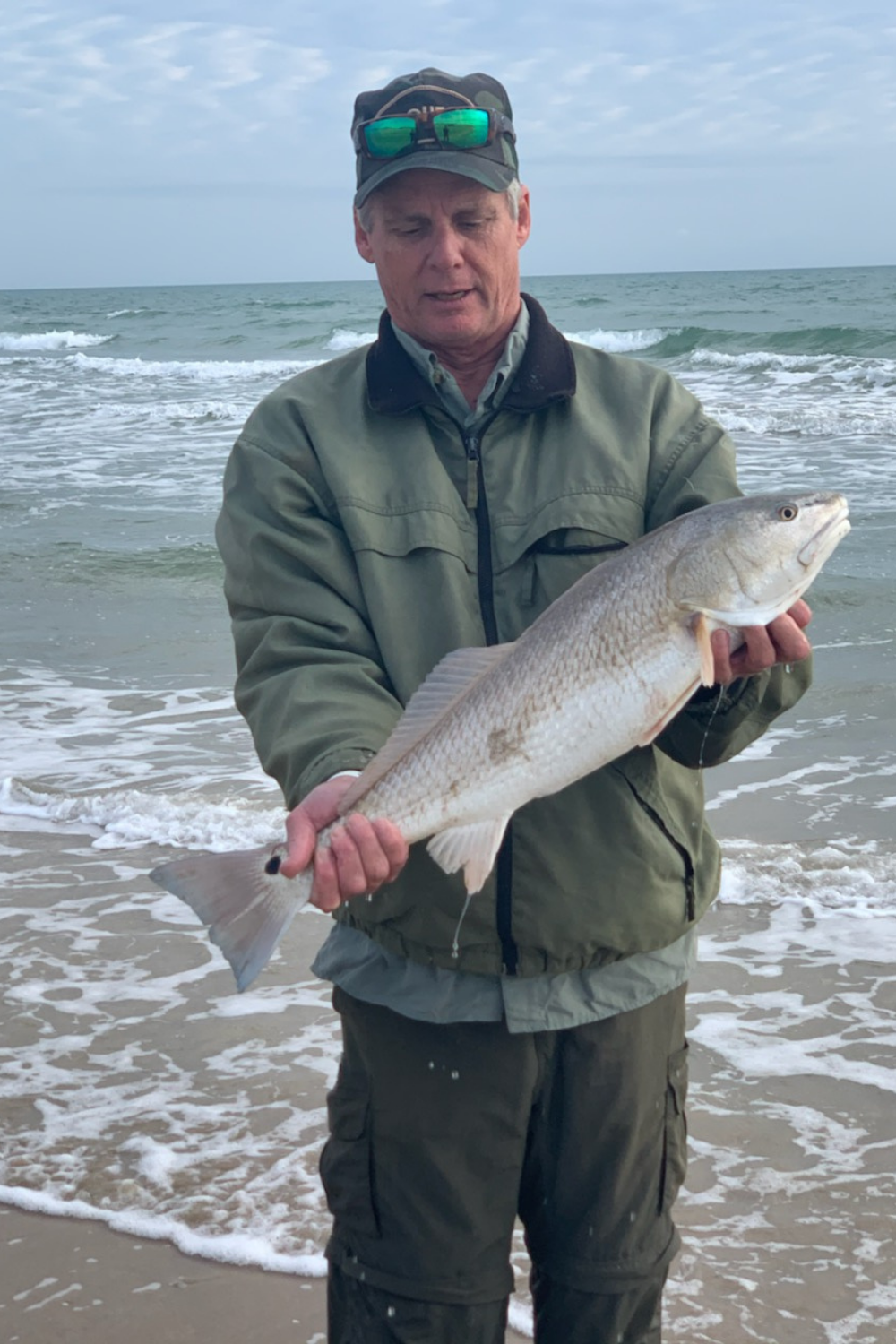
A life long surf fisherman with 50+ years of experience, I am also an avid hunter and outdoorsman. I will be sharing my passion for the outdoors with you so be prepared for hunting, fishing, camping, hiking and more. Along with gear reviews and the latest trends and innovations in the outdoor industry.