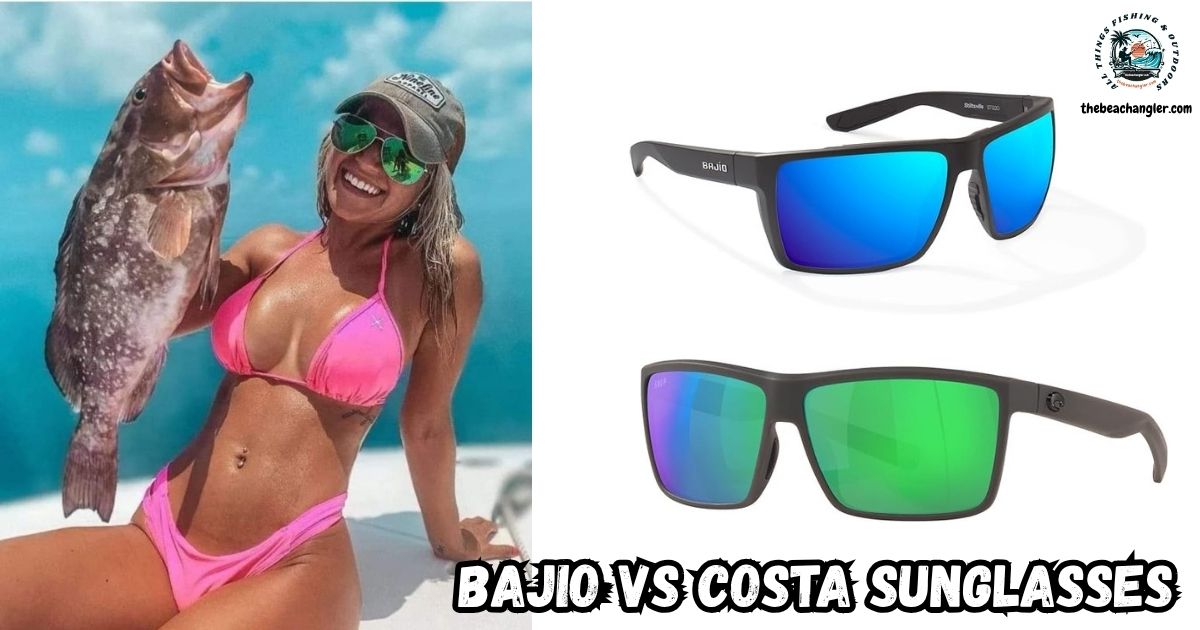
Polarized fishing sunglasses have become one of my favorite pieces of gear for time spent on the water. Having tested both Bajio and Costa sunglasses in a range of fishing and outdoor conditions, I know firsthand how much difference the right shades make.
QUICK LOOK: Bajio vs Costa Sunglasses Side-by-Side Comparison
- Visual Clarity: Bajio’s glass lenses deliver sharp images, and their blue light filtering does help on bright days. Costa’s 580 lenses make color contrast pop, so dark weed beds and cruising fish become more visible.
- Lens Durability: I’ve found Costa’s glass to resist scratches a little better over time, but Bajio’s polycarbonate stands up to accidental drops and rough handling; this is good news when I’m tossing sunglasses in my bag repeatedly.
- Frame Comfort: Bajio’s biobased frames are lighter, which helps prevent soreness behind my ears on long days. Costa’s frames tend to hug my face tightly, which I like when boating at high speed.
- Environmental Impact: Bajio wins points from me for using plant-based materials throughout their sunglasses. That matters more as more anglers look for eco-friendly gear.
- Style and Coverage: Both brands offer multiple frame styles, from snug, wraparound fits to more relaxed shapes. For windy offshore days, I grab a wrap style to block stray light and spray.
These two brands lead the way for anglers looking for glare-free vision, durability, and comfort. What follows is my breakdown of how Bajio and Costa stack up, with clear details for anyone trying to pick the right pair.
How Polarized Fishing Sunglasses Make a Difference
When fishing, glare from the sun bouncing off the water can make it tough to track fish, read depth, or enjoy long days on the boat. I use polarized sunglasses to cut that glare, so I can see into the water; this gives me an edge whether I’m sight fishing for redfish on a flat or trying to spot bass structure in a murky lake.
Bajio and Costa both offer polarized lenses that block the reflected light and let my eyes relax. Besides helping me see better, the reduction in eye strain means I stay more comfortable all day. These sunglasses aren’t just useful for fishing; I’ve worn them for hiking, driving, and just hanging out outside on sunny days. Even for outdoor chores or time at the beach, I find myself reaching for these same shades because they shield my eyes and boost my comfort.
Core Features: Bajio vs Costa Polarized Lenses
I’m always looking at lens quality and features when choosing fishing sunglasses. Here are the most important ones I’ve found from both brands:
- Polarization: This technology filters out horizontal light. Both Bajio and Costa lenses stay true to this, reducing glare from water, sand, roads, and car hoods.
- Lens Materials: Bajio uses proprietary LAPIS™ polycarbonate and glass options. Costa offers its famous 580 polycarbonate or glass lenses. Both types resist scratching and provide clear, sharp views.
- Blue Light Reduction: Bajio’s LAPIS™ tech adds protection against eye fatigue by filtering blue light; this is a feature I’ve noticed on long, sunny outings.
- Variety of Lens Colors: Both brands have lens colors for every fishing situation, from deep blue mirrors for offshore trips to rose and copper tints for low-light or inshore adventures.
- Durability and Comfort: I appreciate that Bajio’s frames use bio-based, lightweight materials for a more eco-friendly approach. Costa’s frames, made with heavy-duty plastics and stainless steel hinges, feel solid and secure.
- UV Protection: Both brands block 100% of harmful UVA and UVB rays, which is something I always check for daily use.
Where I Use Polarized Sunglasses Most
Since I spend hours on the water, polarized sunglasses have become part of my daily routine. Here are my favorite times and places to wear them:
- Inshore Fishing: Bays, tidal flats, and estuaries have tons of glare. With the right lens color, I can spot tailing fish and see underwater sand ridges easily.
- Offshore Fishing: Blue mirror or gray lenses manage sunlight and open ocean glare, helping me pick up movement below the waves.
- Fly Fishing: Subtle copper and amber tints brighten shadowy banks and make trout stand out in streams.
- Boating and Kayaking: Sunglasses protect from spray and cut glare, making navigation safer and spotting obstacles easier.
- Driving and Hiking: On the road and on trails, polarization reduces squinting and keeps my eyes from getting tired, even on long summer days.
These glasses have saved my eyes on especially bright days around water, but I’ve found they pull double duty on dusty roads and sun-bleached trails as well.
Comparing Bajio and Costa: Side-by-Side Performance
I’ve worn both brands for months at a time, sometimes even alternating pairs on the same trip. Here’s how Bajio and Costa usually line up for me:
- Visual Clarity: Bajio’s glass lenses deliver sharp images, and their blue light filtering does help on bright days. Costa’s 580 lenses make color contrast pop, so dark weed beds and cruising fish become more visible.
- Lens Durability: I’ve found Costa’s glass to resist scratches a little better over time, but Bajio’s polycarbonate stands up to accidental drops and rough handling; this is good news when I’m tossing sunglasses in my bag repeatedly.
- Frame Comfort: Bajio’s biobased frames are lighter, which helps prevent soreness behind my ears on long days. Costa’s frames tend to hug my face tightly, which I like when boating at high speed.
- Environmental Impact: Bajio wins points from me for using plant-based materials throughout their sunglasses. That matters more as more anglers look for eco-friendly gear.
- Style and Coverage: Both brands offer multiple frame styles, from snug, wraparound fits to more relaxed shapes. For windy offshore days, I grab a wrap style to block stray light and spray.
One thing to remember is that both companies have amazing warranty policies, so I never worry about trying something new. It pays to give a few styles a shot until you lock in the perfect fit.
Choosing the Right Lens Color and Frame for Fishing
Lens color makes a huge difference. Choosing the best one depends on when and where I’m fishing:
- Blue Mirror: Best for bright, open water and offshore trips. They keep my eyes comfortable from sunrise to late afternoon.
- Green Mirror: Good for inshore or flats fishing, where the sun reflects off pale sand or grass.
- Copper and Amber: I use these when sight fishing in cloudy weather or near dawn and dusk. They boost contrast so fish shapes pop.
- Gray: A simple tint for daily use and driving, flattening glare without adding extra color.
Frame fit also matters. They need to cover my field of vision without feeling too tight, and having rubber nose pads or grips keeps them from sliding when I start to sweat. Some friends prefer extra-wide coverage, while I stick to just enough wrap so light doesn’t come in from the sides. Trying on different shapes and fit styles in person helps make sure you get what works best for your face and fishing routine.
Tips for Getting the Most Out of Your Sunglasses
I keep a few tricks in mind to extend the life and use of every pair I own:
- Always rinse lenses after saltwater use; salt can leave stubborn streaks.
- Store sunglasses in a hard case to prevent scratching when not in use.
- If lenses fog up, clean them with proper lens cleaner and a microfiber cloth.
- Replace worn nose pads for a better fit and more comfort.
- Keep them on a floating strap if you’re on the water, so you don’t lose a pricey pair if they slip off unexpectedly.
It’s also worth trying sunglasses on in person if possible. Everyone’s face is different, and a comfortable fit is super important for all-day wear. I always recommend checking reviews, watching for frame coverage, and even asking shop staff for advice before buying.
Real-World Applications Beyond Fishing
Besides fishing, I find myself grabbing polarized sunglasses for other active or outdoor activities:
- Driving: Glare from nearby cars and wet roads is minimized, making long summer road trips less tiring and safer.
- Hiking and Trail Running: Light reflecting off rocks, water, or pavement can be a distraction, but good sunglasses keep my eyes focused ahead.
- Beach and Water Sports: When paddle boarding or surfing, I get a clearer view of both the water and potential obstacles. Some models also help block the wind and sea spray, which is a plus on brisk days.
- Cycling and Outdoor Events: Polarized lenses help with glare during outdoor sports and even make stadium days easier on sunny afternoons.
Frequently Asked Questions
Do polarized lenses make it easier to see fish?
Yes, from my own experience, polarized lenses remove surface glare and help you see fish, weed beds, and submerged objects that are otherwise hidden by sunlight on the water.
Are Bajio sunglasses better for the environment?
Bajio uses biobased frame materials and is known for supporting ocean conservation, which helps limit the environmental footprint of your gear.
Which lasts longer: Bajio or Costa lenses?
Costa’s glass lenses tend to resist scratching the longest, but Bajio’s polycarbonate lenses are tough and lighter if you’re hard on your gear.
What is the best lens color for cloudy days?
Amber or copper tints sharpen contrast in low light, making them my choice for fishing early, late, or in overcast conditions.
Final Thoughts on Bajio vs Costa for Anglers
Both Bajio and Costa polarized fishing sunglasses give anglers real advantages on the water. The right pair depends on what matters most to you; Bajio’s focus on eco-friendly materials and blue light reduction stands out for all-day comfort, while Costa’s lens clarity and rugged durability consistently meet the highest demands. Each brand offers several frame and lens options, so trying a few out or checking reviews from other anglers can help you find your ideal fit.
No doubt investing in quality sunglasses improves your fishing experience and your everyday comfort outside. I always keep a trusted pair handy before heading out to the lake, ocean, or hiking trail, and having choices between Bajio and Costa means I can always find something that matches my needs and style.
Check Out Our Most Recent Gear Review Articles:
- The Daiwa Saltist Back Bay Spinning Reel
- Shimano TR Triton Reel Review
- Shimano TLD Reels Review
- Daiwa Emblem Pro Surf Rod Review
- Shimano Tiagra Reel Review
- The Daiwa Exist Spinning Reel
As always, stay safe, enjoy the journey, and please try to leave it cleaner than you found it. If you have any comments, questions, ideas, or suggestions, please leave them in the comment section below, and I’ll get back to you ASAP. You can follow us on Facebook: Rex The Beach Angler, Instagram: thebeachangler7, Twitter: @AnglerBeach, and YouTube: Man Art Creations.
P.S. Thanks so much for checking out our blog; we really appreciate it. Just so you know, we may receive a commission if you click on some of the links that appear on our site. This helps us keep our content free and up-to-date for everyone. We appreciate your support!





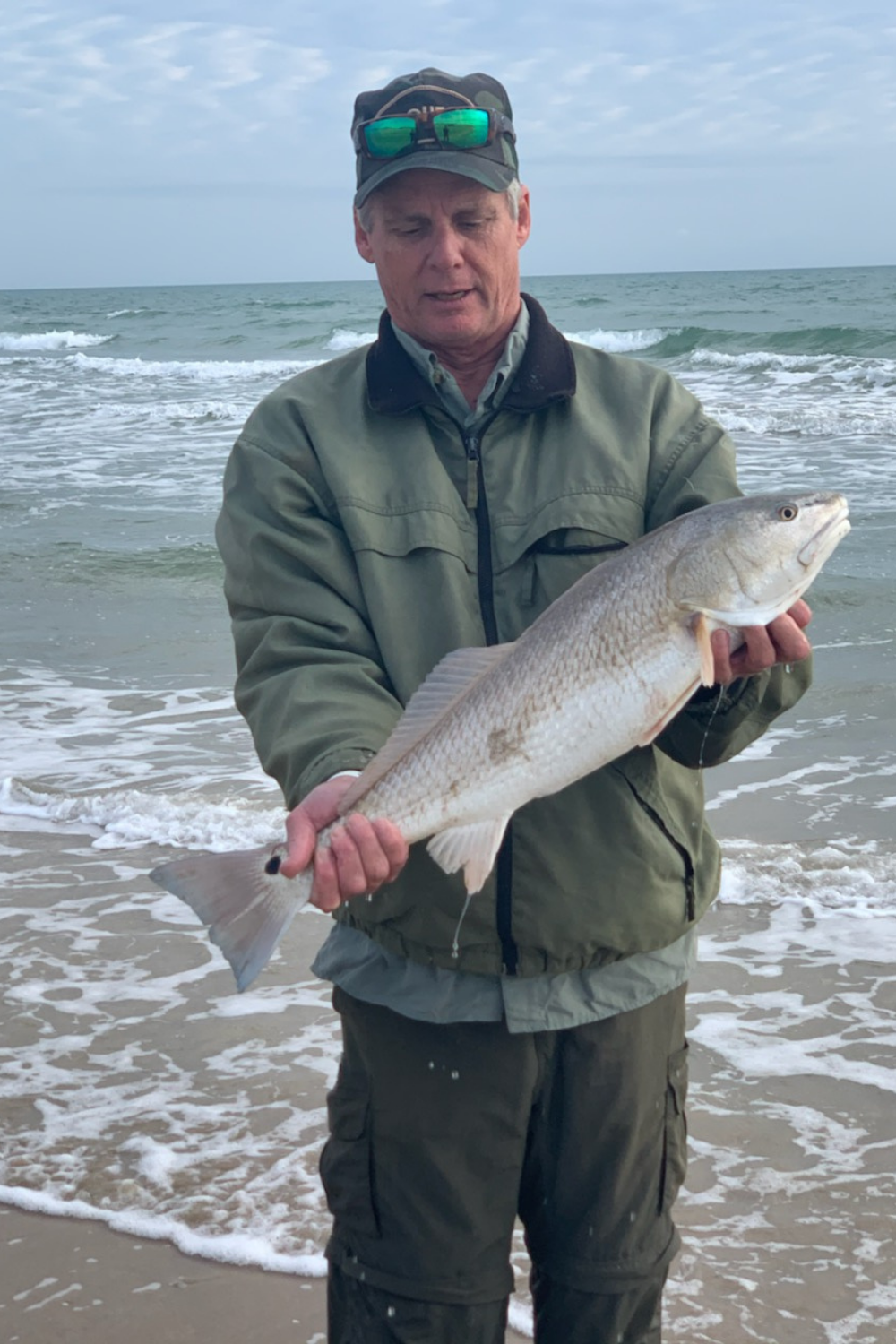
A life long surf fisherman with 50+ years of experience, I am also an avid hunter and outdoorsman. I will be sharing my passion for the outdoors with you so be prepared for hunting, fishing, camping, hiking and more. Along with gear reviews and the latest trends and innovations in the outdoor industry.