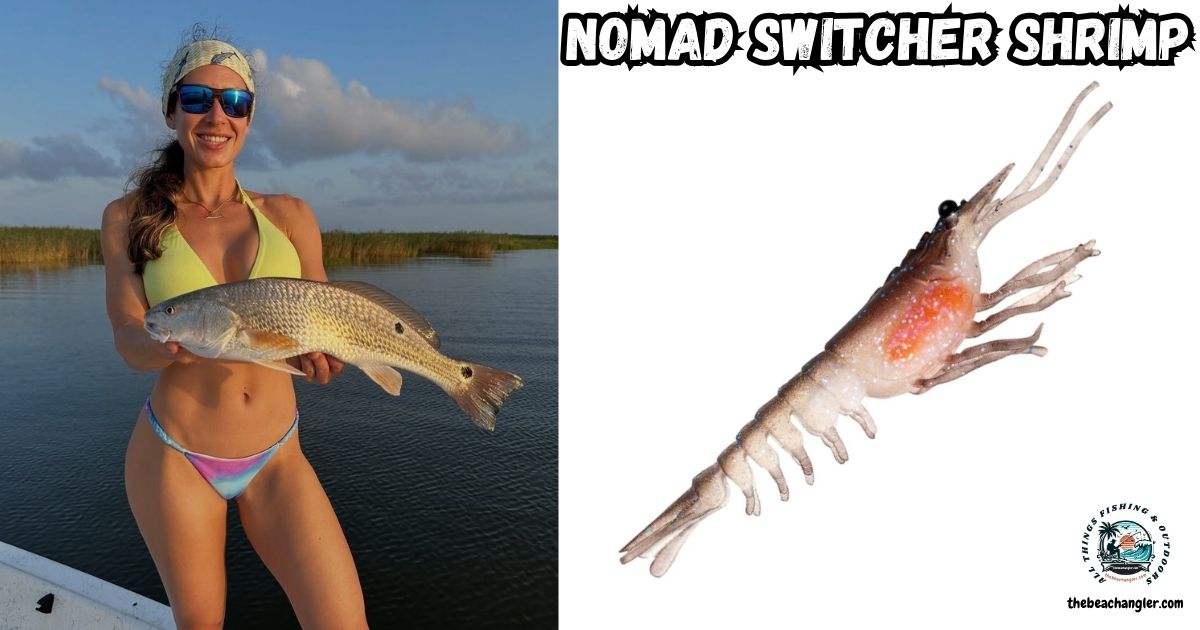
Nomad Switcher Shrimp lures have become a top choice for anglers who like to chase inshore saltwater fish or anyone looking for something effective and really flexible for different types of fishing. With their unique design and true-to-life movement, these artificial shrimp are starting to pop up in more tackle boxes throughout coastal areas.
QUICK LOOK: Tips for Fishing the Nomad Switcher Shrimp
- Match Rigging to the Situation: For redfish in skinny water, backward rigging with light twitches works well. For trout or flounder, rig forward and use a slow rolling approach. Switching things up pays off.
- Change Colors Based on Conditions: After a strong wind or tide change, I switch to a more visible UV or glow color so fish can find the lure in dirty water faster. It doesn’t hurt to start bold, then adjust to subtle.
- Store Separately: Keep Switcher Shrimp baits in their original packaging or a dedicated plastic tray. This prevents the material from getting damaged by other soft plastics and keeps your gear organized.
- Don’t Overweight: Try matching your jighead or weighted swimbait hook to the water depth so the lure moves naturally near the bottom without getting stuck in grass or mud. A small adjustment can mean more bites.
- Refresh Scent: Every few trips, I add a dab of extra shrimp oil if the scent seems faded. This seems to get a better reaction when bites slow down. Sometimes a little scent is all it takes to get wary fish to commit.
I have spent plenty of early mornings tossing Switcher Shrimp near the marsh or along grass lines, and I can say these lures can give you a real edge when fish get picky. They’re not just another fad; they’re built to stick around in your fishing routine.
The Main Features of the Nomad Switcher Shrimp
When looking at the Nomad Switcher Shrimp, it’s easy to notice the collection of features that make it useful for both new and experienced anglers. Here’s what you can expect to get out of this lure:
- Four Rigging Styles: The Switcher Shrimp can be fished forward, reverse, weedless, or rigged on a jighead. I found that this gives me the flexibility to change tactics quickly, depending on conditions or how fish are behaving. It’s like four lures in one package.
- Realistic Action: The action is super important to me, especially in clear water. Rigged backward, the shrimp kicks and darts away like a real shrimp fleeing a predator. Forward, the Switcher Shrimp glides along the bottom for a more relaxed, natural crawl.
- TPE Elastomer Body: The material is stretchy and feels strong in hand. After landing several redfish using one lure, I saw that the bait was still in good shape. The body is salt-infused, which fish seem to hang onto longer. That strong scent can be the clincher when fish are uncertain.
- ShrimpLock Slots: I like that the bait keeps the hook centered, which helps prevent the body from sliding down during aggressive strikes or if it gets hung up in grass. That means less time fixing your bait and more time fishing.
- Triple Eyelet Jighead Guides: Attaching a jighead doesn’t require trimming the nose off the lure, saving time and hassle when the bite is on. You don’t have to cut or constantly adjust the lure, which is super helpful during a hot bite.
- Bright Colors with UV and Glow: The range of high-vis and glow colors means I can grab one that stands out even in muddy water or under low light conditions. “Ultra UV” and “Pink Swagger” are favorites when water clarity takes a hit.
- Scented Chamber and Infused Oils: The built-in scent chamber and shrimp oil seemed to help keep fish interested when other plastics were getting ignored. I’ve had several trout and redfish hit the bait and not let go right away.
- Detailed Shrimp Anatomy: The lure includes fine tail segments, legs, and feelers. Fish get a good look when following the lure, which seems to help get more bites. If they’re being cautious, the extra details can make a difference.
- A Range of Sizes: Available from 2.3 to 5 inches, there’s an option for targeting everything from sheepshead to bigger slot reds, depending on what’s running in your area. You don’t need five different brands—just pick the right size and color for the job.
Best Ways to Use the Nomad Switcher Shrimp
This lure fits into lots of inshore saltwater situations. I keep a few in my box year-round and change out colors or sizes as water conditions change, or as the seasons and fish behaviors switch up.
Great for Inshore Saltwater Species:
- Redfish: These lures excel when reds are cruising along shorelines, especially in grassy areas. The backward flicking motion is really good at triggering reaction bites.
- Trout: When I drift shallow flats or fish potholes, switching up the rig to a forward swim creates a smooth gliding drop that gets attention from finicky trout.
- Flounder: Hopping the Switcher Shrimp along the bottom or near edges works well for flounder waiting to ambush prey. Their reaction is often quick, and the entice by scent and looks helps.
- Sheepshead: When I need to target sheepshead near pilings or rocky structure, rigging this bait subtly can get the job done, especially if they’re ignoring live shrimp. Sometimes, nothing else gets their attention.
Strong Performer for Kayak Fishing: I like taking these lures on kayak trips because they’re low profile and can be cast without much splash. The strong body tolerates dragging through shell or oyster beds. That’s a comfort when you’re miles from a tackle store.
Clear or Pressured Water: The very realistic body, small details, and scent help in clear water. Fussy fish tend to follow harder and investigate longer, which gives you time for the perfect hookset.
Muddy or Low Light Water: Bold UV and glow colors, like “Ultra UV” or “Pink Swagger,” make the shrimp visible, so fish can still find it even after a front or after tides have kicked up the bottom. Don’t forget, visibility is key when you have stained conditions in back bays after storms.
Pros and Cons I’ve Noticed from Using the Switcher Shrimp
Experience on the water always tells the real story. Here’s what I found after putting the Switcher Shrimp to work:
| Pros of the Nomad Switcher Shrimp Lures |
|---|
| Flexible and versatile rigging options for different fishing styles and water types. You’re not boxed into one tactic, and that’s a real plus. |
| The natural forward and reverse swimming actions really add confidence, especially in clear water. Both the look and feel seem to trigger more bites from cautious fish. |
| The super stretchy TPE body holds up well to multiple big fish and rough structure. After years of soft plastics tearing quickly, this is a welcome upgrade. |
| The scent system gets more “hold time,” which helps set the hook, especially with cautious or pressured fish. That can be the difference between landing and missing a good catch. |
| Anatomical detail and natural proportions help fool line-shy species, especially on calm and clear mornings. Matching that realism is tough for most generic baits. |
| Size and color variety make it easy to match the local hatch or react to whatever forage the fish are on at the time. |
| Cons of the Nomad Switcher Shrimp Lures |
|---|
| The TPE material should not mix with traditional soft plastics. I always keep these in a separate utility box. Melting or color bleed happens if mixed, which can ruin other plastics. It’s how I learned to be much more careful about tackle storage. |
| The body’s buoyancy requires matching the right jighead weight to your water depth so you don’t end up with too slow or too fast a fall. Some tuning is needed depending on tide and wind, but it pays off in more natural action. |
| he price can be higher than basic shrimp baits on the market, but durability makes up for it in my experience. Over time, you actually buy fewer replacements, offsetting the cost. |
| The price can be higher than basic shrimp baits on the market, but durability makes up for it in my experience. Over time, you actually buy fewer replacements, offsetting the cost. |
Frequently Asked Questions about Nomad Switcher Shrimp
What makes the Switcher Shrimp different from other shrimp lures?
The rigging flexibility and tough TPE body make it unique. Once I started using it, I noticed it held up better than standard plastics. Plus, the action options help adapt to any bite, so you get more use from a single pack of lures.
Can I use Switcher Shrimp in freshwater?
They’re really designed for saltwater, but I’ve caught bass and crappie with them in brackish or fresh tidal marshes. Just remember the scent and color selection are aimed at coastal species, but sometimes curious freshwater fish will go for a new look.
How do I pick the right size for local conditions?
I usually look at the type of shrimp in my bay and water clarity. In spring, when smaller shrimp show up, I use the 2.3 or 3.5. Bigger, clearer water calls for the 4.25 or 5-inch baits, especially when chasing reds or big trout. Matching size and color is half the battle.
Tips for Getting the Most Out of Your Switcher Shrimp
- Match Rigging to the Situation: For redfish in skinny water, backward rigging with light twitches works well. For trout or flounder, rig forward and use a slow rolling approach. Switching things up pays off.
- Change Colors Based on Conditions: After a strong wind or tide change, I switch to a more visible UV or glow color so fish can find the lure in dirty water faster. It doesn’t hurt to start bold, then adjust to subtle.
- Store Separately: Keep Switcher Shrimp baits in their original packaging or a dedicated plastic tray. This prevents the material from getting damaged by other soft plastics and keeps your gear organized.
- Don’t Overweight: Try matching your jighead or weighted swimbait hook to the water depth so the lure moves naturally near the bottom without getting stuck in grass or mud. A small adjustment can mean more bites.
- Refresh Scent: Every few trips, I add a dab of extra shrimp oil if the scent seems faded. This seems to get a better reaction when bites slow down. Sometimes a little scent is all it takes to get wary fish to commit.
What Anglers Should Know Before Buying Switcher Shrimp
Like any specialty lure, Switcher Shrimp have their own quirks and things worth knowing before stocking up. Here are a few points based on my experience and feedback from other anglers. Taking some time to prep before using them can save frustration on the water.
- Material Compatibility: The TPE elastomer gives great toughness, but when left mixed with standard soft plastics, they’ll end up ruined. Separate storage keeps them in top shape for your whole season.
- Body Tuning: Depending on the weight of your rig, you may need to trim or pick a different head to get the right sink rate for your bay or marsh area. Tinkering is part of finding what works best, and sometimes the smallest change brings more bites.
- Cost: These are a little more expensive upfront. But sharing the same lure between multiple catches saves money over time if you fish a lot. Durability means less waste and more value down the line.
TPE Shrimp and Storage
If you already fish with other soft baits, you know storage is a big deal. I use a hardsided tray just for TPE baits now. A switch like this keeps them from melting or fusing in my gear bag, which happened once when I first got them. Don’t let a rookie mistake ruin a new batch of lures.
Working with Different Jigheads
I like the flexibility to use my own favorite jigheads, but I check the weight and how the lure sits in the water every new trip. Sometimes, a change in head style makes a big difference in action. It’s a good idea to keep a couple of weights and styles around so you can adapt to whatever the day brings.
Final Thoughts on Choosing Nomad Switcher Shrimp
Nomad Switcher Shrimp lures bring solid value and flexibility to any saltwater angler’s kit. They deliver on toughness, natural movement, and options for rigging that really make a difference when fish are hard to fool. If you’re looking to take your inshore game up a notch or just want something different with boosted scent and visibility, these shrimp are worth a try.
The mistakes I made when first using them, especially storing them with other plastics, taught me a lot. Now, they’re part of my core tackle for coastal fishing trips. Investing in a few packs can really give a boost to your odds, and when fish are tough to catch, any edge matters. Give them a shot, and you might stumble upon a new favorite for your next inshore adventure.
Check Out Our Most Recent Articles:
- Nomad Switcher Shrimp Lures
- Quantum Merit Spinning Reel
- Why Is Surf Fishing Popular?
- Why Do Anglers Use Different Types Of Fishing Lines For Saltwater Fishing?
- Why Are Tides Important In Surf Fishing?

- Understanding Fish Behavior To Improve Your Fishing
As always, stay safe, enjoy the journey, and please try to leave it cleaner than you found it. If you have any comments, questions, ideas, or suggestions, please leave them in the comment section below, and I’ll get back to you ASAP. You can follow us on Facebook: Rex The Beach Angler, Instagram: thebeachangler7, Twitter: @AnglerBeach, and YouTube: Man Art Creations.
P.S. Thanks so much for checking out our blog; we really appreciate it. Just so you know, we may receive a commission if you click on some of the links that appear on our site. This helps us keep our content free and up-to-date for everyone. We appreciate your support!





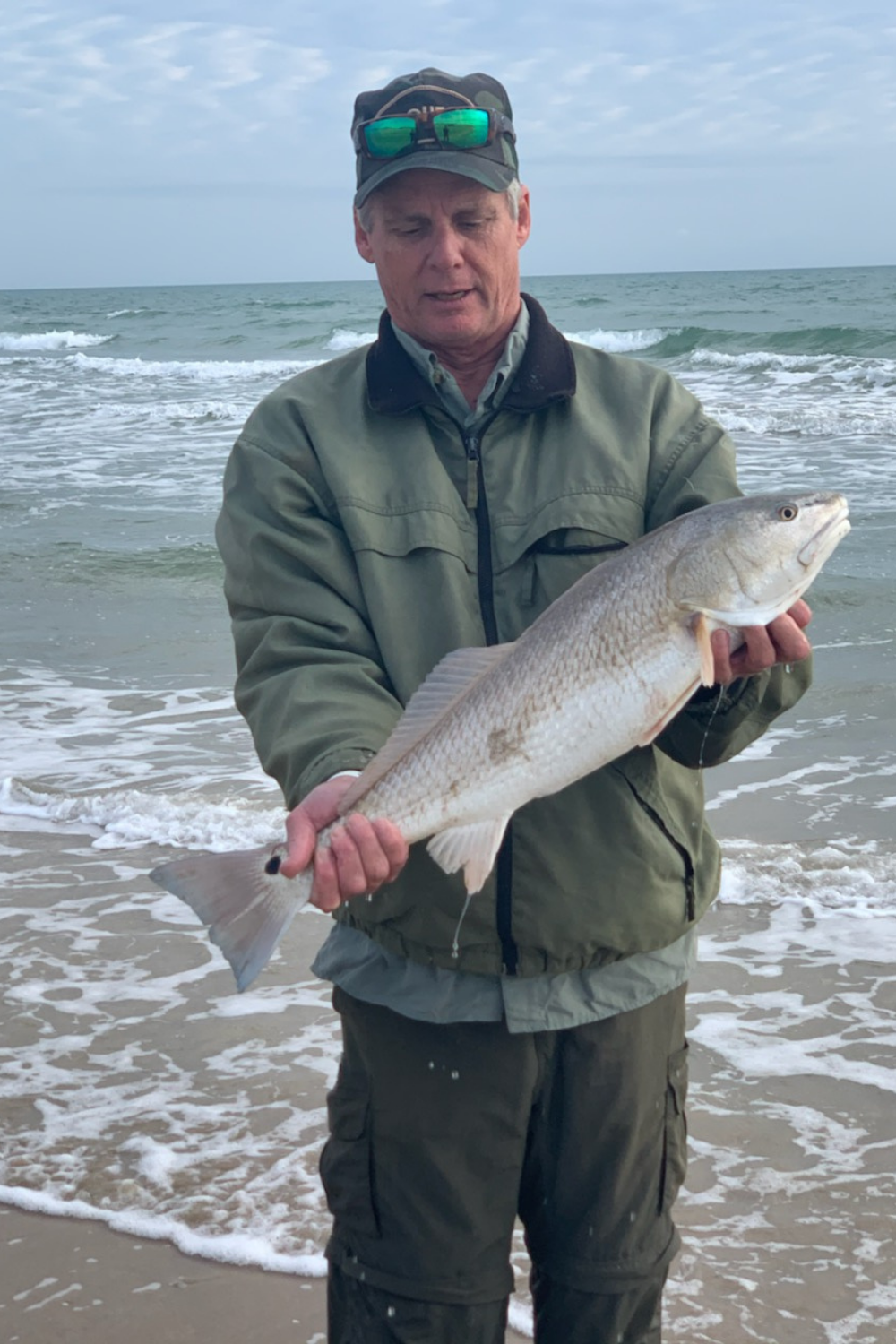
A life long surf fisherman with 50+ years of experience, I am also an avid hunter and outdoorsman. I will be sharing my passion for the outdoors with you so be prepared for hunting, fishing, camping, hiking and more. Along with gear reviews and the latest trends and innovations in the outdoor industry.