Bait shrimp are a huge part of saltwater fishing. The choice between locally caught and imported bait shrimp does more than impact your odds of catching fish—it also affects the overall health of your local waterways. I often see anglers argue about local versus imported shrimp, so I want to help clear up why this decision matters for both your fishing success and the environment.
Local vs Imported Bait Shrimp: Key Differences
The difference between local and imported bait shrimp goes way beyond just where they’re harvested. Local shrimp are caught or farmed within your region’s waters, while imported options come from other countries, sometimes thousands of miles away. Local shrimp naturally belong in the area. Imported shrimp might bring diseases from other places, and introducing them can endanger native species.
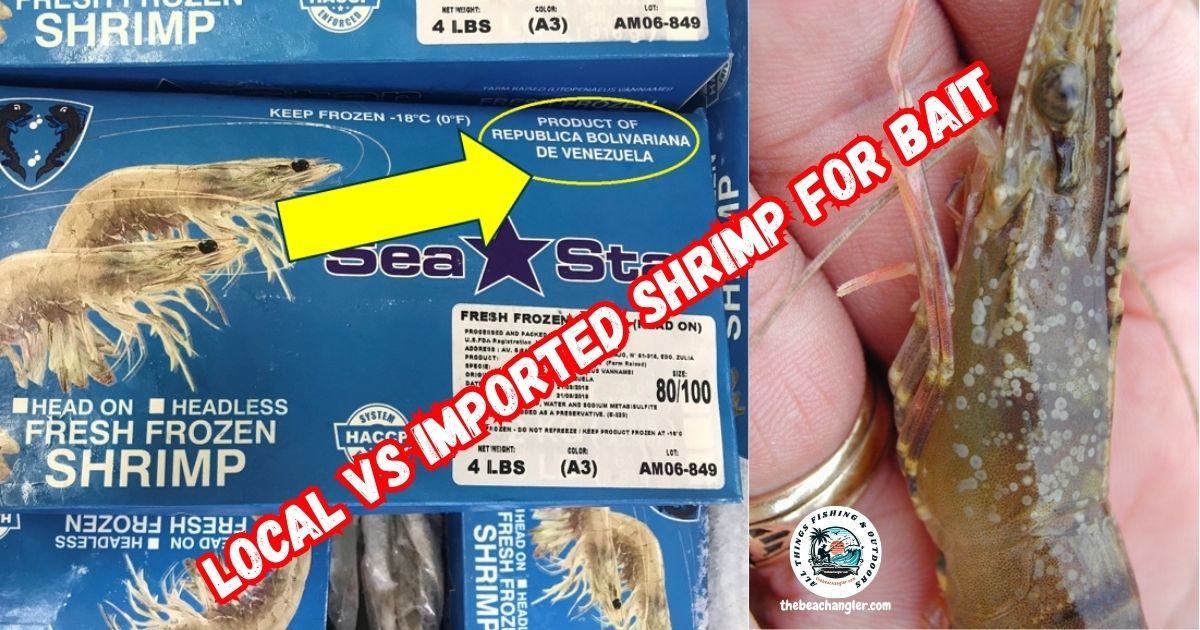
The United States brings in lots of shrimp, mainly for food. However, some of this supply ends up in bait coolers at tackle shops. Laws in certain coastal states make rules clear: imported shrimp can’t legally be used as bait, and there are hefty fines for breaking this law. Knowing these details helps you protect local fisheries and avoid unintentional damage.
Why Using Imported Shrimp as Bait Poses a Problem
Using imported shrimp can introduce dangerous diseases and invasive pests to waters where they don’t belong. A virus that especially concerns biologists is the white spot syndrome virus (WSSV). This virus infects crustaceans, including shrimp, crabs, and crayfish. Although it doesn’t harm people, WSSV can wipe out local shrimp and crab populations quickly.
Even imported frozen shrimp that look acceptable for eating can carry viruses or parasites that survive freezing or processing. If anglers use these shrimp as bait—live or dead—and toss leftovers overboard, or dump them off docks, viruses can make their way into the water.
Only a handful of infected shrimp can start a chain reaction. Losing native species does more than reduce shrimp numbers; it also affects predators such as redfish, speckled trout, and coastal birds, which depend on these animals for food.
State agencies, like Texas Parks and Wildlife or Alabama Marine Resources Division, offer strong warnings against imported bait shrimp because of this very issue. Their rules aren’t just friendly advice. They protect both sport fishing and the seafood industry. Disease outbreaks caused by foreign shrimp can shut down popular fishing spots, harming both recreational and commercial fishermen.
Legal Considerations for Bait Shrimp
Many Gulf of Mexico states have declared it illegal to use non-native or imported shrimp as bait in their coastal waters. This matters whether your shrimp is live, fresh, frozen, or even just a piece. The point is to block the spread of non-native diseases. Fish and game officers can check your bait and issue tickets if you break these rules—sometimes costing you hundreds of dollars.
Double-checking current rules wherever you plan to fish is very important, since regulations can change over time. State wildlife websites are a reliable place for updated information and for lists of approved bait species. Following the law is just as much a part of fishing as holding a valid license or using the right gear.
Benefits of Locally Sourced Bait Shrimp
Using locally sourced bait shrimp supports healthy waters and usually gives you an edge as an angler. I have consistently found that fresh or live local shrimp get more bites from inshore favorites like speckled trout, redfish, flounder, and black drum. Local fish know these shrimp as steady prey, so the scent and motion draw attention quickly.
Buying from local bait shops also boosts small fishing communities. Many shops work directly with local shrimpers who use sustainable approaches. This keeps more money in your area and encourages responsible harvesting practices. Local shrimp are typically fresher and more robust than imported choices, which is especially helpful when you buy directly from trusted shops or dealers.
Live local shrimp usually survive longer on the hook, making them more effective, especially when bait-stealing fish like pinfish or croakers are around. Fresh dead shrimp—never frozen—stay firm and hold their scent. You can always keep some frozen local shrimp as a backup. These last longer in the cooler and still work very well as cut bait.
How to Identify and Choose Local Bait Shrimp
Ensuring you end up with local bait shrimp isn’t always obvious by looking in the ice chest. Packaging information is your best friend. Federal law requires the country of origin to be on labels for all shrimp. When visiting a bait shop or seafood market, ask directly whether the bait is wild-caught or locally farmed. Look for clues such as “Gulf shrimp” or local water names like “Atlantic” or “Pacific.”
If the shrimp package shows a foreign origin—like Vietnam, Thailand, or Ecuador—it’s imported and most likely not suitable as bait. Get familiar with the look of the native shrimp in your waters. In the Gulf of Mexico, common types include brown shrimp, white shrimp, and pink shrimp. These usually stock bait shop tanks or coolers in season.
Online state fishing resources can help you pick out native shrimp species and direct you to trusted bait sources. Building a relationship with a dependable bait dealer makes it easier to get answers and keeps your fishing and local shrimp populations healthy.
Tips for Storing and Preparing Bait Shrimp
How you store your bait shrimp makes a big difference to both how long they last and how well they work as bait. Live shrimp need clean, oxygen-rich water. A simple bait bucket with an aerator (even a cheap battery-powered option) works well. Change the water now and then to lower ammonia levels, and don’t overload your bucket, since too many shrimp together won’t stay alive as long.
Dead or frozen local shrimp are best kept on ice. When fishing with dead shrimp, cut them into smaller bits for species with tiny mouths, such as whiting or sheepshead. Many anglers pull off the head and shell before hooking the shrimp body, which keeps it on the hook longer and makes it more appealing to fish.
Salt-cured shrimp is another practical local choice, especially for those heading on multi-day trips or fishing where ice isn’t handy. This method toughens up the shrimp, keeping it firmly on the hook, while the salt still puts out plenty of scent to bring the fish around.
Common Issues When Choosing Bait Shrimp
There are a few common problems anglers run into with bait shrimp:
- Tricky Labels: Sometimes, shop packaging is unclear or there’s a mix of local and imported shrimp. Always check and buy from shops with a good reputation.
- Availability Ups and Downs: After storms or during offseasons, local shrimp can disappear from shops, leading some to fill coolers with imported bait. Planning and keeping a stash of frozen or salt-cured local shrimp can help here.
- Cost Differences: Local live shrimp usually cost more. In my experience, the extra dollars are worth it for both your catch rates and peace of mind.
Popular Fishing Methods with Local Bait Shrimp
Rigging live or fresh local shrimp comes in handy with all kinds of fishing styles. Free lining a shrimp over grass flats or drifting under a popping cork are simple and productive for inshore fish. Using smaller pieces of shrimp on a hook with a light sinker is a great way to target whiting, pompano, and other surf species.
Casting around oyster beds, piers, or marshes with live shrimp also gets results for black drum and sheepshead. Local bait works better because fish in your area are tuned in to what is normal food for them. Presenting local shrimp can make picky fish strike, especially after a cold snap or heavy rain when they’re choosier.
Frequently Asked Questions
Here are some of the usual questions anglers ask when they’re deciding between local and imported bait shrimp.
Why isn’t imported frozen shrimp safe as bait if it’s fine to eat?
Imported shrimp, even when frozen, can still carry viruses or parasites. Once cooked, it’s safe to eat, but as bait, it’s used raw, so diseases can spread to local waters.
Are local farm-raised shrimp better than wild-caught?
Both are solid choices. Farm-raised shrimp from your region are often tougher and less stressed out than wild ones, lasting longer in your bait bucket and on your hook.
How do I figure out which shrimp in the bait shop are native?
Ask the shop staff; they usually know. You can also look up pictures and guides online. Local shrimp tend to have colors and marks that are unique to your part of the coast.
Why Your Choice of Bait Shrimp Matters
Picking the right bait shrimp doesn’t just help you bring more fish to the ice chest. It protects the waters you love, making sure invasive pests and diseases stay away from the coasts and bays you fish. You also support hardworking shops and help keep shrimp populations steady for generations to come. Next time you gear up for fishing, stopping to check your shrimp’s source can make all the difference for both your haul and the health of your local environment.
As always, stay safe, enjoy the journey, and please try to leave it cleaner than you found it. If you have any comments, questions, ideas, or suggestions, please leave them in the comment section below, and I’ll get back to you ASAP. You can follow us on Facebook: Rex The Beach Angler, Instagram: thebeachangler7, Twitter: @AnglerBeach, and YouTube: Man Art Creations.
Check Out Our Most Recent Articles:
- Understanding Fish Behavior To Improve Your Fishing
- How To Choose The Right Reel For Saltwater Fishing
- Emerging Trends In Saltwater Fly Fishing

- How To Choose A Saltwater Fishing Rod
- The Daiwa KAGE Inshore Rods
- Daiwa Free Swimmer Spinning Reel
P.S. Thanks so much for checking out our blog; we really appreciate it. Just so you know, we may receive a commission if you click on some of the links that appear on our site. This helps us keep our content free and up-to-date for everyone. We appreciate your support!





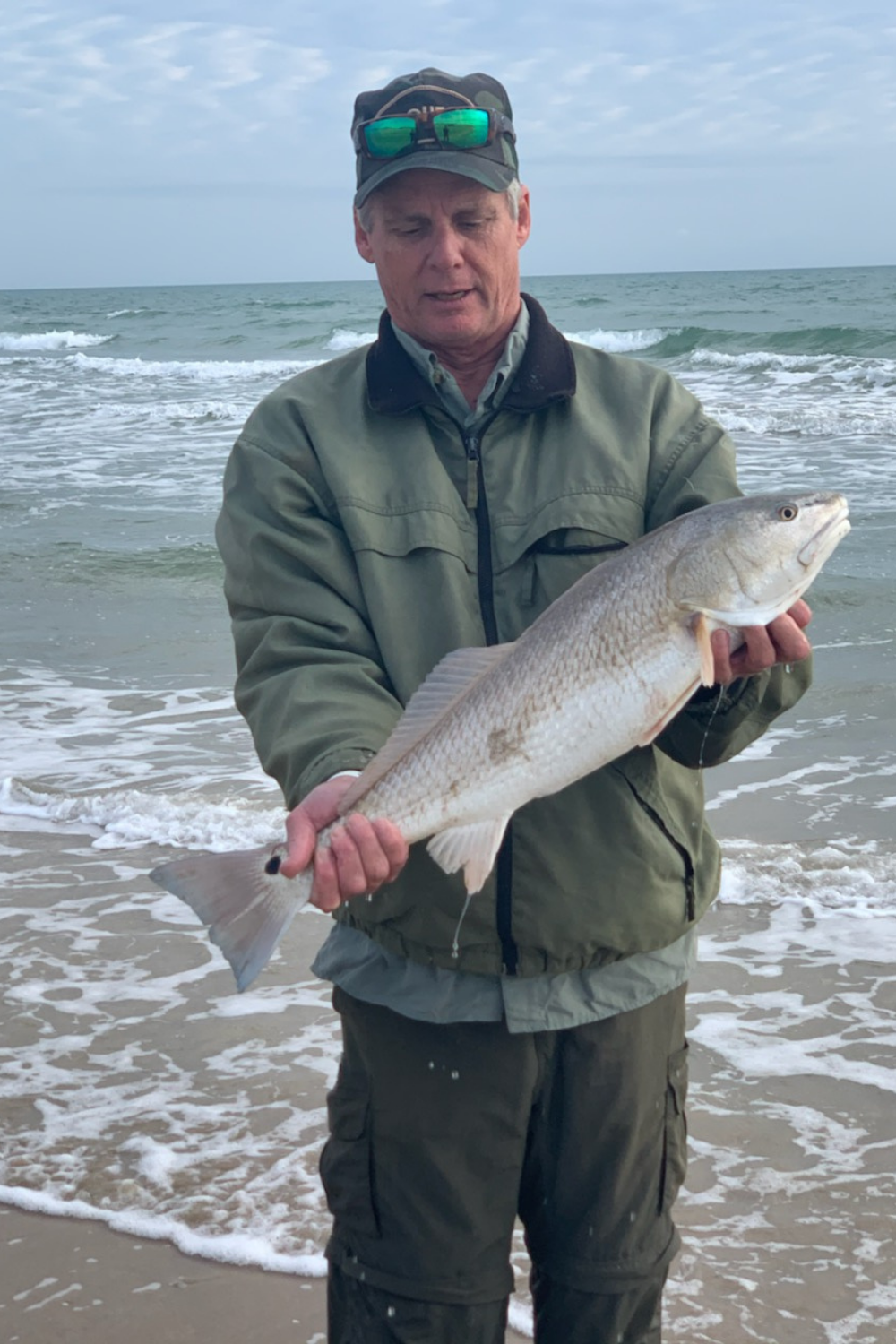
A life long surf fisherman with 50+ years of experience, I am also an avid hunter and outdoorsman. I will be sharing my passion for the outdoors with you so be prepared for hunting, fishing, camping, hiking and more. Along with gear reviews and the latest trends and innovations in the outdoor industry.