The fall red drum run is something I look forward to every year. This is one of the best times for anyone who enjoys saltwater fishing to catch big, powerful red drum, often called bull reds. As the water cools off, these impressive fish gather in greater numbers near the beaches, inlets, and passes along the Gulf and Atlantic coasts. That makes it the perfect season to dust off your fishing setup, grab some bait, and get ready for a trip that can lead to some of your most memorable catches.
QUICK LOOK: Tips for Fishing the Fall Red Drum Run
- Stay quiet: Bull reds can spook easily in the shallows, so I keep noise to a minimum, watch my approach, and move slowly near promising spots.
- Add chum: A couple of chunks of cut bait or crushed crab in the water boosts your chances of bringing in reds and keeping them nearby. It works well from piers or fixed spots on the shore.
- Watch for clues: Always be on the lookout for surface shrimp, diving birds, or waves caused by moving fish. These are strong hints that reds are feeding just out of sight.
- Handle your fish with care: Releasing bigger reds is encouraged—these are often valuable breeders. I use fish-friendly pliers for quick hook removal and support the fish gently until it swims off strong.
- Learn the regulations: State rules shift routinely, so I double-check red drum limits on the wildlife agency site before each trip. It helps keep fishing good for everyone long term.
- Scout out new water: Online maps and local fishing reports point to less-pressured beaches or smaller inlets, where fish might be gathered without much competition. It pays off to mix things up.
- Take advantage of technology: On a boat, a fish finder can save time by showing you where schools are hanging out, allowing you to skip over empty areas.
- Try night fishing: Red drum sometimes feed hardest after dark, especially around lighted docks. A headlamp, good batteries, and a fishing buddy are must-haves—a nighttime trip can keep lines bent for hours.
- Keep a fishing log: I jot down the date, conditions, moon phase, and my results after each trip. Looking back each year helps me track down the best times and patterns for the future.
What Makes the Fall Red Drum Run Special?
Every fall, mature red drum leave the quieter bays and creeks and move out into more open water. They head out to spawn, gathering in groups that can sometimes even be seen swirling just beyond the breakers. This migration means a far higher chance of connecting with a large redfish, sometimes well over 40 inches long.
It’s not just experts who get lucky—during this period, even beginners stand a great chance of catching big fish because the reds are more plentiful and less choosy about their meals. Anglers chase these runs from the shore, piers, boats, and even kayaks.
Local fishing communities buzz with excitement: people share tips, favorite spots, and the occasional secret trick. Anyone who wants to get the most out of fishing season will love the fall run—it promises loads of action and gives everyone a chance to enjoy local wildlife and take in coastal scenery at its best.
Best Times and Places to Fish for Red Drum in the Fall
Timing is a huge part of catching red drum during the fall run. Lots of folks wonder when they should go and where they should set up. Over the years, I’ve learned that paying close attention to weather, tides, and local reports really helps. Here are some things to remember:
- Peak timing: The run usually kicks off in September and peaks through November. The best action lines up with water temperature—once the coast dips below about 80°F, the run starts heating up.
- Best times of day: Early mornings after sunrise and late afternoons near sunset give you cooler temperatures and more active fish. When the midsummer sun is bright, fish tend to slow down, but the action often comes back strong as evening approaches.
- Tidal influence: Tides play a crucial role. Red drum feed more actively during the first couple of hours of a rising tide or just at the end of a falling tide. I pay close attention to moon phases, too—the bite is often best when the tides are powerful on new and full moons.
- Top locations: My go-to spots? Sandy beaches, jetties, fishing piers, and the mouth of inlets or creeks, especially near structure such as oyster bars that provide current breaks. Track down places where baitfish gather, and watch for diving birds in the surf. These are reliable signs that the big reds are close by and on the hunt.
Choosing Bait and Lures for the Fall Run
Picking the right bait is key if you hope to put more red drum on your line. After lots of tries, these are the combos I find work best in the fall:
- Live bait: Bring along live shrimp, finger mullet, or small blue crabs. Red drum rarely pass up live offerings, especially when competition for food is high during the run.
- Cut bait: Fresh cut mullet and ladyfish release plenty of scent, attracting big reds even in murky water.
- Artificial lures: Soft plastic versions of shrimp or baitfish can be super effective. I also do well with weedless spoons in gold and bronze colors, as they tempt fish in both clear and cloudy water. For topwater fun, plugs can lead to explosive strikes around dawn or dusk. I adjust lure size based on conditions, but a 4-6 inch lure usually matches the larger bait in the fall.
Experimenting is part of the fun, so I carry a small mix of baits and lures to be ready for what the day demands.
Essential Tackle and Gear Tips for Red Drum Fishing
Your setup can make the difference between landing a trophy fish and losing it, especially during the season’s peak. Here’s what I make sure to bring for every fall red drum run:
- Rods and reels: A medium to heavy action rod (7 to 10 feet long) gives you the power and casting distance needed. Spinning reels work great on shore, while baitcasting reels shine if you’re fishing from a boat.
- Line: I stick with 20 to 30-pound braided line, sometimes heavier if I’m fishing near lots of rocks or oyster bars. A 30 to 40-pound fluorocarbon leader is a real plus in clear water—keeps line-shy fish from getting wise.
- Hooks and rigs: Circle hooks are my go-to for easy releases, which is especially important for bigger, spawning reds. I use fish finder or knocker rigs, which let the bait move naturally in the current but stay anchored to the bottom.
I always pack extras: pliers, a landing net, sunscreen, and a good cooler. That way, I spend more time with a line in the water and less time fixing or searching for lost gear.
Key Strategies for Maximizing Your Success
Switching up your game plan now and then can be the difference maker. Here’s what I do to get more action during the fall run:
- Stay quiet: Bull reds can spook easily in the shallows, so I keep noise to a minimum, watch my approach, and move slowly near promising spots.
- Add chum: A couple of chunks of cut bait or crushed crab in the water boosts your chances of bringing in reds and keeping them nearby. It works well from piers or fixed spots on the shore.
- Watch for clues: Always be on the lookout for surface shrimp, diving birds, or waves caused by moving fish. These are strong hints that reds are feeding just out of sight.
- Handle your fish with care: Releasing bigger reds is encouraged—these are often valuable breeders. I use fish-friendly pliers for quick hook removal and support the fish gently until it swims off strong.
- Learn the regulations: State rules shift routinely, so I double-check red drum limits on the wildlife agency site before each trip. It helps keep fishing good for everyone long term.
Common Hurdles and How to Beat Them
Every fishing adventure comes with a few bumps in the road. The fall run has its challenges, but I’ve found ways to work through them:
- Unpredictable weather: Coastal fronts often blow in during fall. Rain gear is a must, and I always double-check forecasts before setting out. Sometimes a quick storm is followed by the best bite of the day.
- Shortage of bait: Sometimes the shops sell out of live mullet. That’s why I carry a cast net as backup. It’s also a good excuse to scout new waters for active baitfish.
- Heavy crowding: Drum runs bring out lots of anglers. I plan for earlier starts or walk farther from parking areas to find less-pressured stretches of beach. Often, these out-of-the-way spots hide the best fish.
- Picky red drum: If I can’t get bites, I swap baits, change to a lighter leader, or keep moving until I find feeding fish. Staying flexible helps turn tough days around.
Adjusting to changing conditions keeps the trip interesting, and it makes every successful catch even sweeter. Staying patient and open to trying new tactics often brings the biggest rewards.
Advanced Tips and Tricks for the Fall Red Drum Run
Once you’ve mastered the basics, these extra ideas can help you step up your catch:
Scout out new water: Online maps and local fishing reports point to less-pressured beaches or smaller inlets, where fish might be gathered without much competition. It pays off to mix things up.
Take advantage of technology: On a boat, a fish finder can save time by showing you where schools are hanging out, allowing you to skip over empty areas. Even without gadgets, learning how to read tide movement and local structure proves just as important.
Try night fishing: Red drum sometimes feed hardest after dark, especially around lighted docks. A headlamp, good batteries, and a fishing buddy are must-haves—a nighttime trip can keep lines bent for hours.
Keep a fishing log: I jot down the date, conditions, moon phase, and my results after each trip. Looking back each year helps me track down the best times and patterns for the future.
Fall Red Drum Run Essentials: Packing List for Success
Having the right toolkit on hand makes all the difference. When planning for the fall red drum adventure, I use this simple list:
- Medium-heavy rod and solid reel
- Extra spools of braided and fluorocarbon line
- Circle hooks and various sinkers
- Mix of artificial lures and live or cut bait
- Landing net and fish grip for the bigger reds
- Sunscreen and polarized sunglasses
- Rain jacket and a hat for changing weather
- Cast net to catch your own bait
- Cooler packed with ice and cold drinks
- Valid fishing license and the latest regulations
- Camera or phone for snapping photos of standout catches
Being prepared keeps the focus on the fun, not the frustration of missing out on the right gear.
Frequently Asked Questions About the Fall Red Drum Run
If you’re going for your first fall drum run, it’s totally normal to have a few questions. Here are answers to some of the most common ones I hear—and ones I wish I’d asked earlier:
What size gear should I use for bull reds?
A medium-heavy rod and a quality reel with at least 20-30 lb braided line are the way to go. These fish fight hard, and you don’t want to be undergunned.
Are there restrictions on keeping red drum?
Yes—most states set strict size and bag limits for good reason. The larger bull reds are often catch-and-release only because they’re valuable for spawning. Always check the latest rules before keeping fish.
How do I locate baitfish?
I track down schools of mullet by looking for splashing on the surface or birds diving. If you arrive early, shallow water makes spotting bait much easier, and a cast net is the best way to get what you need.
Should I keep or release the big red drum?
Personally, I release all the big ones, especially those over the slot size. It keeps the fishery healthy and preserves the excitement of the fall run for years to come.
Check Out Our Most Recent Articles:
- The Daiwa KAGE Inshore Rods
- Daiwa Free Swimmer Spinning Reel
- Daiwa Blackline Inshore Rods
- The Daiwa Saltist Back Bay Spinning Reel
- Shimano TR Triton Reel Review
- Shimano TLD Reels Review
As always, stay safe, enjoy the journey, and please try to leave it cleaner than you found it. If you have any comments, questions, ideas, or suggestions, please leave them in the comment section below, and I’ll get back to you ASAP. You can follow us on Facebook: Rex The Beach Angler, Instagram: thebeachangler7, Twitter: @AnglerBeach, and YouTube: Man Art Creations.
P.S. Thanks so much for checking out our blog; we really appreciate it. Just so you know, we may receive a commission if you click on some of the links that appear on our site. This helps us keep our content free and up-to-date for everyone. We appreciate your support!





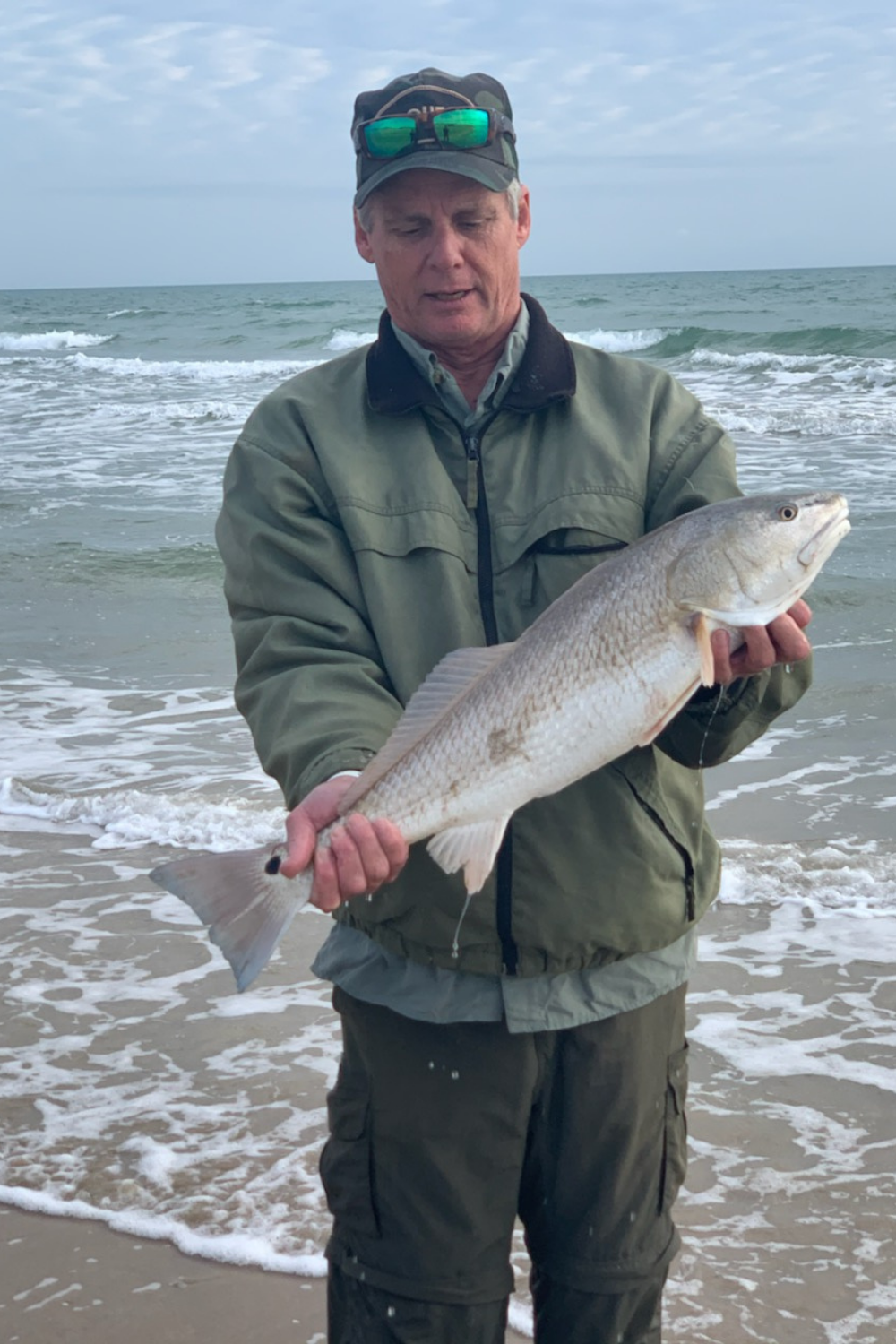
A life long surf fisherman with 50+ years of experience, I am also an avid hunter and outdoorsman. I will be sharing my passion for the outdoors with you so be prepared for hunting, fishing, camping, hiking and more. Along with gear reviews and the latest trends and innovations in the outdoor industry.