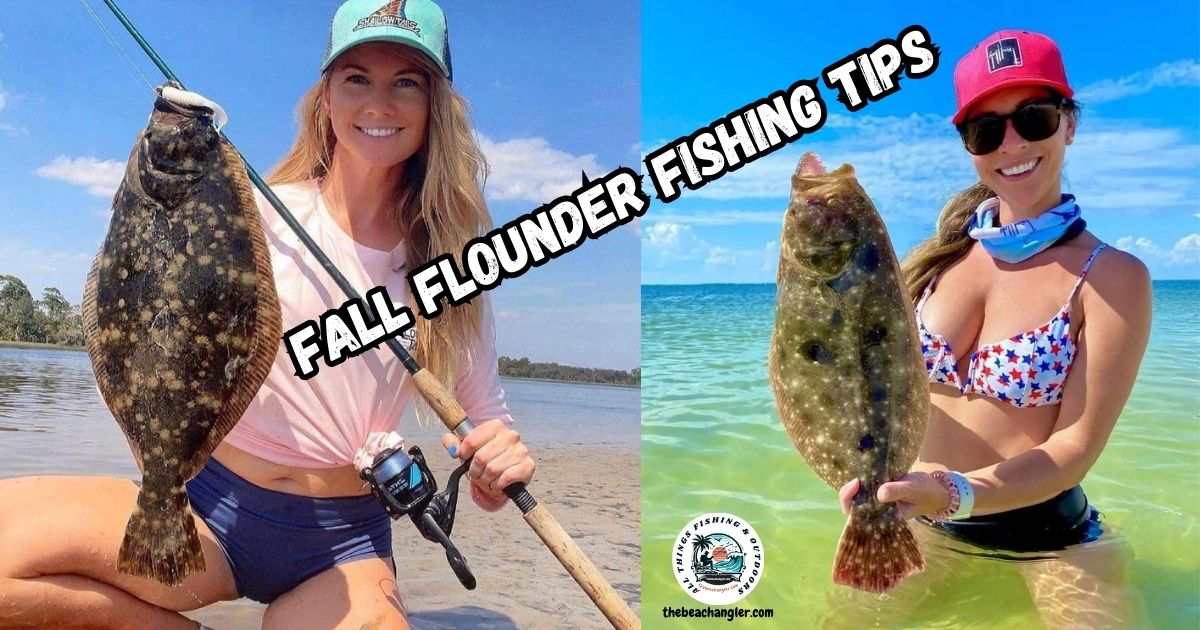
If you enjoy fishing, fall flounder fishing can offer some of the most rewarding days on the water. Each year, as the temperatures drop, flounder begin migrating offshore to breed, making this the perfect opportunity to fill your cooler if you know where and how to target them.
QUICK LOOK: Top Spots for Fall Flounder
- Creek Mouths and Drains: The mouths of creeks where they empty into bigger rivers or tidal sounds are top choices. During the outgoing tide, baitfish get flushed out, and flounder set up here for an easy meal.
- Passes and Inlets: Natural passes between barrier islands and manmade inlets act as highways for migrating flounder. I like working the edges of these areas and focusing on spots with visible current breaks.
- Points and Jetties: Any natural or artificial structure that juts into the current collects bait and attracts flounder. Casting around jetty rocks or the tip of a point increases my chances of finding an aggressive fish.
- Oyster Beds and Dropoffs: Flounder love the hard bottom and cover that oyster beds or dropoffs provide. I always try to drop my bait right next to these features and let it sit for a moment.
- Deeper Nearshore Reefs (late fall): As water cools, I follow flounder farther out to nearshore wrecks and reefs. These spots can be productive, particularly once the main migration is underway.
I’m going to cover everything I rely on during the fall run, from choosing the right locations to picking baits and mastering the subtle bite of a flounder. Whether you’re a seasoned angler or new to the pursuit, this all-in-one guide has the information you need to get the most out of fall flounder season.
Understanding Fall Flounder Migration and Behavior
Flounder, especially species like the Southern and Summer Flounder, migrate offshore in the fall to spawn. This movement makes them more predictable than at other times of the year. During this period, they leave the shallows and move toward deeper water, often stacking up along migration routes like passes, creek mouths, and natural channels.
This switch-up in location means you can track down concentrations of fish if you know what to look for. Flounder are bottom-dwelling ambush predators, using their flat bodies to blend in and wait for prey to drift by.
I’ve noticed they almost always position themselves so they face into the current, letting baitfish come straight to them. Structure is really important for fall flounder. Look for dock pilings, oyster bars, rocks, and drop-offs. These features create current breaks, giving flounder a spot to lie in wait while conserving energy.
One detail I always keep in mind is that flounder hug the bottom. If my lure or bait isn’t dragging or bouncing along the bottom, I know I’m probably not in the strike zone. You might also spot subtle signs, like a quick puff of mud in shallow, clear water, that tell you a flounder is nearby.
Best Locations to Target Fall Flounder
Some of my favorite days have been spent working the same reliable spots during the fall migration. Here are the areas where I consistently find success:
- Creek Mouths and Drains: The mouths of creeks where they empty into bigger rivers or tidal sounds are top choices. During the outgoing tide, baitfish get flushed out, and flounder set up here for an easy meal.
- Passes and Inlets: Natural passes between barrier islands and manmade inlets act as highways for migrating flounder. I like working the edges of these areas and focusing on spots with visible current breaks.
- Points and Jetties: Any natural or artificial structure that juts into the current collects bait and attracts flounder. Casting around jetty rocks or the tip of a point increases my chances of finding an aggressive fish.
- Oyster Beds and Dropoffs: Flounder love the hard bottom and cover that oyster beds or dropoffs provide. I always try to drop my bait right next to these features and let it sit for a moment.
- Deeper Nearshore Reefs (late fall): As water cools, I follow flounder farther out to nearshore wrecks and reefs. These spots can be productive, particularly once the main migration is underway.
I pay close attention to signs of flounder activity. Sometimes I’ll spot a puff of mud or a small cloud in clear water. This can mean a flounder just buried itself or lunged after something. That’s when I know I’m in the right area, and it’s time to slow down and thoroughly explore the spot for any more signs of fish.
Timing: When to Fish for Fall Flounder
Timing plays a huge role in flounder fishing during the fall. Based on my experience, here’s what I look for:
- Peak Migration (October–early December): This is when you’ll find the highest concentrations as flounder make their push offshore.
- Outgoing Tides: I catch more flounder during an outgoing tide than any other condition. As bait gets swept out, flounder set up in predictable places to intercept them.
- Slack Tide’s Start (incoming): The first part of the incoming tide is worth checking, especially in marsh drains or along deep channel edges.
- Low Tide: When the water falls, it funnels fish into deeper pools and creek mouths where they become easier targets.
- Early Morning and Late Afternoon: I have caught flounder all day, but these windows often seem best, especially on clear, calm days.
- Twilight and Night: Some of my best nights have come from fishing lighted docks or shallow flats at dusk, when flounder come up to feed aggressively.
Don’t be afraid to fish at different times if you’re not having success. I sometimes change my plans based on wind, tide, and weather. Experimenting helps you spot trends in your local waters.
Baits and Lures for Fall Flounder
I always carry a mix of live bait and artificial lures, as flounder can switch preferences quickly. Here’s how I approach bait selection:
- Live Bait: Finger mullet, mud minnows, small croakers, and live shrimp are my go-to choices. I match the size of the bait to what I see around me. For example, in areas with lots of small mullet, using a similarly sized bait keeps things natural.
- Cut Bait: If live bait is hard to find, strips of fresh fish (like mullet or menhaden) work well, as does a strip of squid. These can also help avoid crabs stealing my bait.
- Artificial Lures: Soft plastic jigs, especially bucktail jigs with a curly tail trailer or a scented grub, get a lot of bites. Chartreuse, glow, white, and pink are colors I rely on. I sometimes add scent to my bait, which has made a big difference in getting finicky flounder to strike.
- Scented Lures: Adding scent to artificial lures is something I recommend, especially during tough bite windows. A small dab of a fish attractant seems to make them hold on just a bit longer.
When fishing near snaggy structure like oyster beds or rocks, I switch to weedless hooks to avoid constantly retying rigs. I also make sure to have a selection of weights and jigheads handy, as current strength can vary throughout the day.
How I Work My Bait: Presentations and Techniques
With flounder, persistence and patience pay off. I always try to keep my presentation slow and steady. Here are the methods that get consistent bites for me:
- Bounce the Bottom: I drag or lightly bounce my bait along the bottom, pausing often. Flounder are ambush predators and sometimes need a moment to commit.
- Cast Upcurrent: Casting upcurrent and letting my bait swing down gives a realistic drift. This matches how bait naturally moves, and flounder are watching for anything drifting with the flow.
- Slow Retrieve: Whether I’m using bait or artificials, moving slowly keeps the lure in the strike zone longer.
- Twitch or Jig Occasionally: If my steady retrieve isn’t working, I’ll add occasional small pops or pauses. This can trigger a reaction strike.
- Careful Hookset: Flounder bites can be so light. When I feel a soft thump, I wait a second or two before setting the hook to let the flounder get the bait fully in its mouth.
- Net Ready: Because flounder sometimes just hang onto the bait without being hooked, I always have my net ready beside me so I don’t risk losing a big one at the surface.
Being patient is a huge part of the game. If I know flounder are around, I slow down and make more casts instead of leaving too quickly. If you take the time to observe, experiment, and adjust, your landing rates will go up. When in doubt, give a promising area a few more tries before moving on.
Essential Gear and Tackle for Fall Flounder
Using the right rod, reel, and rig makes a difference in comfort, effectiveness, and durability while fishing for fall flounder. Here’s my go-to setup:
- Rod and Reel: A medium or medium-light spinning rod around 7 feet is perfect for most situations. I match this with a spinning reel sized for 10 to 20-pound braided line, which gives me sensitivity for detecting light bites while still having backbone for bigger fish.
- Line: I prefer braided line for its sensitivity and strength, tying on an 18 to 24-inch fluorocarbon leader in clear water to avoid spooking fish.
- Terminal Tackle: Carolina rigs, fishfinder rigs, or a jighead with a plastic trailer all work well. I try to use the lightest weight that will keep contact with the bottom, typically 1/4 to 1/2 ounce, depending on current.
- Nets: A wide hoop landing net is really important. Flounder have a knack for spitting the hook right at the boat or pier if you try to lift them out by hand.
I always keep spare hooks, weights, leaders, and pliers handy. Getting snagged or breaking off is common when working around structure, so it pays to be prepared. Having a sturdy tackle bag or a watertight box lets you keep things organized under all conditions.
Common Challenges and How I Handle Them
Like any fishing, flounder trips come with their own set of obstacles. Here’s how I deal with some of the more common ones:
- Bait Stealers: Flounder aren’t the only critters on the bottom. Crabs and pinfish can strip a hook bare in minutes. I check my bait regularly, especially if bites go quiet for a stretch.
- Missed Bites: Because their strike can be so faint, I don’t always connect on the first try. I slow down even further or slightly change my bait presentation if I miss a few bites in a row.
- Snags: Fishing near rocks, docks, or oysters means plenty of lost tackle. Using weedless rigs and keeping my rod tip high during the retrieve helps me avoid some hang-ups. If I get stuck, I gently shake the rod to free it, and sometimes that even triggers a strike from a curious flounder.
Persistence helps me make the most out of each trip. Instead of getting frustrated, I treat each lost rig or missed fish as just part of the process. Keeping an eye out for changing conditions turns challenges into learning experiences.
Advanced Tips and Tricks for More Success
After plenty of trial and error, I found a few advanced techniques that give me an extra edge during the fall run. These can help you step up your results even further:
Work Your Way Out: Start shallow at low tide and gradually move out as the tide rises. I cover new ground with each stage of the tide to stay on active fish.
Pay Attention to Water Color: Flounder often hang out along color changes where murky and clear water meet. These areas produce more bites in my experience. If you see schools of baitfish near color lines, that’s an even better sign.
Use Electronics Wisely: I use a basic fishfinder to find drop-offs, edges of oyster bars, and deeper holes that might hold flounder as the season progresses. Even a simple depth finder helps spot bottom changes.
Keep Records: I keep a simple fishing log, tracking tide, weather, and spots where I’ve caught fish. Patterns become much clearer by comparing years’ worth of notes. This old-school method has taught me valuable lessons and made each season more productive.
Experiment with Lure Colors: Some days, switching up between brighter chartreuse or more natural tones can prompt more bites. Don’t be afraid to try variations until you stumble upon what flounder want on a given day.
And, of course, fall is also prime time for flounder gigging. If you’re a night owl and are intrigued by the opportunity to combine hunting and fishing, you should give flounder gigging a try. Check your local regulations to make sure it is legal first. 😉
Frequently Asked Questions About Fall Flounder Fishing
These are a few questions that I hear often, especially from those just starting out chasing fall flounder:
What’s the best bait for fall flounder?
Live finger mullet and mud minnows have caught the most flounder for me, but soft plastic jigs and strips of cut bait also work, especially when flounder are less active.
How do I know if it’s a flounder bite?
Flounder bites can feel very soft, like extra weight or a slow pull rather than a sharp tug. When I feel something different, I give it a second before setting the hook.
Why am I losing so many flounder at the side of the boat?
Flounder have tough, thin mouths and sometimes only clamp onto the bait. That’s why I always use a net to land fish and avoid trying to lift them out by the line alone.
Can I catch flounder from shore or piers?
Absolutely. Many of my best days have been from shore, docks, and public piers, especially near passes and creeks.
Final Thoughts on Fall Flatfish
Planning, focusing on the bottom, adjusting for conditions, and learning from experience have made a big difference in my fall flounder catches. Practice, patience, and preparation lead to more flounder and better stories, each season. Stay curious, stay adaptive, and enjoy the next-level cool experiences that fall flounder fishing brings!
As always, stay safe, enjoy the journey, and please try to leave it cleaner than you found it. If you have any comments, questions, ideas, or suggestions, please leave them in the comment section below, and I’ll get back to you ASAP. You can follow us on Facebook: Rex The Beach Angler, Instagram: thebeachangler7, Twitter: @AnglerBeach, and YouTube: Man Art Creations.
Check Out Our Most Recent Articles:
- Understanding Fish Behavior To Improve Your Fishing
- How To Choose The Right Reel For Saltwater Fishing
- Emerging Trends In Saltwater Fly Fishing
- How To Choose A Saltwater Fishing Rod
- The Daiwa KAGE Inshore Rods
- Daiwa Free Swimmer Spinning Reel
P.S. Thanks so much for checking out our blog; we really appreciate it. Just so you know, we may receive a commission if you click on some of the links that appear on our site. This helps us keep our content free and up-to-date for everyone. We appreciate your support!





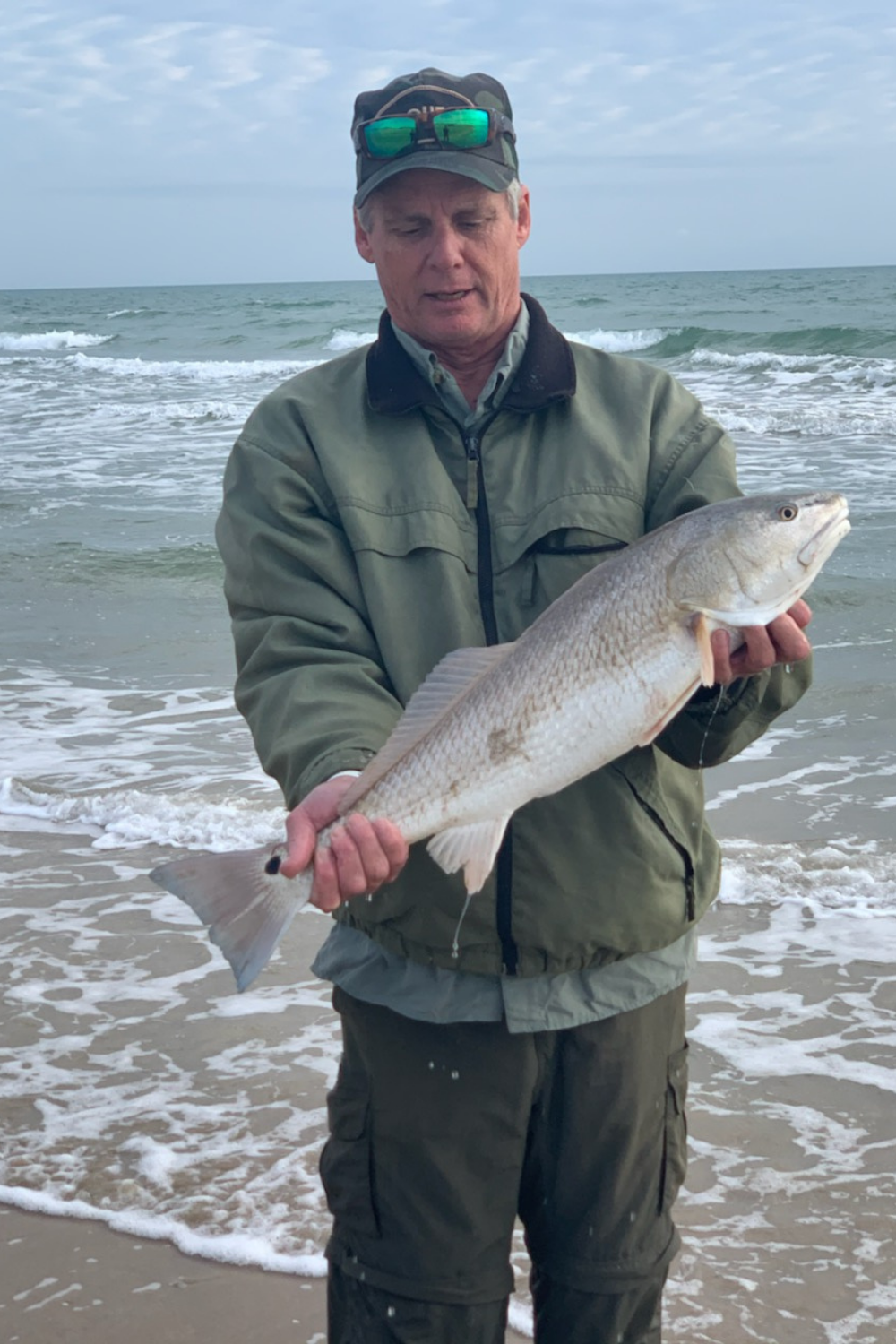
A life long surf fisherman with 50+ years of experience, I am also an avid hunter and outdoorsman. I will be sharing my passion for the outdoors with you so be prepared for hunting, fishing, camping, hiking and more. Along with gear reviews and the latest trends and innovations in the outdoor industry.