
Catching fall bull reds from the jetties has always been something I look forward to every year. When big red drum pile up along the rocks as temperatures drop, the action can be fast, and the fights are unforgettable. I want to share what has worked for me, the gear you need, and tips for success so you can make the most of the bull red run this fall.
QUICK LOOK: Tips and Tactics for Bull Reds from the Jetties
- Cut Mullet: My top choice for big reds. I like to slice finger mullet or larger mullet into chunks or steaks and thread them onto the hook so they look natural.
- Blue Crab: I use half a crab or cut blue crab, hooked through one of the legs or a joint. The scent draws in big drum even when the water is dirty.
- Live Bait: Live shrimp, pinfish, or mud minnows can attract a bite on slow days, but for bull reds, I still find that cut bait outperforms live options most of the time, especially in rough current.
- Deep Holes and Channels: Big reds congregate in deeper pockets, especially where the current swings around bends or breaks in the rocks.
- Current Lines: Places with moving water and visible current seams tend to hold more fish. Reds use these lines to ambush bait passing by.
- Bird and Dolphin Activity: If I see birds diving or dolphins feeding, I know there’s a good chance that baitfish and big reds aren’t far behind.
- Cast With the Current: I cast upcurrent and let my bait settle near the bottom, especially around tide changes. The incoming and outgoing tides both produce, but I tend to have more luck with stronger moving water.
- Work the Bottom: Bull reds hug the bottom. I use a Carolina rig so my bait sits just off the rocks and looks natural. A sliding egg sinker gives enough freedom for the bait to move with the current while keeping it in the strike zone.
- Be Patient: Sometimes it takes an hour or more for a school to come through, especially after a cold front when barometric pressure changes. I keep baits fresh and check them regularly until I find a rhythm.
- Use the Waves: When fighting a big red, I watch for large swells and time my pulls with the wave’s surge. The wave’s lift makes it easier to bring the fish over rocks and through rough surf.
Why the Jetties Are Prime for Fall Bull Reds
When redfish migrate in the fall, jetties become a go-to place because they offer both food and shelter. Bull reds follow schools of baitfish, mainly menhaden, mullet, and shrimp, as they pour out of the bays with every tide change. These jetties act like fishing highways, guiding the big fish into deep channels and holes where they stop to feed.
Typically, the action heats up from September through November. That’s the window when mature red drum are heading out to spawn. Over the years, I’ve seen the biggest fish hang out near the deepest holes, especially where strong current pushes bait up against the rocks. So I focus my efforts on those areas for the best shot at a trophy.
Gear and Setup for Jetty Bull Reds
Fishing for bull reds isn’t the same as chasing slot reds in the flats. These fish are powerful, and the current around the jetties can be intense. Sturdy gear and the right rig help you land more fish and avoid tackle failures.
- Rod & Reel: I use a long surf rod (around 10-12 feet) paired with a sturdy spinning reel. The longer rod lets me cast beyond breakers and gives me extra leverage for working fish away from rocks.
- Main Line: A braided line in the 30-50 lb test range keeps things simple. Braid holds up well in strong current and helps me detect bites, especially if I’m using heavier gear.
- Shock Leader: I tie on an 80 lb fluorocarbon or monofilament leader, about 3-5 feet. This protects my line from sharp rocks and barnacles.
- Sinkers: Strong tides demand heavy weights. I usually carry 8 to 10-ounce pyramid or spider sinkers to hold the bait right where I need it.
- Hooks: I stick with 7/0 to 9/0 circle hooks. Not only do they set themselves, but they also help with easy, healthy releases.
Having a big landing net is super important. It’s much safer for both you and the fish compared to trying to hoist a bull red by hand from slippery jetty rocks. In addition to the basic gear, I also bring a pair of fishing pliers, extra sinkers, and a small tackle box with backup hooks in case I lose gear to snags or toothy critters. A comfortable shoulder bag or backpack makes carrying your supplies much easier along the rocks.
Choosing the Best Bait for Fall Bull Reds
While I’ve caught bull reds on all sorts of things over the years, nothing beats fresh-cut bait. Here’s my short list of what works best:
- Cut Mullet: My top choice for big reds. I like to slice finger mullet or larger mullet into chunks or steaks and thread them onto the hook so they look natural.
- Blue Crab: I use half a crab or cut blue crab, hooked through one of the legs or a joint. The scent draws in big drum even when the water is dirty.
- Live Bait: Live shrimp, pinfish, or mud minnows can attract a bite on slow days, but for bull reds, I still find that cut bait outperforms live options most of the time, especially in rough current.
Freshness matters, so I usually stop by a local bait shop or catch my own bait before heading to the jetties. If the bait is still kicking, it’s more likely to get the attention of passing reds. Sometimes, I’ll add a little fish oil or scent attractant to the bait in tough conditions, helping draw the fish in when visibility is low.
Finding the Right Spot on the Jetties
Before even setting up, I spend some time watching the water and checking for clues. Here’s what I look for:
- Deep Holes and Channels: Big reds congregate in deeper pockets, especially where the current swings around bends or breaks in the rocks.
- Current Lines: Places with moving water and visible current seams tend to hold more fish. Reds use these lines to ambush bait passing by.
- Bird and Dolphin Activity: If I see birds diving or dolphins feeding, I know there’s a good chance that baitfish and big reds aren’t far behind.
Picking a spot that gives you a clear casting lane into these areas puts you ahead of the curve. I avoid crowded ledges or spots with too many snags. A few yards away from the main crowd can often mean less pressure and a more relaxed fishing experience. Try to avoid areas where boats run close to the rocks, as the extra disturbance can spook the fish or create safety issues for land-based anglers.
Proven Tactics for Jetty Bull Reds
Timing and presentation are everything when fishing the jetties in the fall. Here’s how I usually approach a typical outing:
- Cast With the Current: I cast upcurrent and let my bait settle near the bottom, especially around tide changes. The incoming and outgoing tides both produce, but I tend to have more luck with stronger moving water.
- Work the Bottom: Bull reds hug the bottom. I use a Carolina rig so my bait sits just off the rocks and looks natural. A sliding egg sinker gives enough freedom for the bait to move with the current while keeping it in the strike zone.
- Be Patient: Sometimes it takes an hour or more for a school to come through, especially after a cold front when barometric pressure changes. I keep baits fresh and check them regularly until I find a rhythm.
- Use the Waves: When fighting a big red, I watch for large swells and time my pulls with the wave’s surge. The wave’s lift makes it easier to bring the fish over rocks and through rough surf.
If conditions allow, I’ll also pack a couple of large jigs or swimbaits to toss around the ends of the jetties. On days when reds feed aggressively, these can draw reaction bites. I find that choosing eye-catching colors, especially flashy silver or chartreuse, often increases my odds of hooking up during cloudy or overcast conditions.
Know the Rules: Size Limits and Conservation
Red drum regulations are in place to protect the future of the fishery, especially since many bull reds caught in the fall are mature breeders. Here are the main points I keep in mind:
- In Texas, anglers can keep three red drum per day between 20 to 28 inches.
- One bull red (over 28 inches) may be kept per year with a Red Drum Tag.
- Bonus tags are available for additional fish, but they are also limited to one per license year.
- It’s important to check for any up-to-date regulations in your state or area before heading out. Rules can change, and staying informed prevents problems with local enforcement.
Releasing trophy bull reds is common and helps support the fish population. If you plan to release a fish, handle it with wet hands, use a landing net when possible, and get the fish back in the water quickly. Most bull reds swim away strongly when handled with care. Taking a quick photo before release ensures you have a lasting memory, but don’t keep the fish out of water too long.
Troubleshooting Common Challenges on the Jetties
Every trip to the jetties brings a unique set of challenges, many of which I’ve run into plenty of times. Here’s how I tackle the most common issues:
- Snags: Rocks and lost tackle go hand in hand. I keep my rigs simple and carry plenty of extra leaders and weights so I can get back in the water quickly if I lose gear.
- Rough Surf: I size up my gear and use the longest rod I can manage. Wearing sturdy shoes with good grip keeps me safe if I need to reposition on slick rocks, and rain gear or a windbreaker helps stay dry in spray or mist.
- Heavy Crowds: Jetty fishing is popular. Moving early or late in the day usually gives me more space and plenty of biting fish. I always respect my fellow anglers and try to fish with enough separation to avoid tangled lines or hard feelings.
Sometimes weather conditions or tides change quickly, so I pay attention to the forecast and keep an eye on rising waves, passing squalls, or sudden wind shifts. Extra caution goes a long way in a rocky, open-water setting.
Practical Tips for a Safe and Fun Jetty Experience
Fishing for bull reds should be exciting, but also safe and enjoyable. I always remind myself to watch my footing, use good lighting if I’m there before sunrise, and stow sharp tools in easy-to-reach places. Bringing more water and snacks than I think I’ll need keeps energy and morale up during long waits for the bite. Sunscreen and a hat are must-haves in sunny weather or even on cloudy days.
Most years, fall jetty trips deliver some of my best angling memories. With the right tackle, a smart approach, and some patience, bringing in a bull red from the rocks stands out as one of the most rewarding challenges I’ve taken on. I encourage anyone searching for the thrill of hard-pulling redfish to try a jetty run when the season comes around.
If you’ve not fished the jetties before, consider tagging along with a friend who’s been there, or chat with locals at the bait shop to get the lay of the land before you kick things off. The friendships and stories that come from these trips last just as long as the memories of your catch.
Frequently Asked Questions
What’s the best time of day to catch bull reds at the jetties?
Dawn and dusk are always productive for me, but the real trigger is moving water. I pick my times around incoming or outgoing tides for the best chances.
Is live bait or cut bait better for bull reds?
For big red drum at the jetties, nothing beats fresh cut bait, especially mullet or blue crab.
Do I need a special license or tag to keep a bull red?
In many areas, like Texas, you need a Red Drum Tag to legally keep a bull red over 28 inches. Check your local regulations before the trip.
Check Out Our Most Recent Articles:
- How To Choose A Saltwater Fishing Rod
- The Daiwa KAGE Inshore Rods
- Daiwa Free Swimmer Spinning Reel
- Daiwa Blackline Inshore Rods
- The Daiwa Saltist Back Bay Spinning Reel
- Shimano TR Triton Reel Review
As always, stay safe, enjoy the journey, and please try to leave it cleaner than you found it. If you have any comments, questions, ideas, or suggestions, please leave them in the comment section below, and I’ll get back to you ASAP. You can follow us on Facebook: Rex The Beach Angler, Instagram: thebeachangler7, Twitter: @AnglerBeach, and YouTube: Man Art Creations.
P.S. Thanks so much for checking out our blog; we really appreciate it. Just so you know, we may receive a commission if you click on some of the links that appear on our site. This helps us keep our content free and up-to-date for everyone. We appreciate your support!





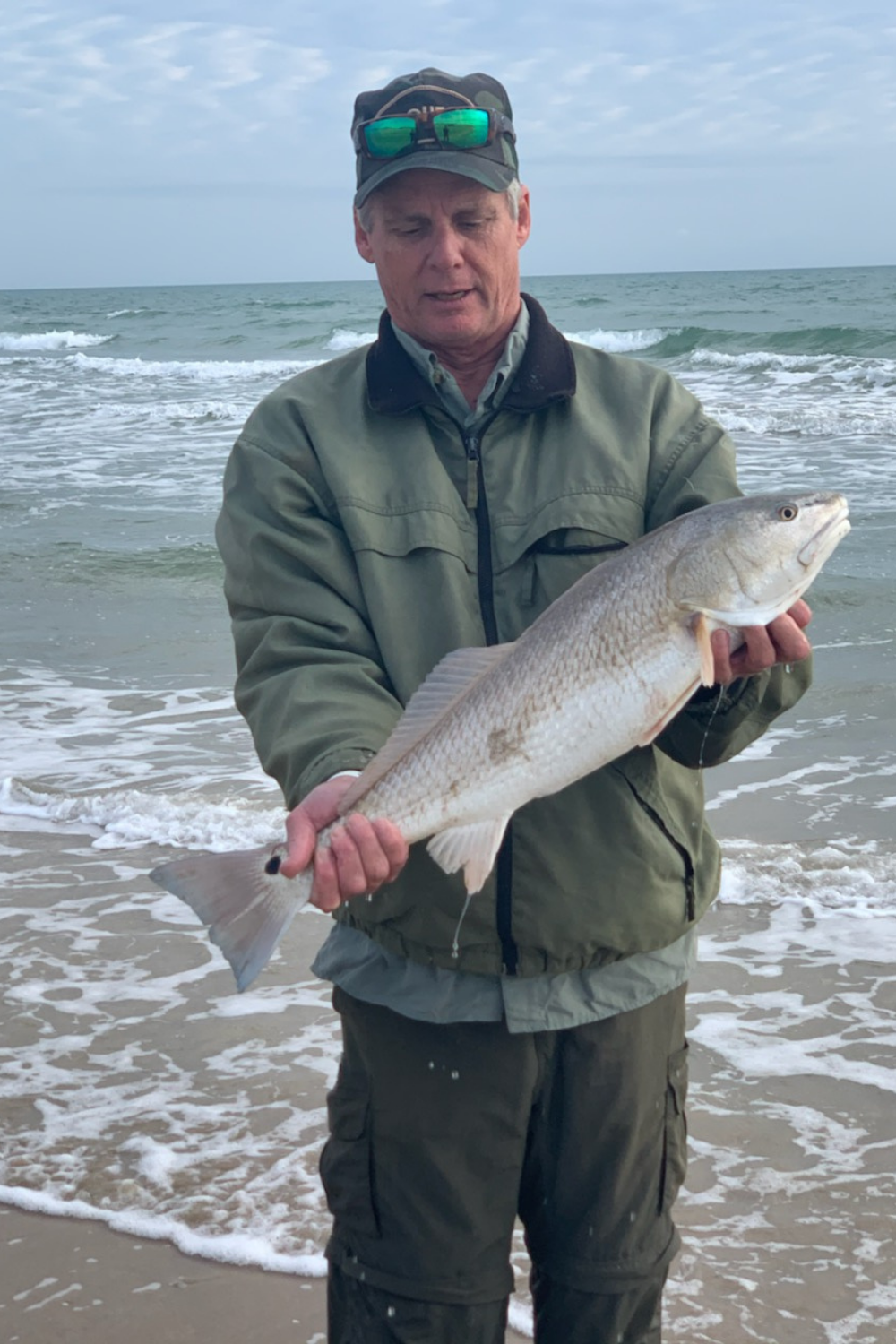
A life long surf fisherman with 50+ years of experience, I am also an avid hunter and outdoorsman. I will be sharing my passion for the outdoors with you so be prepared for hunting, fishing, camping, hiking and more. Along with gear reviews and the latest trends and innovations in the outdoor industry.