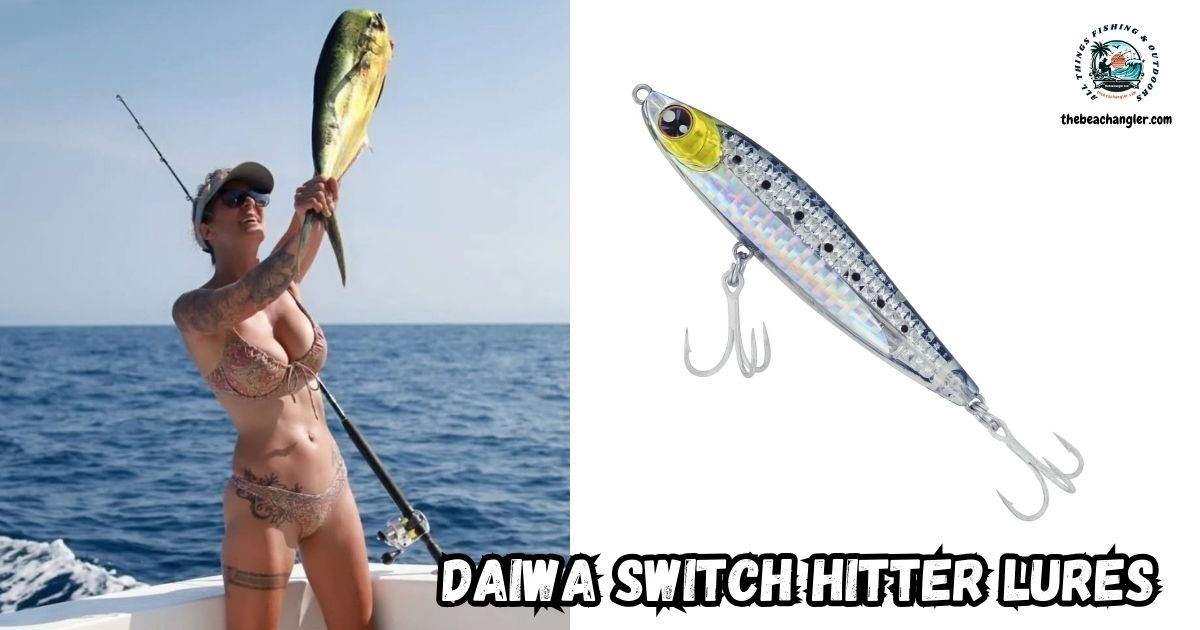
The Daiwa Switch Hitter lure has built quite a following among anglers, and I can see why. It’s not always easy to track down a pencil lure that holds up in so many circumstances, especially if you regularly fish pressured waters or deal with sudden weather and current changes. After using the Switch Hitter many times myself, I’ve spotted some unique characteristics that let me cover more water and trigger bites even when most other lures aren’t getting results.
QUICK LOOK: Standout Features of the Daiwa Switch Hitter Lures
- LASER IMPACT® Tech: Several Switch Hitter models use a 3D multi-reflection finish. This eye-catching, shimmering surface flashes light even in clouded or dusk-time water, helping me draw the attention of fish lurking further away.
- Rugged ABS Body: The ABS plastic is seriously tough. When working rocks, oyster bars, or hard structure, I don’t worry much about the lure getting banged up or splitting. That’s a big plus, since rough structure is where the big ones often hang out.
- Sturdy Treble Hooks: Daiwa fits these lures with strong BKK 3X trebles right off the shelf, so I don’t stress about running fresh hooks immediately. They’re strong enough for hard-charging seabass, red drum, and even bluefish if I stumble upon them.
- Depth Control Options: Sinking and floating versions let me target different parts of the water column on the fly. When surface action is hot, I stick with the floating style. If fish are marked down deeper or there’s a pushy tide, I tie on the sinking model and let the lure reach where I need it before starting my retrieve.
What Makes the Daiwa Switch Hitter an Angler’s Favorite?
Each time I cast the Daiwa Switch Hitter, I’m reminded just how versatile it is. Designed for long-distance casting, it lets me reach those fish that are feeding far from shore or hunkered down behind deep structure. Unlike some other pencil lures, the Switch Hitter has a standout slalom swimming action that really resembles a panicked baitfish darting away.
This S-curve motion is easy to work into my retrieve—just a simple, steady wind from my end causes the lure to dart and glide in a way that triggers bites, even from fish that seem extra finicky during slow periods. The first time I tossed it out on a blustery surf day, I immediately noticed how its slim but hefty profile slices through the wind, keeping the lure stable and preventing the tumbling that plagues many similar lures.
A lot of anglers mention how the Switch Hitter “casts like a jig,” and after putting it to the test, I’d have to agree. That trait is incredibly handy, especially whenever I need to cast across broad tidal flats or punch through foamy surf.
Key Performance Details: Casting, Action, and Versatility
Three main factors make the Switch Hitter stand out: how far it casts, the lifelike action it displays, and its broad adaptability to numerous fishing situations.
- Casting Distance: The sleek body shape and balanced weighting let me throw it farther than most pencil lures I’ve tried. This helps me reach schooling fish on the surface that are otherwise out of range, especially during fast-moving tide swings or when fish are lurking around distant drop-offs.
- Slalom Action for Strikes: The S-shaped swimming pattern activates with any steady retrieve. What I like most is how it seems to subtly “pause” or slide on its own, whether I’m cranking quick or slow. Those small zig-zags make it hard for predatory fish to pass up, even on days they’ve seen a parade of artificial baits.
- Wide Versatility: I’ve thrown the Switch Hitter everywhere—open surf, rocky jetties, tidal estuaries, and up the mouths of local rivers. It’s effective at slow or snappy speeds and can be fished on top, just below the surface, or down a few feet, depending on which version I pick. That means I don’t need to constantly swap lures as I move through different areas or when the bite window is short.
Design and Technology Features That Stand Out
The Daiwa Switch Hitter leverages some great technology and clever build choices. These elements give me more confidence to keep the lure tied on, even when the fish aren’t cooperating for long.
- LASER IMPACT® Tech: Several Switch Hitter models use a 3D multi-reflection finish. This eye-catching, shimmering surface flashes light even in clouded or dusk-time water, helping me draw the attention of fish lurking further away.
- Rugged ABS Body: The ABS plastic is seriously tough. When working rocks, oyster bars, or hard structure, I don’t worry much about the lure getting banged up or splitting. That’s a big plus, since rough structure is where the big ones often hang out.
- Sturdy Treble Hooks: Daiwa fits these lures with strong BKK 3X trebles right off the shelf, so I don’t stress about running fresh hooks immediately. They’re strong enough for hard-charging seabass, red drum, and even bluefish if I stumble upon them.
- Depth Control Options: Sinking and floating versions let me target different parts of the water column on the fly. When surface action is hot, I stick with the floating style. If fish are marked down deeper or there’s a pushy tide, I tie on the sinking model and let the lure reach where I need it before starting my retrieve.
Real-World Usage: Where and How the Switch Hitter Excels
Figuring out just how much ground I could cover made me appreciate a thoughtfully designed pencil lure. Whether I’m chasing seabass during a spring tide blowout or searching for trout around an inlet, I know this lure gets the job done. These situations really show their strengths:
- Surf and Rocky Edges: The long casting allows me to send the lure over turbulent waves to hit fish feeding in the whitewater. Its burly construction stands up to the occasional rock strike or scrape.
- Estuaries and River Intakes: On glassy mornings, the subtle, sliding movement teases strikes from fish that are no strangers to lure pressure. Slow retrieves above submerged cover, imitating wounded mullet, can be especially productive.
- Tide Flats: In shallows, particularly around dawn or dusk, the floating version mimics local baitfish feeding up top. Working it slowly replicates disoriented or injured prey.
- Dock and Structure Presentations: The horizontal fall of the sinking style is great for hopping around pilings, slips, or under boats, right where predatory fish wait to ambush.
Regarding species, my main targets are seabass, but I’ve also picked up red drum and speckled trout—especially with the smaller 85mm and mid-size 105mm variants. Matching the lure’s size and finish to whatever baitfish are around often makes my day more productive when fish stubbornly ignore bigger or flashier lures.
Sizes, Weights, and Color Choices
The Switch Hitter comes in a handful of lengths and weights. My kit usually includes the 85mm size at about 20g, the go-to 105mm at 27g, and sometimes the larger 120mm version. This variety helps me match my approach to whatever forage is around.
When anchovies or tiny shad show up, the smaller profile fits right in, while the bigger models are spot-on for sardines or mullet. With colors, I stick to “Lemon Back” or “Laser In Sardine” in sunny, clear conditions to take advantage of their natural flash. For rougher, murky water or nighttime outings, “Mat Tiger” and “Laser Red Head” provide a nice, solid profile.
The multi-reflective finishes become especially useful in low light, throwing off just enough shine to tempt a wary predator. Carrying different shades lets me pivot quickly when skies cloud over or the water color changes without wasting precious minutes retying or guessing.
Expert and User Reviews
I initially learned about the Switch Hitter thanks to a buddy who considered it a secret weapon during tough seabass sessions. I’ve since read online reviews from sources like Tackle Tactics and Fishing Tackle Retailer, and almost every angler highlights the lure’s unique S-pattern swim and consistent ability to get bites when other lures fall flat.
My own experiences echo those opinions: it’s rare for a day to go by when this lure doesn’t raise at least a few fish, even in slow conditions. The consensus is clear. It’s easy to use—just wind steadily, with an occasional pause or small twitch.
A lot of anglers, including experienced guides, reach for it when covering wide-open water or breaking in new territories. As one reviewer said, “The Switch Hitter opened my eyes to what pencil lures can do. Now I’ve always got one rigged and ready.”
Points to Consider Before Picking One Up
The Switch Hitter brings a lot to your tackle arsenal, but here are a few things I think about before bringing a set on a trip:
- Rod Choice: The heavier versions perform best on medium or medium-heavy spinning rods. Using short or ultra-light rods will hurt both your casting and the lure’s unique action.
- Hardware Maintenance: While factory hooks are solid, a little rinsing and the occasional sharpening after saltwater days goes a long way toward keeping them sharp.
- Cost: All those rugged materials and features put the Switch Hitter just above budget picks, but I find it well worth the price for the life and performance you get out of it.
- Color Range: It pays to carry more than one pattern. I tend to bring both a natural baitfish and an eye-catching color so I can easily respond to changing conditions.
Distance, Action, and Adaptability Make the Daiwa Switch Hitter a Standout
Daiwa’s Switch Hitter nails that rare combination of casting reach, lively swimming dynamics, and robust color range, all tailored to the needs of today’s inshore angler. On hard-fished docks, broad flats, and bustling weekend water, it gives me fresh angles to present a lure—whether bombing it out past the break, slowly sliding it over shallow sand, or dropping it into little holes along structure.
Frequently Asked Questions
What’s the difference between the sinking and floating Switch Hitter models?
The sinking model lets me work the lure deeper, perfect for pushing it through strong currents or presenting vertically around structure. The floating version is for fishing on or just beneath the surface, especially in shallow flats or when baitfish are getting corralled at the top.
How do I choose the right size and color?
Try to match the lure size to the local baitfish. When picking colors, use brighter and more reflective options in clear water or sunny weather, switching to quieter or dimmer colors for murky or night fishing.
Is this lure only effective for seabass?
While it’s definitely popular among seabass anglers, I’ve hooked plenty of red drum, trout, and other inshore gamefish with it, especially around moving water where fish are waiting to ambush prey.
Wrapping Up with the Daiwa Switch Hitter Lures
The Daiwa Switch Hitter truly expands your options in tough or changing fishing conditions. With its casting power, lifelike swim pattern, and trustworthy toughness, it helps me handle some of the biggest challenges on the water. I’ve never regretted making room for a few in my tackle bag, and they consistently deliver reliable performance—especially on those tricky days when every bite counts.
As always, stay safe, enjoy the journey, and please try to leave it cleaner than you found it. If you have any comments, questions, ideas, or suggestions, please leave them in the comment section below, and I’ll get back to you ASAP. You can follow us on Facebook: Rex The Beach Angler, Instagram: thebeachangler7, Twitter: @AnglerBeach, and YouTube: Man Art Creations.
Check Out Our Most Recent Articles:
- How To Choose A Saltwater Fishing Rod
- The Daiwa KAGE Inshore Rods
- Daiwa Free Swimmer Spinning Reel
- Daiwa Blackline Inshore Rods
- The Daiwa Saltist Back Bay Spinning Reel
- Shimano TR Triton Reel Review
P.S. Thanks so much for checking out our blog; we really appreciate it. Just so you know, we may receive a commission if you click on some of the links that appear on our site. This helps us keep our content free and up-to-date for everyone. We appreciate your support!





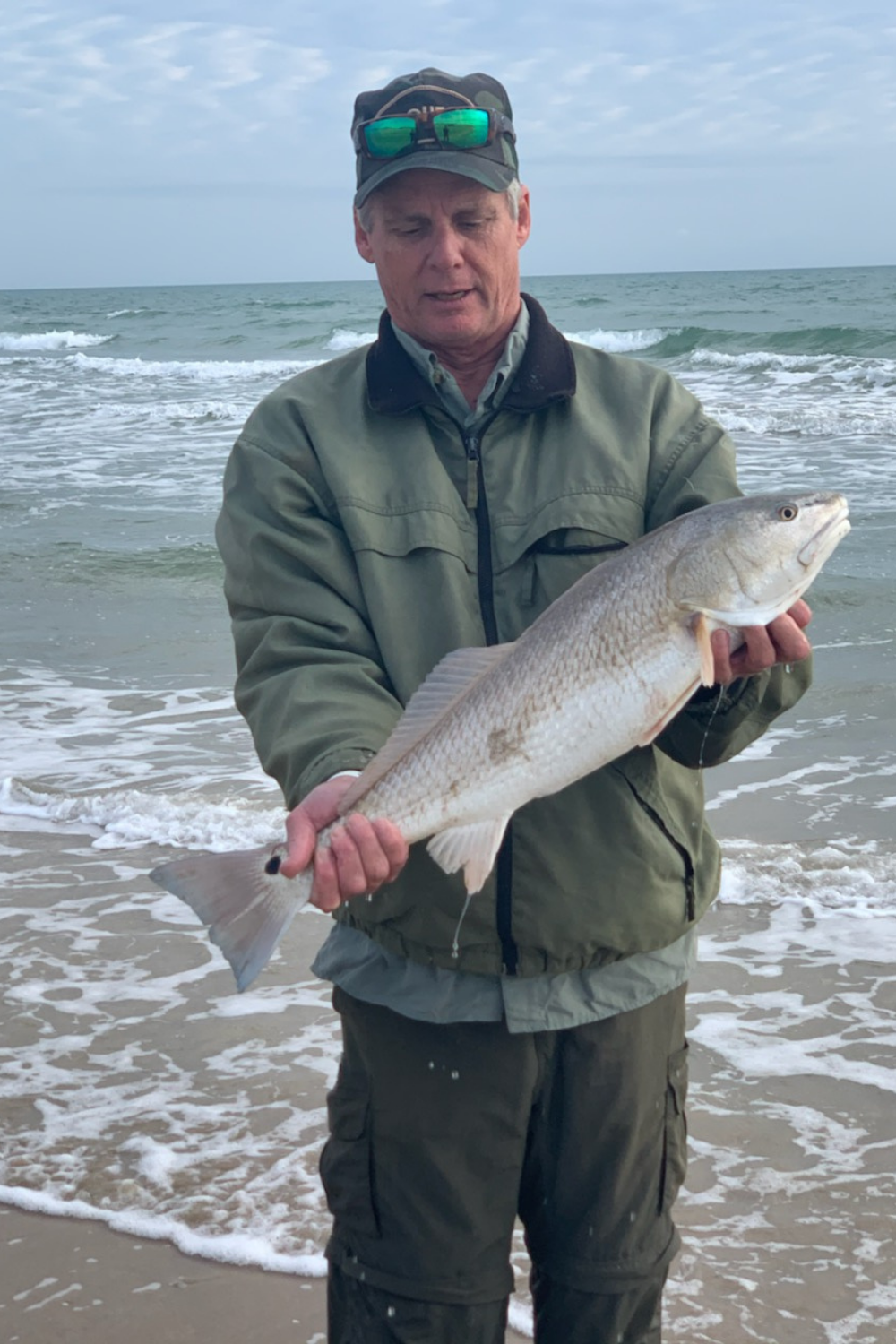
A life long surf fisherman with 50+ years of experience, I am also an avid hunter and outdoorsman. I will be sharing my passion for the outdoors with you so be prepared for hunting, fishing, camping, hiking and more. Along with gear reviews and the latest trends and innovations in the outdoor industry.