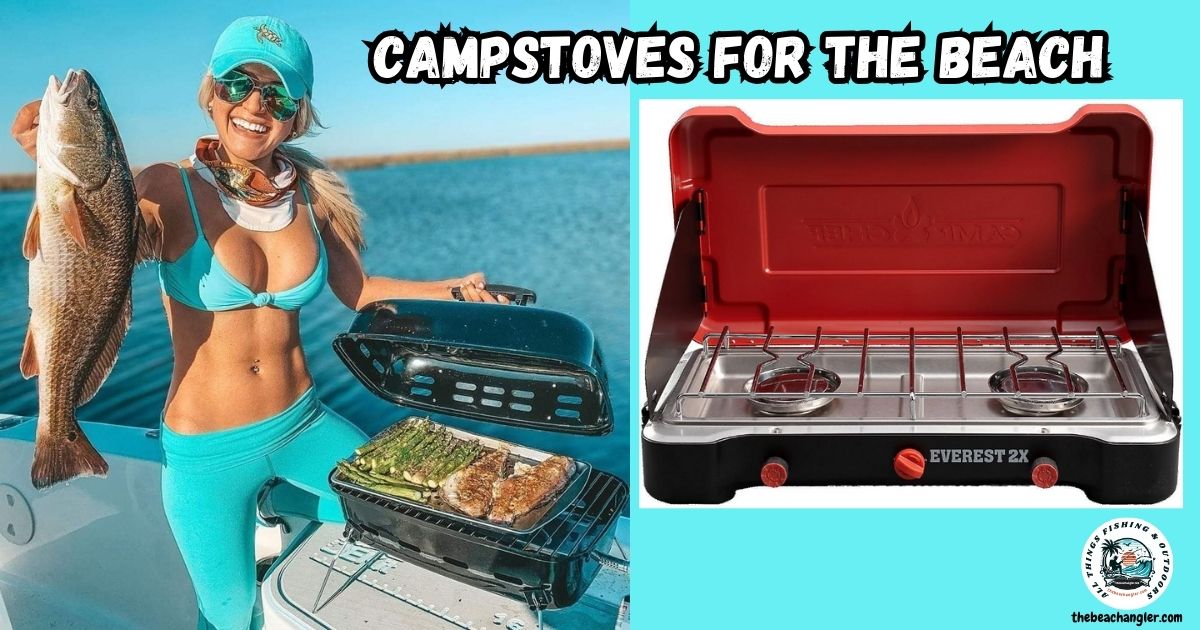
Picking the right camp stoves can truly set the mood for smooth, tasty meals, while the wrong one can make things unnecessarily difficult. In this guide, I’m sharing what I’ve learned about selecting, setting up, and making the most of camp stoves for an easygoing, memorable beach cooking experience.
QUICK LOOK: Tips for Choosing and Using Camp Stoves for Beach Camping
- Wind Protection: Camp stoves with built-in windscreens or designs that hug and cover the burner stay lit even when breezes pick up. This means fewer interruptions and more even cooking.
- Portability: On beaches that require hauling gear over sand, a lightweight stove and a compact fuel setup are critical. Still, car campers can bring a multi-burner or bigger stove for group meals.
- Stability: Wide bases and nonslip feet help keep the stove firmly planted on shifting sand. Stoves with detachable legs can stay stable on uneven ground, while rubber feet stop sliding and limit tip-overs.
- Cleaning Ease: Removable grates, drip trays, and an overall simple design stop sand from gunking up moving pieces. Fast cleanup saves time and protects your stove.
- Choose a spot well above the high tide line, so waves and rising water don’t threaten the kitchen setup.
- Shield the stove from wind with a natural windbreak like driftwood, a cooler, or even a parked car. Staying out of direct wind keeps flames steady and fuel use down.
- Put the stove on a solid, flat surface, like a folding table or sturdy cooler lid. For smaller stoves, even a thick cutting board or sheet of plywood can smooth the way.
- Spread a tarp, blanket, or big towel beneath the entire cooking area, catching sand before it ends up in food or stove parts.
- Always check fire regulations with rangers or online sources, especially during dryness or wind warnings. Safety rules can change without notice.
Beach camping offers a refreshing mix of adventure and relaxation, and one of the biggest joys for me is cooking right by the waves. Sizzling up a meal on the shore is an experience like no other, but it does come with its own set of challenges. The wind can be strong, sand loves to get into everything, and gear needs to be portable.
Understanding Camp Stoves for Beach Camping
A beach is way more unpredictable than a regular campground in the woods. Strong and shifting wind, plentiful sand, moisture, and sometimes limited access can mess with a stove and dinner plans. What I need most is a stove that offers steady flames, is simple to clean, and won’t blow away or tip over.
The first thing I consider is how I’ll get to my camp spot and what I want to eat. If parking is close to my campsite, I can go with a roomier propane stove. But for longer hauls across dunes and soft sand, lighter is always better—a single-burner butane stove or a compact canister stove is the way to go. Whenever woodburning stoves seem tempting, I always check for local fire rules before setting anything alight, as some beaches do not allow open flames.
Another thing I pay attention to is group size. Cooking for friends and family usually needs a two-burner setup. If it’s just me or another person, a single burner is perfectly fine and easier to pack. Thinking about these details saves headaches later.
Key Features I Look For in Beach Camp Stoves
Years of experience have taught me to focus on a few core features that make a camp stove perfect for the beach. Here’s my personal checklist:
- Wind Protection: Stoves with built-in windscreens or designs that hug and cover the burner stay lit even when breezes pick up. This means fewer interruptions and more even cooking.
- Portability: On beaches that require hauling gear over sand, a lightweight stove and a compact fuel setup are critical. Still, car campers can bring a multi-burner or bigger stove for group meals.
- Stability: Wide bases and nonslip feet help keep the stove firmly planted on shifting sand. Stoves with detachable legs can stay stable on uneven ground, while rubber feet stop sliding and limit tip-overs.
- Cleaning Ease: Removable grates, drip trays, and an overall simple design stop sand from gunking up moving pieces. Fast cleanup saves time and protects your stove.
All these features help make prepping, cooking, and cleaning on the beach hassle-free, so there’s more time to soak up the ocean air instead of fighting sandy burners.
Popular Camp Stoves for the Beach
Depending on the setup—whether it’s solo or group, remote or developed beach—different stoves shine. These options have stood the test of many sandy outings:
Top Propane Camp Stoves for Beach Camping
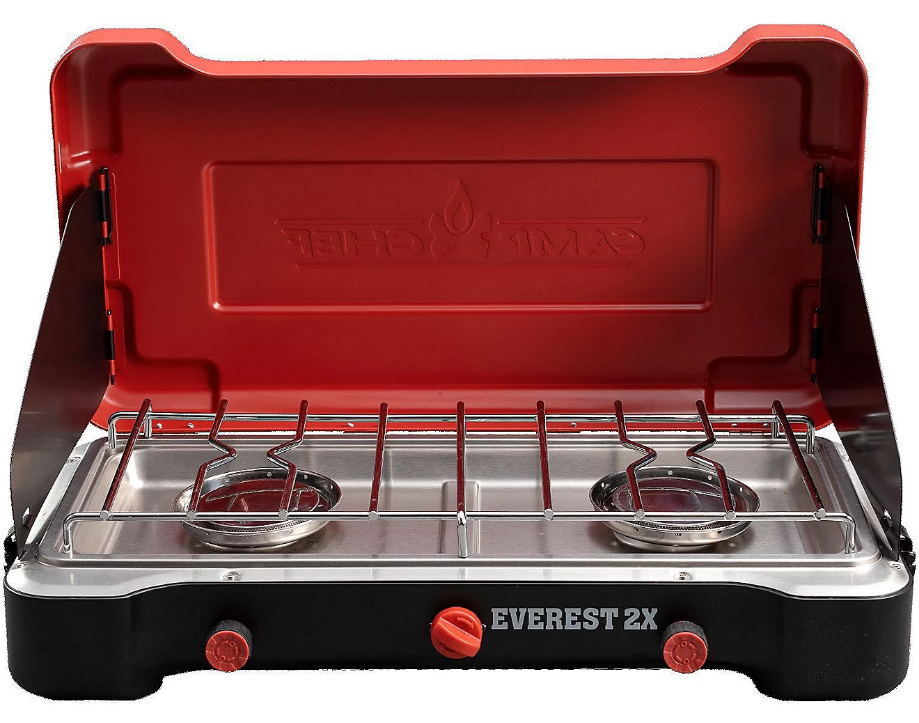
Camp Chef Everest 2X:
This two-burner remains a top pick for group trips. With high heat output (20,000 BTUs per burner), it makes boiling, frying, or simmering big pots easy. Its wind guards really get the job done, and removable drip trays make post-meal cleaning simple.
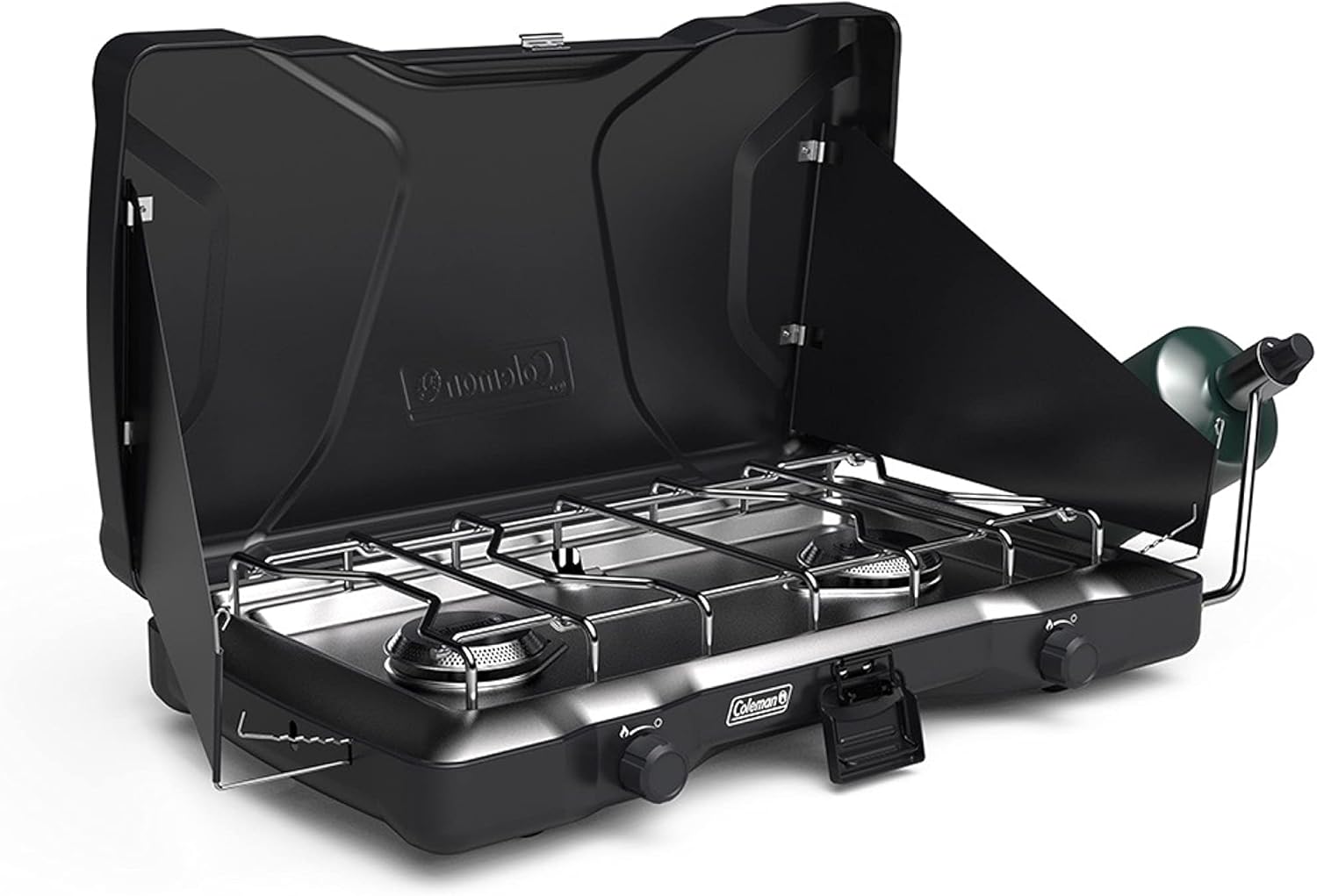
Coleman Classic Propane Camping Stove:
A staple for reliability without breaking the bank. The two-burner design, sturdy grate, and solid side windscreens make it a regular for campers everywhere. I have been using one for nearly 20 years, and it still works like a champ.
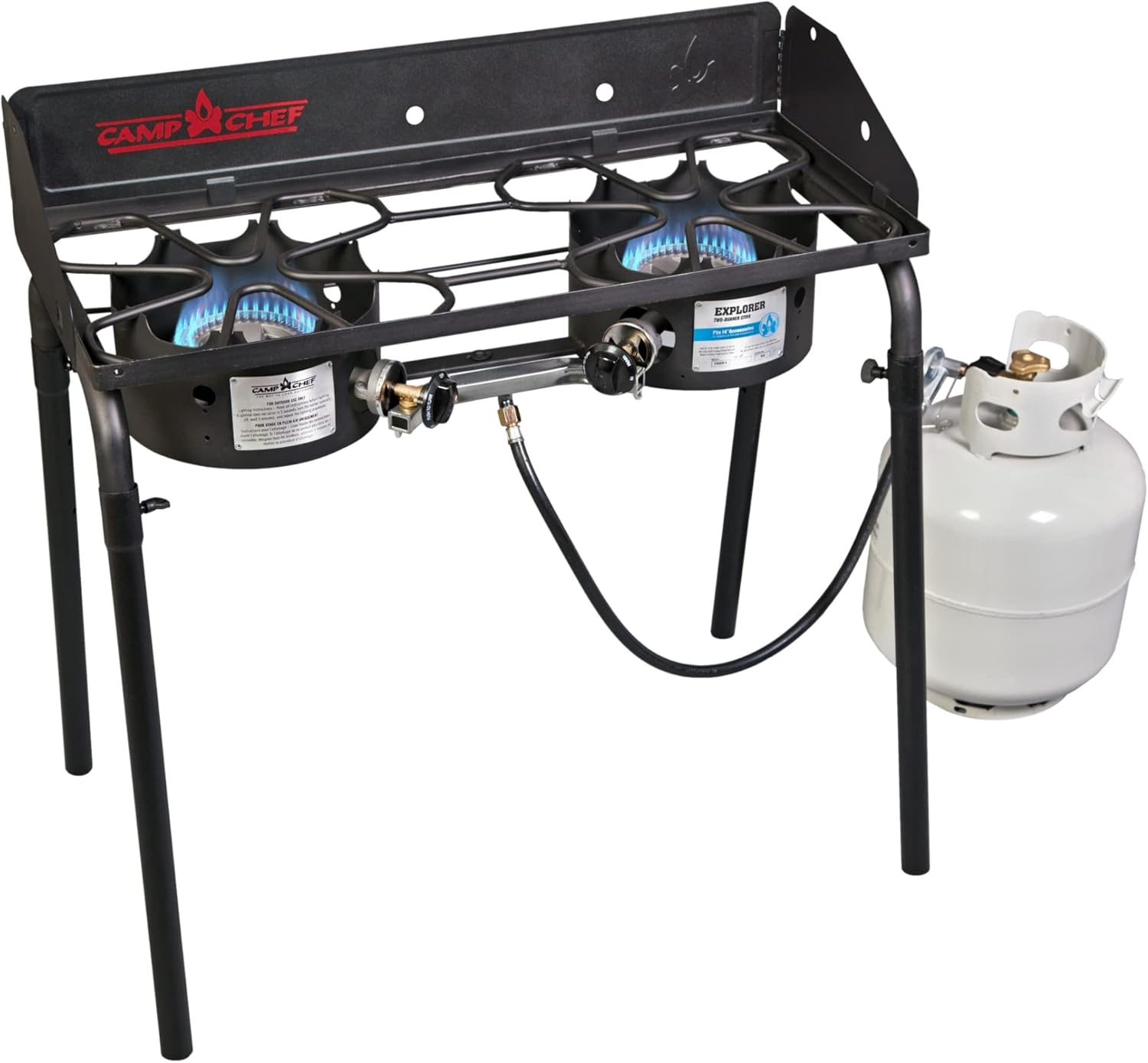
Camp Chef Explorer 2-Burner Stove:
Made for bigger crowds and seafood feasts, this one comes with detachable legs for better stability on sand. The three-sided windscreen helps hold heat in. It’s a bit bulkier, so I use it when car access is close by. These Camp Chef Stoves will last you a lifetime.
Top Canister and Dual Fuel Camp Stoves for Beach Camping
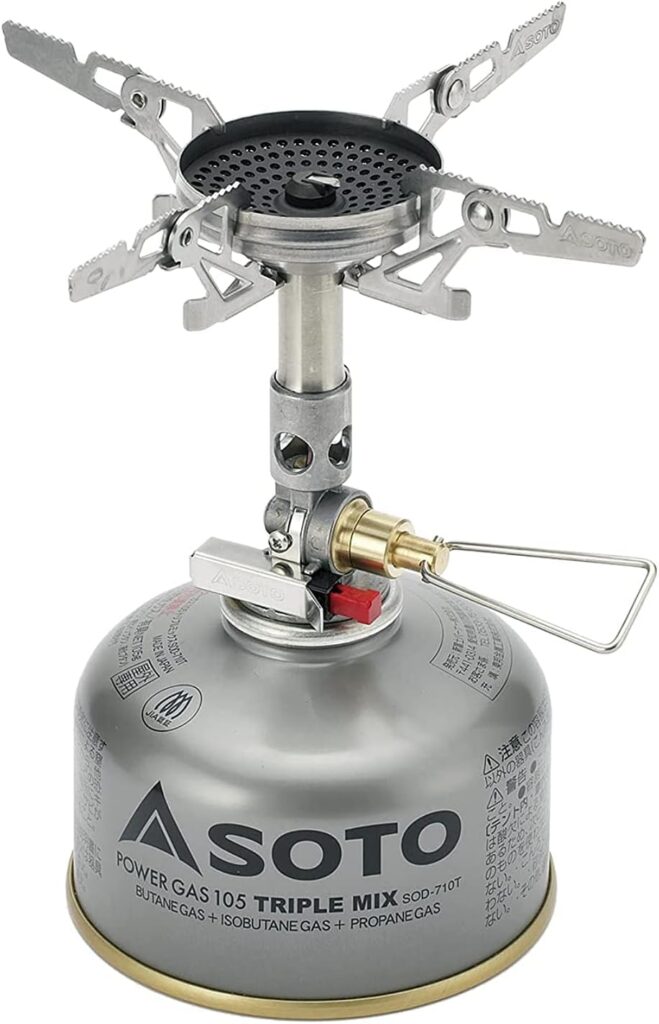
SOTO WindMaster Stove:
For solo beach campers, backpackers, or anyone hiking to a remote site, this lightweight stove handles the wind surprisingly well and brings water to a boil quickly. Great for making morning coffee fast or whipping up a quick meal high above the tide line.
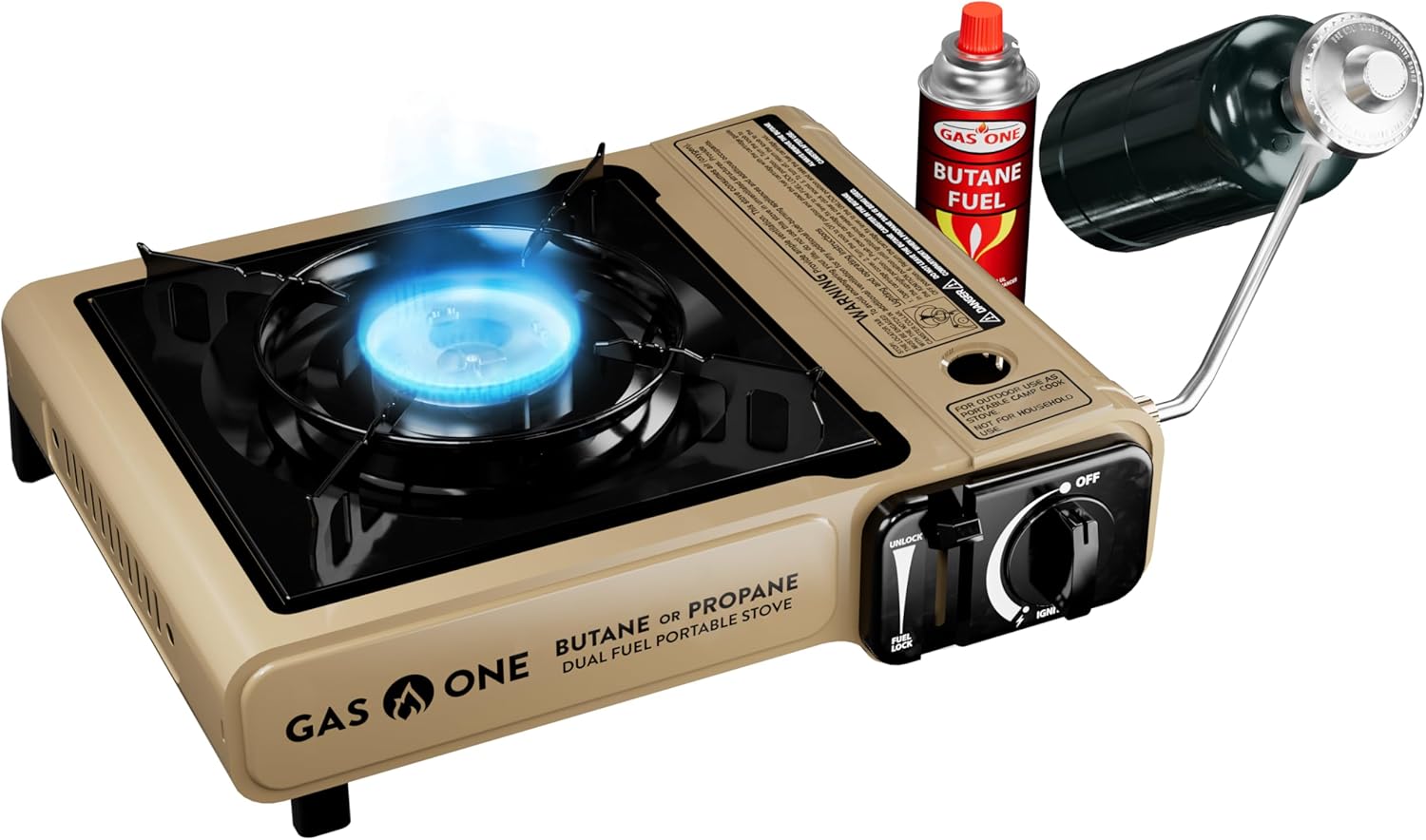
Gas One GS-3400P Dual Fuel Stove Portable Camping Stove
Sometimes all I need is a simple, budget-friendly single-burner stove. This one is super easy to pack and goes wherever I need a quick meal break. Plus, its carrying case keeps sand out in transit. Compatible With Both Butane And Propane Fuel, Operates On A Single Butane Cartridge 8 Oz Or A Propane Cylinder 16.4 Oz, Propane Converter Regulator Included.
Wood Burning Camp Stove for Beach Camping
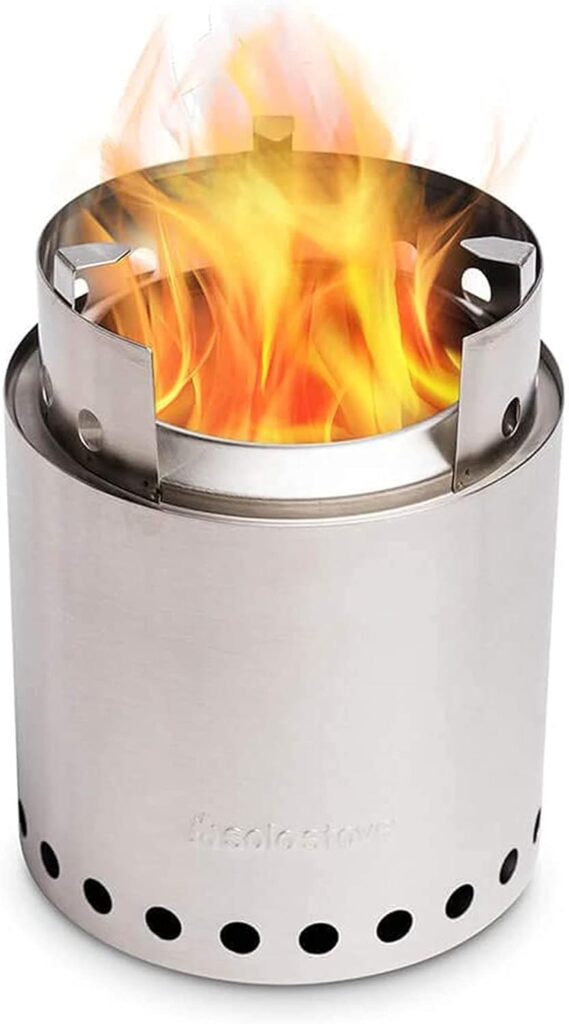
Solo Stove Campfire Stove:
For those who want a “real” flame and that classic campfire feel, this woodburning stove fits the bill. If conditions allow, fires and dried twigs are easy to find; they can create a cozy cooking vibe. But always double-check local rules before using any open flame on the beach.
Setting Up and Cooking Safely on the Beach
Being by the ocean makes things more interesting, so safety takes priority—both for my gear and for the surrounding area. Here’s what I always do to keep things safe and comfortable:
- Choose a spot well above the high tide line, so waves and rising water don’t threaten the kitchen setup.
- Shield the stove from wind with a natural windbreak like driftwood, a cooler, or even a parked car. Staying out of direct wind keeps flames steady and fuel use down.
- Put the stove on a solid, flat surface, like a folding table or sturdy cooler lid. For smaller stoves, even a thick cutting board or sheet of plywood can smooth the way.
- Spread a tarp, blanket, or big towel beneath the entire cooking area, catching sand before it ends up in food or stove parts.
- Always check fire regulations with rangers or online sources, especially during dryness or wind warnings. Safety rules can change without notice.
Taking a moment to set up properly means less cleanup and fewer surprises once lunch or dinner rolls around.
Extra Tips for Enjoyable Beach Cooking
Little tweaks to how I cook and clean up on the shore have made a big difference in enjoying the experience. Here are several tricks I use to keep sand at bay and meals stress-free:
- Use high-sided pots and pans. Taller cookware helps keep windblown sand and grit out of the meal.
- Bring along a small brush or an old paintbrush to sweep away stray sand before lighting the stove or opening pots and lids.
- Pack stove fuel, matches, cooking utensils, and dish items in sealed bags or hard containers to protect everything from wind and sand.
- Keep things simple by batch cooking or doing one-pot meals. Fewer dishes mean less mess to clean and not as much risk of sand sneaking into the food.
- Let gear cool after cooking, then rinse with bottled water. This step avoids dragging gritty sea sand into the stove’s moving parts and burners.
These tips—learned the hard way—save me plenty of hassle and keep my cooking fun and relaxed.
Common Questions About Beach Camp Stoves
Anyone new to beach camping or thinking about upgrading gear often wants answers to some key things I used to ask:
Which stove fuel works best on windy beaches?
Propane tends to offer strong, steady flames, but a butane or isobutane stove with good wind protection can hold its own in milder breezes. The critical part is using stoves designed for breezy conditions, with a heat shield from the wind.
How do I keep sand out of my stove?
Setting up on a hard, raised surface is the first step. Use tarps beneath cooking zones and keep lids on everything that isn’t in use. Always give the stove and burners a quick wipe before lighting up to get rid of any stray grains.
Can I use a wood-burning stove on any beach?
Sometimes, but it all depends on local fire rules and conditions. Open flames are often restricted during dry or windy periods. Only use a woodburner where it’s clearly allowed, with plenty of dry material, and always clean up afterward.
Practical Gear to Boost the Beach Cooking Adventure
Choosing the right stove is only one part of the recipe for an epic shore meal. Here’s the supporting gear that I always bring to keep things simple and on track:
- Folding tables: Lift the stove and food off the sand, adding comfort and control to the cooking process.
- High-sided pans: These help block sand from blowing into your food and keep sauces and stews in check, even on breezy evenings.
- Reusable water jugs: Always bring more water than you think you’ll need for cleaning, cooking, and emergency rinsing if sand finds its way into a pot or pan.
Other essentials in my beach cooking kit? Heavy-duty gloves for handling hot pots, a lidded dishwashing tub, and extra garbage bags so I can pack out all food scraps and trash. Cleaning up right means leaving the sand as pristine as I found it, letting other campers enjoy the shore just as much as I did.
Whether you’re new to beach camping or looking to take your shoreline meals up a notch, the right stove, a few practical items, and some simple habits make all the difference. With the right prep, you’ll spend more time soaking up sunsets and less time fussing with sandy burners or gear.
Check Out Our Most Recent Articles:
- Why Do Anglers Use Different Types Of Fishing Lines For Saltwater Fishing?
- Why Are Tides Important In Surf Fishing?

- Understanding Fish Behavior To Improve Your Fishing

- How To Choose The Right Reel For Saltwater Fishing
- Emerging Trends In Saltwater Fly Fishing

- How To Choose A Saltwater Fishing Rod

As always, stay safe, enjoy the journey, and please try to leave it cleaner than you found it. If you have any comments, questions, ideas, or suggestions, please leave them in the comment section below, and I’ll get back to you ASAP. You can follow us on Facebook: Rex The Beach Angler, Instagram: thebeachangler7, Twitter: @AnglerBeach, and YouTube: Man Art Creations.
P.S. Thanks so much for checking out our blog; we really appreciate it. Just so you know, we may receive a commission if you click on some of the links that appear on our site. This helps us keep our content free and up-to-date for everyone. We appreciate your support!





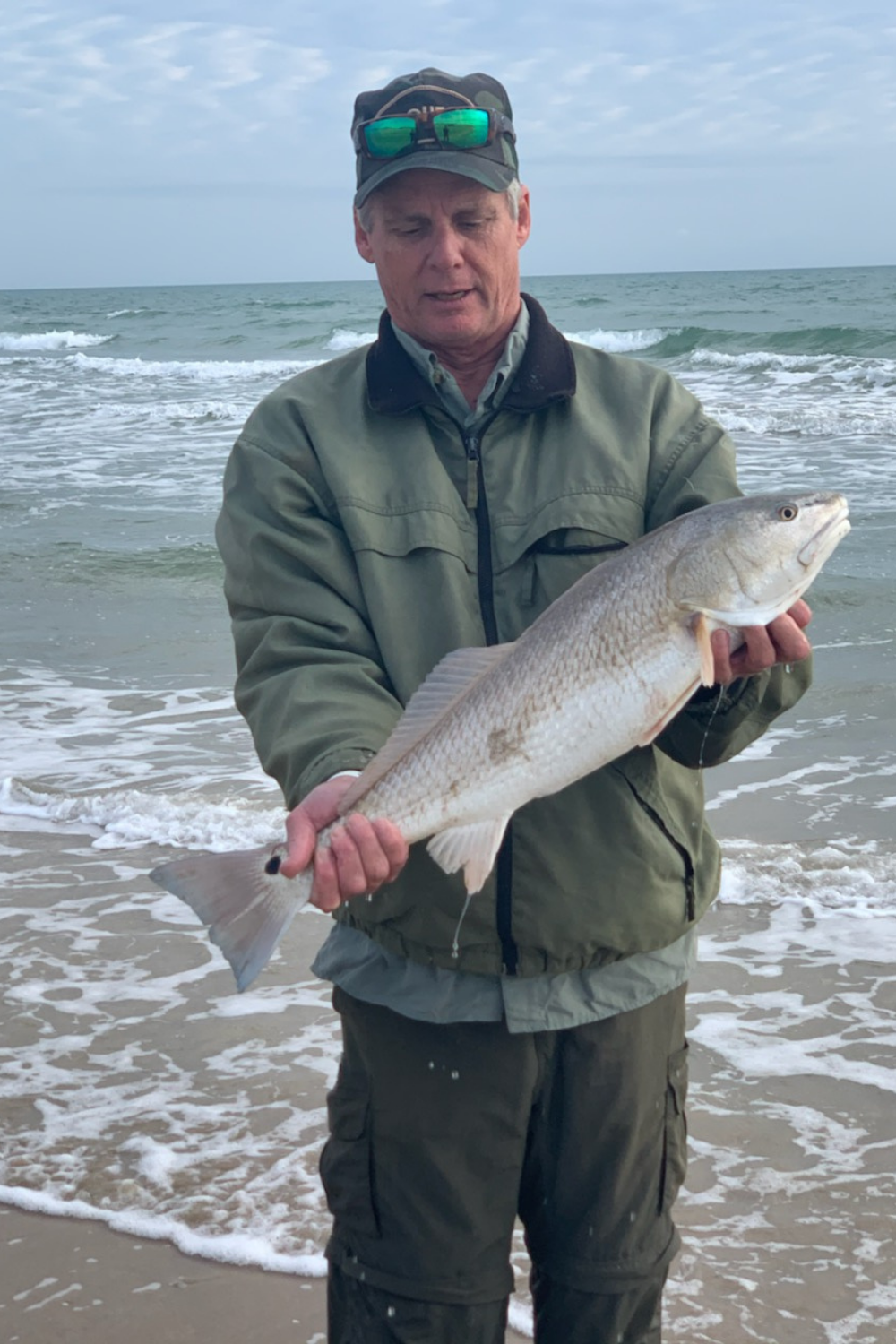
A life long surf fisherman with 50+ years of experience, I am also an avid hunter and outdoorsman. I will be sharing my passion for the outdoors with you so be prepared for hunting, fishing, camping, hiking and more. Along with gear reviews and the latest trends and innovations in the outdoor industry.