
Sturgeon fishing in California is a truly unique adventure, drawing in anglers looking for a challenge while soaking in the state’s most beautiful waterways. California’s rivers—especially the Sacramento and San Joaquin River Delta—are well known for thriving sturgeon populations.
QUICK LOOK: Tips and Tactics for California Sturgeon
- Fish the tides: Arrive early before a moving tide so your scent-laden bait has the best chance to be carried by the current to waiting sturgeon.
- Cast upstream: Throw your rig up-current and let it drift until the sinker holds at the bottom in the deepest part of your chosen area.
- Be patient and watchful: Set your rod in a holder and watch the tip. Sturgeon bites are subtle—in the beginning, you might just notice light taps as the fish “mouths” the bait.
- Recognize the right moment: Real bites feel like steady, strong pulls rather than quick, sharp movements. Wait for this before picking up your rod for a solid hookset.
- Hookset with circles: With circle hooks, just lift firmly and reel in slowly instead of using a hard jerk.
These ancient, mysterious fish can grow to eye-catching sizes, making every hookup memorable. With strict conservation rules in place to protect this sensitive species, it’s vital to be prepared with the right baits, gear, strategies, and a solid knowledge of current fishing regulations.
Understanding California Sturgeon
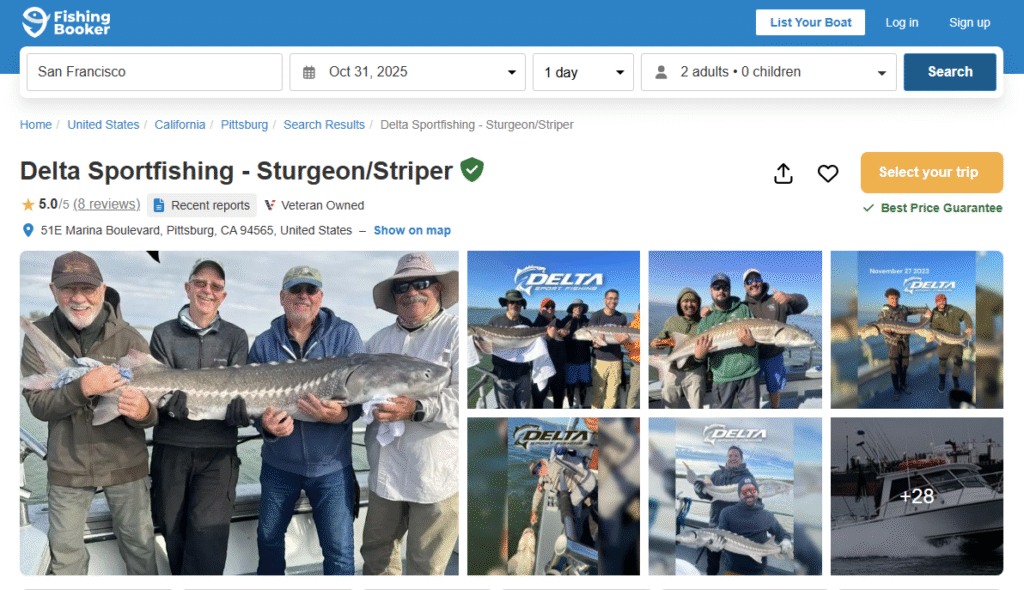
Sturgeon are among the oldest creatures swimming in North American waters. In California, you’ll hear about two main types: the white sturgeon, a prize catch for anglers, and the green sturgeon, which is on the threatened species list. White sturgeon can live for decades and reach lengths that rival a pickup truck—an impressive sight for any fisherman.
These fish spend much of their lives in brackish water, moving back and forth from the Pacific Ocean into California’s freshwater rivers. Their slow growth and long lifespans are major reasons for the strict rules that protect them. As of October 2024, all anglers must release any white sturgeon immediately after landing it. The way you handle these fish really matters—supporting the fish and keeping it wet greatly gives a boost to its chances of survival.
Best Spots for Sturgeon Fishing in California
If you’re hoping to track down sturgeon, the tidal rivers, deep channels, and sloughs of the Sacramento-San Joaquin Delta system are prime locations. Suisun Bay, Montezuma Slough, and the deepwater channel below Rio Vista are time-tested hotspots where many anglers have luck landing these giants.
Timing is key. Target moving tides, since an incoming or outgoing tide washes fresh scent into the current, which entices sturgeon to start feeding. These fish travel over the muddy bottoms of deep channels, shelves, and holes—always using the current to find their meals. Places where deep water meets a sharp drop-off are usually productive escapes for sturgeon.
If you haven’t had a bite after 30 to 45 minutes, it’s usually best to move. Since sturgeon are always on the roam, being flexible in your choice of spot can make the difference between success and going home empty-handed.
Top Baits and Attractants for Sturgeon
Sturgeon use their sense of smell as their main way to find food. For the best results, use fresh, oily, and strong-smelling baits, especially during times when the current is running. These baits help your scent trail reach sturgeon further away and really give a boost to your chances at a bite.
- Ghost shrimp and pile worms: These small, fragrant critters are classic favorites in the Delta and have saved more than one slow fishing trip. Most local tackle shops have them nearly all year round.
- Cut baitfish: Smelt, herring, and sardines are fantastic because they’re packed with oil and can easily be cut into attractive chunks. Their smell travels well, and sturgeon can’t seem to resist.
- Salmon roe: When salmon are spawning, sturgeon follow the scent. Cured salmon eggs are an especially popular choice and stand out when the water is filled with natural scents.
- Cocktail baits: Mix and match. Try a chunk of salmon roe on the same hook as a nightcrawler—the blended scent trail seems to attract even wary sturgeon and has helped me turn around a slow day more than once.
- Commercial attractants: Scent oils, such as Pro-Cure Sturgeon Frenzy, can be used to add a little extra smell to your bait, which never hurts your chances.
Gear and Rigging for California Sturgeon
Chasing sturgeon is a step up from catching smaller fish at the local pond. These are some of the biggest fish you’ll hook in freshwater, so reliable, sturdy gear is a must.
- Rod and Reel: Choose a heavy-duty rod between 6 and 9 feet with lots of backbone and just enough tip sensitivity to spot subtle nibbles. Pair it with a big baitcasting or a strong conventional reel that can hold plenty of heavy line and handle big runs.
- Main Line: A braided line rated at 80–100 pounds is the standard. It slices through the current better than thicker monofilament, and its no-stretch quality helps you notice even gentle taps from a cautious sturgeon.
- Leader and Rig: Most anglers run a sliding sinker setup. This rig uses a sliding sinker (from 4 to 12 ounces) above a heavy swivel and a thick, 18–24 inch leader made from 80–100 pound mono or fluorocarbon. The sliding sinker keeps the line slack; when a sturgeon picks up your bait, it won’t feel the weight right away.
- Hooks: Only use strong circle hooks—between 7/0 and 10/0 sizes—as they’re required in most California waters. These hooks help ensure that most hookups are in the side of the mouth, which is much safer for releasing fish.
Techniques and Tactics for Sturgeon Success
Once your gear is ready and baited, you’ll want to present your offering right on the bottom, be patient, and give the fish time to find it. Here’s a tested sturgeon strategy that works for many anglers:
- Fish the tides: Arrive early before a moving tide so your scent-laden bait has the best chance to be carried by the current to waiting sturgeon.
- Cast upstream: Throw your rig up-current and let it drift until the sinker holds at the bottom in the deepest part of your chosen area.
- Be patient and watchful: Set your rod in a holder and watch the tip. Sturgeon bites are subtle—in the beginning, you might just notice light taps as the fish “mouths” the bait.
- Recognize the right moment: Real bites feel like steady, strong pulls rather than quick, sharp movements. Wait for this before picking up your rod for a solid hookset.
- Hookset with circles: With circle hooks, just lift firmly and reel in slowly instead of using a hard jerk.
Regulations and Responsible Sturgeon Fishing
The California Department of Fish and Wildlife regularly updates rules to protect these remarkable fish. Since October 2024, all white sturgeon caught must be released as soon as possible. Staying up to date with the most current CDFW regulations isn’t just about following the law—it’s about making sure future generations can enjoy sturgeon fishing, too.
- Catch-and-release only: All white sturgeon must go back immediately. Every successful release helps ensure this fish can thrive.
- Gentle handling: Keep the sturgeon in the water as much as you can. Use wet hands to keep the fish’s slime layer intact. Don’t pull it out of the water for long—a quick in-water photo is best.
- Green sturgeon are off-limits: If you hook one, release it carefully—they’re protected and must not be kept.
Common Challenges and How to Handle Them
Fishing for sturgeon puts your patience and persistence to the test. There will be times when hours go by without a single nibble, then suddenly multiple bites happen as the tide switches up. If you experiment with fresh baits, switch locations, and brace yourself for some early mornings or late evenings, your odds will always go up.
- Dealing with strong currents: In places like the Delta or Suisun Bay, you’ll need heavy sinkers and a solid anchor. If your bait is drifting out of your target zone, add heavier lead.
- Managing boat traffic: Popular sturgeon areas often mean a lot of other anglers. Pick your anchoring spots carefully and be courteous to others nearby—everyone wants a shot at these giants.
- Dealing with bait stealers: Small catfish and crabs can quickly clean a hook. Inspect your bait often; if the bites stop, check your hooks before moving.
Frequently Asked Questions About Sturgeon Fishing
What’s the best time of year to target sturgeon in California?
Winter and early spring, especially during and just after big rain events, are usually the most productive seasons. Sturgeon get more active when recent runoff floods the river with food.
Do I need a special permit to fish for sturgeon?
Yes. You’ll need a California fishing license and a Sturgeon Report Card, which is required even if you plan on only catch-and-release. This program helps biologists monitor the fishery. Further info can be found on the CDFW license site.
What steps should I take if I catch a tagged sturgeon?
Record the tag number, length, time, and location, and follow the instructions printed on the tag or get in touch with the CDFW. Reporting helps biologists track the health and movements of sturgeon around the state.
Tips for Success and Fun
- Keep your gear organized and close at hand for faster releases and less stress on the fish.
- Always use fresh bait for the strongest scent trail.
- Practice patience—many of my biggest sturgeon have come after long, quiet stretches with little action.
- Remember your camera. Take fast, careful photos with the fish partly submerged, and never delay the release for a picture.
- Share your experiences. The sturgeon fishing community in California is friendly and open, and trading knowledge helps everyone do better and support healthy fish populations.
Whether you’re out with friends, family, or enjoying some peaceful solo time on the water, sturgeon fishing is a one-of-a-kind highlight of fishing in California. With proper planning, good equipment, a respect for the fish, and by closely following regulations, every sturgeon trip can spark unforgettable memories while also making sure these ancient giants stick around far into the future.
Check Out Our Most Recent Articles:
- Nomad Switcher Shrimp Lures
- Quantum Merit Spinning Reel
- Why Is Surf Fishing Popular?
- Why Do Anglers Use Different Types Of Fishing Lines For Saltwater Fishing?
- Why Are Tides Important In Surf Fishing?

- Understanding Fish Behavior To Improve Your Fishing
As always, stay safe, enjoy the journey, and please try to leave it cleaner than you found it. If you have any comments, questions, ideas, or suggestions, please leave them in the comment section below, and I’ll get back to you ASAP. You can follow us on Facebook: Rex The Beach Angler, Instagram: thebeachangler7, Twitter: @AnglerBeach, and YouTube: Man Art Creations.
P.S. Thanks so much for checking out our blog; we really appreciate it. Just so you know, we may receive a commission if you click on some of the links that appear on our site. This helps us keep our content free and up-to-date for everyone. We appreciate your support!





A life long surf fisherman with 50+ years of experience, I am also an avid hunter and outdoorsman. I will be sharing my passion for the outdoors with you so be prepared for hunting, fishing, camping, hiking and more. Along with gear reviews and the latest trends and innovations in the outdoor industry.