
Surf fishing for kob, also called mulloway or jewfish in Australia, is one of my favorite ways to challenge myself on the beach. Landing a good-sized mulloway from the sand is a real achievement. The whole adventure offers a blend of excitement, patience, and plenty of hands-on learning.
QUICK LOOK: Best Times and Conditions for Surf Fishing for Kob
- Night fishing: Mulloway do most of their hunting after dark or in very low light. My top results happen right after sunset and just before the first hint of dawn.
- Tidal movements: Both the hour leading up to and following high tide can be excellent, especially as the tide rises. Incoming tides pull baitfish into gutters, bringing mulloway within casting range.
- Moon phases: I get more bites in the days bracketing a new or full moon. Extra tidal movement seems to make mulloway more active right near shore.
- Water conditions: Clean water with a moderate swell and good clarity is ideal, but sometimes a touch of dirty water following a southerly wind can set off more feeding by stirring up bait.
I’m sharing my best advice on how to jumpstart your efforts—from reading beach conditions to setting up your rig and finding the right bait. If you’ve ever wanted to take on this surf fishing pursuit, you’ll stumble upon everything you need to know right here.
Getting to Know Mulloway (Kob) in Australia
Before heading out, it’s worth taking a moment to check out the fish you’re targeting. Mulloway are a highly popular surf species along Australian coastal beaches, especially on the east and south coasts. While they can grow over 1.5 meters and tip the scales beyond 30 kilograms, most catches are smaller. Mulloway usually feed cautiously, and catching one on a surf rod takes more than luck. I’ve found that learning their habits and feeding routines gives me the best odds for success.
You’ll often hear locals refer to them as jewfish or river kingfish. While they can be found in rivers and estuaries, surf beaches deliver some of the most memorable battles with these fish. Their silvery bodies, unique croaking sounds, and hard-pulling runs are part of the next-level cool appeal.
Best Times and Conditions to Fish for Kob
Timing your session and keeping an eye on the beach and water go a long way when you’re after mulloway. After many nights and early mornings, I’ve noticed that some periods seriously pump up your chances.
- Night fishing: Mulloway do most of their hunting after dark or in very low light. My top results happen right after sunset and just before the first hint of dawn.
- Tidal movements: Both the hour leading up to and following high tide can be excellent, especially as the tide rises. Incoming tides pull baitfish into gutters, bringing mulloway within casting range.
- Moon phases: I get more bites in the days bracketing a new or full moon. Extra tidal movement seems to make mulloway more active right near shore.
- Water conditions: Clean water with a moderate swell and good clarity is ideal, but sometimes a touch of dirty water following a southerly wind can set off more feeding by stirring up bait.
Make sure to arrange your trip around the tides and moon cycle for better odds. Checking in with local bait shops or exploring online fishing groups can shed light on the absolute best times and beaches for your area.
Finding Productive Locations and Reading the Beach
One crucial skill that made a big difference for me was learning how to spot a good surf gutter. Gutters are natural channels where larger fish like mulloway can travel and feed. If you miss picking a good one, your night could easily pass without a nibble, no matter how good everything else looks.
When searching for gutters, I look out for darker, deeper patches running parallel to the shoreline. These are typically found between a breaking sandbar offshore and an area where whitewater reforms closer to the beach. Gutters close to a river mouth, rocky headland, or notable surf break nearly always attract baitfish, and where bait shows up, mulloway are usually lurking.
Beaches change shape all the time due to tides and powerful weather. That’s why I make it a point to check out spots at low tide during daylight. This way, I get a clear look at where channels, drop-offs, and other useful structure will attract fish at night.
Being flexible is key. Sometimes I keep moving, driving (where allowed) along the sand to try out different gutters. I keep my eyes peeled for active schools of bait or signs that fish are feeding.
Tackle and Rig Setup for Surf (Kob) Mulloway
Chasing surf mulloway means your gear needs to be up for heavy baits, long casts, and the strong, relentless pulls of the target fish. My standard setup involves a 12- to 13-foot surf rod matched with a size 8000 or 10,000 spin reel. I spool this with 40–50 lb braid or roughly 15 kg of quality monofilament, giving me plenty of casting distance and solid pulling power when it counts.
A tough leader is a must. Mulloway have sharp gill plates and often rub up against rough sandbanks. I always use a 60–80 lb monofilament or fluorocarbon leader for reliable abrasion resistance.
- Paternoster or doublesnelled rig: This is my go-to surf setup. I’ll rig two snelled 6/0 to 8/0 octopus hooks on an 80 lb leader with a strong rolling swivel, which works for live or dead baits alike.
- Sinkers: Star or breakaway sinkers help keep the bait anchored, even when the currents are strong. Usually, I start with a 4- to 6-ounce sinker and adjust based on conditions.
Other useful items include sand spikes for holding your rods upright, headlamps for fishing at night, and a small gaff for safely getting big fish up on the sand.
The Best Bait and Lures for Mulloway
For mulloway, nothing performs better than live bait. I always prefer catching my own live mullet or tailor before heading out. The twitching movements and scent of live bait fire up aggressive strikes from big jewfish. When live bait isn’t an option, I’ll use the freshest squid strips, salmon fillets, or whole pilchards I can get my hands on.
It’s vital to rig these baits so they withstand a forceful cast and don’t spin around too much in the water. Securing the bait makes sure it doesn’t tangle and keeps a powerful scent trail to attract nearby fish.
I experiment with lures occasionally, if conditions are calm and the water is clear. Large soft plastics in white or glow color, paddletails, or jerkbaits let me cover more water quickly, especially around dusk or when baitfish flicker on the surface. Hardbody lures do well during winter mullet runs. A slow, steady retrieve helps get more bites from savvy, cruising mulloway.
Surf Fishing Technique and Practical Tips
If you want success with mulloway, patience is your best friend. After casting into a good-looking gutter, I secure my rod in a spike and keep tension on the line. When a fish investigates, wait for that solid run before smoothly lifting the rod and setting the hook. Sometimes mulloway will mouth the bait for a few moments before eating, so being patient helps.
For lure fishing, mimic the natural action of wounded baitfish with a slow drag along the bottom. Many strikes happen as the lure sinks, rather than during the retrieve. Keep alert for subtle taps.
After hooking up, let the fish run and tire itself out—forcing the battle early can result in lost fish, particularly with big surf. I use the waves to assist me in bringing in larger fish, timing my efforts with the wash for the best shot at landing a trophy.
Common Challenges and Solutions
Surf fishing for Kob definitely isn’t always easy. Here are some recurring hurdles I’ve faced, along with tips that helped me overcome them:
- Short feeding windows: Sometimes the bite window is brief—maybe thirty minutes—so having fresh bait ready and rods prepped keeps you in the action.
- Shifting beach structure: Storms can erase productive gutters overnight. Keeping a detailed log and checking the beach before each trip helps avoid blank sessions.
- Line tangles and weed: Heavier sinkers and neatly presented baits reduce tangles, and relocating away from heavy weed lines can keep frustration to a minimum.
- Handling big fish alone: Coaxing the fish in with the waves and using a compact gaff increases your chances of landing that dream mulloway without mishaps.
Staying adaptable and patient is key—especially while figuring out the movement patterns of mulloway and the specifics of your local beaches.
Questions You Might Have about Surf Fishing for Kob
Here are several frequent questions I’ve fielded over the years, both from my own beginnings and from others eager to get started:
What’s the simplest way to pick a good gutter?
When it’s low tide, look for a patch of deeper water between the whitewash and the shore, especially if smaller waves roll in quietly. Gutters close to creek mouths nearly always bring in fish.
Can I use lighter gear for a smaller Kob?
Lighter outfits might land the smaller fish, but big fish and strong surf will likely break your line. A heavier surf combo gives you flexibility and protects against surprises.
How important is fresh bait compared to frozen?
Fresh bait outperforms frozen nearly every time for mulloway. If you have to use frozen, go for top quality and keep it icy until you rig up. Shabby bait won’t stay on the hook and draws less interest from fish.
Extra Tips for Surf Kob Success
Spending plenty of time on the beach is still the top way to boost your catch rate, but a few bonus tips can give you a head start:
- Watch for seabirds feeding on bait just offshore—the action on the surface signals plenty of fish activity below, including mulloway.
- Fish with a mate whenever you can. It’s safer and often more enjoyable, especially during late-night sessions.
- Track your outings in a logbook. Over time, you’ll get a feel for patterns, best baits, and which tides work on different beaches.
- Move quietly after dark. Noise and torch beams close to the gutter can chase fish away.
As you clock more hours out there, you’ll develop your own system and start spotting the little clues that lead to a next-level cool surf Kob outing. Wrapping up, surf fishing for mulloway is a hands-on, rewarding challenge—there’s always something new to track down on the sand and in the surf. Good luck and enjoy every cast!
Check Out Our Most Recent Articles:
- New Mirrolure Chameleon Series Lures
- Field-testing The Quantum Benchmark Spinning Reel
- Z-man Swag Lt Swimbait
- Kastking Kapstan Se Saltwater Spinning Reel
- The Daiwa Crosscast Surf Reel
- Kastking Megajaws Elite Saltwater Baitcasting Reel
As always, stay safe, enjoy the journey, and please try to leave it cleaner than you found it. If you have any comments, questions, ideas, or suggestions, please leave them in the comment section below, and I’ll get back to you ASAP. You can follow us on Facebook: Rex The Beach Angler, Instagram: thebeachangler7, Twitter: @AnglerBeach, and YouTube: Man Art Creations.
P.S. Thanks so much for checking out our blog; we really appreciate it. Just so you know, we may receive a commission if you click on some of the links that appear on our site. This helps us keep our content free and up-to-date for everyone. We appreciate your support!





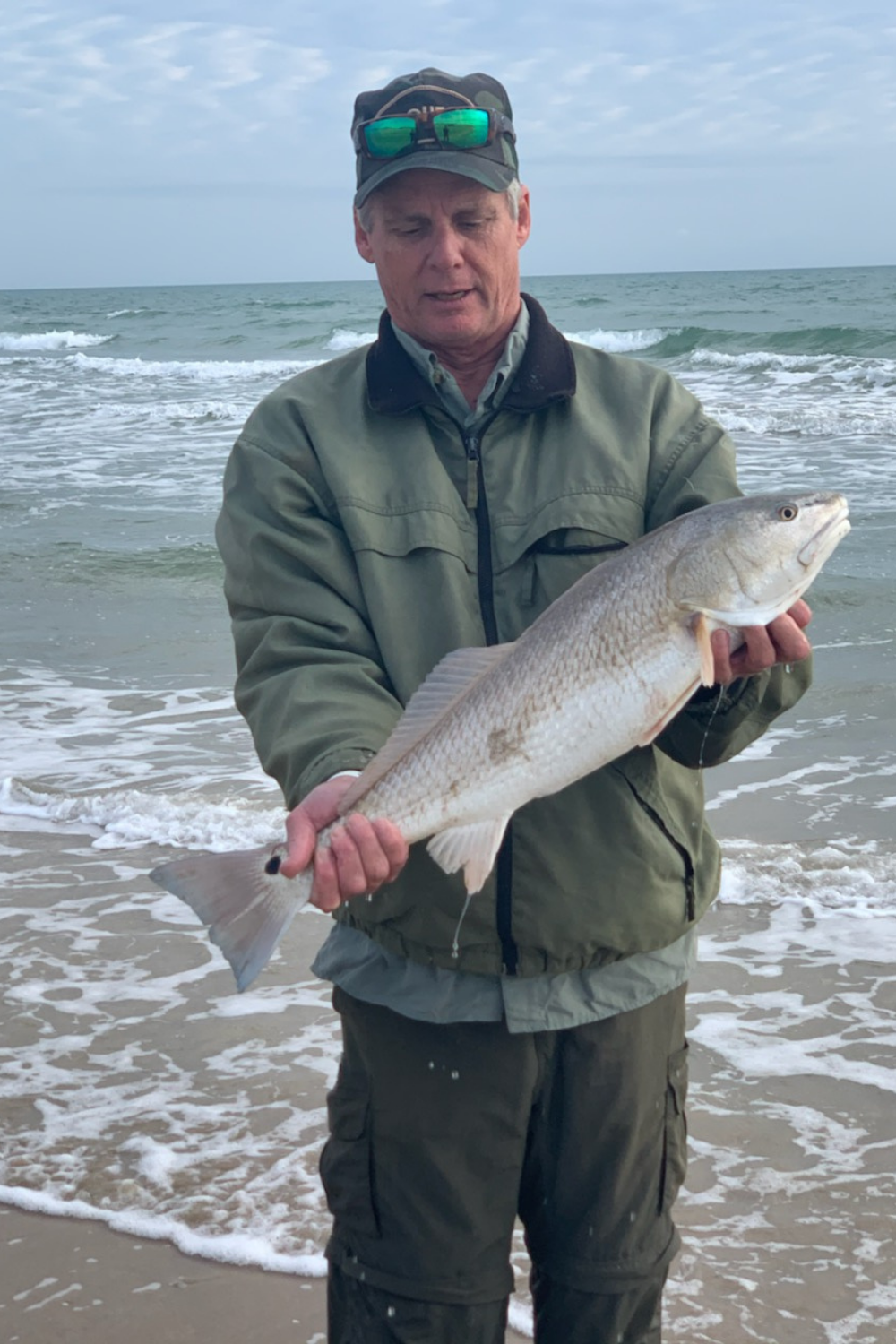
A life long surf fisherman with 50+ years of experience, I am also an avid hunter and outdoorsman. I will be sharing my passion for the outdoors with you so be prepared for hunting, fishing, camping, hiking and more. Along with gear reviews and the latest trends and innovations in the outdoor industry.