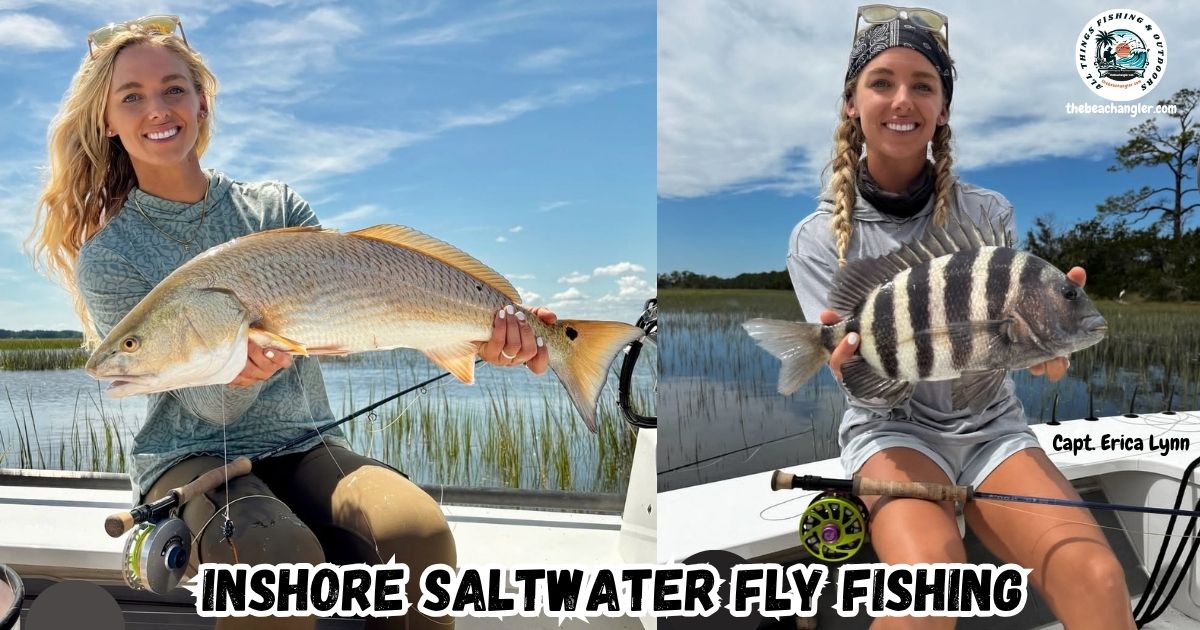
Inshore saltwater fly fishing blends skill, patience, and careful planning. Whether I’m chasing redfish along grassy shorelines or searching for snook beneath the mangroves, every outing throws new challenges my way, yet the rewards make all the effort worthwhile.
QUICK LOOK: Guide to Inshore Saltwater Fly Fishing
- Choose Your Position: I like to keep the sun at my back, stay crouched, and stay aware of my surroundings. Then I let fish make their way toward me, not vice versa.
- Fly Selection: Matching local forage is key—I make a habit of checking what’s swimming or crawling around and go for similar flies in size, color, and movement.
- Lead the Fish: Casting ahead of cruising fish, never directly at them, lets the fly drift into view naturally. This gentle approach keeps them from bolting.
- Presentation Depth: In the skinny stuff, I want my fly barely above the bottom. Near edges or drop-offs, letting it settle before starting my strip is usually my move.
- Retrieve: I mess with retrieve speed and rhythm. Fast, short strips can mimic frantic bait, while slow, long pulls or well-timed pauses look like tired or injured prey—sometimes it takes experimenting to find what draws strikes on a given day.
- Pauses: Adding quick pauses into my retrieve often seals the deal, especially for followers that need just a nudge to bite.
For anglers just getting started, building a solid foundation in gear, technique, and game plan sets the tone for each successful and enjoyable trip. In this article, I’m sharing tips and real-world advice to help you get hooked on the nuances of inshore saltwater fly fishing, with everything you need to know to make the most of your time on the water.
Understanding Essential Gear for Inshore Fly Fishing
Choosing the right equipment can make or break your experience before you even cast a line. Inshore saltwater environments are far rougher than your typical freshwater scene, so your gear needs the muscle and durability to stand up to corrosive salt and hard-fighting fish. Here’s a rundown of what you’ll want in your kit:
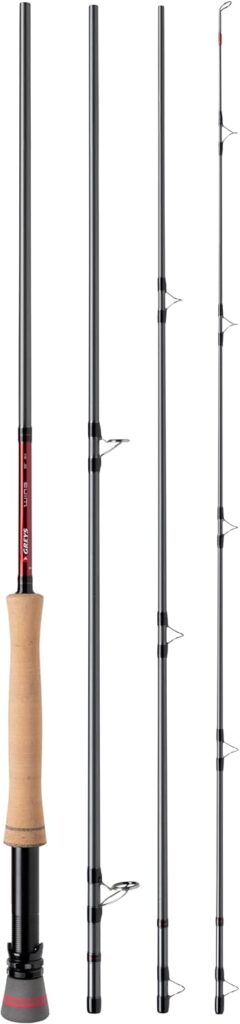
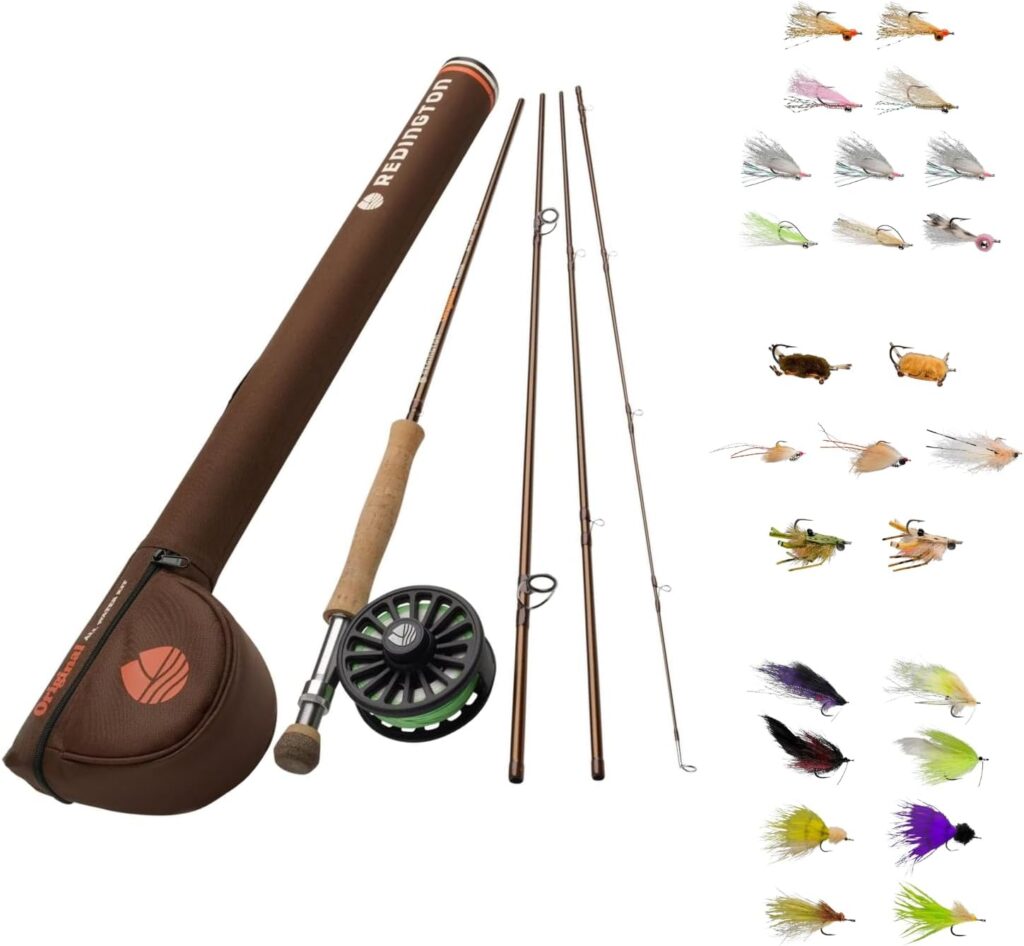
- Saltwater Rods: An 8-weight rod is my pick for all-around use, combining casting ability and strength for popular fish like redfish. But when the wind howls or tarpon come into play, moving up to a 9 or 10-weight rod gives me that extra backbone and distance.
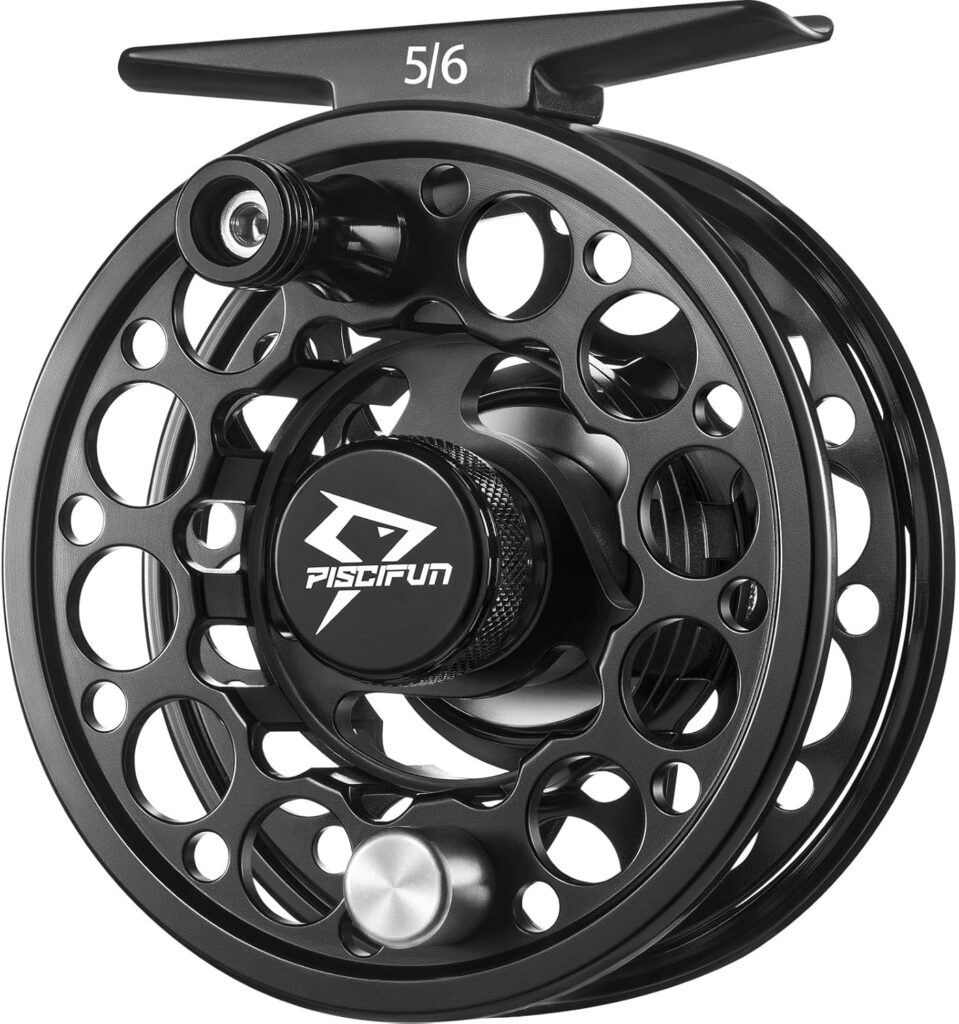
- Reels: Saltwater reels deserve special attention—pick one with a sealed drag system and room for at least 150–200 yards of backing. That smooth drag protects your tippet and gives you enough control to wear down hard chargers without popping your line.
- Lines: I typically go with a weight-forward floating line for the flats and shallow water. Deeper channels and structured areas call for an intermediate or sinktip line on an extra spool, letting me cover extra water efficiently.
- Leaders and Tippet: I put my trust in abrasion-resistant fluorocarbon, using 8–12 foot leaders with 10–20 pound tippet. They handle oyster shells and sharp barnacles better than basic mono.
- Polarized Sunglasses: Don’t skimp here. Quality polarized lenses help me track down fish lurking below the glare and keep my eyes on subtle signs in the water.
- Pliers: Trusty corrosion-resistant pliers make hook removal a breeze, help trim tippet in a pinch, and let me pinch down barbs quickly for catch-and-release days.
- Flies: I carry a mix of small baitfish and crustacean patterns, with Clouser Minnows, Deceivers, various Shrimp and Crab designs, plus a few topwater poppers for those early mornings.
Having the right assortment takes the worry out of gear failures and lets me concentrate on enjoying the fishing and sharpening my techniques.
Getting Started: Key Skills and Concepts
Jumping into inshore saltwater fly fishing feels much smoother when I focus on mastering a handful of core skills up front. Here’s what I keep front and center during my early trips:
- Casting: Practicing the double haul is a must—the move helps me deal with wind and load the rod properly. Hitting a nearby field before hitting the water builds great muscle memory.
- Stealth: Saltwater fish can spook at the slightest commotion. I always move quietly, avoid sudden shifts, and position my casts to prevent my shadow from crossing their path.
- Observation: Keeping an eye out for signs like nervous baitfish, surface swirls, or diving birds gives away where fish are hunting. Using polarized shades helps me spot things others miss.
- Tides: Tidal flow changes everything. I keep tabs on current and watch how rising or falling tides affect where bait—and hungry predators—are moving.
Mastering these basics boosts both my odds and my enjoyment out there. Even experienced anglers often circle back to these essentials.
A Quick Guide to Mastering Your Approach and Presentation
Presenting a fly at the perfect depth, in the right spot, and with enticing action is what really fires up inshore saltwater fishing. Here’s a snapshot of the approach I use:
- Choose Your Position: I like to keep the sun at my back, stay crouched, and stay aware of my surroundings. Then I let fish make their way toward me, not vice versa.
- Fly Selection: Matching local forage is key—I make a habit of checking what’s swimming or crawling around and go for similar flies in size, color, and movement.
- Lead the Fish: Casting ahead of cruising fish, never directly at them, lets the fly drift into view naturally. This gentle approach keeps them from bolting.
- Presentation Depth: In the skinny stuff, I want my fly barely above the bottom. Near edges or drop-offs, letting it settle before starting my strip is usually my move.
- Retrieve: I mess with retrieve speed and rhythm. Fast, short strips can mimic frantic bait, while slow, long pulls or well-timed pauses look like tired or injured prey—sometimes it takes experimenting to find what draws strikes on a given day.
- Pauses: Adding quick pauses into my retrieve often seals the deal, especially for followers that need just a nudge to bite.
Focusing on approach and presentation opened up a lot more action for me and sharpened my ability to “read” what the fish wanted that day.
Challenges to Keep in Mind Before Hitting the Flats
Every adventure has obstacles, and inshore saltwater fly fishing is no exception. Here are a few bumps in the road—and how I handle them:
- Dealing with Wind: It’s pretty much a given on saltwater. I practice casting with the wind in every direction. When needed, I shorten my leaders or switch my casting angle to keep things under control.
- Tough Conditions: Some days the water’s cloudy, or the bait disappears. In those cases, I change flies—bright and chunky for murk, subtle for clear water. Sometimes, even a topwater fly gets noticed when nothing else will.
- Equipment Maintenance: Saltwater will eat up any gear left unattended. I always rinse every rod, reel, and piece of hardware with fresh water and check ferrules and knots after each session. It extends the life of everything and saves money down the road.
- Fish Handling: For catch-and-release, I focus on being quick and careful, picking up barbless hooks, and photographing fish only briefly and with wet hands to give them the best shot at swimming strong.
Ready solutions for these issues keep me dialed in on having a great day, no matter the curveballs.
Mastering the Cast
Casting well in saltwater is about more than distance alone. I rely heavily on these three moves, which really make a difference when the stakes are high on the flats:
- Double Haul: This lets me cut the wind and extend my reach, essential in stiff breezes. Plenty of practice helps it become second nature.
- Sidearm or ThreeQuarter Cast: By using a low angle, I minimize the risk of spooking fish and keep my line away from overhanging branches in tight mangrove spots.
- Quick Flip Cast: When fish are fast movers or pop up close, this speedy, short cast lets me react and still get my fly on target before the opportunity’s gone.
Reading the Water and Predicting Fish Behavior
Getting a sense for the water—how tides, structure, and bait influence fish—means smarter decisions and more hookups. Here’s my cheat sheet for reading water:
- Tides: Incoming and outgoing tides cue fish to start feeding and move around. When the tide goes slack, things usually slow down.
- Structure: Places like points, drop-offs, grasslines, oyster bars, docks, and mangroves always draw in both bait and hunters. I spend the bulk of my time near these features.
- Signs: Look for any surface disruptions—jumping baitfish, diving seabirds, or telltale wakes all give up fish locations. My polarized shades pick up subtle underwater movement, too.
- Bait Movements: Fish usually gravitate to where the food is hiding or on the move. I make a note of what’s on the menu by watching the small stuff and matching my fly accordingly.
Observing these patterns and tailoring my setup and approach gives me solid results, even as seasons and conditions change.
Frequently Asked Questions
Here are answers to a few questions anglers often bring up when first getting into inshore saltwater fly fishing:
What’s the easiest way to start learning to cast in saltwater?
I always say to practice first on land—flat grassy spots are ideal. Then, move to windy outdoor areas to simulate real-world fishing conditions and build confidence before heading to the salt.
What are some essential flies for inshore saltwater fishing?
My staple box includes Clouser Minnows, Deceivers, small crab imitations, Crazy Charlies, and a handful of shrimp patterns. I vary the colors—light on bright days, dark when it’s overcast or the water’s cloudy.
How do tides influence where and when to fish?
Tidal swings push prey and predators into certain zones. I find that incoming tides turn up the action on the flats and around mangroves, while falling water creates choke points around dropoffs and channel edges.
Tips and Insights for Long-Term Success
Hanging in with inshore fly fishing pays off with some truly unforgettable days on the water. Paying attention to small details—like fish behavior, fly selection, and always playing by the local rules—keeps it fun for the long haul.
I can’t overstate the value of booking a day with a knowledgeable local guide: nothing replaces hands-on feedback and hints learned while on the water. Every trip is unique, and picking up new skills with every outing keeps the adventure fresh and rewarding.
Check Out Our Most Recent Articles:
- The Daiwa KAGE Inshore Rods
- Daiwa Free Swimmer Spinning Reel
- Daiwa Blackline Inshore Rods
- The Daiwa Saltist Back Bay Spinning Reel
- Shimano TR Triton Reel Review
- Shimano TLD Reels Review
As always, stay safe, enjoy the journey, and please try to leave it cleaner than you found it. If you have any comments, questions, ideas, or suggestions, please leave them in the comment section below, and I’ll get back to you ASAP. You can follow us on Facebook: Rex The Beach Angler, Instagram: thebeachangler7, Twitter: @AnglerBeach, and YouTube: Man Art Creations.
P.S. Thanks so much for checking out our blog; we really appreciate it. Just so you know, we may receive a commission if you click on some of the links that appear on our site. This helps us keep our content free and up-to-date for everyone. We appreciate your support!





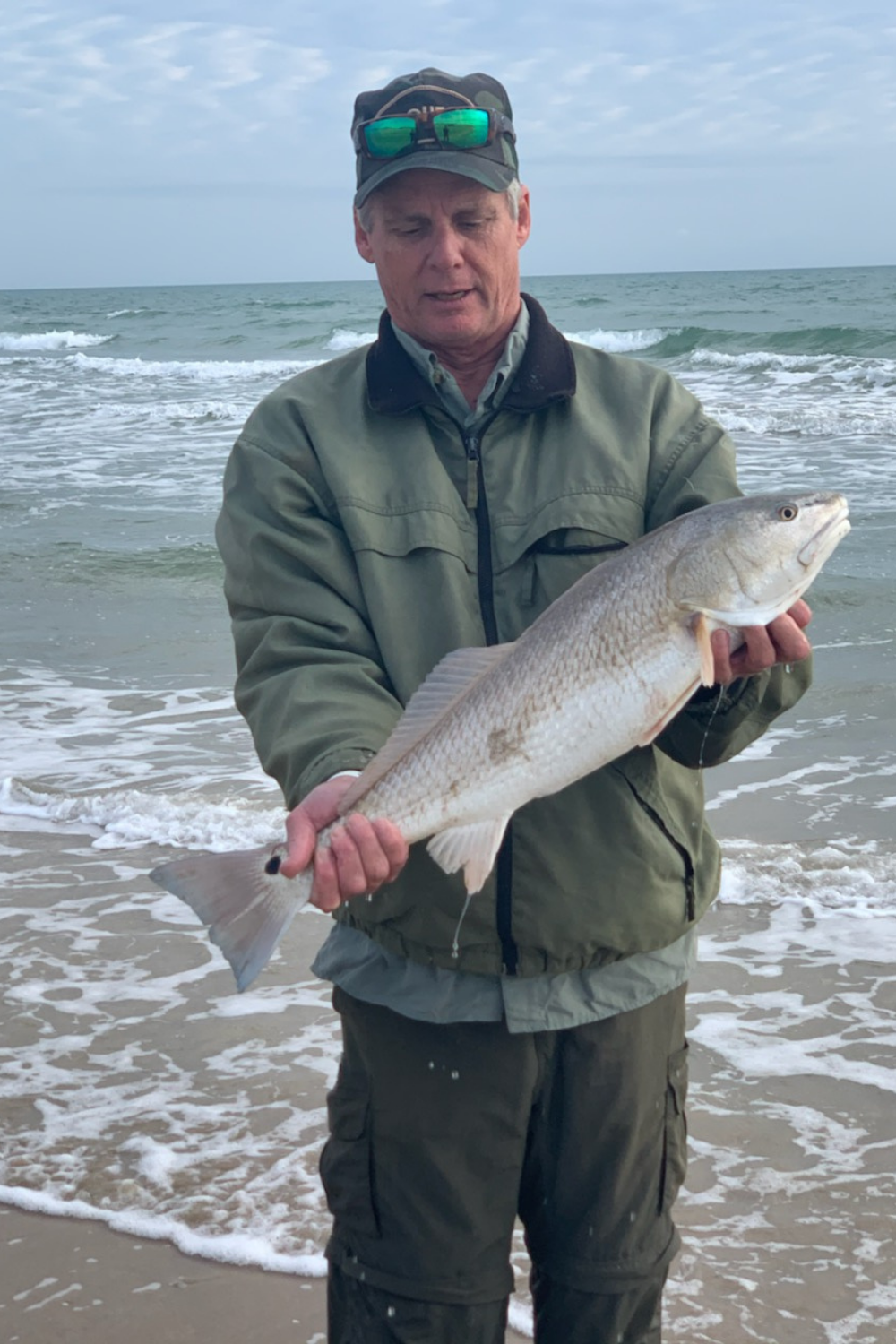
A life long surf fisherman with 50+ years of experience, I am also an avid hunter and outdoorsman. I will be sharing my passion for the outdoors with you so be prepared for hunting, fishing, camping, hiking and more. Along with gear reviews and the latest trends and innovations in the outdoor industry.