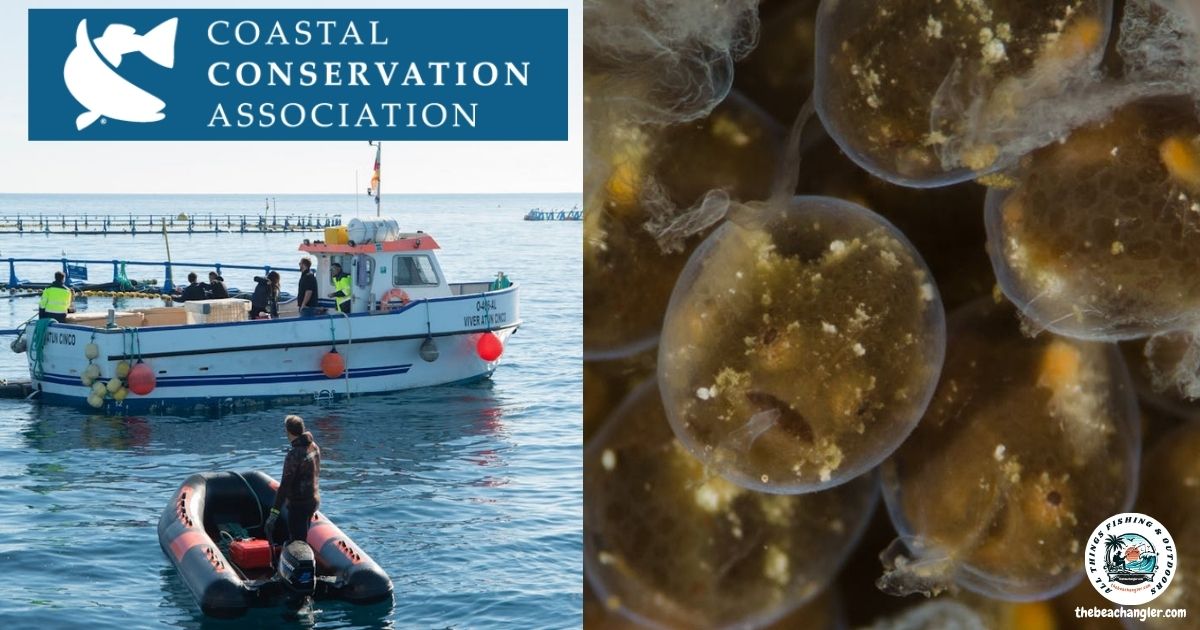
The Coastal Conservation Association, known as CCA, has played an important role in preserving and restoring America’s coastal ecosystems since its founding in 1977. By focusing on activities such as habitat restoration, scientific research, public education, and policy work, CCA supports healthy marine environments while looking out for the interests of recreational anglers. My experience with CCA events and their educational resources has shown me how wide-reaching their impact truly is, both on the water and within local communities.
Restoring Marine Habitats
Places like oyster reefs, salt marshes, and seagrass meadows form the backbone of healthy coastal areas. Over time, many of these places have suffered from pollution, overfishing, and coastal development. I’ve seen CCA step up to address this problem in several ways, working closely with volunteers and scientists to make lasting changes that benefit the coastline.
Oyster reef restoration is a standout example of CCA’s success. Oyster reefs filter water, protect shorelines, and provide homes for juvenile fish. For example, CCA Texas has run programs such as “Sink Your Shucks,” where recycled oyster shells from restaurants are used to rebuild broken reef structures.
Local communities join in, returning what would be waste back into a living habitat. Through large and small efforts, chapters across the country have rebuilt acres of oyster reef, leading to cleaner water and better fishing spots for everyone.
Artificial reef construction is another important strategy for CCA. In spots where natural habitat can’t be restored easily, CCA teams up with government groups and private organizations to place materials like concrete or specially designed reef balls.
These eye-catching structures attract fish and other sea life, helping to replace habitat that’s been lost or damaged. Projects off the coasts of Texas and Florida have sparked the growth of healthy new fishing areas while supporting the overall health of the ecosystem.
Restoring marshlands and seagrass beds is also key to CCA’s mission. Coastal marshes and seagrass beds offer nursery grounds for fish and help protect coastal towns from storms. By planting native grasses and clearing away invasive species, CCA and its partners have helped these habitats recover.
After hurricanes or other natural disasters, CCA chapters respond quickly to restore damaged areas. These efforts help both wildlife and people bounce back after tough times. Debris cleanup projects make a real impact on local waters. Abandoned crab traps are a risk to boats and wildlife, especially along the Gulf Coast.
Every year, CCA organizes cleanup days when volunteers remove hundreds of these dangerous traps. I’ve taken part in these activities myself. Not only do they deliver immediate results, but they also build public awareness about the importance of keeping our coasts clean and safe.
Protecting Important Species
Looking after fish populations for future generations is at the heart of CCA’s goals. Popular sportfish like red drum (redfish) and speckled trout have faced big threats from commercial exploitation and mismanagement in years past. The CCA came together to answer these problems.
Its “Save the Redfish” campaign in Texas is a prime example of how grassroots action can create lasting change in fisheries management. That campaign led to a game fish status for redfish and speckled trout, which took them out of the commercial fish market and saw a ban placed on gillnets along the Texas coast.
The result has been a strong comeback for both fish. Nowadays, it’s common for anglers to report healthy numbers of redfish and trout. Many CCA chapters continue to keep an eye on these populations, gathering data and pushing for ongoing protection.
CCA also supports hatcheries producing fingerlings for release into recovering environments, especially after natural disasters. After Hurricane Harvey, CCA Texas boosted support for state hatcheries, helping them increase the number of juvenile fish raised and stocked. These actions jump-started fish populations when they needed it most and offered hope for both fishers and local wildlife.
Championing Conservation Policy and Angler Rights
Policy work is central to CCA’s mission. I’ve followed their updates and can say the organization does a strong job of keeping fisheries sustainable while defending fair public access to coastal resources. CCA works at the local, state, and national levels to back laws benefiting both marine ecosystems and anglers.
One area where this advocacy really makes a difference is in defending anti-netting rules. Laws banning gear that does major damage, like gillnets, are hard-won victories, thanks to constant pressure from CCA and its active supporters. When those important laws are challenged in court, CCA is quick to stand its ground and protect progress that’s already been made.
The group also doesn’t forget about recreational anglers. Sometimes, fishing grounds are closed off by new developments or unfair rules. Through lobbying, public campaigns, and talks with landowners, CCA works to keep these areas open for people who truly care about conservation. Their thinking is that those using the resource responsibly are best placed to look after it for years to come.
Freshwater flowing into coastal bays is yet another place where CCA has pitched in. Rallying members and talking with lawmakers, the group has helped shape water policy. This is super important for keeping estuaries healthy so they can support both wildlife and coastal economies year after year.
Supporting Science and Education
CCA doesn’t just restore habitats or push for better laws. They put money behind knowledge, too. Funding scientific research gives agencies and scientists the means to study population patterns, track changes in the environment, and figure out the best steps for conservation. Support from CCA has allowed for projects ranging from tagging fish for migration studies to coming up with new ways to rebuild oyster reefs.
Marine science scholarships are also part of CCA’s approach. By supporting undergraduate and graduate students in fields like fisheries science and marine biology, CCA helps make sure the next wave of scientists is ready for future conservation challenges.
Education programs play a major role in boosting awareness. ReleaSense, for example, teaches catch-and-release techniques so fish survive their run-ins with anglers. There are also hands-on workshops and free lessons at festivals. Thanks to these efforts, I’ve seen more folks—from young kids to seasoned anglers—learn why protecting fish stocks really does take everyone’s participation.
Community Involvement and Volunteerism
One of the best aspects of CCA’s game plan is how it brings a variety of people together. Volunteers drive efforts, from picking up debris and building reefs to teaching others about responsible fishing. Local chapters often work alongside schools, scout troops, and youth fishing clubs, which helps spark an interest in conservation early on.
Events like oyster reef builds or crab trap cleanouts aren’t just useful—they’re also a time to connect with neighbors and make new friends. Whenever I’ve helped out, I’ve left those days feeling proud of our shared responsibility to the coast.
It strengthens ties between local businesses, government agencies, and regular folks who appreciate the water and want to see it protected. This wide-reaching support is a big reason why so many CCA projects have succeeded.
Challenges and Practical Considerations
Although it’s clear CCA has left a positive mark, the work doesn’t come without its share of difficulties. Financial resources can be a hurdle, since projects depend on grants and the generosity of donors. Trying to coordinate across different states brings challenges, too; different policies, weather events, and unique habitat needs call for adaptability from anyone involved.
From what I’ve witnessed, volunteers need patience and a flexible attitude. Major changes don’t always happen fast. However, steady involvement and a clear commitment to achievable goals have helped CCA stay on track and get real results.
Frequently Asked Questions
Here are some questions people often have about CCA and its efforts:
How can I get involved with the Coastal Conservation Association?
Anyone can join if they’re interested in marine conservation and responsible fishing. Local chapter meetings, volunteer events, and donations all help keep their mission going. I suggest keeping an eye on the national CCA website or your state’s chapter for the latest opportunities to chip in.
What species has CCA mainly helped restore?
Red drum (redfish), speckled trout, and oysters are three main examples. Restoring habitats also helps many other fish and animals thrive along the coasts.
How does CCA balance fishing interests with conservation?
CCA believes careful, science-based fishing supports the long-term health of our coastal resources. They push for policies guided by research and facts to keep fish populations strong while still giving anglers fair access to enjoy the water. Public education on sustainable fishing is a big piece of their work.
Where does CCA operate?
CCA has chapters in 19 states along the Atlantic, Gulf, and Pacific coasts. This reach allows for a coordinated, all-in-one approach to protecting a wide range of habitats.
Why CCA’s Contributions Matter for the Future
CCA’s effect stretches from research and advocacy to hands-on restoration and community education. Cleaner water, more robust fish stocks, and lasting access for anglers show just how successful these methods can be. My time working with their programs has helped me see the value that motivated volunteers and solid science can bring to coastal conservation.
If you’re interested in helping protect the nation’s marine resources or in responsible fishing, you’ll find CCA’s work to be worth learning about and supporting. To learn more or sign up, visit the Coastal Conservation Association’s official website.
Check Out Our Most Recent Articles:
- New Mirrolure Chameleon Series Lures
- Field-testing The Quantum Benchmark Spinning Reel
- Z-man Swag Lt Swimbait
- Kastking Kapstan Se Saltwater Spinning Reel
- The Daiwa Crosscast Surf Reel
- Kastking Megajaws Elite Saltwater Baitcasting Reel
As always, stay safe, enjoy the journey, and please try to leave it cleaner than you found it. If you have any comments, questions, ideas, or suggestions, please leave them in the comment section below, and I’ll get back to you ASAP. You can follow us on Facebook: Rex The Beach Angler, Instagram: thebeachangler7, Twitter: @AnglerBeach, and YouTube: Man Art Creations.
P.S. Thanks so much for checking out our blog; we really appreciate it. Just so you know, we may receive a commission if you click on some of the links that appear on our site. This helps us keep our content free and up-to-date for everyone. We appreciate your support!





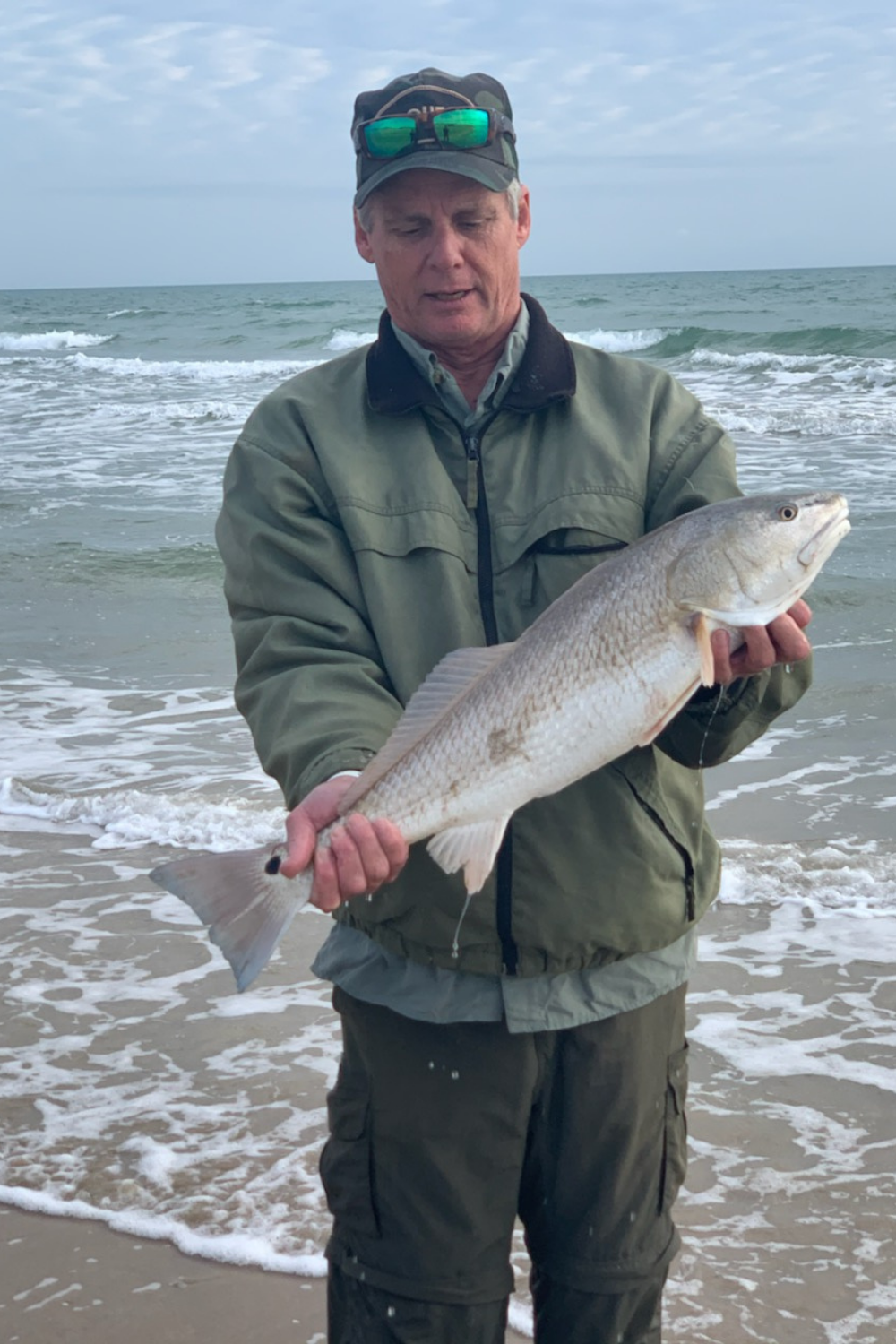
A life long surf fisherman with 50+ years of experience, I am also an avid hunter and outdoorsman. I will be sharing my passion for the outdoors with you so be prepared for hunting, fishing, camping, hiking and more. Along with gear reviews and the latest trends and innovations in the outdoor industry.