When fishing inshore waters, I regularly face a choice between spinning reels and baitcasting reels. Each one brings its own strengths and quirks, and my experiences with both have shown me that no single reel works best for every scenario.
QUICK LOOK: Things to Consider when Choosing Spinning vs Baitcasting Reels
- For Beginners and Versatility: I always suggest a spinning combo first. It’s easier to learn, more forgiving, and handles the widest range of inshore techniques. A 2500-3000 size reel on a 7-foot medium rod with 10 lb braid is a classic all-around setup. This setup covers everything from tossing soft plastics over grass beds to tossing popping corks for trout.
- For Power and Accuracy: Once comfortable, moving to a baitcasting outfit is a smart move, especially if you want to target structure, use heavier lines, or fish topwaters with more control. I use a baitcaster for pitching jigs, working around mangroves, or making those short, spot-on casts.
- Owning Both for Flexibility: These days, I bring both reel types for a day of inshore fishing. I use my spinning rig for light lures, long casts, and when I’m fishing open flats. My baitcasting reel comes out when I need to work tight spots or use heavier lures for bigger fish. Having both lets me adapt to changing weather, tides, and fish moods easily.
- Target Species: For small seatrout and flounder, spinning gear works great. For hard-pulling redfish or snook, especially near heavy cover, a baitcaster with more power is the way to go. Knowing the species and their habits helps me bring the right gear every time.
- Lure Weight: Light jigs, small spoons, or soft plastics fly better with spinning setups. If I’m throwing a heavy topwater plug or big paddletail, a baitcaster keeps me in control and prevents fatigue.
- Where I’m Fishing: Open flats or clean beaches lean toward spinning. Tight mangroves, docks, or oyster bars often need a baitcaster’s pinpoint accuracy and pulling power. The day’s conditions can quickly make one option better than the other.
- Line Type: Thin braid works great on spinning reels for distance. When I use thick braid or heavy monofilament around structure, baitcasting reels perform better thanks to their spool design and drag.
If you like targeting redfish, snook, sea trout, or flounder, it helps to know what each reel type offers, especially if you are just getting started or are looking to fine-tune your setup. In this guide, I’ll walk you through the pros, cons, and practical uses for spinning and baitcasting reels in inshore fishing, all based on my time on the water and solid fishing basics.
Getting to Know Spinning and Baitcasting Reels
Spinning reels and baitcasting reels are the two main styles most inshore anglers talk about. Both can handle saltwater fishing, but the way they operate, cast, and handle fish differs. Understanding how each reel works makes it easier for me to pick the right tool for every situation.
Spinning reels come with a fixed spool. The line comes off in loose coils as I cast, supported by a bail arm that flips open and closed. Baitcasting reels use a revolving spool. When I cast, the spool turns as the line leaves it, and I control the rate with my thumb and reel settings.
These mechanics affect how easy the reels are to use, the types of lures they handle well, and how precise and powerful my casts can be. Picking the right one matters, so let’s get into what makes each type unique.
Spinning Reels for Inshore Fishing
Spinning reels are usually the go-to choice for beginners and for anyone who enjoys easy handling. I’ve found them helpful for covering lots of water, fishing with light baits, or when conditions get windy. Here are the details I’ve picked up over years of casting spinning setups along beaches, marshes, and flats:
- Ease of Use: Spinning reels are simple. I can cast them with either hand, and they require less fine-tuning. This makes them great for learning and for times when quick, repeated casts matter.
- Cast Distance and Light Lures: If I’m throwing lightweight soft plastics or small jigs, especially in shallow water, spinning reels give me better casting distance with less frustration. Light lures travel farther and more accurately, thanks to the way the line peels off the stationary spool.
- Less Trouble with Line Issues: Spinning reels do a good job limiting line tangles when spooled and managed right, especially if I use quality braid and avoid overfilling the spool. I’ve had far fewer backlashes and tangles compared to learning on baitcasters, which definitely makes fishing more enjoyable.
- Great for Versatile Inshore Tactics: Whether I’m popping a cork, skipping plastics under mangroves, or working topwater baits for trout, spinning setups perform well across most inshore techniques. The flexibility means I don’t have to worry about switching gear constantly.

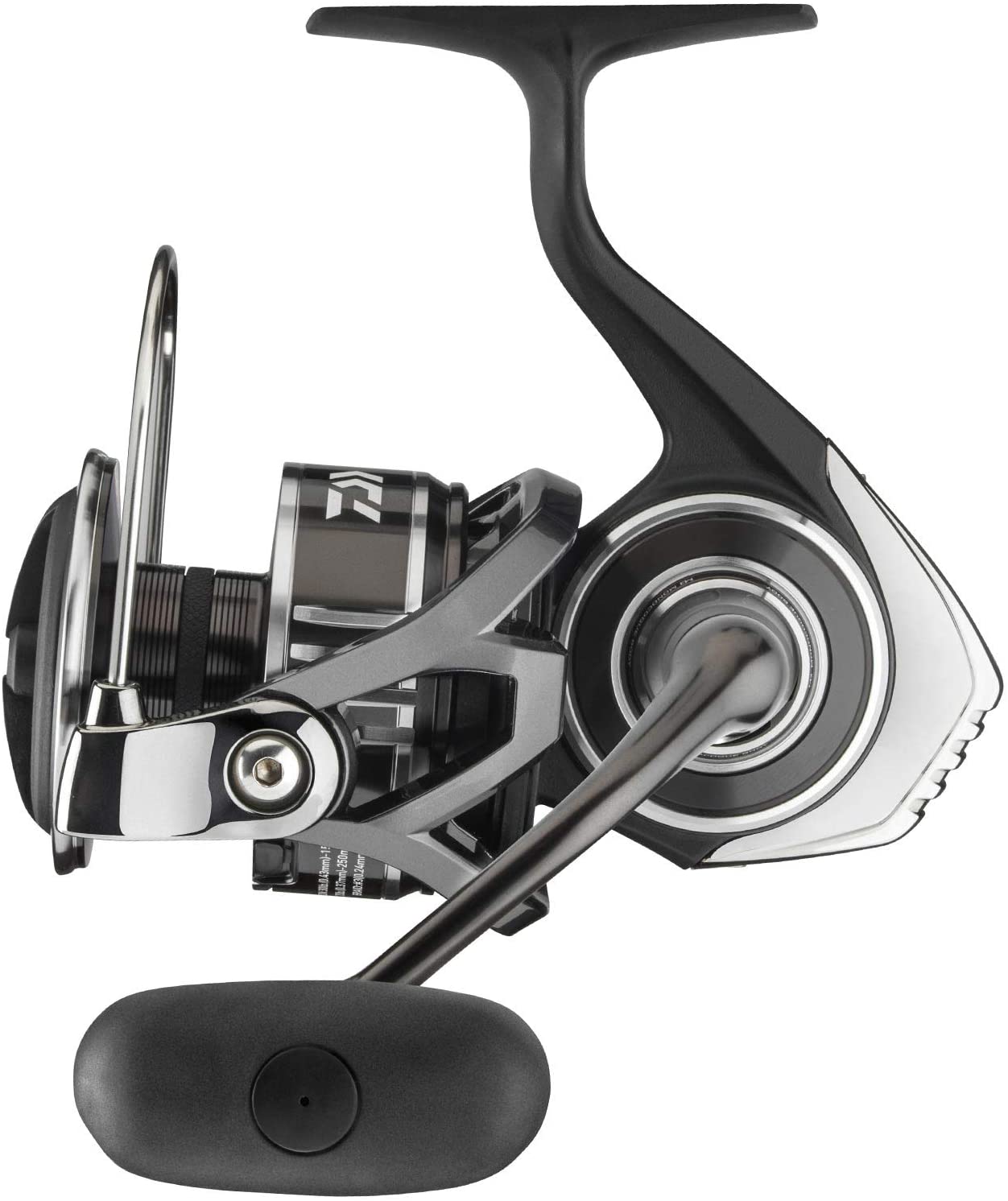
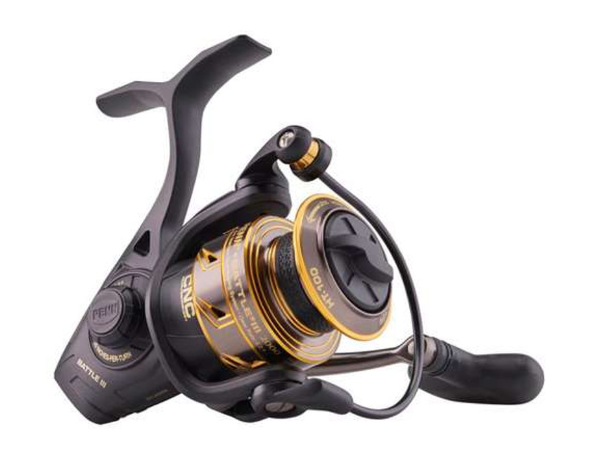
There are still a few downsides to spinning reels for inshore work. I notice they don’t have as much “cranking power” when pulling big fish from heavy grass or oyster bars. Spinning reels also aren’t quite as suitable for dropping a lure right next to a dock piling or for those precise, short casts where accuracy is everything.
Best Uses: Spinning reels shine for light lures, finesse fishing, popping corks, and general all-around inshore angling. For years, my main inshore combo was a 2500 or 3000 size spinning reel with 10-15 lb braid on a 7-foot medium rod.
That setup handled redfish, trout, and even school-sized snook just fine. For new anglers, this is a forgiving and productive choice. On those windy days along the flats, I find spinning reels much easier to handle than baitcasters.
Wind tends to catch lures and lines, but with a spinning reel, controlling cast distance and accuracy is far less stressful. Plus, switching hands or casting from awkward angles is simpler. This means less fatigue throughout a long day on the water, making it easier to fish longer and cover more ground.
Baitcasting Reels for Inshore Fishing
Baitcasting reels bring a bit of a learning curve, but when I mastered them, they unlocked more control and power than any spinning reel. Here’s what I’ve personally noticed about baitcasters on the flats and near structures:
- Pinpoint Accuracy: I can place lures with more precision using a baitcaster, especially if I want to pitch a jig right at the edge of a dock, oyster bar, or bush. This helps get bites from fish holding tight to cover. Sometimes a matter of inches is the difference between getting bit and coming up empty.
- Lure Control: Baitcasters let me “feather” my cast with my thumb, allowing soft landings and precise stops. This control is handy for sight fishing and for skipping lures deep under overhangs where big fish hide.
- Power Fishing: If I use heavier lines and lures—like big topwaters, jerkbaits, or swimbaits—a baitcasting reel simply feels more solid. Stronger gear ratios and drag help haul fish out of trouble spots and away from snags. If I’m going after redfish or snook deep in mangrove roots, I want this power.
- Better Hooksets and Leverage: The handle and gearing of a baitcaster make setting the hook on a big fish feel smoother, especially around docks or submerged timber where I need to turn a fish quickly. Baitcasters let me get fish away from cover and to the boat much faster, potentially saving the catch of the day.
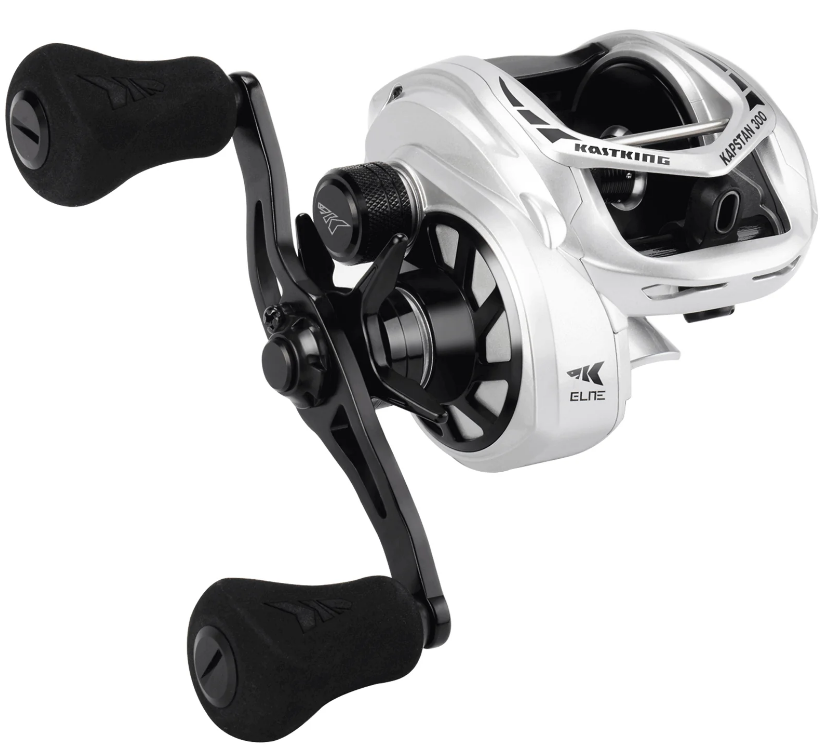
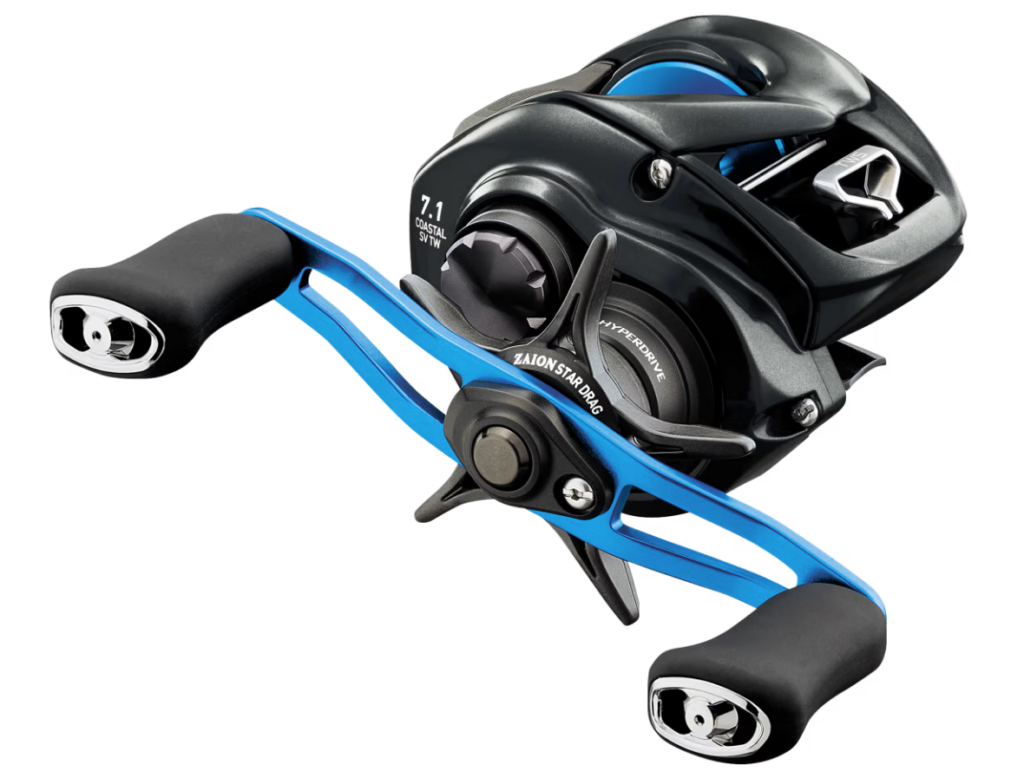
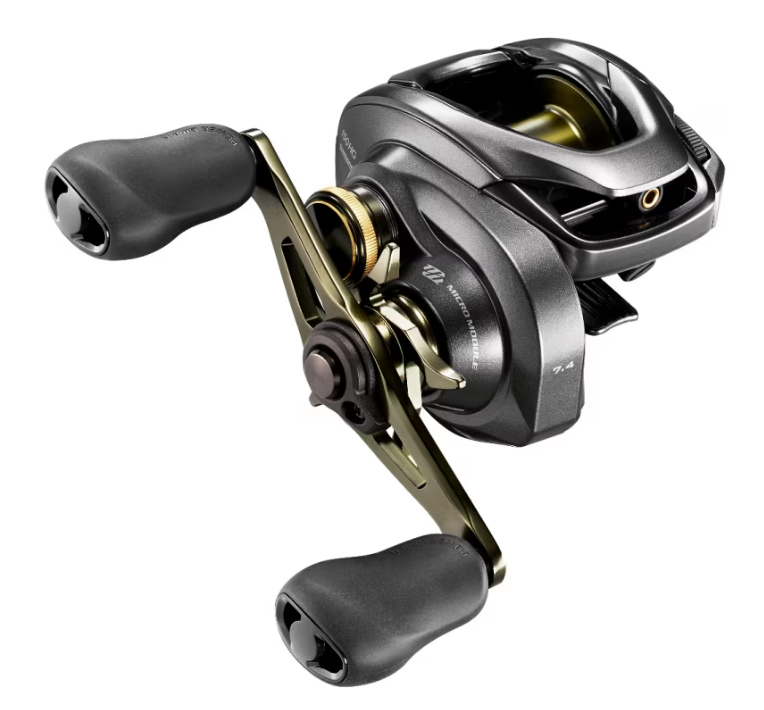
Baitcasting reels aren’t ideal for every inshore tactic, though. There’s a real learning curve. When I made the switch from spinning to casting gear, I had to practice to avoid backlashes (also called bird’s nests). These happen if the spool spins faster than the line leaves it.
Windy days and very light lures can also cause problems, making spinning reels a safer choice at those times. However, with patience and practice, the benefits of baitcasters really show themselves, especially once you get confident with thumb control.
Best Uses: Baitcasters excel for accurate casts around structure, working heavy lures, and when I want extra power. I especially like them for topwater work along docks, pitching jigs where redfish hide, and targeting snook hugged up to mangrove roots. If I’m trying to land that trophy fish, a baitcaster is often the deciding factor between a miss and a memorable catch.
Deciding Which Reel to Choose
Sometimes people ask me which reel style they should use. My answer depends on a few key points about their experience and goals. Here’s how I weigh the options:
- For Beginners and Versatility: I always suggest a spinning combo first. It’s easier to learn, more forgiving, and handles the widest range of inshore techniques. A 2500-3000 size reel on a 7-foot medium rod with 10 lb braid is a classic all-around setup. This setup covers everything from tossing soft plastics over grass beds to tossing popping corks for trout.
- For Power and Accuracy: Once comfortable, moving to a baitcasting outfit is a smart move, especially if you want to target structure, use heavier lines, or fish topwaters with more control. I use a baitcaster for pitching jigs, working around mangroves, or making those short, spot-on casts.
- Owning Both for Flexibility: These days, I bring both reel types for a day of inshore fishing. I use my spinning rig for light lures, long casts, and when I’m fishing open flats. My baitcasting reel comes out when I need to work tight spots or use heavier lures for bigger fish. Having both lets me adapt to changing weather, tides, and fish moods easily.
Comparing Features: Spinning vs. Baitcasting at a Glance
Here’s a quick rundown of the main features of each style based on my time in saltwater inshore fishing:
- Spinning Reels: Easy to use, better for lighter lines and lures, quick to pick up, good for distance casting, less prone to backlash, preferred for popping corks and finesse presentations. They keep the fun in fishing, even for those who don’t fish often.
- Baitcasting Reels: Offers accuracy, lure control, more power, better for heavy lines and lures, great for fishing cover and rapid hooksets, needs practice to avoid backlashes, but pays off once you’re comfortable. They reward patience and let you fish like a pro.
Things to Think About Before Picking Your Reel
When I choose between spinning and baitcasting reels for inshore fishing, I focus on practical factors. Here are the things I mull over before making a decision:
- Target Species: For small seatrout and flounder, spinning gear works great. For hard-pulling redfish or snook, especially near heavy cover, a baitcaster with more power is the way to go. Knowing the species and their habits helps me bring the right gear every time.
- Lure Weight: Light jigs, small spoons, or soft plastics fly better with spinning setups. If I’m throwing a heavy topwater plug or big paddletail, a baitcaster keeps me in control and prevents fatigue.
- Where I’m Fishing: Open flats or clean beaches lean toward spinning. Tight mangroves, docks, or oyster bars often need a baitcaster’s pinpoint accuracy and pulling power. The day’s conditions can quickly make one option better than the other.
- Line Type: Thin braid works great on spinning reels for distance. When I use thick braid or heavy monofilament around structure, baitcasting reels perform better thanks to their spool design and drag.
Personal Example from My Trips
On a recent inshore trip, I started the morning with my spinning rod to cast light soft plastics over a grass flat, covering a lot of water for scattered trout. Later, I picked up my baitcaster to pitch a heavy jig under docks, targeting redfish holding deep in the shadows.
Each reel did its job, and I caught more fish by switching tactics than if I stuck with just one setup the whole day. Adapting gear to the situation paid off and made the trip more fun and successful.
Frequently Asked Questions About Inshore Reels
Do I need both spinning and baitcasting reels for inshore fishing?
If you want to cover more techniques and adapt to changing conditions, having both is really helpful. I started with a spinning combo and gradually added a baitcaster to my setup. It’s a smart way to grow as an angler.
Why are spinning reels better for beginners?
They are easier to cast, need less fine-tuning, and are less likely to backlash. Even if you have never fished before, you’ll be casting accurately with a spinning setup in no time—no complicated adjustments or frustrating tangles needed.
Can baitcasting reels handle saltwater?
Plenty of baitcasting reels are made for saltwater use. Just make sure to rinse your gear after every trip and pick models with corrosion resistance. Maintenance is important for all reels, but saltwater gear especially.
What size reel is good for most inshore fishing?
I stick with 2500 or 3000 size spinning reels or low-profile baitcasters. Both pair well with a 7-foot medium-action rod and 10-20 lb braided line for targeting most inshore species.
Final Thoughts
Whether you fish from the shore, a pier, a kayak, or a boat, the choice between spinning and baitcasting reels comes down to the lures you want to throw, the species you’re chasing, and your skill level. Spinning reels offer ease of use and versatility, while baitcasting reels bring power and control. I keep both in my setup to make sure I’m prepared for whatever inshore fishing brings.
Trying both reel types helped me learn new techniques and made my fishing more successful and enjoyable. The next time you’re prepping for an inshore trip, consider bringing both options—you might stumble upon your new favorite way to fish.
Check Out Our Most Recent Articles:
- How To Choose A Saltwater Fishing Rod
- The Daiwa KAGE Inshore Rods
- Daiwa Free Swimmer Spinning Reel
- Daiwa Blackline Inshore Rods
- The Daiwa Saltist Back Bay Spinning Reel
- Shimano TR Triton Reel Review
As always, stay safe, enjoy the journey, and please try to leave it cleaner than you found it. If you have any comments, questions, ideas, or suggestions, please leave them in the comment section below, and I’ll get back to you ASAP. You can follow us on Facebook: Rex The Beach Angler, Instagram: thebeachangler7, Twitter: @AnglerBeach, and YouTube: Man Art Creations.
P.S. Thanks so much for checking out our blog; we really appreciate it. Just so you know, we may receive a commission if you click on some of the links that appear on our site. This helps us keep our content free and up-to-date for everyone. We appreciate your support!





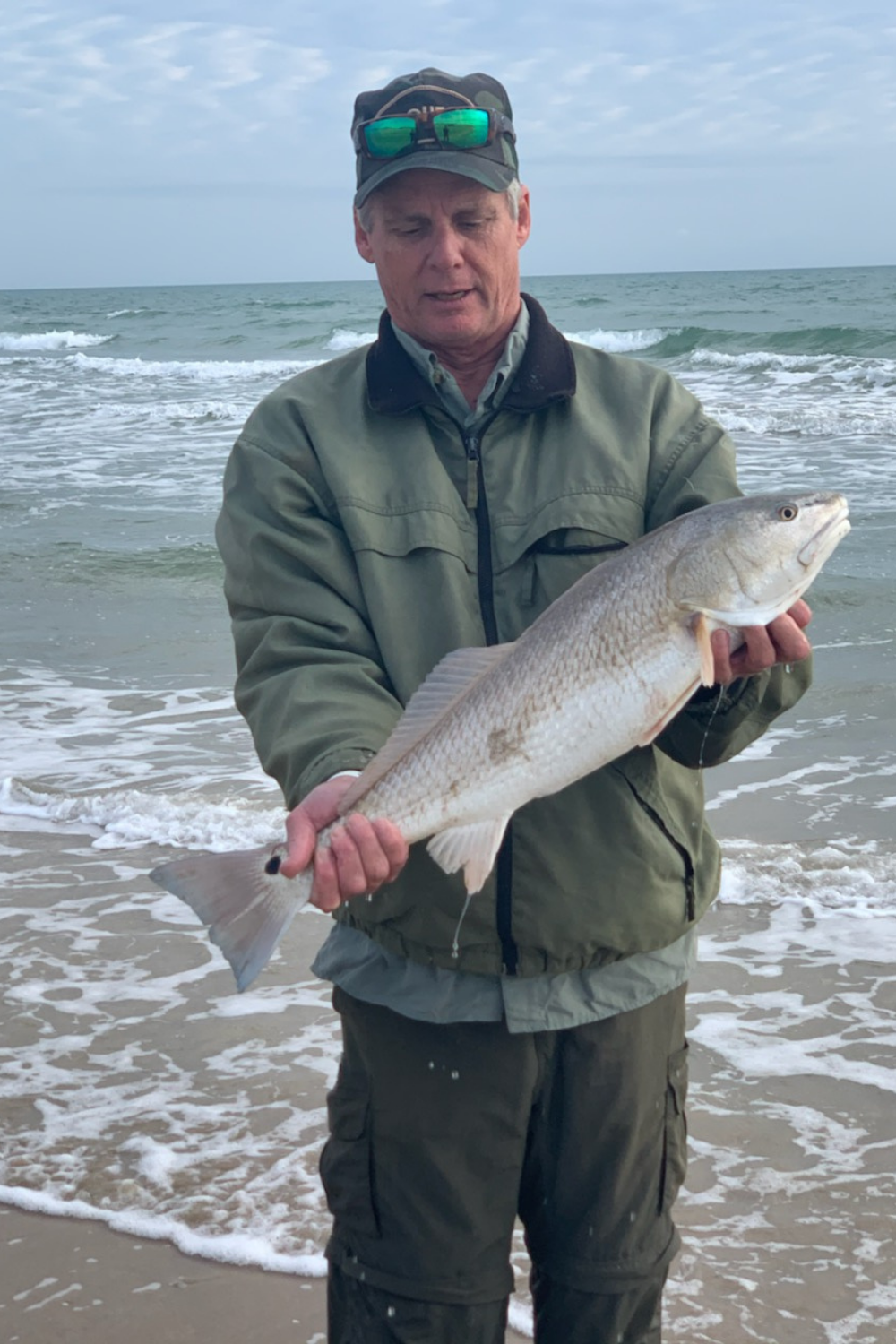
A life long surf fisherman with 50+ years of experience, I am also an avid hunter and outdoorsman. I will be sharing my passion for the outdoors with you so be prepared for hunting, fishing, camping, hiking and more. Along with gear reviews and the latest trends and innovations in the outdoor industry.