
Sight fishing for snook gives me a special kind of excitement that not many other fishing styles can match. Watching these fish follow a lure, seeing their silver sides flash, and triggering a strike with the right presentation is something every angler should experience at least once. If you’re new to this, figuring out where to start and what to bring can feel a bit confusing, so I’m going to walk you through what you need to know to give sight fishing for snook your best shot.
Key Gear for Sight Fishing Snook
Snook are well known for being tough opponents, especially when they hang out near thick cover. They can spook quickly, so picking the right equipment matters a lot for making accurate casts and handling fights when a fish takes you for a ride.
For rods, I usually bring a 7-foot medium-heavy spinning rod if I’m casting under mangroves, and I switch to a 7’6″ rod for more open flats or making long sight casts. My spinning reels sit in the 4000 to 5000 size range with a fast retrieve, which lets me pull a snook away from a dock or roots before it wraps around an obstacle.
Line choice is also hugely important. Twenty-pound braided line gives me the sensitivity and casting distance I want, while a 30-pound leader is my general go-to for open water. If I’m working tight to structure or heavy mangroves, I bump that leader up to 50 or even 60 pounds.
Snook have sharp gill plates and will rub you off in a heartbeat if you go too light. Lure selection really shapes your chances of getting a bite. A 3-inch swimbait with a jig head is a favorite of mine because it matches the baitfish snook are feeding on and lands quietly.
I always pack natural baitfish colors for clear water, and I bring some larger or darker baits if the water is stained after rain. In bright sun, I use soft plastics with some shimmer or translucence. On cloudy days, a root beer or dark purple plastic stands out better in the water.
Best Locations and Conditions for Finding Snook
Snook are masters of ambush and almost always hang close to structure. I spend most of my time looking along mangrove shorelines, around dock pilings, bridge abutments, and rocky seawalls, especially where there’s a steady current moving bait.
If I’m sight fishing in clear water, I look for them holding in sandy potholes or laid up in the shade of overhanging branches. During a rising tide, snook cruise up onto shallower flats and oyster bars tracking down baitfish.
On an outgoing tide, larger snook often patrol channels, inlets, and bridge passes to pick off whatever food gets swept out. After a rainstorm, I’ve had some of my best luck finding active snook prowling along edges where runoff dirties the water just a bit, making them less cautious.
Low light—like dawn, dusk, or during cloudy weather—seems to make snook less wary and more likely to feed close to shore or open beach. I try to avoid super bright midday hours unless I’m specifically scouting with polarized glasses, because the fish get spooky when the sun is high and there’s less shade.

Stealth and Presentation: How to Approach and Cast to Visible Snook
Stealth is everything with sight fishing. When I’m moving through a likely area, especially on a kayak or paddleboard, I keep my voice down, avoid any sudden movements, and make sure nothing bangs on the boat or the dock. Snook can sense vibrations and will bolt if anything seems off.
When I spot a fish, I plan my approach so that I can present my bait in front of the snook, not directly behind or right on top of it. I always cast several feet ahead of the fish, trying to guess which way it’s moving. The goal is for the lure to swim naturally by, imitating a baitfish that is unaware but ready to dart away.
Fast, jerky retrieves rarely work for snook in clear, shallow water. A moderate, steady retrieve with occasional pauses or light twitches looks much more believable. If I’m fly fishing, I do short, sharp strips to mimic a baitfish fleeing along the sand or mud.
Current works in my favor a lot of the time. By casting upcurrent and letting the lure drift with the flow, I can get the bait very close to where the snook are holding without making a big splash. Snook pay close attention to anything floating or swimming naturally with the current, so I make sure to keep my presentation subtle and consistent.
One tip I learned over the years is to check the surface for wind ripples and adjust the angle of my cast to land the bait where it’s least likely to alert the fish. Every bit of extra attention helps when the snook are especially wary.
I also remind myself not to pull the lure out of the water too quickly at the end of a retrieve. I can’t count how many times a snook has tracked my bait all the way to the shore or boat, then lunged at the last second just before I lift it out.
Advanced Tips for Increased Success on the Water
Choosing the best placement for your cast is really important. If I have time, I watch which way the snook is moving and make my cast so the lure intersects its travel path. That way, the fish sees the lure coming and doesn’t have to turn or double back, which makes them much more likely to eat.
When I’m casting to a tough target like under mangrove branches, I keep my false casts or extra movements to a minimum. Every extra splash or shadow increases the chances of the fish spooking. If I miss the target the first time, I stop, let things settle, and wait before casting again instead of blind-bombing the spot. Sometimes, giving the fish a few moments to reset increases my odds of a second chance.
After a big strike, I’m ready to move fast. If I’m fishing from a kayak and the fish makes a run for a dock or mangrove roots, I spin the kayak with my feet or paddle to give myself the best angle to pull the snook away from cover. Quick action means more landed fish and fewer heartbreak moments watching a line snap near the sticks.
Tides change where the snook can hold. During falling tides, I look for spots where shallow water drains into deeper channels. These often become pinch points for baitfish, and snook will stack up to feed. When the water is high, I search in the flooded mangroves or grassy edges where snook sneak in to ambush prey among the roots.
Patience is another skill I’ve learned to value. Sometimes, sight fishing for snook means waiting quietly and watching for signs of movement before making any sudden casts. Letting the fish relax and get comfortable can be the best way to get a solid bite rather than rushing in and startling them away for good.
Essential Tools: Sunglasses, Boats, and Electronics
One piece of gear I never leave behind is a pair of good polarized sunglasses. These let me scan for snook in clear water, picking out subtle movements and flashes. I prefer amber or copper lenses in shallow water since they add contrast, letting me spot fish against green or muddy backgrounds. Gray lenses are my choice in very clear, bright conditions out on the flats.
For transportation, I often use a kayak or a paddleboard in skinny water. Both allow me to get close to snook without making much noise, and the low profile keeps my shadow off the fish. In deeper water or when covering more ground, a flats boat with a quiet trolling motor gives me control and lets me probe farther, but I constantly stay mindful about trimming the motor or using a push pole to avoid scaring off fish in shallow zones.
Handheld or boat-mounted electronics, like GPS and side-imaging sonar, can make finding structure and fish much easier if I’m in a new spot. I use tech as a tool for learning, but I always keep my eyes peeled for clues on the water, such as moving baitfish, birds diving, or subtle wakes near cover.
Combining electronic tech with traditional observation brings my results to the next level, especially in unfamiliar territories. Sometimes, even just following bird activity can lead you right to a feeding school of snook.
Bait Selection and Tactics for Sight Fishing Snook
Sometimes artificials just don’t get the bite, and that’s when I turn to live bait. Small mullet, pilchards, or shrimp can be deadly, especially in current where they drift by naturally. When I’m using soft plastics, I prefer paddle tails or shad bodies rigged on a light jig head. These can be worked slowly and imitate injured bait, which snook find hard to resist.
Twitchbaits and topwater plugs offer a different style of fishing, and I break them out during lowlight periods or when snook are chasing schooling bait on the surface. A plug that walks back and forth or a subsurface lure that darts erratically can trigger aggressive bites, especially at sunrise, sunset, or after a storm.
If snook seem finicky, I sometimes add a dash of fish scent to my lures. It’s a little detail that gives the bait more appeal, especially in stained water or when the bite is tough. Switching bait size can help, too—dropping down an inch or going up slightly in size might match the hatch better and convince a reluctant snook.
Common Questions New Snook Sight Anglers Ask
Here are some frequent questions I hear from new sight anglers trying to catch snook:
What’s the best way to spot snook in shallow water?
I look for their shadow, movement, or a subtle flash of silver as they turn. Wearing quality polarized sunglasses helps me cut the glare and see better, especially if I position myself with the sun at my back.
Should I use live bait or artificial lures for sight fishing?
Both work, but I often start with artificial lures to cover more water. If the snook are picky or the water is a bit muddy, switching to live bait can help get bites.
What type of structure do snook prefer the most?
I focus on mangroves, docks, and bridge pilings—especially when there’s moving current nearby. Snook love to sit where they can ambush prey flowing by.
When is the best time of day for sight fishing snook?
I get my best action at sunrise, early morning, or near sunset. Overcast days and stormy weather spark feeding behavior and often make snook more comfortable moving into the open

Final Thoughts on Sight Fishing for Snook
By paying attention to gear, stealth, location, and proper presentation, sight fishing for snook becomes something I can do with consistent success. Each trip helps me learn a little more about how these clever fish operate, and seeing a snook close up—then watching it charge my bait—is always worth the effort. Whether I’m new or a few seasons in, careful preparation and persistence make this style of fishing both challenging and incredibly rewarding.
As always, stay safe, enjoy the journey, and please try to leave it cleaner than you found it. If you have any comments, questions, ideas, or suggestions, please leave them in the comment section below, and I’ll get back to you ASAP. You can follow us on Facebook: Rex The Beach Angler, Instagram: thebeachangler7, Twitter: @AnglerBeach, and YouTube: Man Art Creations.
Check Out Our Most Recent Articles:
- Emerging Trends In Saltwater Fly Fishing
- How To Choose A Saltwater Fishing Rod
- The Daiwa KAGE Inshore Rods
- Daiwa Free Swimmer Spinning Reel
- Daiwa Blackline Inshore Rods
- The Daiwa Saltist Back Bay Spinning Reel
P.S. Thanks so much for checking out our blog; we really appreciate it. Just so you know, we may receive a commission if you click on some of the links that appear on our site. This helps us keep our content free and up-to-date for everyone. We appreciate your support!





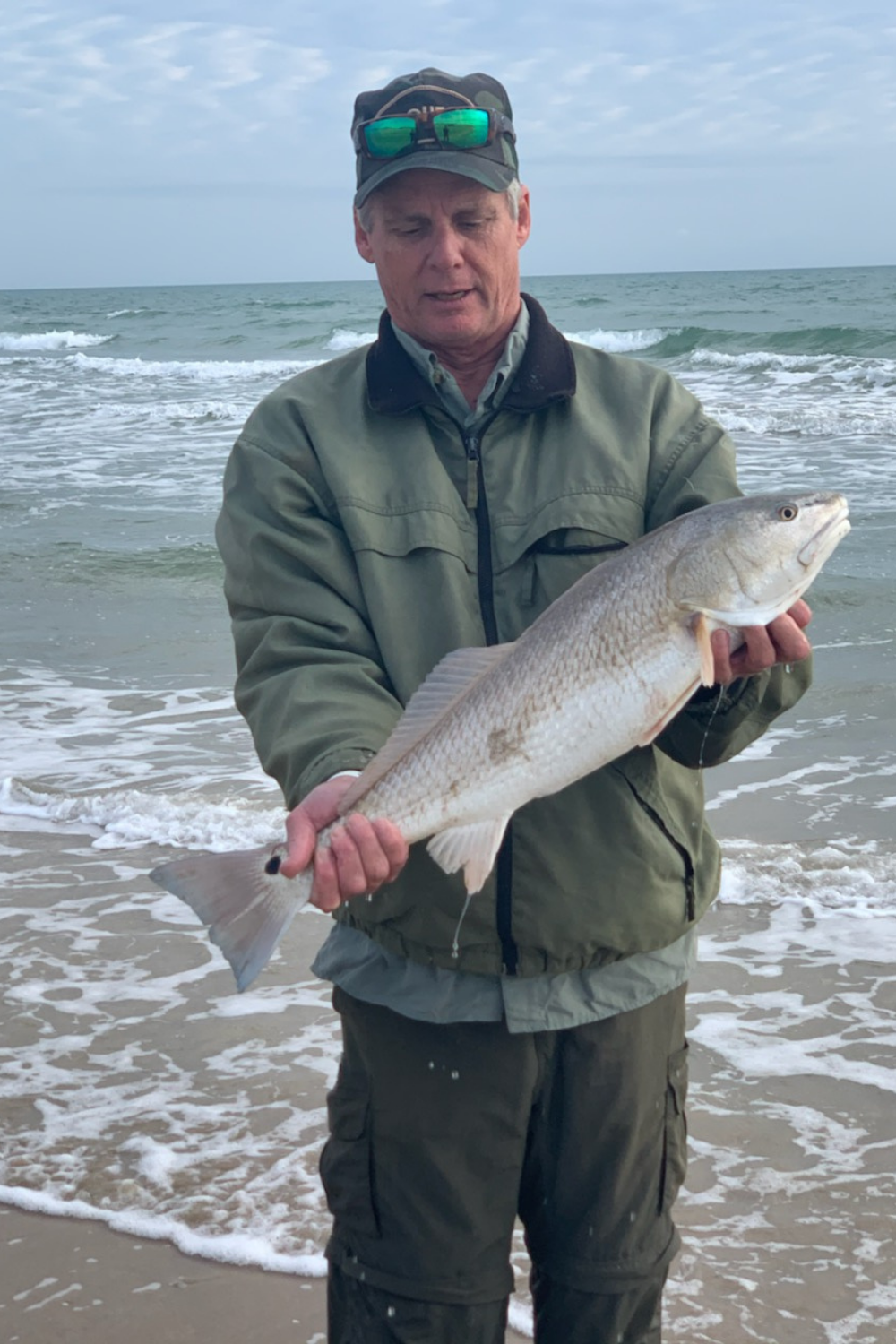
A life long surf fisherman with 50+ years of experience, I am also an avid hunter and outdoorsman. I will be sharing my passion for the outdoors with you so be prepared for hunting, fishing, camping, hiking and more. Along with gear reviews and the latest trends and innovations in the outdoor industry.