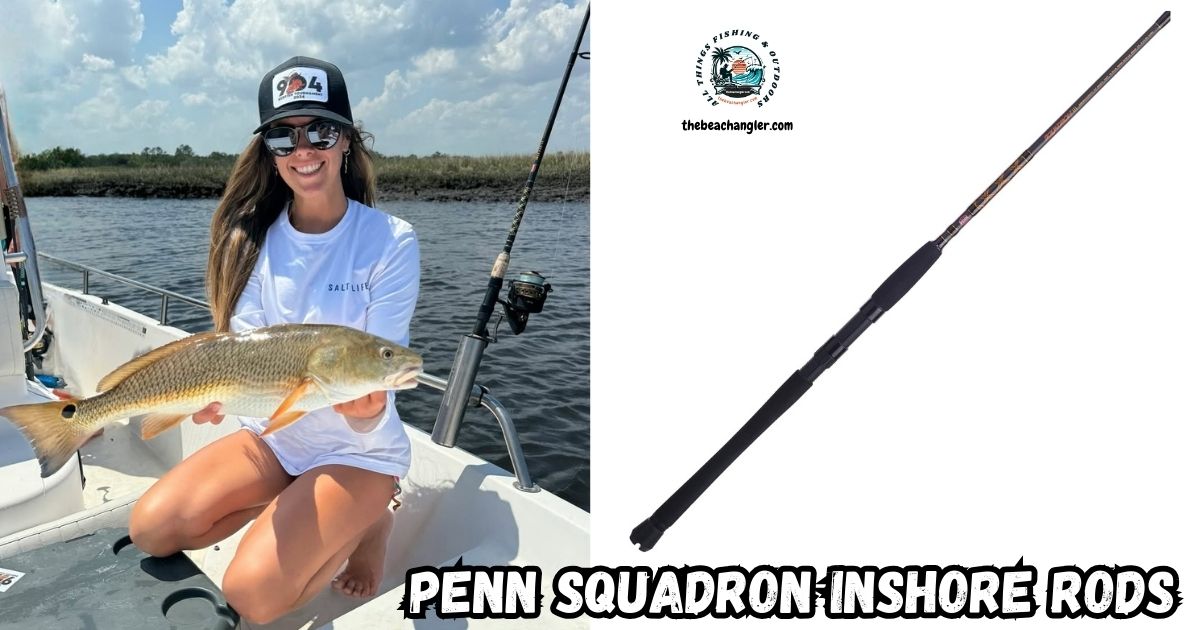
Penn Squadron Inshore rods have cemented their place with anglers searching for tough, affordable options able to handle the demands of saltwater fishing day in and day out. After using these myself on multiple inshore trips targeting redfish, speckled trout, and flounder, I’ve found they deliver a hard-to-beat mix of price and performance.
QUICK LOOK: Standout Features of the Penn Squadron Inshore Rods
- Affordable enough for entry-level and experienced anglers looking to add a backup rod or two—good value that doesn’t feel disposable.
- Very durable; the DuraGuides and strong blanks stand up to saltwater abuse and rough handling.
- Comfortable grips and balanced design mean you won’t get worn out, even on long trips. This matters more than you might think after six hours on the water.
- Backbone to handle inshore bruisers without feeling like a broomstick. At the same time, still sensitive for finesse tactics and smaller fish.
- A wide variety of models and lengths lets you customize for your techniques—whether it’s live baiting, slinging soft plastics, or throwing plugs.
They check the boxes for durability, comfort, casting, and versatility, making them quite popular with both newcomers and seasoned anglers. I’ll walk you through the key features, share my honest likes (and dislikes), throw in some tips, and help you figure out if this is the right rod for your fishing punch list.
Key Features of Penn Squadron Inshore Rods
Getting a sense of what sets the Penn Squadron Inshore series apart is useful when you’re sizing it up against other rods at a similar price. Penn put their focus on practical fishing performance here, rather than just going for looks.
The blank construction is front and center—Penn uses a graphite composite, which is a good compromise between lightness and strength. This means you can cast all day without getting tired, yet still have plenty of backbone for inshore species with some fight. The rod doesn’t feel too stiff or too whippy, landing right in the sweet spot.
Durability is a definite highlight. The DuraGuides are one-piece stainless steel and have proven nearly indestructible after countless saltwater outings. Unlike guides with fragile inserts that can fall out or crack with hard use, these guides just keep on going. My rods have seen their share of snags, boat bumps, and even drops, and the guides are still going strong.
Penn took a smart approach with the grip material, too. Whether you pick a spinning or casting model, you’ll get a comfortable blend of cork and EVA foam. I’m partial to cork—a classic choice that offers solid grip, even when wet. The EVA holds up well against sand and saltwater abrasion. After dozens of rough trips, the grips have stayed in good shape and remain comfortable.
They use a graphite reel seat throughout, which keeps weight down and won’t corrode like some metals. I haven’t had a reel slip yet—even casting hard or when fighting heavier fish, everything stays secure. This attention to detail keeps your focus on fishing, not on fiddling with your equipment.
One of the things I appreciate most is how many models and configurations they offer. If you want a shorter Medium Light spinning rod for tossing soft plastics at trout, or a longer Heavy rod to battle drum or small sharks, there’s a match for your style.
Most rods are between 7 and 7’6″, which I find is just right for inshore fishing from the boat or the bank. The variety even lets you tailor your approach, whether you’re going after specks with paddle tails or soaking bait for reds.
Real-World Experience: What It’s Like Using the Penn Squadron Inshore
Every time I bring these rods out on the water, I get a boost in confidence. They perform predictably, with a smooth, parabolic bend that absorbs headshakes and sudden runs. The rods feel responsive but not overly stiff or weak, and even lighter models have enough reserve muscle for unexpected big hookups—bull reds and stripers have tested mine without issues.
Castability deserves a serious shoutout. The DuraGuides cut down line friction, so even light baits travel farther than you’d expect for a rod in this price range. Hooksets are quick and firm, thanks to the blank’s crispness, and there’s plenty of sensitivity for detecting those subtle bites or when working jigs over oyster beds.
I can cast and retrieve for hours without hand fatigue. The grips play a big role here. Wet, cold mornings and sweaty summer afternoons are all manageable because the cork/EVA mix doesn’t get slick. I always feel secure, even during quick grabs at the rail, landing a fish.
I’ve used these rods from boats, wading flats, and off the bank—across all those settings, they handle varied duties with ease. Their mix of comfort, power, and value really shows up in real-world fishing situations where reliability means more than anything else.
Pros and Cons: My Honest Impressions
I’m all for spelling out where the Penn Squadron Inshore rods shine and where there could be tweaks. Here are the standout points and a few downsides worth considering:
- Pros:
- Affordable enough for entry-level and experienced anglers looking to add a backup rod or two—good value that doesn’t feel disposable.
- Very durable; the DuraGuides and strong blanks stand up to saltwater abuse and rough handling.
- Comfortable grips and balanced design mean you won’t get worn out, even on long trips. This matters more than you might think after six hours on the water.
- Backbone to handle inshore bruisers without feeling like a broomstick. At the same time, still sensitive for finesse tactics and smaller fish.
- Wide variety of models and lengths lets you customize for your techniques—whether it’s live baiting, slinging soft plastics, or throwing plugs.
- Cons:
- I’ve found a few reports about rod tips breaking with normal use. Personally, I’ve had no trouble, but it’s a point to keep in mind—gentle handling and not “high-sticking” can go a long way.
- The design is on the simple side—don’t expect next-level cool finishes or flash. If you like rods that stand out, this one leans more towards the practical side.
Advice for Choosing the Right Penn Squadron Inshore Rod
Getting the best model for you will make a huge difference in your experience. Go with what’s right for the type of fishing and fish you plan to chase most often. Here are a few tips I swear by:
- A Medium Light, 7-foot spinning rod fits the bill for speckled trout, small redfish, and flounder. It’s sensitive, casts light lures well, and gives you a great fight with light tackle.
- If you’re after bigger reds, stripers, or think you’ll encounter heavier fish, go for a Medium Heavy model between 7 and 7’6″ for added power.
- For heavy plugs, popping cork rigs, or chucking bait on a pier or jetty, a longer, heavier rod could be the better option. It’s especially handy when you need some extra reach or have more current to deal with.
- Decide between spinning and casting rods based on what you’re comfortable with. Spinning is generally easier, but baitcasters have their fans for lure control with heavier presentations.
Troubleshooting and Care Tips
Taking care of these rods will let you enjoy them for season after season. After saltwater use, always rinse with freshwater to wash away any salt and grit. Pay special attention to the guides, as this keeps them free of salt, sand, and buildup—just a simple wash and a wipe with a soft rag works wonders. Letting the rod dry in the shade helps the grip and blank last even longer.
When stowing your rods, vertical storage or a solid rack will protect them. A rod sleeve or hard tube is a smart choice for transport, especially if you’re moving rods in tight boat storage or packing up for travel. These steps don’t take much time, but they really pay off in gear lifespan.
Frequently Asked Questions about Penn Squadron Inshore Rods
I field a lot of questions from anglers thinking about these rods. Here are some of the most common ones, with my no-nonsense answers:
Are these rods built for saltwater?
Definitely. The DuraGuides are stainless steel, the blank is corrosion-resistant, and the graphite reel seat won’t rust. Just rinse them after use to keep them in top shape.
Can I use them for bigger species like striped bass or small sharks?
The Medium Heavy models have landed me both stripers and a small shark. Just be sure to use the right rod power and line for your target to avoid pushing things too far.
Are these a good pick for beginners?
For sure. They’re affordable, forgiving, and require just basic care. Most new anglers pick up the feel quickly and enjoy success without needing fancy or expensive gear.
How do I pick the right length and power?
Look at your fishing spots and main targets. Shorter rods work better in close quarters, while longer ones get you that extra casting distance. Match the power to your lures and the most common fish size for best results.
Should You Buy a Penn Squadron Inshore Rod?
After many outings, I can confidently say the Penn Squadron Inshore lineup is a top recommendation for anglers watching their budget yet still wanting a trustworthy rod. You won’t get fancy looks or over-the-top features, but you’ll have a rod that simply keeps working, trip after trip, season after season.
It’s comfortable, tough, and ready for all-in-one inshore fishing. With a bit of responsible care and the right match for your usual fishing, these rods should serve you well for years down the road. If you want to maximize your fishing without overspending, the Penn Squadron Inshore deserves a spot on your shortlist.
Check Out Our Most Recent Articles:
- New Mirrolure Chameleon Series Lures
- Field-testing The Quantum Benchmark Spinning Reel
- Z-man Swag Lt Swimbait
- Kastking Kapstan Se Saltwater Spinning Reel
- The Daiwa Crosscast Surf Reel
- Kastking Megajaws Elite Saltwater Baitcasting Reel
As always, stay safe, enjoy the journey, and please try to leave it cleaner than you found it. If you have any comments, questions, ideas, or suggestions, please leave them in the comment section below, and I’ll get back to you ASAP. You can follow us on Facebook: Rex The Beach Angler, Instagram: thebeachangler7, Twitter: @AnglerBeach, and YouTube: Man Art Creations.
P.S. Thanks so much for checking out our blog; we really appreciate it. Just so you know, we may receive a commission if you click on some of the links that appear on our site. This helps us keep our content free and up-to-date for everyone. We appreciate your support!





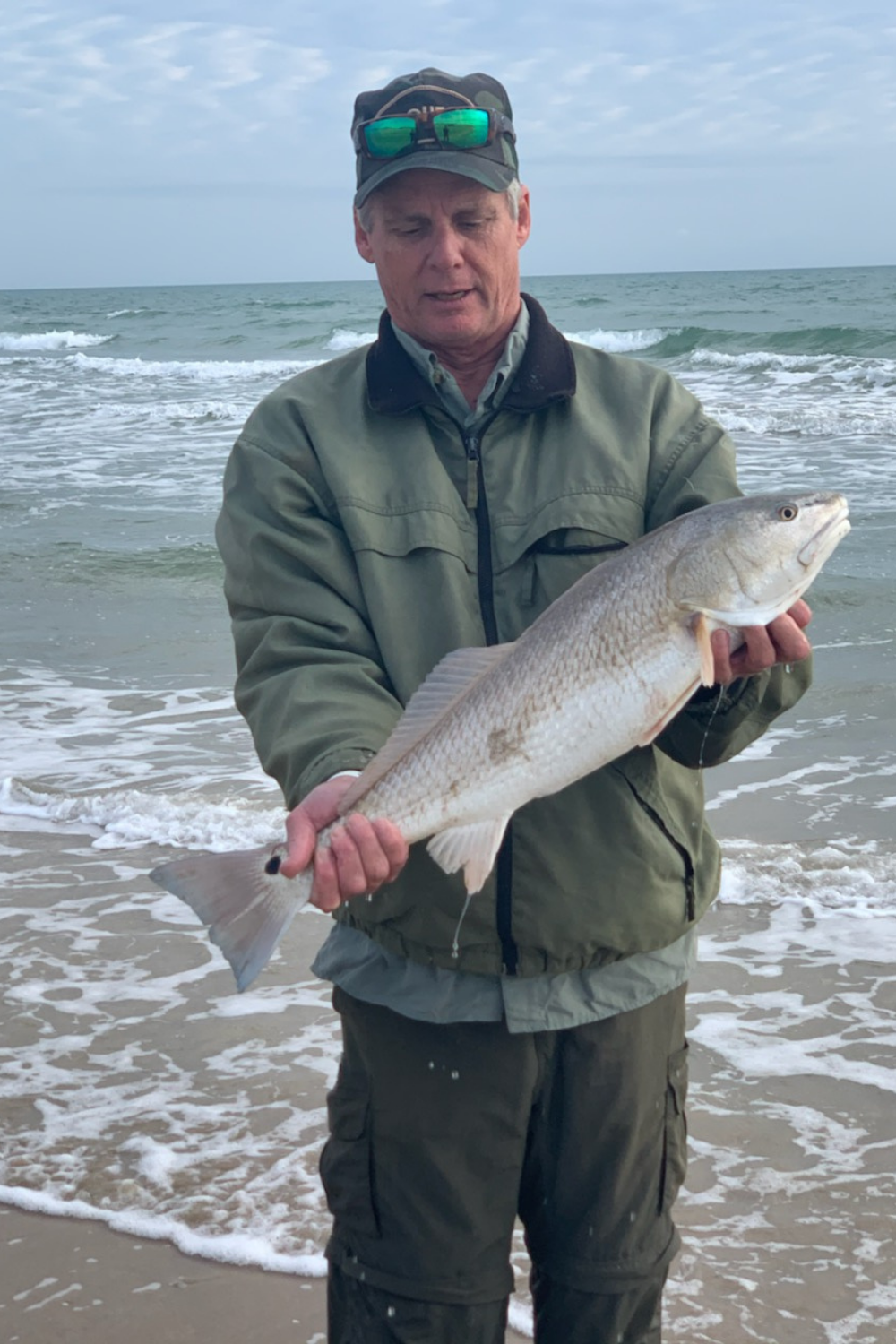
A life long surf fisherman with 50+ years of experience, I am also an avid hunter and outdoorsman. I will be sharing my passion for the outdoors with you so be prepared for hunting, fishing, camping, hiking and more. Along with gear reviews and the latest trends and innovations in the outdoor industry.