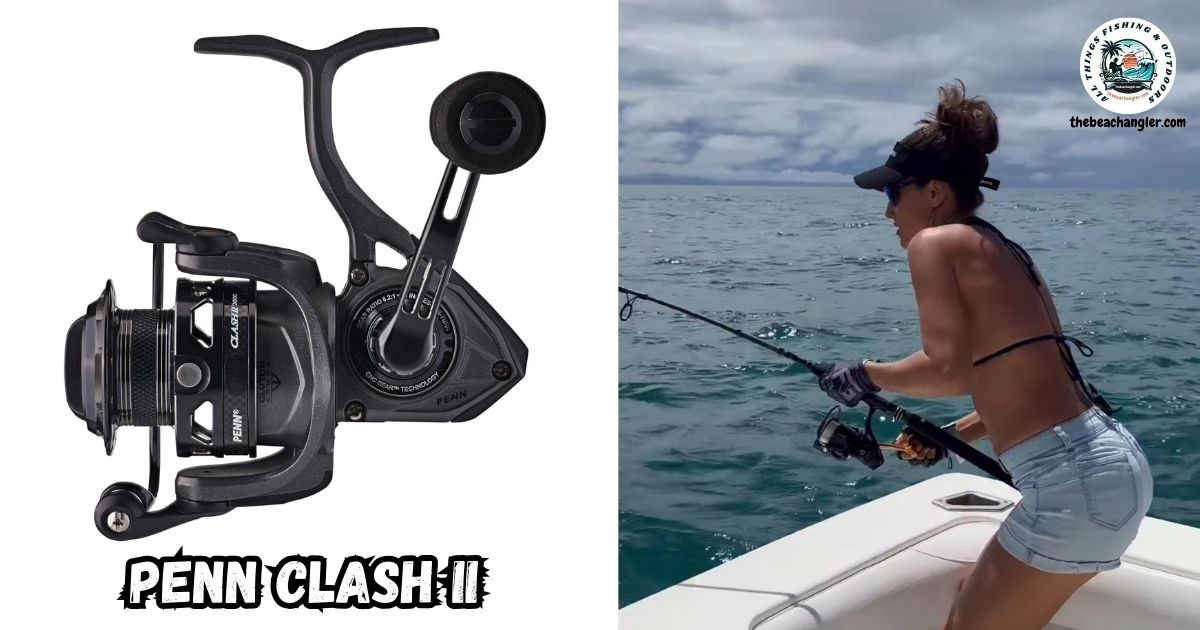
The Penn Clash II spinning reel is a fishing tool that truly makes a difference, especially if you spend a lot of time chasing inshore species. After using the Clash II on various saltwater trips, I’ve found it to be as reliable as many reviewers claim.
QUICK LOOK: Tips to Get the Most out of Your Penn Clash II Spinning Reel
- Rinse After Every Trip: Salt and sand can quickly ruin even the best reel. A gentle rinse followed by a towel dry keeps the bearings smooth and prevents corrosion.
- Regular Oiling: The line roller and handle are the most important areas. One or two drops of oil every couple of outings will keep things moving well and prevent unnecessary wear.
- Avoid Full Submersion: If you know you’ll be fishing in deep water or might drop the reel in the surf, consider a fully waterproof reel instead for peace of mind.
- Match the Size to the Target: The 2500 or 3000 is perfect for light inshore action. Move up in size for heavier lines or larger fish. Having several reels for different scenarios helps maximize performance.
The features stand out for anglers who value smooth drag, durable construction, and good line management. This review covers everything I personally noticed about the Penn Clash II, breaking down what to expect and what you’ll really get from owning one.
Who the Penn Clash II Is Best For
If you’re like me and spend hours casting for tough fighters like redfish, snook, or false albacore, the Clash II is built with your needs in mind. It balances lightweight comfort with enough strength to handle long battles. Hobbyists and semi-serious anglers will appreciate how simple it is to use, while more advanced fishers can push its limits with braided lines and hard runs.
Long casting sessions become easier, and fatigue is noticeably reduced thanks to the lightweight design. Some guides even recommend it to clients who prefer a reel that doesn’t cramp their hands during lengthy sessions.
If you’re into freshwater fishing, you can still use it for largemouth bass or pike, though the saltwater-protective features become a little less valuable inland. However, if you like switching things up between freshwater and salt, owning this reel gives you flexibility and peace of mind.
Performance Breakdown: Drag, Gears, and Cranking
The drag system on this reel, Penn’s HT-100 carbon fiber, is honestly one of the smoothest I’ve used outside of reels that cost much more. When I hooked into a fast-running false albacore last fall, the drag let out line cleanly, without sudden slips or jerks.
This keeps pressure on the fish and helps wear them down. That really reduces the risk of broken lines or hooks pulling free, especially on bigger fish that make strong, unpredictable runs. Internally, the CNC Gear system and all-metal body give the Clash II a solid feel. Even after several months of steady use, the cranking action feels just as smooth as day one.
It’s clear that the gears remain well-aligned under heavy pressure, something you don’t always get with lighter, plastic-bodied reels. The handle offers a slight flex under serious load, but nothing disruptive. The robust build means this reel can take a beating and still perform, making it a solid choice for anglers pushing gear hard on the water.
Line Management and Braided Line Compatibility
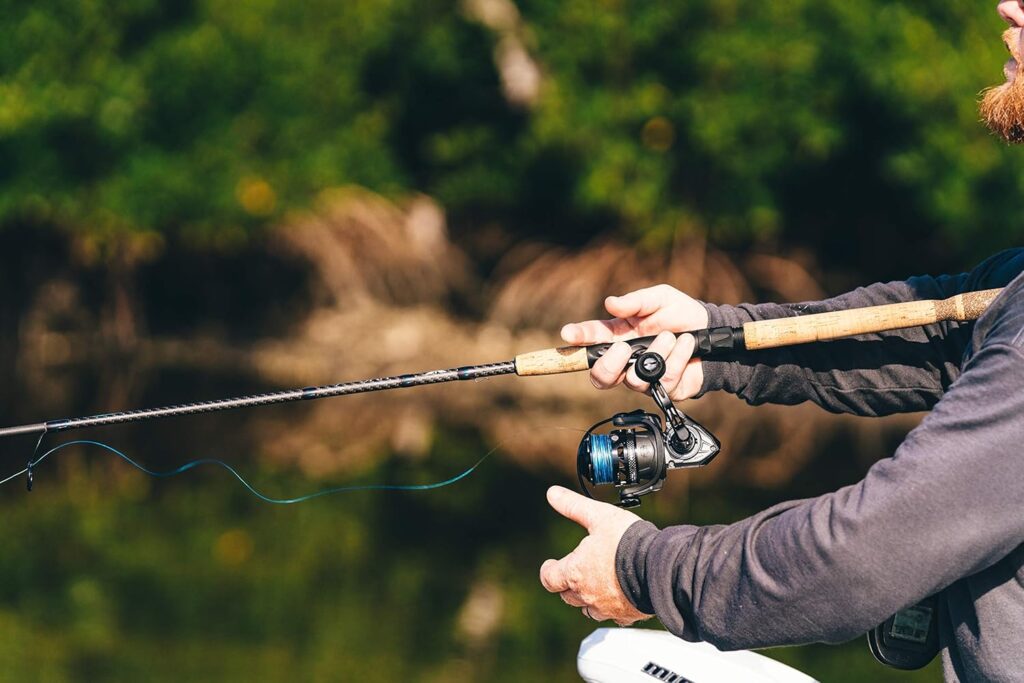
One thing I noticed right away is the reel’s capacity to handle braided line. I almost always fish with braid in saltwater, and wind knots can be a real headache. The Leveline Slow Oscillation System and the Hydrophobic Line Roller Bearing do a solid job with line management.
Even after long casting sessions in windy conditions, I noticed fewer tangles and more even line lay than with older Penn reels or even some from Shimano or Daiwa in a similar price range. The Hydrophobic Line Roller Bearing especially helps in saltwater environments, as it doesn’t gum up or corrode quickly.
It is not totally maintenance-free, though. If you let salt build up, even the best bearing can wear down. I try to give mine a quick rinse and oil after each trip, which keeps it spinning well. Switching from monofilament to braid works seamlessly, allowing you to experiment and find the line that works best for your fishing style.
Construction and Durability
This reel is built with a full metal body and sideplate, which is really important if you want a reel that stands up to repeated heavy use. I’ve smacked mine on the gunwale a few times, dropped it, and even had it bounce around in the trunk; yet there was no visible damage and no loss in performance.
Corrosion resistance is good, thanks in part to sealed bearings and the Clutch Armor System, which helps keep water out of the gearbox and clutch. The Clash II is rated as water-resistant, not waterproof, so you can splash it or get caught by light spray, but you should avoid dunking it completely.
There was one time I dropped it in the surf. It didn’t seize up immediately, but I had to take it apart to clean and re-lubricate everything within a day to avoid long-term damage. Regular upkeep definitely pays off for longevity, ensuring your reel stays reliable season after season.
Compared to Penn’s other reels, like the Battle III, this one is tougher and lighter at the same time, which means less arm fatigue during a long day on the water. The lighter build is a real benefit for anyone hopping from spot to spot or casting lures all day.
Size and Gear Ratio Options
The Clash II comes in a range of sizes and gear ratios. I use the 3000 and 4000 models most often for inshore action, pairing them with a medium rod and 20-pound braid for redfish or stripers. If you like to fish for smaller species, the 2500 size keeps things extra light.
Offshore anglers will find the 5000, 6000, and even 8000 sizes appropriate for heavier lines and targeting bigger quarry. The fast 7.0:1 gear ratio on some models is incredibly useful when you need to pick up slack line quickly. It comes in handy when fish charge the boat or the lure needs to be worked fast during a retrieve.
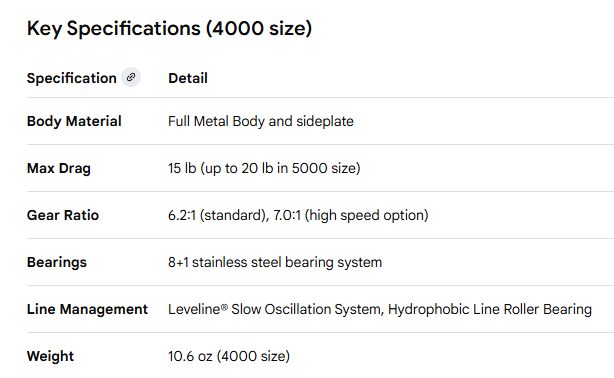
For bottom jigging or slower techniques, the standard speed models work perfectly, too. That range of options means you can find a Clash II that fits any of your fishing situations, whether you’re casting from a kayak or targeting open water.
Pros and Cons Based on Experience
| Pros of the Penn Clash II |
|---|
| Smooth and Reliable Drag: Always stays consistent, even on long runs. That keeps pressure on tough fish and helps you avoid breakoffs. |
| Very Rigid Metal Body: No flexing under load, and it stays precise through heavy use, which helps keep everything feeling precise and predictable. |
| Braided Line Management: Fewer wind knots and smoother casting, especially due to the slow oscillation. |
| Lightweight for Its Strength: Easier for extended casting, and you’ll really notice it after several hours. |
| Easy Maintenance: The design is simple enough for quick cleaning and routine lubrication, so it won’t take much of your time to keep it performing well. |
| Versatile Sizes and Ratios: Models for a wide range of applications, from back-bay trout to nearshore tuna, making it possible to own one series of reels for almost all your needs. |
| Cons of the Penn Clash II |
|---|
| Water Resistance, Not Waterproof: Quick dunks or submersion mean you have to do immediate maintenance. It can be vulnerable if you’re accident-prone or in consistently rough surf. |
| Price Tag: A bit more expensive than similar Penn models like the Battle III, although the features do feel upgraded, especially if you fish hard or value longevity. |
| Line Roller Still Needs Care: Despite improvements, it helps to oil the bearing regularly. Neglect can cause wear over time, and the roller can become less effective if not looked after. |
Tips to Get the Most Out of Your Penn Clash II
- Rinse After Every Trip: Salt and sand can quickly ruin even the best reel. A gentle rinse followed by a towel dry keeps the bearings smooth and prevents corrosion.
- Regular Oiling: The line roller and handle are the most important areas. One or two drops of oil every couple of outings will keep things moving well and prevent unnecessary wear.
- Avoid Full Submersion: If you know you’ll be fishing in deep water or might drop the reel in the surf, consider a fully waterproof reel instead for peace of mind.
- Match the Size to the Target: The 2500 or 3000 is perfect for light inshore action. Move up in size for heavier lines or larger fish. Having several reels for different scenarios helps maximize performance.
Questions Anglers Ask About the Penn Clash II
How does the drag compare to more expensive reels?
The HT-100 carbon fiber drag is honestly very close to what I’ve found on some reels costing $100 more. It feels smooth, doesn’t heat up quickly, and handles pressure well over long runs. You might not even notice a difference unless you’re targeting really large or exceptionally fast fish.
Can you use this reel in freshwater?
Absolutely. Its anti-corrosion technology shines most in saltwater, but it’s great for bass, walleye, and pike, too. The saltwater features aren’t strictly required inland, but the extra durability is always a bonus for hard-using anglers.
How often should you clean and oil the reel?
A quick rinse and dry after every trip is enough for typical use. If you’ve been in heavy surf or around sand, follow up with oil on the line roller and handle bearings. Every year, a deeper clean helps keep things running perfectly, but regular light maintenance is usually enough.
Is it good with both monofilament and braided line?
Yes, it works well with both. I notice the biggest benefits with braided line because the slow oscillation and bearing design help prevent tangles and wind knots. If you like testing different lines, this reel is flexible enough to handle them all without fuss.
My Final Thoughts on the Penn Clash II
The Penn Clash II spinning reel fits those who want something that feels both strong and smooth, with reliable drag and advanced line management. Even though it costs a little more than some Penn options, I find the extras pay for themselves after a season of tough fishing. Maintenance is straightforward, and with the right care, it will last for years.
Just keep it out of the surf or deep water, and it won’t let you down. For anyone chasing inshore or smaller offshore species, this reel is an upgrade that’s ready for anything you throw at it. With its versatile sizing, rugged build, and user-friendly features, the Clash II has become my go-to for reliable fishing that doesn’t compromise on performance or comfort.
Check Out Our Most Recent Articles:
- The Daiwa KAGE Inshore Rods
- Daiwa Free Swimmer Spinning Reel
- Daiwa Blackline Inshore Rods
- The Daiwa Saltist Back Bay Spinning Reel
- Shimano TR Triton Reel Review
- Shimano TLD Reels Review
As always, stay safe, enjoy the journey, and please try to leave it cleaner than you found it. If you have any comments, questions, ideas, or suggestions, please leave them in the comment section below, and I’ll get back to you ASAP. You can follow us on Facebook: Rex The Beach Angler, Instagram: thebeachangler7, Twitter: @AnglerBeach, and YouTube: Man Art Creations.
P.S. Thanks so much for checking out our blog; we really appreciate it. Just so you know, we may receive a commission if you click on some of the links that appear on our site. This helps us keep our content free and up-to-date for everyone. We appreciate your support!





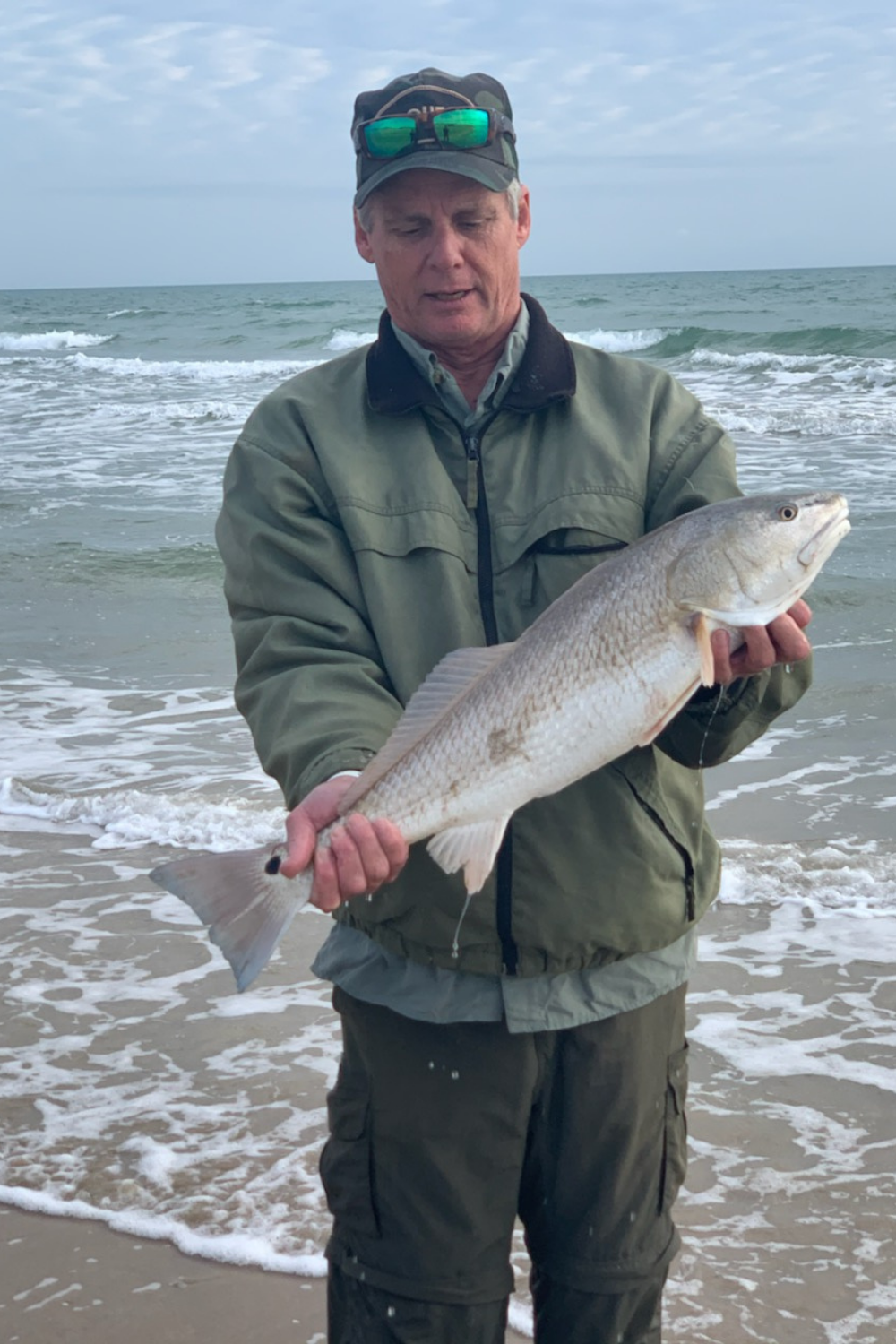
A life long surf fisherman with 50+ years of experience, I am also an avid hunter and outdoorsman. I will be sharing my passion for the outdoors with you so be prepared for hunting, fishing, camping, hiking and more. Along with gear reviews and the latest trends and innovations in the outdoor industry.