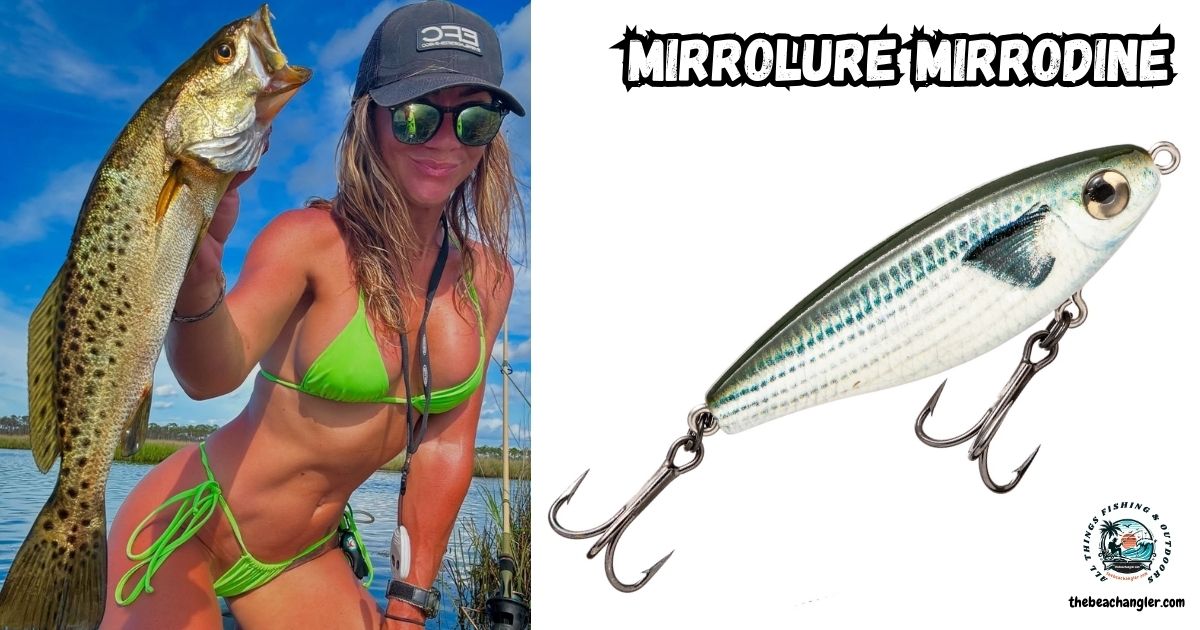
Fishing the Mirrolure Mirrodine suspending twitchbait has become one of my favorite ways to target inshore game fish like speckled trout, redfish, and snook. This lure is designed to mimic a wounded baitfish, and when worked correctly, it looks incredibly realistic in the water.
QUICK LOOK
- Start Shallow: Fish the Mirrodine in water depths of 1-4 feet. It works great over grass flats, potholes, and near oyster bars, places where baitfish naturally gather. These shallows usually hold aggressive fish willing to chase down a well-presented twitchbait.
- Practice the Cadence: Get a feel for the twitch-pause-retrieve by practicing in a swimming pool or clear water. Watching how the lure moves helps nail down the right twitch speed and pause duration. Practicing allows you to really catch what makes the lure attractive to fish.
- Watch for Strikes: Many bites come on the pause, so pay close attention and react quickly. Sometimes, the only sign is a line tick or the lure suddenly moving off to one side.
- Vary Your Retrieve: If you’re not getting bites, try changing up the retrieve rhythm or pause length until you start to get feedback from the fish. Sometimes, even switching to a shorter pause or quicker twitch is all it takes to trigger fish that have been hesitant.
- Don’t Overwork the Bait: Avoid aggressive, wide rod sweeps. Subtlety usually gets more attention from fish, especially on pressured water or when the weather cools off.
- Fish the lure on windy days with a sideways cast to cover water efficiently. The pause lets the lure hang in place even if current or wind is pushing your line, and helps you search wide stretches for active fish.
- Use the smaller Mirrodine (like the 17MR size) during late fall and winter when baitfish are smaller, and the larger sizes (27MR or 37MR) in late spring or when mullet runs are happening. Matching the hatch is key to fooling trophy-sized trout and snook.
- Target shadow lines, dock edges, and oyster bars during stronger tides. These are ambush points where fish are used to seeing baitfish struggling in the current, so pausing the Mirrodine here often gets explosive hits.
- Stay mobile. If you’re not getting bites in one spot, move and try a new area. Covering water helps find active fish. Also, try fishing around bridges or mouths of creeks on moving tides, as these areas frequently produce fish eager to grab a suspending twitchbait.
I want to break down how I use the Mirrodine to get the most strikes, what tackle I pair with it, and tips for anyone just getting started or looking to increase their hookup rates with this classic lure. The Mirrodine has earned a reputation over the years as a steady producer, whether you’re fishing the clear waters of the Gulf Coast or the tannin-stained bays of the Southeast.
Let’s get into what makes this lure so effective, how to get started, and some additional tricks for both new and experienced anglers alike.
Understanding the Mirrolure Mirrodine Suspended Twitchbait
The Mirrodine, made by Mirrolure, is a suspending twitchbait. This type of lure sinks slowly after you cast it, but will stay in the strike zone when you pause, making it really effective for drawing attention from fish that are looking for an easy meal.
The Mirrodine comes in a few sizes, but the basics of how to fish it remain the same. It features a lifelike profile, 3D eyes, and a reflective finish that flashes light and attracts fish even in less-than-perfect water clarity. The biggest appeal of this lure lies in its suspending action.
When I pause during my retrieve, the Mirrodine hangs in the water and imitates a wounded or disoriented baitfish. Most of my strikes happen right when I pause, so this aspect is key to triggering bites, especially from wary or pressured fish.
Because fish often associate pausing or erratic movement with an easy target, the Mirrodine’s design shines in conditions where subtlety is critical. Unlike topwaters or sinking plugs, the suspending effect keeps you right in front of the fish for the maximum amount of time.
The Mirrodine also gives anglers a lot of versatility. By simply adjusting how long you let it sink before starting your retrieve, you can work it in shallow water or dig into deeper troughs and cuts. Its weight makes casting easy, even in moderate wind, and it features realistic rattles that add vibration to further entice predatory fish.
How to Fish the Mirrodine: The Twitch-Pause-Retrieve Technique
The main way I fish the Mirrodine is with a twitch-pause-retrieve pattern. Here’s how I approach the retrieve:
- Cast and Sink: After I cast, I let the lure sink for a few seconds. Depending on how deep I want to fish, this might be just a second or up to five seconds for deeper grass or potholes. Often, I count down in my head to stay consistent. It’s helpful to map out the bottom structure using polarized sunglasses, so you know precisely how deep your lure needs to go.
- Twitch: With my rod tip down, I give the rod 1 to 3 short, sharp twitches while keeping a bit of slack in my line. This causes the lure to dart and flash unpredictably, a movement that stands out even on pressured flats where fish have seen it all.
- Pause: I stop moving the rod completely and let the Mirrodine suspend in the water. I keep the line slack but stay ready for a strike. During this pause, usually 3 to 5 seconds, I get most of my bites. The pause is when your lure looks the most helpless to a hungry trout or redfish.
- Reel Slack: After the pause, I reel up the slack to prepare for the next round of twitches. Then I repeat the whole process.
I’ll often change up my cadence depending on how the fish are acting. When the water’s cold or the bite feels slower, I make my pauses longer and keep the twitches gentle. For active or aggressive fish, I’ll shorten the pause or make the twitches quicker to imitate fleeing bait.
Sometimes, if fish aren’t responding to one approach, I’ll use a “double twitch”—a fast pair of twitches, then pause. This erratic action can fire up reluctant feeders or fish following the lure but not striking.
Key Techniques for a Successful Presentation
Fine-tuning the way I work the Mirrodine makes a big difference in catch rates. Here’s what I pay close attention to when fishing these lures:
- Be Subtle: Small, gentle twitches are more effective than hard, sweeping jerks. The goal is to let the Mirrodine move like a struggling baitfish instead of something darting around wildly.
- Keep Your Rod Tip Down: This keeps the lure in the right depth and lets me control the action without pulling the lure too high in the water column. Maintaining the right trajectory helps mimic injured baitfish that hug the lower part of the water column.
- Maintain Slack on the Twitch: Just enough slack will help the lure flutter and flash side-to-side more naturally. Too much slack makes it hard to feel a bite, while a tight line limits action.
- Pay Attention to the Pause: Most strikes happen during the pause. Always watch your line and stay ready. Sometimes, a light twitch or simply letting the lure hang motionless is the trigger for a reluctant fish.
- Try an Erratic Retrieve: When fish seem fired up, three rapid twitches followed by a long pause can trick them into smashing the lure, thinking it’s a panicked baitfish. Don’t be afraid to mix in some variety when the bite slows down.
Tackle Setups That Work Best with the Mirrodine
Using the right rod, reel, and line combination is really important for making the Mirrodine move in a lifelike way and for feeling subtle bites. My go-to setup looks something like this:
- Rod: A medium or medium-light action spinning rod, around 6’10” to 7’2” long, gives me the casting distance I want and the soft tip necessary for precise twitching.
- Reel: I use a 2500 or 3000 size spinning reel. This balances weight and makes it easy to work the lure for long periods.
- Main Line: 10-15 lb braided line offers sensitivity and lets me feel light takes, with a few feet of 15-20 lb fluorocarbon leader attached for invisibility and abrasion resistance.
- Knot: Tying the Mirrodine on with a loop knot like a Rapala knot allows the lure to swing more naturally when twitched. The freedom of the loop increases strike production and imitates natural bait movement, an edge in clear water conditions.
- Hooks: If you plan to release fish or want more solid connections, swapping out factory treble hooks for single inline hooks (size 1/0 to 2/0) is a popular option among inshore anglers. Single hooks are easier on fish and anglers alike.
This tackle keeps me ready for quick reactions without adding too much weight that might tire me out on longer trips. Matching your gear to the lure’s weight also increases accuracy and makes fishing more comfortable. The lightweight setup also gives a better feel for subtle takes, which is critical for maximizing hookups in tough or coldwater conditions.
Matching Conditions and Selecting Colors
Choosing the right color for the Mirrodine helps increase its effectiveness in both clear and stained water. My experience has shown that these basic guidelines work across seasons and a variety of water conditions:
- Clear Water: Use patterns that mimic local baitfish, like green back/silver belly or translucent finishes. These look the most natural when the water is clean, especially over grass flats or sandy bottoms. Subtle patterns can draw more strikes in sunny conditions when fish have plenty of time to check out the lure.
- Stained or Dirty Water: Go for lures with bright finishes, bigger reflectors, or patterns with gold, chartreuse, or orange. These colors stand out and are easier for fish to pick up in darker water. Flashy colors are especially effective on overcast or windy days when visibility is reduced.
- Cloudy or Low-Light: I prefer lures with more flash. Options with a gold or holographic side help get attention during dawn, dusk, or overcast days when baitfish and predators congregate near shorelines for feeding.
My best results come from observing what baitfish are present in the area and matching my color choice to what the fish are feeding on. I always keep a few colors handy to switch things up if bites slow down. Sometimes, even minor color changes can spark a reaction from fish that have been ignoring the lure.
Getting Started: Tips for New Anglers
When you’re just starting with the Mirrodine, a little preparation goes a long way. Here are steps and tips that helped me have early success with this lure:
- Start Shallow: Fish the Mirrodine in water depths of 1-4 feet. It works great over grass flats, potholes, and near oyster bars, places where baitfish naturally gather. These shallows usually hold aggressive fish willing to chase down a well-presented twitchbait.
- Practice the Cadence: Get a feel for the twitch-pause-retrieve by practicing in a swimming pool or clear water. Watching how the lure moves helps nail down the right twitch speed and pause duration. Practicing allows you to really catch what makes the lure attractive to fish.
- Watch for Strikes: Many bites come on the pause, so pay close attention and react quickly. Sometimes, the only sign is a line tick or the lure suddenly moving off to one side.
- Vary Your Retrieve: If you’re not getting bites, try changing up the retrieve rhythm or pause length until you start to get feedback from the fish. Sometimes, even switching to a shorter pause or quicker twitch is all it takes to trigger fish that have been hesitant.
- Don’t Overwork the Bait: Avoid aggressive, wide rod sweeps. Subtlety usually gets more attention from fish, especially on pressured water or when the weather cools off.
Common Challenges and How to Handle Them
Fishing Mirrodines has its own learning curve. When I first started, these were a few of the obstacles I faced and how I worked around them:
- Missing Bites: Sometimes I felt a thump but missed hookups. I learned to wait until I felt steady pressure before setting the hook. A steady, controlled lift rather than a hard jerk works better. This technique keeps the lure from pulling away too quickly, letting the fish fully commit.
- Snags in Grass: Fishing over shallow grass flats means the Mirrodine can pick up weeds. Raising the rod tip slightly on the retrieve or slowing down the cadence can help the lure run just above the grass, dodging the snags.
- Changing Conditions: Water clarity and feeding habits can change fast. Being able to adjust color and cadence is really important for staying consistent throughout the day. If what worked in the morning isn’t catching fish by afternoon, don’t hesitate to swap colors or tweak your retrieve.
Each outing has taught me something new, and sticking with it always pays off. Time on the water is the best way to improve. Observing the habits of local anglers and watching professional fishing videos can also reveal valuable little tricks that make the difference in tough conditions.
Advanced Tips to Get the Most from Your Mirrodine
After plenty of hours working the Mirrodine, I picked up these extra tips for drawing more strikes:
- Fish the lure on windy days with a sideways cast to cover water efficiently. The pause lets the lure hang in place even if current or wind is pushing your line, and helps you search wide stretches for active fish.
- Use the smaller Mirrodine (like the 17MR size) during late fall and winter when baitfish are smaller, and the larger sizes (27MR or 37MR) in late spring or when mullet runs are happening. Matching the hatch is key to fooling trophy-sized trout and snook.
- Target shadow lines, dock edges, and oyster bars during stronger tides. These are ambush points where fish are used to seeing baitfish struggling in the current, so pausing the Mirrodine here often gets explosive hits.
- Stay mobile. If you’re not getting bites in one spot, move and try a new area. Covering water helps find active fish. Also, try fishing around bridges or mouths of creeks on moving tides, as these areas frequently produce fish eager to grab a suspending twitchbait.
Success with the Mirrodine boils down to a realistic presentation and matching the conditions in front of you. Trust your instincts, pay attention to the details, and be ready for the strike on every pause. Many seasoned anglers agree that it’s all about keeping your lure looking natural and being patient. The more you experiment with speed, length of pause, and color, the faster you’ll “crack the code” in your area.
Frequently Asked Questions
Here are questions I hear most often about fishing the Mirrolure Mirrodine:
What species can I target with the Mirrodine?
Speckled trout, redfish, snook, flounder, and even small tarpon all respond well to the Mirrodine. It’s an all-around inshore lure, but you might stumble upon big jack crevalle and ladyfish on occasion, too.
Do I need a special rod to fish these lures?
A standard medium-light or medium spinning rod is perfect. You don’t need specialized gear, but a soft tip lets you work the lure more naturally. Any quality spinning combo in this range will let you get the most out of the lure’s action.
What’s the biggest mistake anglers make with the Mirrodine?
Overworking the bait is common. Most fish prefer a gentle, wounded action. Less is often more with this lure. Practice restraint and slow down your retrieve if you’re not getting hits.
How do I avoid missing strikes?
Stay alert during the pause, keep just enough slack to allow movement, and use a steady hookset instead of an aggressive snap. If you spot a twitch in the line or any unnatural movement, be ready to react with a smooth lift of the rod.
Final Thoughts on the Mirrolure Mirrodine
Wrapping up, the Mirrodine stands as one of the most user-friendly lures for both new and experienced saltwater anglers. Its realistic profile, easy-to-master retrieve, and versatility across water conditions mean you’ll always have a good fallback option in your tackle box. Get out there and give this suspending twitchbait a try. You just might stumble upon your new favorite way to catch inshore fish! For winter fishing, where you need a slower retrieve, try the Mirrolure Soft-Dine.
As always, stay safe, enjoy the journey, and please try to leave it cleaner than you found it. If you have any comments, questions, ideas, or suggestions, please leave them in the comment section below, and I’ll get back to you ASAP. You can follow us on Facebook: Rex The Beach Angler, Instagram: thebeachangler7, Twitter: @AnglerBeach, and YouTube: Man Art Creations.
Check Out Our Most Recent Articles:
- The Daiwa Crosscast Surf Reel
- Kastking Megajaws Elite Saltwater Baitcasting Reel
- Nomad Switcher Shrimp Lures
- Quantum Merit Spinning Reel
- Why Is Surf Fishing Popular?
- Why Do Anglers Use Different Types Of Fishing Lines For Saltwater Fishing?
P.S. Thanks so much for checking out our blog; we really appreciate it. Just so you know, we may receive a commission if you click on some of the links that appear on our site. This helps us keep our content free and up-to-date for everyone. We appreciate your support!





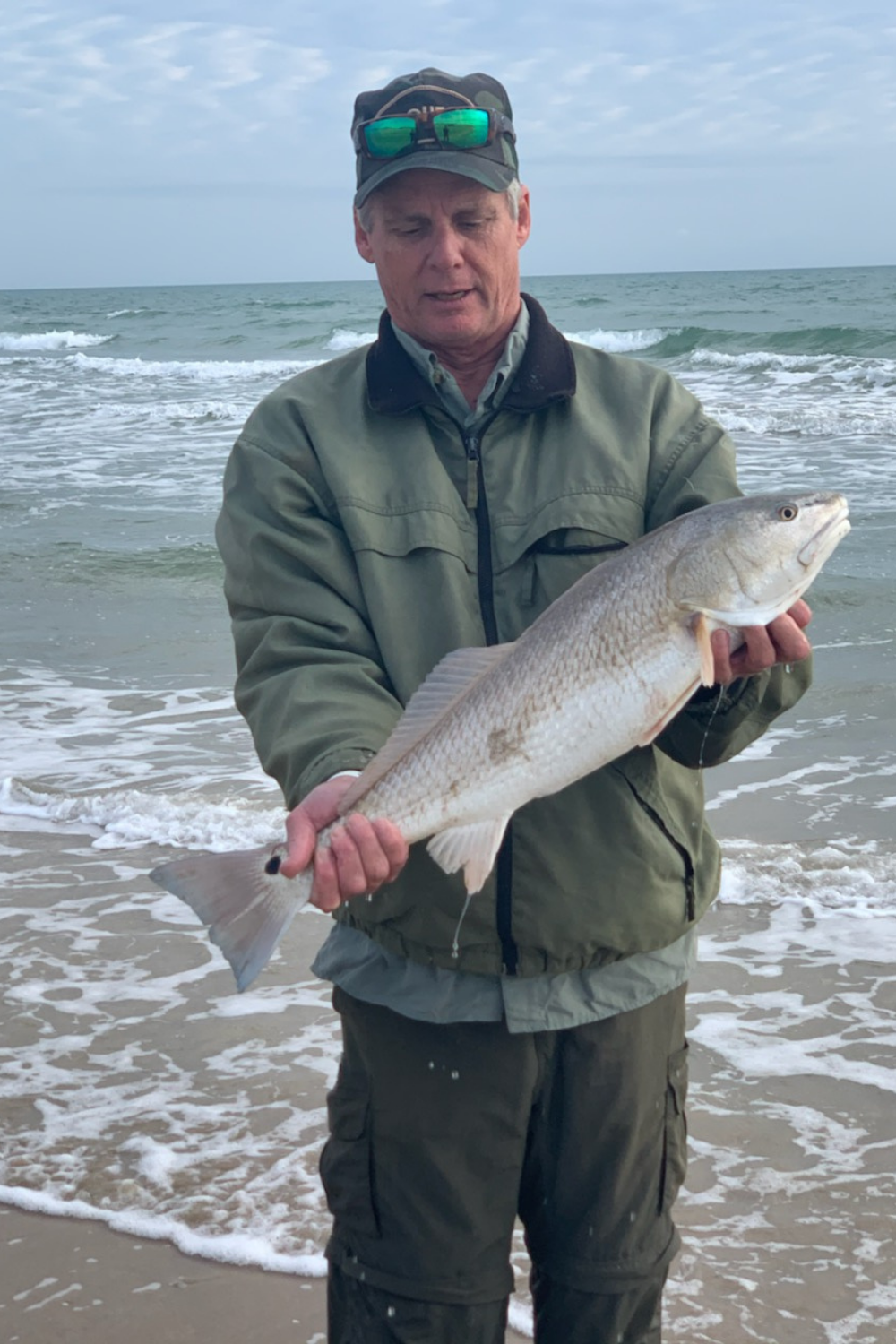
A life long surf fisherman with 50+ years of experience, I am also an avid hunter and outdoorsman. I will be sharing my passion for the outdoors with you so be prepared for hunting, fishing, camping, hiking and more. Along with gear reviews and the latest trends and innovations in the outdoor industry.