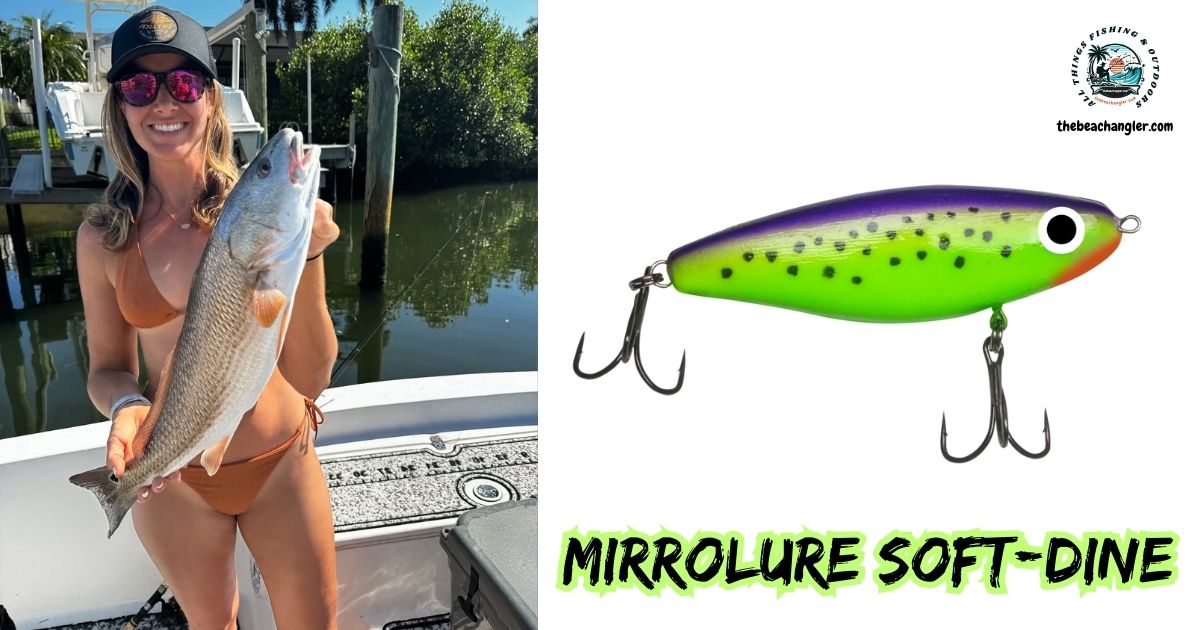
If you spend any time fishing for inshore species like speckled trout or redfish, chances are you’ve heard about the Mirrolure Soft-Dine lures. These soft-bodied suspending twitchbaits have built a reputation for drawing strikes from even the most hesitant fish. I’ve spent plenty of time fishing with them and think they deserve a close look if you’re trying to up your saltwater game.
Understanding the Mirrolure Soft-Dine Lure
The Mirrolure Soft-Dine is a soft plastic suspending bait designed to mimic a wounded baitfish. The soft body gives it a more subtle, lifelike action compared to hard twitchbaits. One thing that makes these lures special is how realistically they move in the water. Every twitch sends a little flash and shimmy through the water, and that’s what gets fish interested, especially on tough days when other lures get skipped.
The Soft-Dine comes in two sizes. The standard size fits most conditions, while the XL version mimics mullet and bigger prey. When fish are focused on larger bait, the XL shines and often gets the attention of the biggest trout and redfish in the area.
QUICK LOOK: Key Features of the Mirrolure Soft-Dine that Make a Difference
- Natural Presentation: The soft body gives the SoftDine a unique wobbly movement with every twitch, which is hard to get with solid plastic lures.
- Sonic Rattle Chamber: Each lure includes a built-in rattle, adding extra attraction even in murky water or low light.
- Suspending Action: The SoftDine hangs just below the surface, with a slow sink that keeps it right in the strike zone.
- Color Variety: Popular colors like Bayou Green Back, Texas Chicken, Opening Night, and Black/Pearl help match local baitfish.
- Easy to Cast: I’ve found both sizes cast well, even when I need to reach fish on a windy day or across a wide flat.
How I Fish the Mirrolure Soft-Dine
Fishing the Soft-Dine is about making it look like an easy meal. My go-to technique is the simple twitch-twitch-pause retrieve. I cast it out, let it settle, then give a few short twitches followed by a pause. Most strikes come on the pause, when the lure hangs in the water, looking hurt and defenseless.
This lure shines in calm or lightly choppy water. In rough surf, the subtle action gets lost, so I switch to a louder or heavier lure instead. On most inshore flats, though, nothing beats the Soft-Dine for convincing pressured fish. It’s especially good in the cooler months, when the bite slows down, and fish get suspicious of splashier presentations.
My Favorite Situations for the Soft-Dine
I reach for the Soft-Dine whenever I see fish chasing small baitfish, or when the water is clear,r and trout seem hesitant to attack traditional hard baits. In warm water with lots of mullet present, I switch to the XL size and try to match the hatch using the more natural colors.
The lure keeps working well even when the wind picks up. Still, if waves get too big, its subtle action may not pop enough to pull fish out of deep grass or shell. The Soft-Dine also works tactically around docks, grasslines, and oyster beds, especially for finicky reds. The slow sink lets it hover in front of fish longer, prompting more bites.
When fishing around structure, I use lighter leader for more subtle presentations and better lure action. If I see baitfish flicker or boil, I’ll cast right past the commotion and work the lure back through it. This method has fooled a lot of big trout and reds for me when things get slow with other lures, especially in clear water or under cloudy conditions.
Pros and Cons I’ve Noticed
| Pros of the Mirrolure Soft-Dine |
|---|
| Super natural, subtle presentation. |
| The XL draws big trout and redfish when they’re hunting larger bait. |
| Top choice for finicky or pressured fish. |
| Great color variety for matching local baitfish. |
| Cons of the Mirrolure Soft-Dine |
|---|
| The soft body sometimes gets torn up fast by toothy or aggressive fish. |
| Standard hooks tend to bend on bigger fish. |
| Not ideal in heavy chop or surf because the action gets lost. |
| Needs hook upgrades for lasting power, especially for redfish or snook. |
Tackle Tweaks and My Advice on Hook Upgrades
If you want to get the most from your Soft-Dine, I highly recommend swapping out the stock treble hooks. The standard hooks are okay for smaller trout, but they bend easily when a redfish or jack grabs hold. I use stronger trebles or sometimes switch to single inline hooks, especially when I’m after big fish or fishing around oyster beds.
It takes a few extra minutes, but the difference is obvious the first time you hook something heavy. Carry a pack of stronger spare hooks in your tackle box. Changing them out on the water makes sure you’re not worrying about hardware when that trophy fish strikes. Also, check split rings periodically since they can wear down with heavy use.
Tips for Getting the Most from Your Soft-Dine
- Use a twitchpause-twitch retrieve and let the lure suspend to get more bites.
- Stick with natural colors on clear days and switch to brighter ones during low light or in stained water.
- Watch out for bluefish or puffers; they tear up the soft body quickly.
- Carry extra lures for days when fish get really aggressive, and you lose a few to damage.
- Store them away from other soft plastics to avoid any melting or chemical reactions.
When to Throw the XL Version
The XL size is my go-to whenever I’m around schools of mullet or other large bait. Fish often get fixated on the prey around them, so matching the larger profile of the Soft-Dine XL tips the odds in your favor, especially for trophy trout that don’t want to waste energy chasing small meals.
Around jetties and major current breaks, the extra size can also draw out those fish holding deeper and waiting for food to come to them. If you tie on the XL, be patient and let it soak in the strike zone longer, as big fish often follow before striking.
Common Issues and Solutions
- Durability: The soft plastic body can get chewed up quickly. Keep spares ready, especially if bluefish are in the area.
- Hook Problems: Upgrade to stronger hooks, and keep a small set of split ring pliers handy for quick changes.
- Storage: Store Soft-Dines separately from other plastics to avoid any melting or color transfer.
- Action Loss in Wind: On windy or rough days, swap to a heavier or noisier bait to cut through the chop.
Experience with Different Species
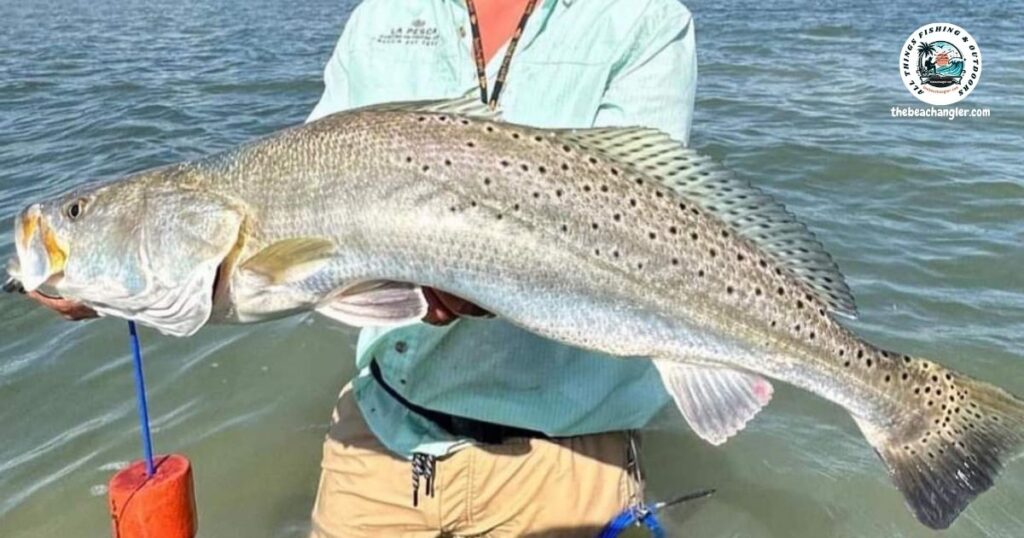
I’ve used the Soft-Dine with good results for speckled trout, redfish, snook, and even the occasional striped bass when fishing coastal inlets. While it attracts a variety of inshore fish, it gets torn up fastest by toothy predators like bluefish or ladyfish.
For those days, I bring backups so I’m not caught off guard if my main lure gets shredded. Occasionally, I’ve tried Soft-Dines in brackish and freshwater. Bass, pickerel, and even small pike will hit them, though durability can be an issue with these toothier fish.
Updating the hooks for freshwater species is also a bonus, as they can straighten basic trebles. The subtle shimmer on the pause seems to draw bites in cool spring creeks or sluggish lakes where traditional jerkbaits come up empty.
Buying the Right Soft-Dine
When picking out a Soft-Dine, think about the baitfish your target species are feeding on and match the size and color. Most tackle shops stock the popular colors, but some colors work better in certain regions or water conditions. I keep a variety on hand to switch things up if the fish get finicky.
Online retailers often carry the full range and sometimes offer better prices. Just be sure to check that you’re dealing with a reputable seller to avoid knockoffs that don’t perform the same as genuine Mirrolure products. It’s also smart to grab extras of your favorite colors, as the top options sell out fast during peak season. Ask local anglers about trends, and don’t be afraid to experiment.
Frequently Asked Questions
How does the Soft-Dine compare to the original Mirrodine?
The Soft-Dine uses a soft body instead of hard plastic, which gives it a more subtle action and makes fish hold on longer. The original Mirrodine suspending twitchbait is more durable, but I reach for the SoftDine when fish seem wary of harder baits.
What’s the best way to work the Soft-Dine for trout?
I use a twitch-twitch-pause retrieve, letting the lure hang in place after each burst of movement. Most of my bites come during the pause when the lure stays in the fish’s face as it suspends or slowly sinks.
Can I use the Soft-Dine in freshwater?
While it’s made for saltwater, I’ve caught bass and even some pike with it in brackish or freshwater areas. Hook upgrades help here, too, as toothy fish can tear up the soft body fast.
Are there similar lures that compete with the Soft-Dine?
A few brands make soft or suspending twitchbaits, but the Soft-Dine’s combination of softness, size options, and color choices gives it the edge in many situations. Some hard twitchbaits offer more durability, so I pick depending on water conditions and fish behavior.
Final Thoughts on the Mirrolure Soft-Dine
The Mirrolure Soft-Dine has earned its place in my tackle box because it consistently draws strikes from tough fish. The weak hooks and soft body require a little extra care, but that’s a small price to pay for a lure that works so well under real conditions.
Upgrading hooks, matching the hatch, and adjusting the retrieve make it even more reliable. Wrapping up, I recommend keeping a couple of these ready for your next inshore trip. Prepared the right way, they give you an edge when standard lures just aren’t cutting it.
Check Out Our Most Recent Articles:
- Kastking Kapstan Se Saltwater Spinning Reel
- The Daiwa Crosscast Surf Reel
- Kastking Megajaws Elite Saltwater Baitcasting Reel
- Nomad Switcher Shrimp Lures
- Quantum Merit Spinning Reel
- Why Is Surf Fishing Popular?
As always, stay safe, enjoy the journey, and please try to leave it cleaner than you found it. If you have any comments, questions, ideas, or suggestions, please leave them in the comment section below, and I’ll get back to you ASAP. You can follow us on Facebook: Rex The Beach Angler, Instagram: thebeachangler7, Twitter: @AnglerBeach, and YouTube: Man Art Creations.
P.S. Thanks so much for checking out our blog; we really appreciate it. Just so you know, we may receive a commission if you click on some of the links that appear on our site. This helps us keep our content free and up-to-date for everyone. We appreciate your support!





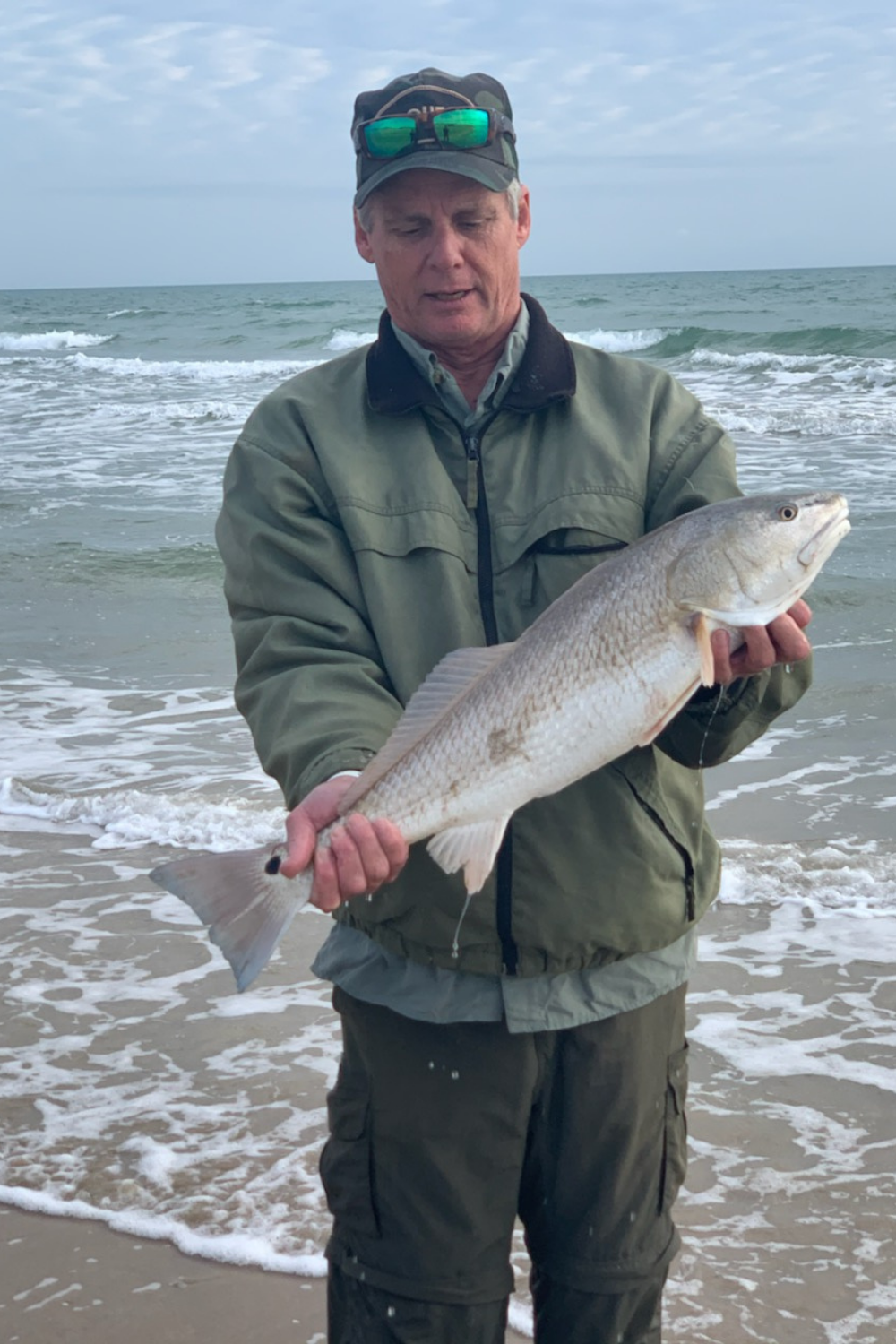
A life long surf fisherman with 50+ years of experience, I am also an avid hunter and outdoorsman. I will be sharing my passion for the outdoors with you so be prepared for hunting, fishing, camping, hiking and more. Along with gear reviews and the latest trends and innovations in the outdoor industry.