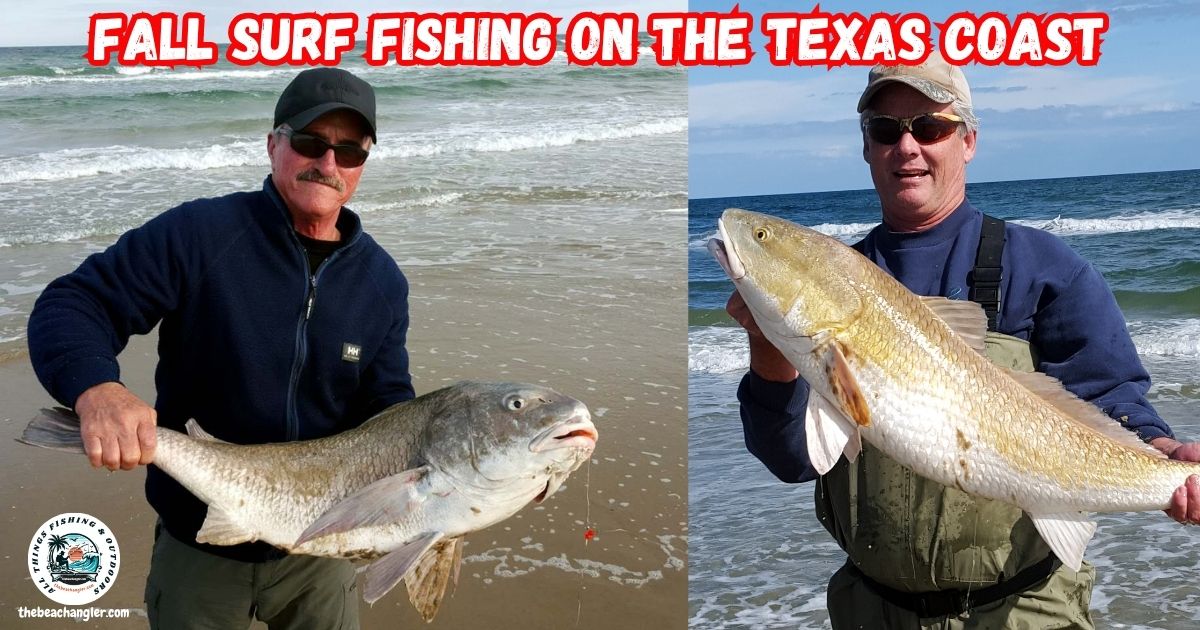
Fall offers some of the most thrilling surf fishing opportunities on the Texas Gulf Coast. As water temperatures drop, I notice fish activity ramping up since baitfish travel in huge schools along the shoreline.
QUICK LOOK: 8 Great Fall Surf Fishing Spots on the Texas Gulf Coast
- Galveston Island: A premier fishing spot that offers great opportunities in the fall as cooler weather sets in.
- Port Bolivar Inlet: Good for spotting redfish as they travel through the strait.
- San Luis Pass: Located at the far west end of Galveston Island the pass provides tidal exchange between the Gulf and West Galveston Bay and attracts redfish, flounder, speckled trout, sharks, and the occasional tarpon.
- Pass Cavallo (Port O’Connor): This area has strong currents and is a hotspot for bull reds and gator trout.
- Matagorda Beach: Located on the Matagorda Peninsula with 22 miles of rugged, remote beach where you can find sharks, bull redfish, speckled trout, and black drum in the fall surf.
- Port Aransas: Offers a variety of surf fishing experiences. Including 18 miles of beachfront on Mustang Island, Horace Caldwell Gulf Pier, and the south ship channel jetties.
- Padre Island National Seashore: Approximately 60 miles of remote beach that is ideal for surf fishing, though some areas may require a four-wheel drive vehicle. The “high banks” are considered the best fishing area, often with clearer water and deeper guts.
- Corpus Christi: Beaches like North Packery Jetty and South Packery Jetty are popular, as is Bob Hall Pier when it’s completed early in 2026.
The Texas coast, which runs from Galveston to South Padre Island, draws anglers looking to connect with big redfish, flounder, speckled trout, and other popular game fish. Knowing how to target these species, read the surf structure, and prepare for shifting conditions can make all the difference for anyone heading to the beach during autumn.
Top Target Species and Prime Locations
On my fall surf fishing outings, a few main species stand out. Tracking their habits lets me find the best action at just the right time.
- Redfish (Red Drum): Fall stands out for the bull redfish migration, with large adult reds cruising near jetties and along sandbars. I keep an eye out for “tailing” reds in shallow surf or just past the edge of sandbars, especially when the tide is coming in. Top places to track down big reds include the Port Aransas and Freeport jetties, Follets Island’s wide sandbars, and the shallows of Laguna Madre close to South Padre.
- Flounder: The fall “flounder run” is key, when these fish move from the bays into the Gulf. Outgoing tides at the mouths of bayous and passes like Sabine Pass or Pass Cavallo near Matagorda are prime for flounder action. At night, I sometimes jump into flounder gigging for a fun twist.
- Speckled Trout: Cooler days pull the bigger “gator” trout toward the beach as they chase baitfish flushed out of bays. I look for trout in shallow flats, near jetties, and traveling through passes, including Galveston’s East and West Bays, Matagorda Island, or Mustang Island.
- Whiting and Pompano: These dependable surf catches are all along the coast. I often add pompano rigs and fish bites to my setup, especially near the Port Aransas jetties when targeting pompano or anywhere along open beach for whiting.
Fall Surf Fishing Spots on the Texas Gulf Coast
Popular fall surf fishing spots on the Texas Gulf Coast include Galveston Island, Port O’Connor’s Pass Cavallo, Matagorda Beach, Padre Island National Seashore, especially the area between the 20 and 40-mile markers, and Port Aransas.
Effective strategies involve using natural baits like shrimp, squid, or mullet and preparing for changing weather with layers and quick-drying gear. These locations offer opportunities to catch species like redfish and speckled trout as they migrate and feed in the cooler fall waters.
Northern Texas Coast
- Galveston Island: A premier fishing spot that offers great opportunities in the fall as cooler weather sets in.
- Port Bolivar Inlet: Good for spotting redfish as they travel through the strait.
- San Luis Pass: Located at the far west end of Galveston Island the pass provides tidal exchange between the Gulf and West Galveston Bay and attracts redfish, flounder, speckled trout, sharks, and the occasional tarpon.
Middle Texas Coast
- Pass Cavallo (Port O’Connor): This area has strong currents and is a hotspot for bull reds and gator trout.
- Matagorda Beach: Located on the Matagorda Peninsula with 22 miles of rugged, remote beach where you can find sharks, bull redfish, speckled trout, and black drum in the fall surf.
South Texas Coast
- Port Aransas: Offers a variety of surf fishing experiences.
- Horace Caldwell Pier: A long pier that extends into the Gulf, allowing you to catch larger nearshore fish.
- South Jetty: A good spot for catching both nearshore and calmer, inshore species.
- Mustang Island Beach: Offering vehicle access to 18 miles of beach for surf fishing and recreation.
- Padre Island National Seashore: Approximately 60 miles of remote beach that is ideal for surf fishing, though some areas may require a four-wheel drive vehicle. The “high banks” are considered the best fishing area, often with clearer water and deeper guts.
- Corpus Christi: Beaches like North Packery Jetty and South Packery Jetty are popular, as is Bob Hall Pier when it’s completed early in 2026.
Surf Fishing Gear and Essentials for Fall
Bringing the right gear and bait matters a lot, especially because fall fish tend to feed aggressively, and rougher surf is common. Here’s what I bring along for a typical fall run:
- Tackle and Rods: I use long surf rods (ranging from nine to twelve feet) and reels that can handle heavier line, especially if I’m after bull reds. These rods help me cast beyond outer sandbars and maintain pressure on powerful fish in steady currents. If I’m after trout, I’ll switch to lighter inshore tackle for better lure movement.
- Bait: Cut mullet and live crabs work wonders for big redfish, while live or fresh dead shrimp tempt nearly all species. Artificial lures like gold spoons or soft plastics produce plenty of trout and slot reds. Both fresh dead shrimp and synthetic baits are great for whiting and pompano, too.
- Terminal Tackle: I typically use fishfinder or Carolina rigs for natural bait, while pompano rigs with small circle hooks let me target a variety of surf fish.
Reading the Beach: Finding the Best Spots
Taking a close look at the water and sand always helps me pick the most productive fishing spots:
- Guts and Troughs: These deeper runs between sandbars, usually visible as darker water, serve as highways for fish on the move or hiding out. Casting into the first or second gut, sometimes just a few steps from the shore, is often very effective. I remind myself not to overcast and miss out on fish that are in close.
- Sandbars: Where waves break further from the beach usually marks a sandbar. Fish prowl these edges, looking for baitfish, especially when the tide is moving.
- Points and Cuts: I look for locations where water funnels, like small inlets or jetty ends. These places naturally crowd bait and predatory fish together.
Timing Your Trips for Maximum Action
I plan trips around periods when fish tend to bite more eagerly:
- Dawn and Dusk: Both baitfish and game fish get active as light fades or returns, so my best catches usually come at sunrise or sunset.
- Moving Tides: A rising or falling tide pushes new bait into the surf. I rely on tide charts or a smartphone app so I can pick the most promising windows. I avoid fishing slack tide, when water and bait movement basically stall, and catches slow down.
- Cold Fronts: The hours just before a front passes can be fantastic for hungry fish on the feed. Once the front is through, it often slows down for a day or two, so I try to time my outings for that pre-front surge.
Weather, Beach Access, and Prep
Fall weather on the Gulf Coast is anything but predictable. Cool gusts, north winds, or fast-moving storms can pop up with little notice. Here’s how I stay prepared:
- Layered Clothing: I always bring jackets and rain gear because the combination of wind and water spray can get chilly surprisingly fast, even when the sky looks clear.
- Seaweed Conditions: Sargassum can pile up and make areas tough to fish. Checking a local fishing forum or social group online gives me a heads-up on clean water conditions so I don’t waste time driving to an unfishable spot.
- Driving the Beach: If I’m taking a vehicle, higher clearance is ideal. I stick to well-packed tracks, keep a shovel and tow rope handy, and lower my tire pressure to about 25 PSI if I hit softer sand.
Common Obstacles and Simple Fixes
A few challenges pop up each fall, but I’ve found straightforward solutions:
- Bait Stealers: Little fish and crabs can clean a hook in seconds. Using bigger bait pieces or tougher synthetic baits means I don’t have to rebait as often.
- Strong Current: I bump up to heavier weights or use spider weights to keep my rig in place. At times, simply casting a bit shorter lets me dodge the strongest pull from the surf.
- Wind and Waves: A stiffer rod and thicker line keep my casts on target. I also check wind direction ahead of time; a gentle north breeze often means clearer water along the Texas coast in the fall.
Extra Tips and Tricks
Experience has taught me a handful of tricks that boost results each fall season:
- Fresh Bait Outperforms Frozen: I go out of my way to get live shrimp or recently caught mullet. They grab more bites, especially from large or shy fish.
- Keep a Landing Net Ready: Big redfish and hefty trout are much easier to land with a net, especially in the surf wash. A sturdy net saves the day.
- Travel Light: Walking opens up quieter, less-crowded spots, so I stick to just a backpack or a small cart. Moving easily lets me follow the action if it picks up somewhere new.
- Have a Fishing License: Texas law requires a fishing license for saltwater action. I always double-check mine before I hit the coast.
Gear That Helps for Fall Surf Fishing
Certain gear makes fall trips smoother and more successful:
- Sand Spike Rod Holders: With these, I can fish with multiple rods and keep my hands free for releasing or landing fish. They smooth the way when I need to deal with a big catch.
- Wading Boots or Sandals: Good footwear protects me from jellyfish stings, sharp shells, and stray hooks when I’m working in the shallows.
- Polarized Sunglasses: Spotting fish movements and reading sandbar patterns is so much easier with polarized lenses, especially under the bright autumn sun.
- Headlamp: Evening and night fishing is popular in the fall, and having a waterproof headlamp keeps me ready after dark.
Frequently Asked Questions
Anglers new to fall surf fishing on the Texas coast have plenty of questions. Here are some I hear most often:
What bait works best for bull redfish in the surf?
Cut mullet and fresh blue crab are my top choices. They last in the surf and tempt larger reds.
Is fall surf fishing good for beginners?
Definitely. You’ll find steady bites, fish close to the sand, and comfortable conditions. Start with basic rigs, pay attention to the water, and you’ll do just fine.
Do I need a special license or tag for redfish and flounder?
A Texas saltwater license covers most fish. If you land a redfish above the slot limit, you’ll need a special tag. For flounder, check on seasonal restrictions before heading out.
Can I fish at night in the surf?
Yes, especially if you’re into flounder gigging or want to try for trout after dark. Bring good lighting and double-check local access rules before going out at night.
Final Thoughts on Fall Surf Fishing on the Texas Gulf Coast
With hundreds of miles of open coastline, the Texas Gulf offers up spectacular and memorable fishing once fall arrives. Active fish, mild weather, and wide-open scenery come together to make surf fishing in autumn something special that calls me back year after year.
As always, stay safe, enjoy the journey, and please try to leave it cleaner than you found it. If you have any comments, questions, ideas, or suggestions, please leave them in the comment section below, and I’ll get back to you ASAP. You can follow us on Facebook: Rex The Beach Angler, Instagram: thebeachangler7, Twitter: @AnglerBeach, and YouTube: Man Art Creations.
Check Out Our Most Recent Articles:
- The Okuma Cavalla 2 Speed Lever Drag Reel
- Berkley Gulp Ripple Mullet
- Seviin GW Series Spinning Reels
- New Mirrolure Chameleon Series Lures
- Field-testing The Quantum Benchmark Spinning Reel
- Z-man Swag Lt Swimbait
P.S. Thanks so much for checking out our blog; we really appreciate it. Just so you know, we may receive a commission if you click on some of the links that appear on our site. This helps us keep our content free and up-to-date for everyone. We appreciate your support!





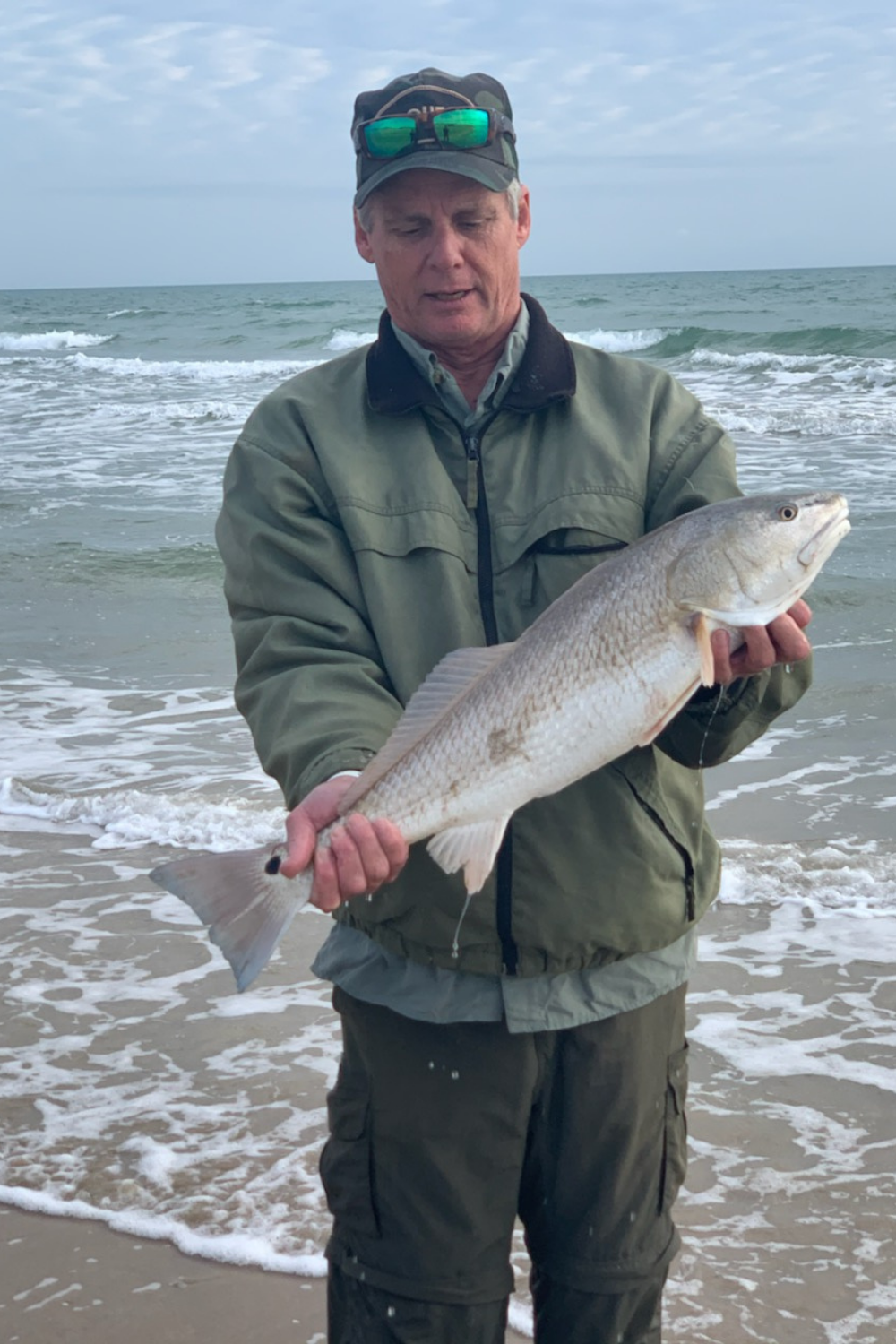
A life long surf fisherman with 50+ years of experience, I am also an avid hunter and outdoorsman. I will be sharing my passion for the outdoors with you so be prepared for hunting, fishing, camping, hiking and more. Along with gear reviews and the latest trends and innovations in the outdoor industry.