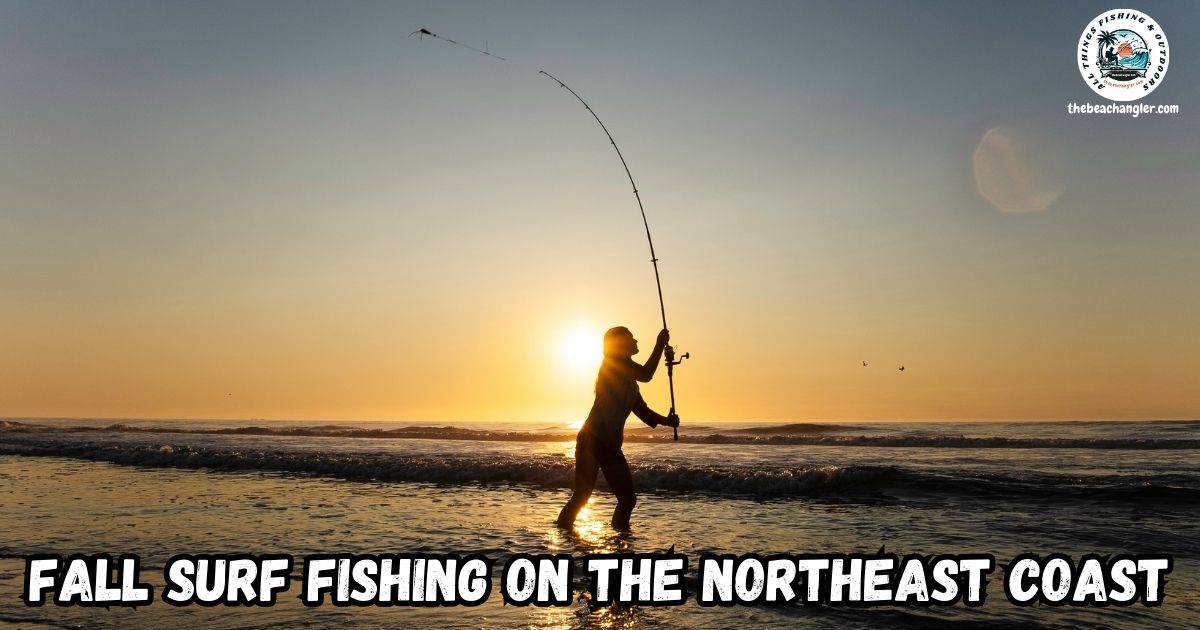
Fall surf fishing in the Northeast brings excitement and fantastic opportunities for anyone who enjoys casting from the beach. The crisp autumn air means the start of the popular “fall run,” with some of the region’s biggest and most active gamefish chasing baitfish along the coastline. As someone who has spent plenty of chilly dawns with my feet in the sand, I find this season to be the most rewarding for both great catches and lasting memories.
QUICK LOOK: Tips for Fall Surf Fishing in the Northeast
- Look for Structure: Rock gardens, jetties, groins, and piers offer great shelter and ambush points for predators. Striped bass and tautog especially prefer these areas, so I always make sure to toss a few casts around boulders, pilings, and drop-offs.
- Focus on Outflows and Inlets: Where rivers, creeks, or drains empty into the ocean, you’ll find plenty of baitfish. The moving water stirs up food, drawing in big predators. If you notice an area where water flows strongly into the sea, there’s a good chance fish are stacked nearby.
- Sandbar Breaks: On wide open beaches, search for deeper channels between sandbars. Gamefish love these troughs—especially during moving tides—since they act as natural feeding lanes. Sometimes just shifting fifty yards up or down the beach puts you right on the bite.
- Best Time of Day: Dawn and dusk are always the most reliable. The low light makes fish less cautious and often brings them right up to the breaking waves. There’s something special about those glowing sunrises and sunsets with a rod in hand.
- Tides: Fish usually feed most actively during moving water, especially from two hours before high tide to two hours after. On some beaches, low tide exposes hidden structure, concentrating fish as the water floods back in. I keep a tide chart or app handy to stay on top of the best windows.
- Seasonal Peaks: October and the first half of November offer the best combination of active fish and pleasant conditions, but the late fall chill can surprise you with big fish on less crowded beaches if you stick with it.
- Slow Down Your Retrieve: As the water chills, fish often become less likely to chase speedy lures. Gradually working a plug or soft bait lets it stay in the strike zone longer, giving even hesitant fish a shot at it.
- Target the Whitewater: Casting right beyond the breaking waves puts your bait where feeding happens. The churned-up water covers your presentation and hides baitfish, making it prime territory for ambush bites.
- Match the Hatch: Using lures and bait that look like local forage—such as mullet, peanut bunker, sand eels, or anchovies—pays off with more hook-ups. Keeping several lure sizes, styles, and colors handy lets me quickly mimic what I see in the surf.
- Drifting Baits: For tautog and fluke near rocks or structure, drifting bait just off the bottom often triggers bites. Changing weights or bait placement lets me fine-tune exactly where my presentation needs to be.
The action really picks up from Maine all the way down to New Jersey, and the wide mix of fish, changing weather, and striking coastal scenery make this a special time for surf anglers. It’s not just the quantity of fish, but the anticipation and community vibe along the shore that make fall surf fishing unforgettable.
Popular Species to Target in Fall
Each fall, the Northeast coastline wakes up with schools of migrating baitfish and the hungry predators chasing after them. I look forward to this migration every year because of the variety and size of fish that arrive right in the surf zone. The excitement builds with each passing cold front, and it’s a unique time to track down trophy catches.
- Striped Bass: These fish are the main draw for surf anglers in autumn. They follow schools of baitfish right up to the shore, making them accessible even with just basic surf fishing gear. Striped bass often show up in waves, and the buzz they cause among local anglers is always noticeable.
- Bluefish: Bluefish move in big, aggressive schools, attacking baitfish and lures alike. Their strong runs and sharp teeth keep things lively. There’s always an adrenaline rush when a big bluefish hits your lure, and they provide a rugged test for your tackle.
- Weakfish and Fluke: Further south, these fish are more common in October and November. They respond to both bait and lures, and searching for them often means casting into deeper troughs or around nearshore structure.
- Tautog (Blackfish): Found mostly near rocky areas and structure, these bottom dwellers become more active as the water cools. Catching tautog requires patience and precise bait placement, but the reward is a hard-fighting fish and a tasty dinner.
When the water temperatures begin to drop, these species gather in numbers and feed voraciously while prepping for winter or migration. Knowing which ones are likely to be biting in your area helps you set up your gear and approach. During peak times, it’s not uncommon for anglers to land different species in a single session, making each outing something new and exciting.
How to Find the Best Fall Surf Fishing Spots
Finding fish is just as important as knowing how to catch them, maybe even more so. I spend as much time searching for the perfect spot as I do fishing because picking the right location can mean the difference between a steady stream of action and a slow day.
- Look for Structure: Rock gardens, jetties, groins, and piers offer great shelter and ambush points for predators. Striped bass and tautog especially prefer these areas, so I always make sure to toss a few casts around boulders, pilings, and drop-offs.
- Focus on Outflows and Inlets: Where rivers, creeks, or drains empty into the ocean, you’ll find plenty of baitfish. The moving water stirs up food, drawing in big predators. If you notice an area where water flows strongly into the sea, there’s a good chance fish are stacked nearby.
- Sandbar Breaks: On wide open beaches, search for deeper channels between sandbars. Gamefish love these troughs—especially during moving tides—since they act as natural feeding lanes. Sometimes just shifting fifty yards up or down the beach puts you right on the bite.
Reading the beach is a skill every angler should work on. Look for bird activity, such as diving gulls or terns, because these birds are often on top of active bait schools and feeding predators. Sometimes, a short break to scan the water and the horizon tells me more than hours of random casting ever could. Staying sharp and watching for the little signs is often what makes the difference.
Choosing the Right Time to Fish in Fall
Timing is crucial in fall surf fishing. Certain conditions make fish more likely to feed, so planning around these improves your chances of success.
- Best Time of Day: Dawn and dusk are always the most reliable. The low light makes fish less cautious and often brings them right up to the breaking waves. There’s something special about those glowing sunrises and sunsets with a rod in hand.
- Tides: Fish usually feed most actively during moving water, especially from two hours before high tide to two hours after. On some beaches, low tide exposes hidden structure, concentrating fish as the water floods back in. I keep a tide chart or app handy to stay on top of the best windows.
- Seasonal Peaks: October and the first half of November offer the best combination of active fish and pleasant conditions, but the late fall chill can surprise you with big fish on less crowded beaches if you stick with it.
Matching your trips to the pulse of the tide and the patterns of the local baitfish really stacks the odds in your favor. Over the years, I’ve learned that just two or three well-timed sessions will outfish a dozen random ones. Even on days off from work, a quick check of tides saves time and effort.
Effective Techniques for Fall Surf Fishing
Methods always change along with cooling water and sometimes pickier fish. Over plenty of seasons, I’ve gathered a few approaches that seem to work when things get slow.
- Slow Down Your Retrieve: As the water chills, fish often become less likely to chase speedy lures. Gradually working a plug or soft bait lets it stay in the strike zone longer, giving even hesitant fish a shot at it.
- Target the Whitewater: Casting right beyond the breaking waves puts your bait where feeding happens. The churned-up water covers your presentation and hides baitfish, making it prime territory for ambush bites.
- Match the Hatch: Using lures and bait that look like local forage—such as mullet, peanut bunker, sand eels, or anchovies—pays off with more hook-ups. Keeping several lure sizes, styles, and colors handy lets me quickly mimic what I see in the surf.
- Drifting Baits: For tautog and fluke near rocks or structure, drifting bait just off the bottom often triggers bites. Changing weights or bait placement lets me fine-tune exactly where my presentation needs to be.
Adapting your retrieve, lure, and game plan based on changing conditions means you keep catching, even when the fish get picky. Staying flexible keeps every trip interesting.
Choosing the Best Bait and Lures
Fall really brings a buffet of baitfish close to shore. I see my best results when my baits or lures match what’s actually running at that time.
- Mullet: In early fall, both live and cut mullet attract lots of striped bass and bluefish. Topwater plugs that copy mullet swimming right at the surface lead to some eye-catching strikes, making fall mornings memorable.
- Bunker (Menhaden): When the smaller “peanut” bunker are around, try throwing swimbaits or plugs that copy the look and action. Adult bunker schools call for larger poppers and bucktails, which can draw in the bigger stripers.
- Sand Eels: As late fall approaches, sand eel patterns become the favorite pick. I throw metal jigs, long skinny needlefish-style lures, or soft plastics with enough weight to reach fish schooling farther out past the break.
- Crabs and Clams: For bottom feeders like tautog, using pieces of green crab or fresh clams on a simple rig is tough to beat. These baits work best around rocks and jetties where bottom dwellers are active.
Having a variety of both lures and natural bait lets me react to what’s happening on the beach right then. Checking in at a local tackle shop or chatting with other fishermen keeps me up to date on the bite. Sometimes the best advice comes from a casual conversation at the parking lot or bait shop counter.
Gear Essentials for Surf Fishing in the Fall
Having the right setup means fewer hiccups and more time with your line in the water. Over the years, I’ve fine-tuned my gear to handle the unpredictable weather and strong fish that define fall surf fishing.
- Surf Rod and Reel: My go-to is a medium-heavy surf rod measuring 9 to 11 feet, paired with a saltwater spinning reel that fights off corrosion. This setup gets distance, handles rough surf, and gives the muscle needed for bigger fish.
- Braided Line: I use 30-40-pound braided line for toughness and really good bite detection. It stands up to heavy surf and rocks much better than mono and is less likely to snap under pressure.
- Simple Terminal Tackle: Fishfinder rigs, high-low rigs, circle hooks, bucktail jigs, and a handful of basic plugs cover most needs. Extra leader material comes with me to deal with sharp-toothed bluefish or rough structure.
- Protective Clothing: Waders and waterproof boots become mandatory for long sessions. Layering up with a shell jacket helps handle windy, wet weather and makes the difference between a comfortable outing and a soggy, chilly struggle.
- Headlamp and Safety Gear: Since lots of the best fishing happens when it’s dark or almost dark, a reliable headlamp is a must. I always keep a small first-aid kit handy for unexpected nicks or slips along the rocks.
Spending five extra minutes prepping my gear before heading out means way less trouble on the beach and way more time actually fishing. A well-packed bag saves hassle and keeps me ready for surprises.
Common Challenges and How I Handle Them
Every season brings new hiccups, but a little bit of planning can turn challenges into minor speed bumps instead of major setbacks.
- Weather Changes: Fall in the Northeast means weather can mix it up fast with sudden changes in wind and temperature. I always check the latest forecast and bring extra layers—even if it’s sunny when I leave home—since showers and chilly breezes can sneak up quickly.
- Rough Surf: Sometimes the waves get rowdy, which means heavier sinkers and a longer rod become crucial for holding your line and keeping your bait in the strike zone. If things are wild, I hunt for sheltered beach sections or tuck in near a jetty.
- Weed and Debris: After storms or during big tides, weed gets washed up into the surf zone. Using lighter lures or topwater plugs helps keep weed off your hooks. If the water is especially messy, I might switch locations or wait until the tide settles things down.
- Skunking (No Fish): Even in the best season, slow days happen. If the bite is tough, I change up my presentation, hit a different stretch of beach, or simply take in the scenery. Persistence pays off—so I never get discouraged for long.
Flexibility and a positive mindset keep me coming back, rain or shine. The beauty of surf fishing is not just in the catching, but in the quiet hours and anticipation for the next bite.
Frequently Asked Questions About Northeast Fall Surf Fishing
What’s the best way to start surf fishing in the fall if I’m new?
Start simple: get a basic surf rod and spinning reel combo, stick to your nearest beach, and fish at sunrise or sunset when the fish are most active. Watch what other people are doing, ask around, and learn from the regulars—they’re usually happy to help beginners get started.
How do I find out what bait is best?
I always ask at the local tackle shop or chat with other anglers on the beach. Match your bait and lures to whatever birds are diving on, or the baitfish you see flipping in the surf. Observing the environment around you is key.
Can I surf fish in bad weather?
Light rain or cloudy weather can actually help fishing, but you must always put safety first. Strong winds, lightning, or powerful surf can be dangerous—wait for conditions to improve if things look dicey. It’s never worth risking your safety for a few fish.
What should I wear for fall surf fishing?
Dress in layers, top it off with a waterproof jacket, and grab a pair of waders for staying dry and comfortable. A warm beanie and fingerless gloves help keep your hands in good shape as temperatures drop, letting you focus on casting instead of shivering. Warm, dry feet and hands mean longer and better fishing sessions—trust me.
Final Thoughts of Fall Surf Fishing in the Northeast
Wrapping up, fall surf fishing in the Northeast offers one of the best adventures an angler can find, blending challenge, beauty, and the thrill of hunting gamefish along the windswept shoreline.
As always, stay safe, enjoy the journey, and please try to leave it cleaner than you found it. If you have any comments, questions, ideas, or suggestions, please leave them in the comment section below, and I’ll get back to you ASAP. You can follow us on Facebook: Rex The Beach Angler, Instagram: thebeachangler7, Twitter: @AnglerBeach, and YouTube: Man Art Creations.
Check Out Our Most Recent Articles:
- The Okuma Cavalla 2 Speed Lever Drag Reel
- Berkley Gulp Ripple Mullet
- Seviin GW Series Spinning Reels
- New Mirrolure Chameleon Series Lures
- Field-testing The Quantum Benchmark Spinning Reel
- Z-man Swag Lt Swimbait
P.S. Thanks so much for checking out our blog; we really appreciate it. Just so you know, we may receive a commission if you click on some of the links that appear on our site. This helps us keep our content free and up-to-date for everyone. We appreciate your support!





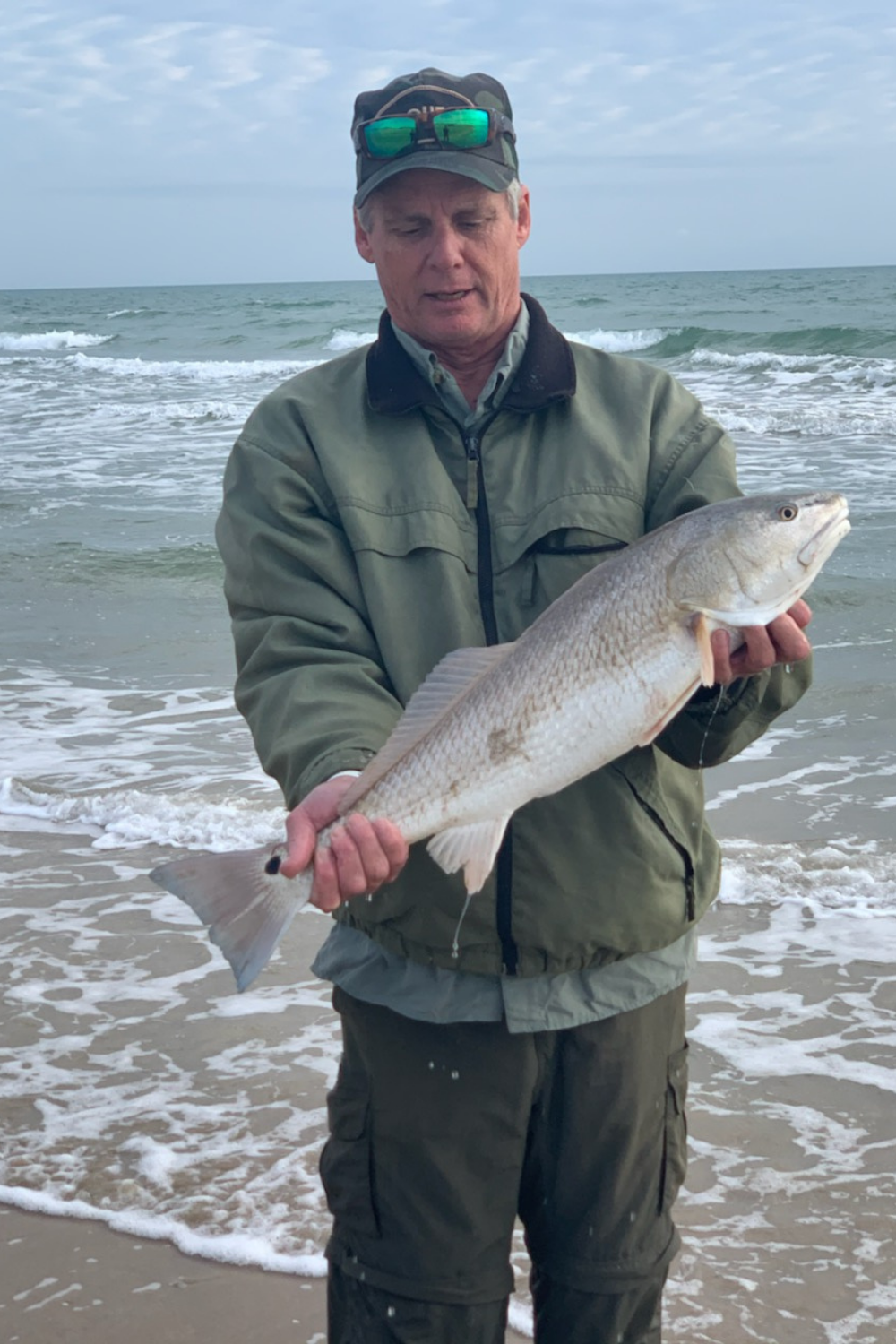
A life long surf fisherman with 50+ years of experience, I am also an avid hunter and outdoorsman. I will be sharing my passion for the outdoors with you so be prepared for hunting, fishing, camping, hiking and more. Along with gear reviews and the latest trends and innovations in the outdoor industry.