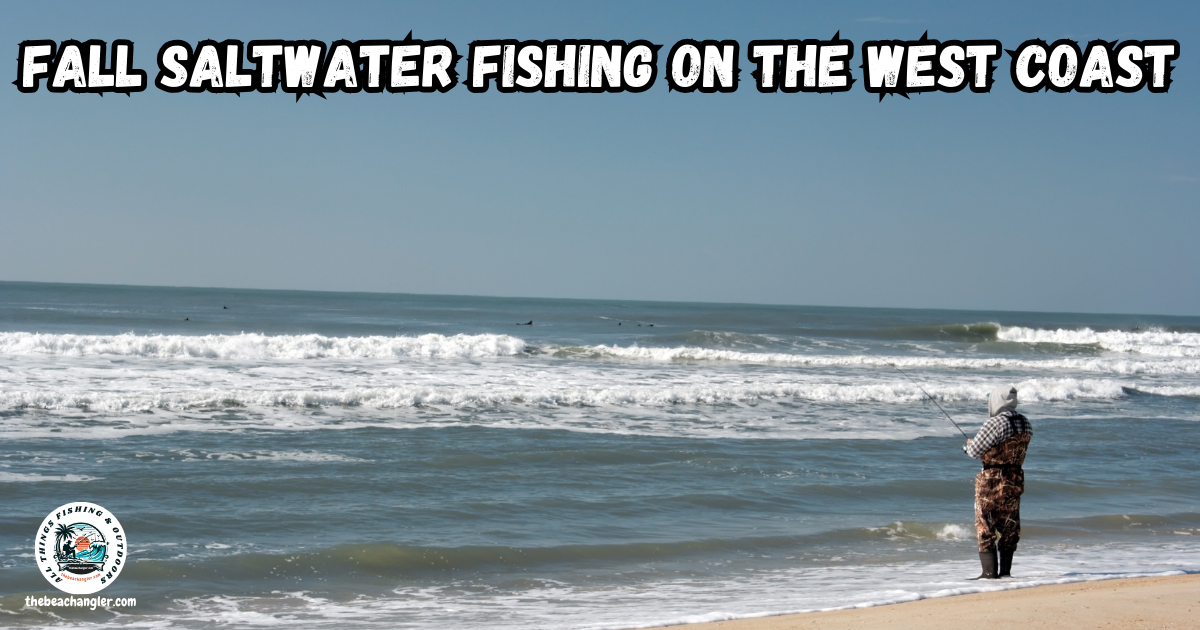
Fall saltwater fishing on the West Coast is one of my favorite times to get outside and chase a variety of species. Between salmon runs in the Pacific Northwest and fast offshore action in California, this season delivers plenty of action and a few surprises along the way. With cooling water and shifting fish migrations, every trip turns into a learning experience, one that’s always worth taking the time to enjoy.
QUICK LOOK: Fall Saltwater Fishing on the West Coast
Pacific Northwest
- Chinook & Coho Salmon: Troll with plugcut herring or lures that mimic small fish like anchovies. Estuaries near the mouth of big rivers, like the Columbia or the Klamath, can be especially productive.
- Steelhead Trout: As the salmon runs wind down, steelhead start showing up. I look for them in the same river systems, especially on overcast days after a rain.
- Rockfish & Halibut: Even as summer closes, there are still good days offshore for these bottom dwellers. Jigs and bait rigs along rocky ledges or reefs work well.
California and Pacific South Coast
- Bluefin and Yellowfin Tuna: These tuna come close to the coast after summer. Look for temperature breaks and floating kelp paddies offshore, and cast large stickbaits or use live bait under a kite for a chance at big fish.
- Marlin: Early September is the season for striped marlin along the Southern California coast. Troll with skirted lures or slowtroll live bait for best results.
- California Halibut: As the bottom fishing season opens in October, halibut start showing up in sandy bays and near river mouths. I prefer drifting with live anchovies or using larger swimbaits near structure.
- Yellowtail and White Seabass: Kelp beds and rocky points are magnets for these fish in the early part of fall. Slowtroll live bait or bounce heavy jigs through the kelp channels.
- Surf Perch and Rockfish: Surf anglers find good numbers of perch on sandy beaches, while deeper reefs outside places like San Francisco’s Golden Gate produce big rockfish and lingcod.
- California Spiny Lobsters: Their season kicks off in the fall, mostly at night. Hoop nets baited with oily fish near jetties and rocky areas are usually productive.
Why Fall is an Exciting Season for West Coast Saltwater Fishing
When September rolls around, I notice how the atmosphere along the coast changes. The bite heats up as fish start feeding more aggressively to prepare for the winter. You’ll see predatory species move in closer to shore to hunt the schools of baitfish that gather in estuaries, kelp forests, and along drop-offs.
This creates some of the most consistent fishing of the year, with opportunities ranging from salmon in rivers and estuaries to tuna, halibut, and even exotic species like marlin further south. I’ve found that paying attention to water temperature helps me better predict where the fish are.
Cooler water triggers feeding, so adjusting tactics to match conditions is really important. Presentations that closely mimic baitfish work especially well because that’s what the fish are after right now. Watching tides and weather patterns gives an added edge, since these factors play a huge role in how active fish will be.
Key Coastal Regions and What You’ll Catch
Each stretch of the West Coast has its own fall fishing story. Here’s my breakdown of what you can expect in the Pacific Northwest and along the California and Southern Pacific coastline.
Pacific Northwest: Salmon Runs and More
This region is best known for its salmon runs. In September and October, chinook and coho salmon begin their final push into rivers and through estuaries. I like focusing on these chokepoints because large numbers of fish move through small areas, making it easier to zero in on them.
- Chinook & Coho Salmon: Troll with plugcut herring or lures that mimic small fish like anchovies. Estuaries near the mouth of big rivers, like the Columbia or the Klamath, can be especially productive.
- Steelhead Trout: As the salmon runs wind down, steelhead start showing up. I look for them in the same river systems, especially on overcast days after a rain.
- Rockfish & Halibut: Even as summer closes, there are still good days offshore for these bottom dwellers. Jigs and bait rigs along rocky ledges or reefs work well.

California and the Southern Pacific Coast: Offshore and Inshore Variety
This part of the coast is known for fast-paced offshore action in early fall and steady inshore bites as the season progresses. In September, I focus on pelagic species, then switch to bottom fishing in October.
- Bluefin and Yellowfin Tuna: These tuna come close to the coast after summer. Look for temperature breaks and floating kelp paddies offshore, and cast large stickbaits or use live bait under a kite for a chance at big fish.
- Marlin: Early September is the season for striped marlin along the Southern California coast. Troll with skirted lures or slowtroll live bait for best results.
- California Halibut: As the bottom fishing season opens in October, halibut start showing up in sandy bays and near river mouths. I prefer drifting with live anchovies or using larger swimbaits near structure.
- Yellowtail and White Seabass: Kelp beds and rocky points are magnets for these fish in the early part of fall. Slowtroll live bait or bounce heavy jigs through the kelp channels.
- Surf Perch and Rockfish: Surf anglers find good numbers of perch on sandy beaches, while deeper reefs outside places like San Francisco’s Golden Gate produce big rockfish and lingcod.
- California Spiny Lobsters: Their season kicks off in the fall, mostly at night. Hoop nets baited with oily fish near jetties and rocky areas are usually productive.
- Sturgeon: San Francisco Bay and the San Juaqin/ Sacramento river delta are home to a thriving sturgeon fishery.
Techniques and Presentations for Fall West Coast Success
Matching your tactics to the season can make a big difference. Here’s what works for me when I’m fishing the fall bite:
- Trolling for Salmon: Using plug-cut herring or anchovy-pattern spoons helps mimic the natural forage. Adjusting your speed and making S-curves in the current can trigger more strikes.
- Crankbaits and Swimbaits for Predators: Casting or trolling lures that resemble baitfish like sardines, smelt, or mackerel helps cover water and find active fish. Swimming jigs and lipless crankbaits in silver or green are especially effective once the sun comes up and the water warms a bit.
- Bottom Fishing for Halibut and Rockfish: Use bigger baits, like 5-inch swimbaits or whole squid, and slow your retrieve as fish become a bit less aggressive while water cools. Fishing during a tidal swing when bait is moving helps bring bites.
- Watching for Birds and Surface Action: Diving birds usually mean fish are pushing bait to the surface. Casting quickly into the chaos has helped me land some larger tuna and yellowtail.
Smart Strategies: What I Always Watch in Fall
Success often comes down to a few reliable habits. Here are my go-to strategies for fall saltwater fishing on the West Coast:
- Check Water Temps: Cooler water gets fish moving and feeding. I pay attention to my electronics and plan trips for days when temperatures drop just a few degrees.
- Look for Structure: River mouths, kelp beds, rock piles, and sandbars act as ambush points for predators. Focusing on these areas consistently produces more bites for me.
- Adjust Bait Size: As the season cools even more, I use larger baits. Bigger meals save fish energy as they slow down before winter, so I switch up to larger soft plastics and bigger chunks of natural bait.
- Mind the Tides: Outgoing water at river mouths, in bays, and around jetties can flush baitfish and get predators feeding. Timing my trips around these tide changes leads to better action.
- Go Early or Late: On calm days, early mornings and late afternoons usually have less boat traffic, cooler air, and more active fish. I’ve caught several of my biggest fish during these lowlight periods.
Fall West Coast Challenges and How I Handle Them
West Coast Fishing in the fall is exciting, but there are some hurdles to be aware of. Unpredictable weather, shifting tides, and sudden changes in fish patterns happen a lot, especially on the open coast. Here’s how I deal with a few common issues:
Weather Changes
In the fall, rain or sudden wind can move in fast. I always check conditions before heading out and keep a spare rain jacket and dry bag handy. Having backup spots in mind, like nearby bays or harbors, gives me options if the swell picks up or fog sets in. Sometimes, sticking closer to shore during unstable weather makes for a safer and more productive day.
Staying Flexible with Gear
Since different species and techniques are in play, I pack at least two rods. One for casting lures inshore and one heavy rig for trolling or bottom fishing. Carrying an assortment of lures, bait, and extra leaders saves me a lot of headaches if the bite changes mid-trip. Being ready to adapt on the fly means you never miss out if an unexpected school of tuna or surface action appears.
Timing the Runs
Salmon, tuna, and even halibut can run early or late in the season, depending on the year. I follow online reports, check recent fish counts, and try to keep in touch with local shops and other anglers to get the latest updates. It pays to be patient and flexible with your trip timing, as some of the best runs are short and sweet.
Real-World Tips for West Coast Fall Success
- Keep an Eye on Birds: Gulls, terns, and pelicans are my favorite allies for spotting feeding frenzies offshore. Their patterns often clue me in before I notice bait on my sonar.
- Plan for LowLight Conditions: Headlamps, safety vests, and navigation lights pay off big, especially when moving between spots at dawn or dusk. It’s safer and makes your gear easier to handle during those optimal bite windows.
- Use Scented Baits When in Doubt: If the bite goes cold, adding scent to my bait or lure sometimes gets fish interested again. In tannic or cooler water, scent can make your presentation stand out.
- Keep Records: Jot down notes on each trip about weather, tides, water temperature, and catches. Over several seasons, you’ll start to spot patterns that help inform your strategy for future outings.
- Stay Connected: Teaming up with local anglers or joining forums can help you keep up with the latest action. Tips from fellow fishers often lead to new hotspots or tweaks to your techniques that really work.
Learning to read the water and staying patient is what helps me most in fall fishing. Some days are nonstop action, while others take a little extra work. Either way, the sense of anticipation and the variety of fish on tap keep me coming back for more.
Frequently Asked Questions
Here are some questions people often ask me about West Coast saltwater fishing in the fall:
What gear should I use for salmon in rivers and estuaries?
I like using medium-heavy trolling rods with 2030lb line and plug-cut herring or salmon spoons. Having a sensitive rod helps detect lighter bites in slower-moving water.
When is the best time for offshore tuna and marlin fishing?
Early September is the peak for bluefin and marlin when warm water currents push close to shore. As October approaches, the focus switches more to yellowfin tuna, halibut, and even dorado if warm water lingers.
Where should I target halibut in the fall?
Sandy channels near river mouths and rocky drop-offs close to shore are my go-to areas. Drifting live bait just off bottom works well.
How do I decide what techniques to use in changing fall conditions?
Watch what the baitfish are doing and look for diving birds. Adjust bait size and retrieval speed based on water temperature and how aggressive the fish are that day.
Getting the Most From Fall Fishing on the West Coast
Fall brings a huge range of fishing opportunities to the West Coast, whether you’re chasing salmon upriver or searching for offshore tuna. Paying attention to seasonal changes, staying flexible with techniques and gear, and watching the water for signs of feeding fish all help give a boost to your success. Every trip offers a new chance to learn and get outside, and that’s what makes this season my favorite for saltwater fishing on the Pacific coast.
Check Out Our Most Recent Articles:
- Daiwa Emblem Pro Surf Rod Review
- Shimano Tiagra Reel Review
- The Daiwa Exist Spinning Reel
- Shimano Spheros SW Spinning Reel
- Daiwa Emcast Surf Rod Review
- The Shimano Socorro SW Spinning Reel
As always, stay safe, enjoy the journey, and please try to leave it cleaner than you found it. If you have any comments, questions, ideas, or suggestions, please leave them in the comment section below, and I’ll get back to you ASAP. You can follow us on Facebook: Rex The Beach Angler, Instagram: thebeachangler7, Twitter: @AnglerBeach, and YouTube: Man Art Creations.
P.S. Thanks so much for checking out our blog; we really appreciate it. Just so you know, we may receive a commission if you click on some of the links that appear on our site. This helps us keep our content free and up-to-date for everyone. We appreciate your support!





A life long surf fisherman with 50+ years of experience, I am also an avid hunter and outdoorsman. I will be sharing my passion for the outdoors with you so be prepared for hunting, fishing, camping, hiking and more. Along with gear reviews and the latest trends and innovations in the outdoor industry.