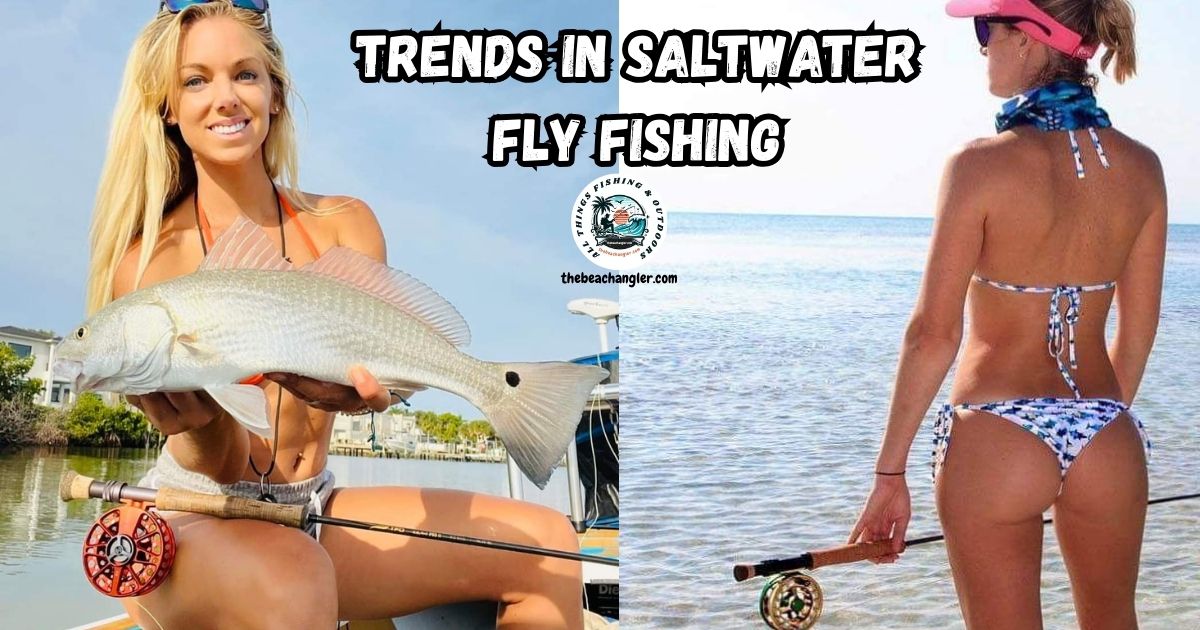
Saltwater fly fishing is changing quickly, with modern gear, new fly patterns, and a larger group of anglers eager to push into new environments. Recent advances mean I can now target bigger, more challenging species with tools designed especially for marine conditions. In this article, I’ll break down the most important trends in saltwater fly fishing, sharing practical tips and advice so you can keep up with the latest developments.
QUICK LOOK: Tips for Getting Started with Saltwater Fly Fishing
- Use saltwater-specific gear: Get rods and reels built for marine conditions to avoid breakages and expensive fixes.
- Pick the right fly line: Try lines that match tough winds or shallow environments, especially if you fish on breezy or sun-baked flats.
- Refresh your fly box often: Carry a mix of specialized local flies and hybrid patterns to cover different conditions and fish moods.
- Lean toward lighter setups when possible: Traveling light lets you sneak into new spots and adjust quickly to changing weather or tides.
- Practice fast, accurate casting: Fish can surprise you, so being able to drop your fly with minimal false casting makes a real impact.
- Follow conservation guidelines: Go with barbless hooks, handle fish safely, and double-check local regulations to fish responsibly.
Progress in Saltwater Fly Fishing Gear
Saltwater fly fishing used to mean making do with freshwater gear that never quite held up against harsh salt, wind, and tough fish. Now, there’s a strong focus on building rods, reels, and lines for the demands of the ocean. I notice the difference every time I fish; the modern rods are heavier to give me the backbone for big fish, and reel drags resist both salt and the hard pulls of fast swimmers.
Gear brands are using materials like anodized aluminum, carbon fiber, and improved synthetic drag discs. These features help gear last longer, fight off corrosion, and perform well even after a full day in the salt. Many companies now offer sealed drag fly reels, which lock out sand and salt crystals, so maintenance is simpler, and failures are less likely on the water.
The fly line market has also grown. Lines designed to cut through coastal winds or to float higher on warm, shallow flats help me make longer, more accurate casts. Tapers are more aggressive and make it possible to turn over big flies that are common in coastal environments. The wider range of products now means it’s much easier to match my gear to wherever I want to fish, whether I’m in open water or in the backcountry.
Eye-Catching Fly Patterns and Design Shifts
Professional fly tyers and creative anglers are always cooking up new flies for saltwater use. Recently, I’ve seen plenty of specialized patterns built around the feeding habits of each target species; whether it’s a translucent shrimp imitation for bonefish or crab flies for permit, the focus is always on mimicking what fish really want to eat.
Hybrid patterns are spreading fast, borrowing inspiration from freshwater designs. For example, carp fly patterns have been adjusted to work surprisingly well for saltwater redfish or sheepshead. This cross-use means I can carry more versatile flies and sometimes swap out patterns between different bodies of water with good results.
Materials have moved forward, too. Fly tyers are using synthetic fibers for greater durability, lots of color variety, and low maintenance after exposure to saltwater. UV-reactive and translucent materials are now staple choices, making flies stand out and appear more lifelike in both bright and stained water. Some even use reflective strips to catch a fish’s eye in deeper or cloudier conditions, giving a boost to their appeal.
Bigger Range of Target Species and Locations
Saltwater fly fishing was once limited mostly to flats-dwelling bonefish, tarpon, and permit. These days, more anglers—including myself—are taking fly rods to deeper water and going for bolder targets. People are chasing everything from stripers along the Northeast coast to snook, jacks, snapper, and even offshore species such as mahi mahi or smaller tunas.
The challenge of fighting different species keeps the adventure exciting every time I’m on the water. Offshore fly fishing is no longer rare. Tight, powerful saltwater rods and strong reels make pursuing pelagic species with a fly reel possible, even from boats.
For someone who grew up chasing bonefish, casting to bluewater species is a fresh challenge that always keeps things interesting. Many new anglers are also pushing into new destinations, such as rocky jetties or bridge pilings, bringing even more variety to the sport.
The push into new waters means learning more about local forage and choosing the right fly patterns. Cays, estuaries, and backcountry marshes all have unique environments, each with its own technical problems and unique rewards. The thrill of tracking down a new species or unique fishery motivates me to keep gaining new skills and updating my setup as needed.
Modern Techniques and Tactical Changes
Fishing saltwater on the fly really calls for updated techniques, especially when it comes to making clean casts in wind, waves, and with wary fish nearby. New-age lines and stiffer rod blanks help punch through strong breezes and reach distant targets, which is a tricky task on coastal flats or on open boats.
Many saltwater fly anglers, including myself, are leaning toward a more minimalist, mobile style. Lightweight kayaks and microskiffs are favored for sneaking into marsh drains, tight mangrove creeks, or remote sandbars where bigger boats struggle.
This usually means packing just the essentials: one or two rods, a small fly box, basic tools, and fish-friendly gear for quick releases. Casting accuracy and fast reaction times are more important than ever. Fish often appear suddenly, so I practice quick, tight casts and stripping the fly naturally to copy local prey.
Matching the retrieve and fly to local forage is always worth paying attention to for those extra hookups. By practicing these techniques, I feel better prepared when surprise opportunities surface on the water.
Conservation and Ethical Trends in Saltwater Fly Fishing
There’s increased awareness about conservation, both to protect fish populations and to promote healthy fisheries for future generations. Most fly fishers I know have switched to single, barbless hooks for easier releases and less damage to the fish. Fish-friendly landing tools, like rubber nets or Boga Grips, are regular parts of saltwater kits now.
Respectful boat handling, water-friendly clothing, and strong sun protection all add up to fewer disturbances for fish and their habitats. Some areas enforce strict catch and release rules for popular species, and I see more anglers speaking up for responsible practices both online and in person.
Conservation efforts are even drawing the support of major brands and social media communities, who help spread the word about best practices for ethical fishing. Local organizations and guides play an important role in educating anglers and spreading new guidelines.
I often check for seasonal closures or rule changes before any trip, and I’ve noticed more helpful resources—like printable charts and apps—aimed at making it easy for everyone to follow local and state regulations. These steps keep our fisheries sustainable for years to come.
Frequently Asked Questions About Saltwater Fly Fishing Trends
Here are some questions that new and experienced saltwater fly anglers often have as the sport keeps growing:
How do I know if my fly gear is ready for saltwater?
Look for rods marked saltwater or with heavier weight ratings. Choose reels with sealed drags and corrosion-resistant parts. After fishing, rinse everything in fresh water and add the manufacturer’s recommended lubricants so your gear keeps working smoothly.
What are the best new fly patterns for saltwater species?
Popular patterns like the Alphlexo Crab, EP shrimp, and hybrid baitfish flies work well for different targets. Checking in with local guides or looking up fly shop updates helps narrow down options for a specific region.
Are kayaks or skiffs better for exploring new saltwater spots on the fly?
Both have their strengths. Kayaks are great for getting into shallow water and being quiet, while skiffs offer more range and comfort, especially for longer days on the water.
How important is conservation in saltwater fly fishing?
Conservation matters a lot, as many popular game fish can be sensitive to pressure. Support regional rules, keep up with catch and release, and use safe fish handling measures to make sure fish stocks stay strong well into the future.
Tips for Staying Ahead in Saltwater Fly Fishing
Keeping track of the changes in saltwater fly fishing means noticing what works and updating your setup as needed. Here’s my quick checklist so anyone can try the latest trends and keep up:
- Use saltwater-specific gear: Get rods and reels built for marine conditions to avoid breakages and expensive fixes.
- Pick the right fly line: Try lines that match tough winds or shallow environments, especially if you fish on breezy or sun-baked flats.
- Refresh your fly box often: Carry a mix of specialized local flies and hybrid patterns to cover different conditions and fish moods.
- Lean toward lighter setups when possible: Traveling light lets you sneak into new spots and adjust quickly to changing weather or tides.
- Practice fast, accurate casting: Fish can surprise you, so being able to drop your fly with minimal false casting makes a real impact.
- Follow conservation guidelines: Go with barbless hooks, handle fish safely, and double-check local regulations to fish responsibly.
Stumbling upon helpful reports, watching guide videos, and listening to community feedback have helped me grow as an angler. The saltwater fly fishing community loves to share both big catches and lessons learned, so joining forums or social groups can give your skills a boost as new methods and tips spread.
Gear and Fly Choices in Real-World Scenarios
From my experience, investing in dedicated saltwater equipment always pays off. Using the right rod and a sealed drag reel makes catching strong redfish or snook so much more manageable. When I fish the Texas coast, switching to a heavy shooting head fly line helped me handle constant wind, something I wish I had tried my first time fly fishing inshore. Matching gear to each location really matters.
- Flats Sight Fishing: Bright, weedless shrimp flies and slow-sinking lines help when sneaking up on cautious fish in shallow, clear water.
- Backcountry Marshes: Tough, light crab and baitfish patterns stand up to redfish, and compact gear makes casting under mangroves easier.
- Offshore or Bluewater: Heavier rods and reels are crucial for fast, strong runs and handling big flies. Streamer patterns built with UV materials grab the attention of hungry pelagics.
I’ve watched skilled guides mix things up, changing flies often until they stumble upon just the right one. Adapting to fish behavior and local conditions is key, like slowing the retrieve in cold water or ripping it quickly to tempt jacks or bonito. Staying flexible pays off, especially when you run into new patterns or sudden changes in the weather.
Saltwater fly fishing is an adventure that keeps evolving. With updated techniques, creative fly patterns, and a strong culture of conservation, this sport keeps drawing new fans every year. By staying open to fresh ideas and connecting with fellow anglers, you can always find new ways to enjoy and improve your own saltwater fly fishing pursuits.
Check Out Our Most Recent Articles:
- Emerging Trends In Saltwater Fly Fishing
- How To Choose A Saltwater Fishing Rod
- The Daiwa KAGE Inshore Rods
- Daiwa Free Swimmer Spinning Reel
- Daiwa Blackline Inshore Rods
- The Daiwa Saltist Back Bay Spinning Reel
As always, stay safe, enjoy the journey, and please try to leave it cleaner than you found it. If you have any comments, questions, ideas, or suggestions, please leave them in the comment section below, and I’ll get back to you ASAP. You can follow us on Facebook: Rex The Beach Angler, Instagram: thebeachangler7, Twitter: @AnglerBeach, and YouTube: Man Art Creations.
P.S. Thanks so much for checking out our blog; we really appreciate it. Just so you know, we may receive a commission if you click on some of the links that appear on our site. This helps us keep our content free and up-to-date for everyone. We appreciate your support!





A life long surf fisherman with 50+ years of experience, I am also an avid hunter and outdoorsman. I will be sharing my passion for the outdoors with you so be prepared for hunting, fishing, camping, hiking and more. Along with gear reviews and the latest trends and innovations in the outdoor industry.