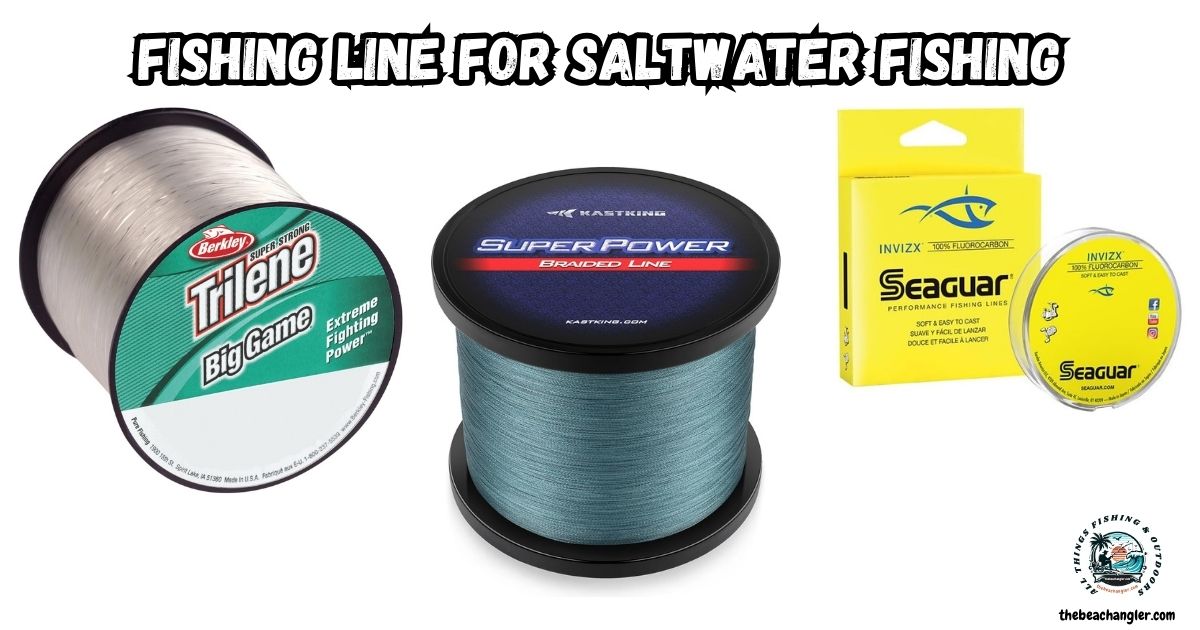
Saltwater fishing brings a unique set of challenges, and picking the right fishing lines can make the difference between landing the fish of a lifetime and going home empty-handed. Each type of line, braided, monofilament, fluorocarbon, and even wire, has its advantages and weak points.
QUICK LOOK: Tips for Choosing a Fishing Line for Saltwater
- Pick monofilament for general use, topwater action, or for learning the basics.
- Select a braid if you need more line on the reel or get bites from fish that demand a sensitive feel.
- Add fluorocarbon leaders when fishing in clear water or around sharp structures.
- Carry wire leaders if there’s a chance for sharp-toothed fish.
- Check and replace your line often, especially after hard fights or fishing in rocky/reef areas.
- Don’t forget that the right knot for the right line matters. Practice a few key knots for each type.
- Ask local anglers or tackle shops about what works best in your region, since some areas have unique challenges like strong tidal flows or extra-clear water.
I often find myself switching lines depending on the target species, water clarity, and the structure beneath the surface. By understanding these choices, fishing gets easier, and the chances of success increase.
Understanding the Basics of Saltwater Fishing Lines
Saltwater environments put gear to the test. The salt, intense sunlight, strong currents, and sharp structures like rocks or coral all play a part in why one line works better than another. The three most common types of fishing lines, monofilament, braided, and fluorocarbon, each have specific properties.
I think it helps to see fishing lines as tools, each built for a specific job:
- Monofilament (Mono): Simple to use, a bit stretchy, and good for many everyday saltwater situations.
- Braided Line: Thin, strong, with nearly no stretch, and really sensitive to bites.
- Fluorocarbon: Sinks fast and is nearly invisible in water, most often used for leader material.
- Wire Line: Chosen for certain predators with sharp teeth.
No single fishing line works for every situation. Saltwater fish can be powerful and sharp-eyed, and the water conditions, structure, and lure type all influence line choice.
Why Monofilament Fishing Lines Still Matter
Monofilament has been popular for decades. I keep it on hand because it stretches under load. That stretch acts like a shock absorber when a big fish surges or thrashes beside the boat. This makes monofilament a safe bet for trolling and topwater fishing, where you might use bigger lures and target explosive species.
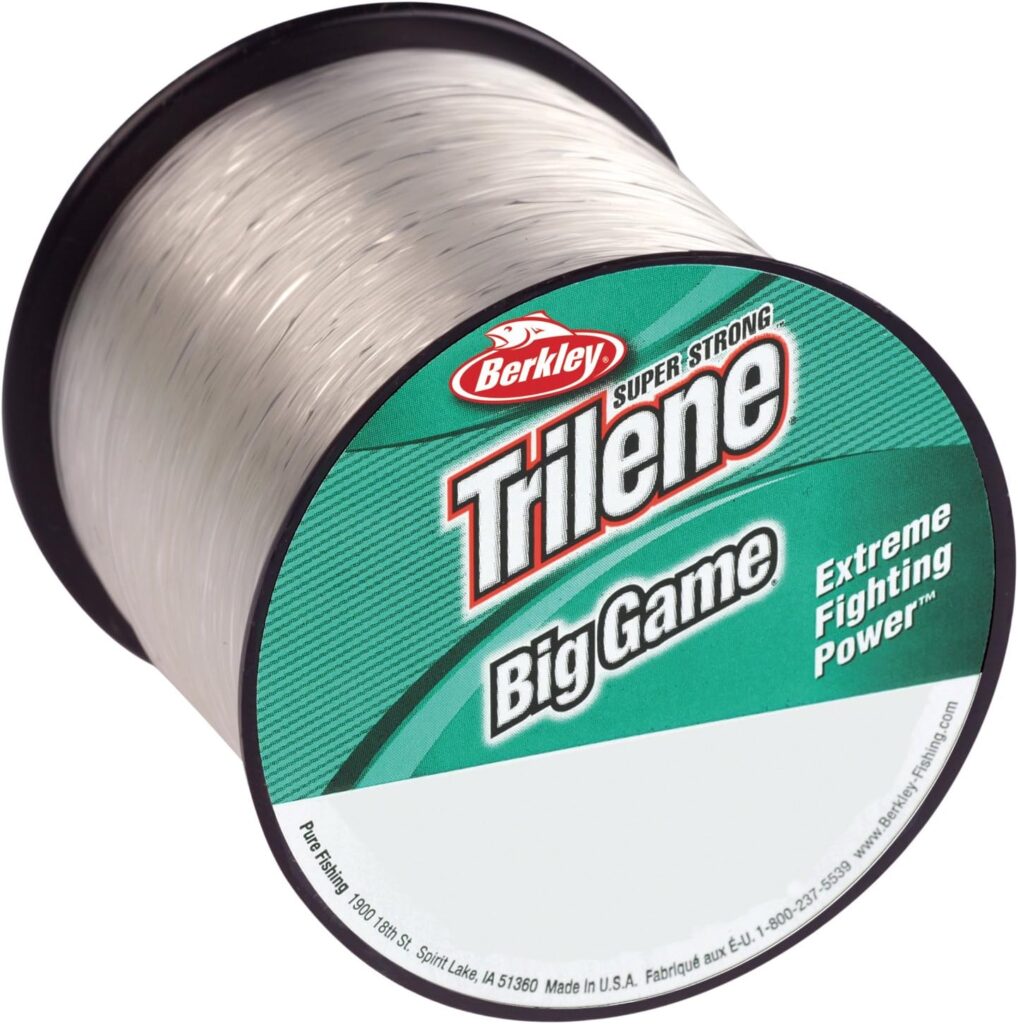
Besides the stretch, monofilament floats which is handy for floating baits. I also like the easy handling and knot strength, especially when I’m teaching someone new to saltwater fishing. Mono is forgiving, meaning fewer tangles and easier tying. If I’m after fish that thrash or go airborne, the give in the line often helps keep the hook set and avoids break-offs.
It’s important to watch for line wear, though. Sunlight and salt will degrade monofilament over time, making it more likely to snap. I make sure to check for nicks and replace it often.
When fishing over areas with lots of rocks or running into strong currents, monofilament can surprise you with how well it copes. I’ve found it’s particularly good for beginners, since its stretch makes learning how to play fish much more forgiving. Fishing for panfish or smaller inshore species is often made easier with monofilament, since it’s affordable and widely available.
Braided Fishing Lines: Advantages and Challenges
Braided line has a loyal following in saltwater because of its high strength and thin diameter. I like the sensitivity that comes with braid. On the bottom, or when I’m casting lures to distant targets, the almost total lack of stretch means I can feel even the faintest hit or drag along rocks. This sensitivity helps with setting the hook, especially in deep water or heavy current, where subtle bites are easy to miss.
The thin diameter lets me spool more line onto the reel, which is useful when a big fish makes a long run. I find braid works really well when bottom fishing, deep jigging, or working heavy cover. However, there are drawbacks. Braided line is easy for fish to see, so I usually use a mono or fluorocarbon leader to make presentations more natural.
In my experience, braid can also create “wind knots,” especially if the spool is overfilled or if I’m not managing slack line carefully. Sharp rocks, shells, or coral can also cut through braid faster than other lines. Regularly adding a leader besides the braid helps protect against both visibility and abrasion problems.
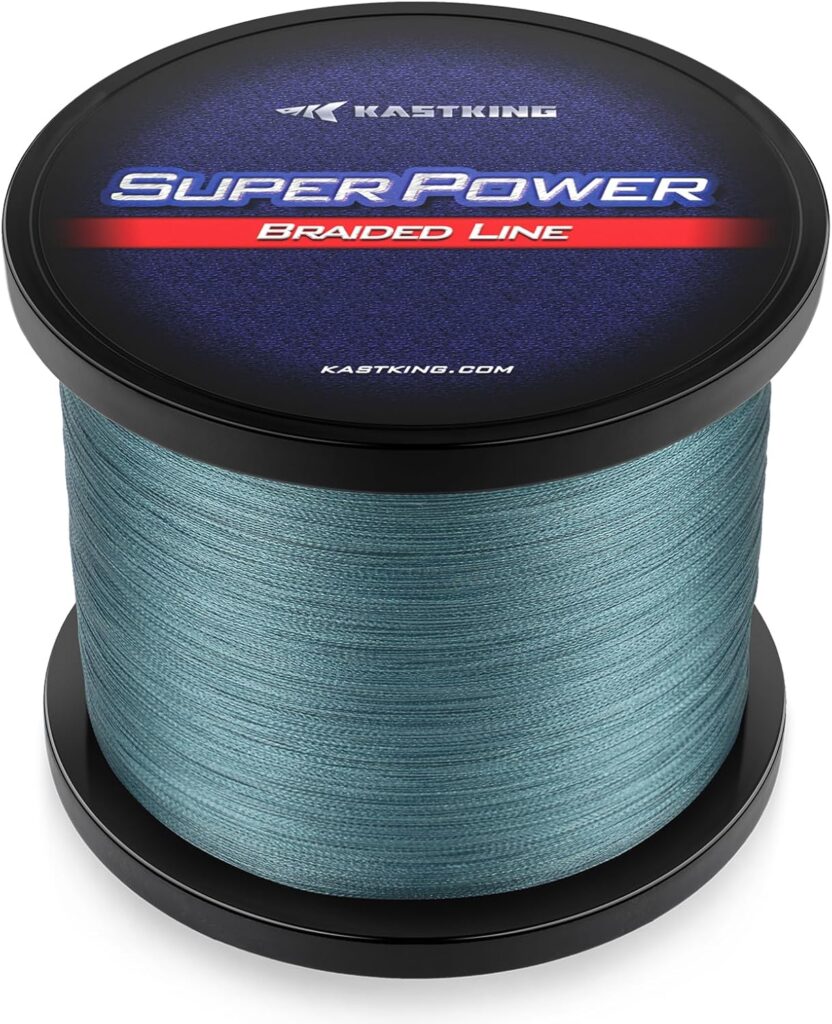
Another thing to note: Braided line doesn’t have as much memory as mono, so it lays neatly on the reel and casts farther. For those who fish from a boat, kayak, or even from shore, being able to send your lure way out there can be a real game-changer.
Fluorocarbon: The “Invisible” Option
Fluorocarbon fishing lines are known for being nearly invisible underwater due to the way it refracts light. I use it as leader material in clear water, or when targeting fish that get skittish around visible lines. The abrasion resistance is above average, so it holds up better than mono in rocky spots or when rubbing against a fish’s sharp gill plates.
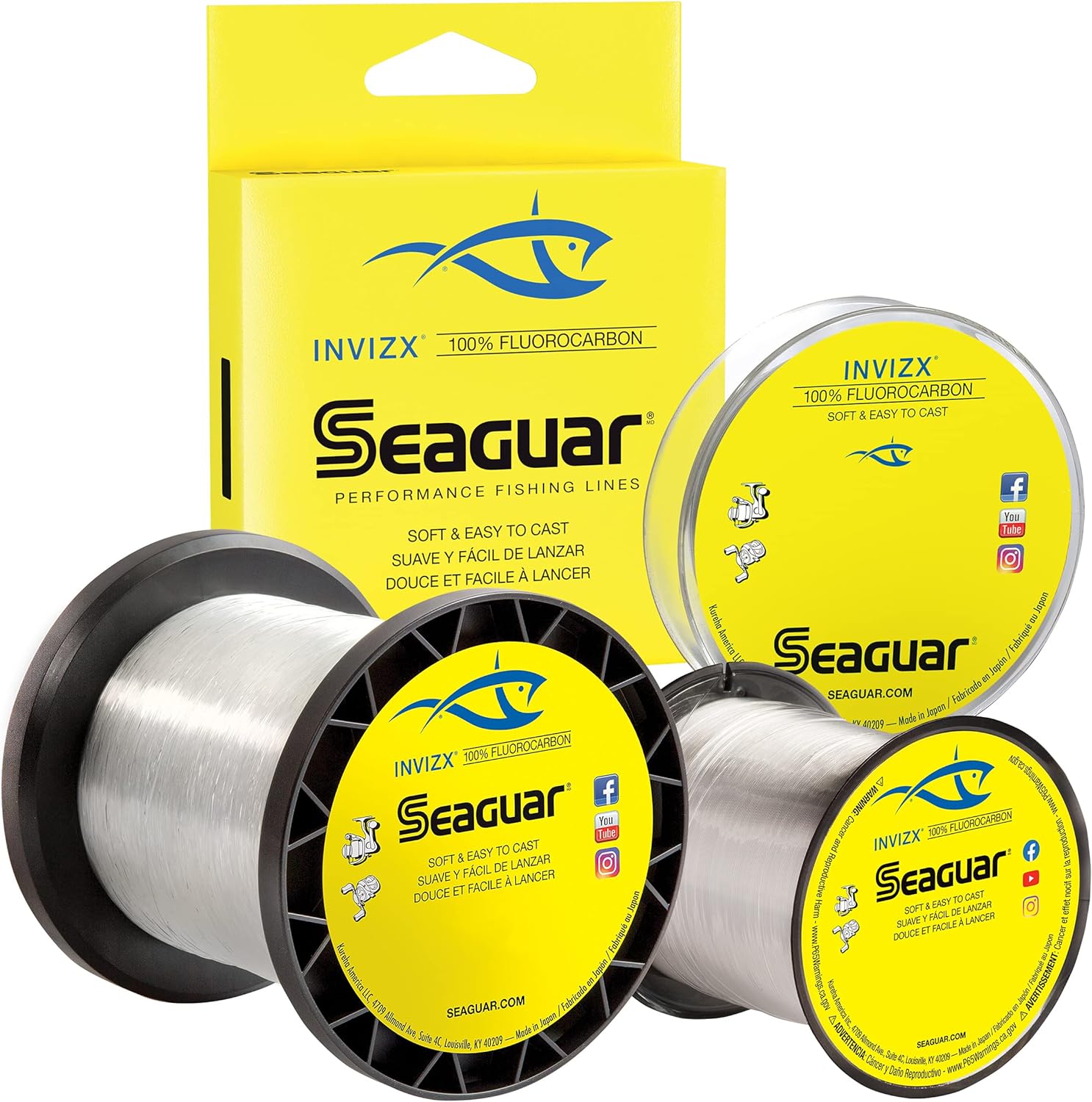
Because it’s denser, fluorocarbon sinks quickly. This gives lures or bait a quicker, more natural drop in tidal currents. I sometimes use fluorocarbon as the entire main line, but it’s more expensive and stiffer than mono or braid.
When tying knots with fluorocarbon, I take extra care. The stiffness can make some knots slip, and bad knots mean losing fish. Using the right knot and wetting the line before tightening helps stop break-offs.
Fluorocarbon can be especially helpful when targeting fish that are easily spooked, like permit or bonefish. If you enjoy sight-fishing in ultra-clear water, fluorocarbon as a leader can boost hookups. It also holds up well in areas with lots of shells or oyster bars, where abrasion can quickly wear out other lines.
Special Situations: When to Use Wire Line
Wire fishing lines see less use but are really helpful when I’m targeting toothy predators, like mackerel, barracuda, or sharks. A regular line would get sliced too fast, but a wire stands up to sharp teeth without breaking. Most of the time, I’ll tie a short section as a bite leader, especially when trolling, drifting dead baits, or even casting plugs to aggressive hunters.
Wire can be tricky to work with and isn’t as subtle as other options. But when the fish you want can bite through anything else, it’s the most reliable choice. I find it super effective for specific conditions rather than everyday fishing.
There are different types of wire, including single-strand and multi-strand, and each has its place depending on the presentation style and target fish. Some anglers use coated wire for stealth, especially in clear water, as it reduces visibility slightly and is easier to tie than bare wire.
How Species and Conditions Change Line Choices
The best saltwater anglers I know are always adapting to the fish they’re chasing and the water they’re fishing. If I’m going after big, fast predators like tuna or kingfish, strong braided line is my pick for battles that might go deep or long. For wary snapper or speckled trout in clear, shallow water, I’ll use lighter fluorocarbon leaders to avoid scaring them off.
On reef or wreck spots, abrasion matters more than stretch, so tough leader material gets added to the rig. When I plan to cast over seagrass beds or sandy flats, mono can help topwater lures stay up, while braid cuts through the wind for longer casts.
For surf fishing, where there’s often current and waves, I’ll go with braided line for casting distance but pair it with a strong, long leader to absorb shocks. Offshore, trolling deep for big fish, I favor monofilament for much the same reason—its stretch protects hooks and knots from tearing loose during sudden surges.
Frequently Asked Questions about Fishing Lines for Saltwater.
Here are some common questions anglers have about fishing lines for saltwater:
Can I use freshwater line in saltwater?
It’s possible for small fish, but saltwater lines handle harsh conditions much better and last longer. I always recommend using lines made for saltwater because of the extra abrasion resistance and UV protection.
How often should I replace my line?
I check my line for nicks or fading often, especially after tough days on the water or if I’ve been casting around rocks. Usually, I swap out monofilament or fluorocarbon after a few trips, and braid every few months unless it’s badly worn.
Do I always need a leader when using a braid?
Yes, I use leaders on braid almost every time, even for tough fish. The leader reduces visibility and protects the main line from sharp objects. Knot choice is important for joining different materials. Practice helps a lot here.
Comparing Line Types: Quick Reference
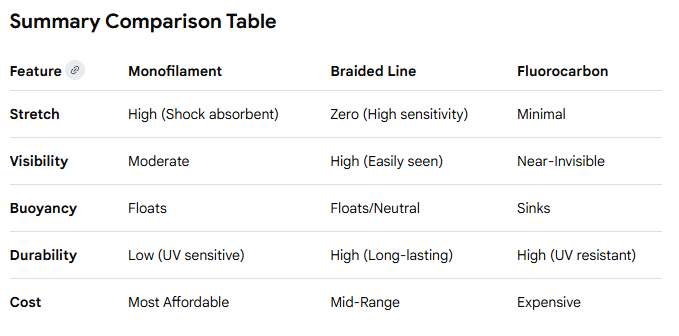
- Monofilament: Good for shock absorption, easy to handle, floats.
- Braided: Very strong and thin, sensitive, and long casting.
- Fluorocarbon: Nearly invisible, sinks quickly, super abrasion-resistant.
- Wire: Essential for toothy fish, best for leaders in certain cases.
Line choice is usually a mix of personal experience, local advice, and trial and error. I always keep at least two kinds in my tackle box to switch gears if the tide, light, or target species changes.
Tips for Beginners: Picking the Right Fishing Line
If you’re just getting started, use these tips to choose a fishing line for saltwater:
- Pick monofilament for general use, topwater action, or for learning the basics.
- Select a braid if you need more line on the reel or get bites from fish that demand a sensitive feel.
- Add fluorocarbon leaders when fishing in clear water or around sharp structures.
- Carry wire leaders if there’s a chance for sharp-toothed fish.
- Check and replace your line often, especially after hard fights or fishing in rocky/reef areas.
- Don’t forget that the right knot for the right line matters. Practice a few key knots for each type.
- Ask local anglers or tackle shops about what works best in your region, since some areas have unique challenges like strong tidal flows or extra-clear water.
Saltwater fishing never gets old, and there’s always something new to try. Picking a fishing line isn’t just about following rules—it’s about reading the situation, learning from others, and adapting when fish act differently than expected.
Bottom Line: Choosing Saltwater Fishing Line
Saltwater fishing puts your line to the test every time you head out. I choose my gear based on the species I want, the water clarity, the weather, and the structure below. Having a few types of lines ready to go means I can react to any challenge, get more bites, and have more fun on the water.
Over time, the right combination becomes second nature, and keeping up with new lines or local advice turns every trip into a learning experience. Trying different saltwater fishing lines is one of the easiest ways to boost results. Whether it’s mono for forgiveness, braid for power, or fluorocarbon for stealth, each has a place on my reels each season.
Check Out Our Most Recent Articles:
- Why Is Surf Fishing Popular?
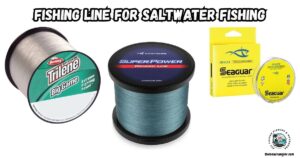
- Why Do Anglers Use Different Types Of Fishing Lines For Saltwater Fishing?
- Why Are Tides Important In Surf Fishing?

- Understanding Fish Behavior To Improve Your Fishing
- How To Choose The Right Reel For Saltwater Fishing
- Emerging Trends In Saltwater Fly Fishing
As always, stay safe, enjoy the journey, and please try to leave it cleaner than you found it. If you have any comments, questions, ideas, or suggestions, please leave them in the comment section below, and I’ll get back to you ASAP. You can follow us on Facebook: Rex The Beach Angler, Instagram: thebeachangler7, Twitter: @AnglerBeach, and YouTube: Man Art Creations.
P.S. Thanks so much for checking out our blog; we really appreciate it. Just so you know, we may receive a commission if you click on some of the links that appear on our site. This helps us keep our content free and up-to-date for everyone. We appreciate your support!





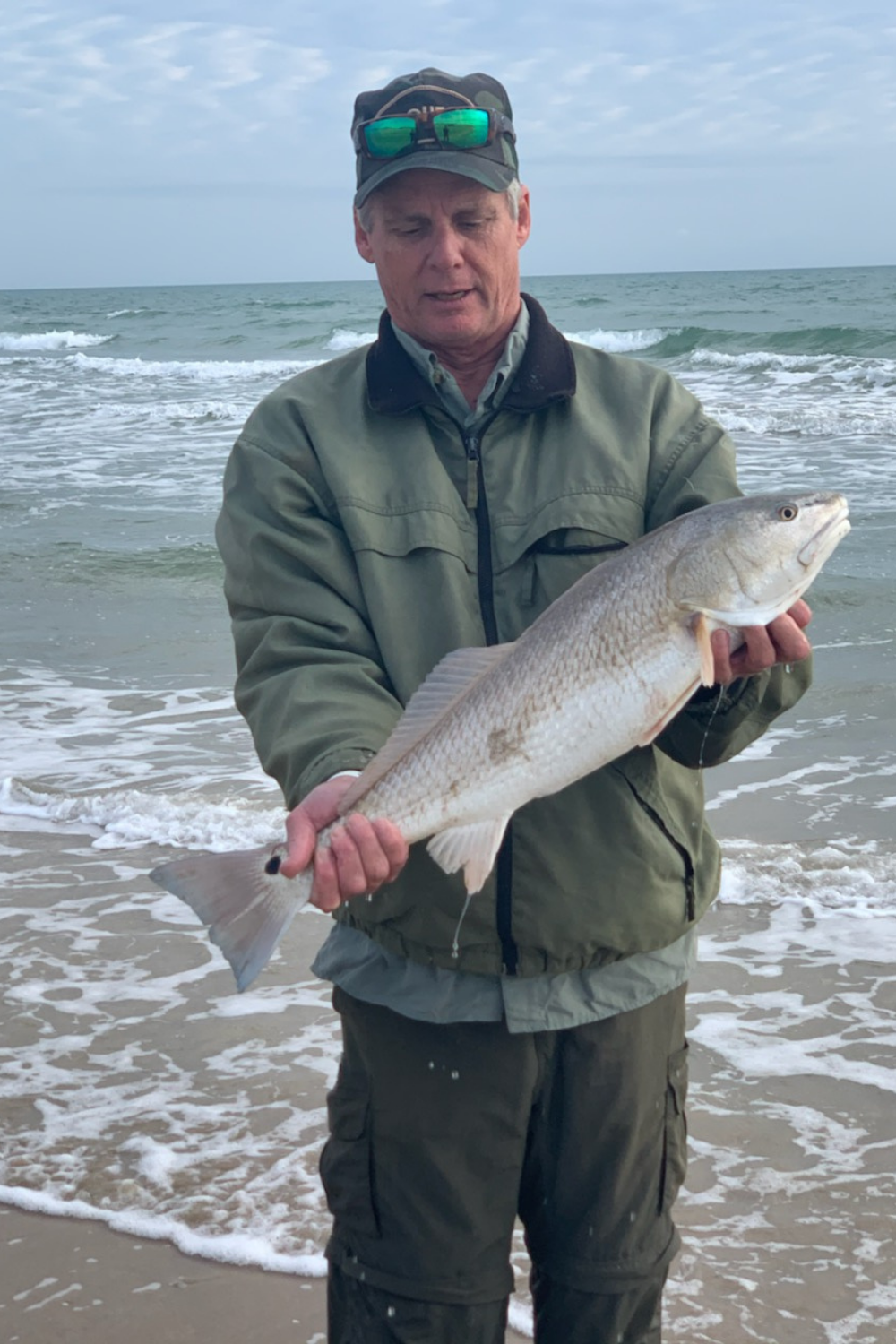
A life long surf fisherman with 50+ years of experience, I am also an avid hunter and outdoorsman. I will be sharing my passion for the outdoors with you so be prepared for hunting, fishing, camping, hiking and more. Along with gear reviews and the latest trends and innovations in the outdoor industry.