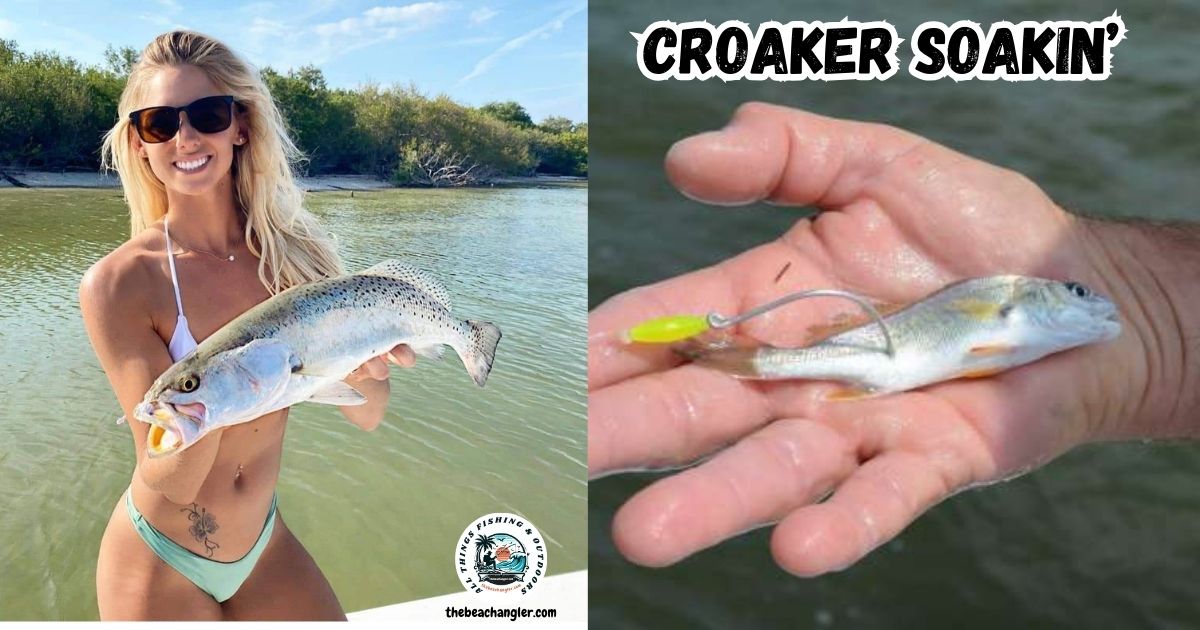
Fishing for big speckled trout with live croaker, often called “croaker soakin’,” remains a favorite method among Gulf Coast anglers. Using lively croaker as bait taps into the natural feeding habits of speckled trout during the warmer months, especially when these trout get picky and mostly zero in on eating finfish. My own time on the water has shown me just how effective this approach can be for landing trophy-sized specks.
QUICK LOOK: Croaker Soakin’ Tips for Speckled Trout
- Stick With Fresh, Local Bait: Locally caught croaker are usually livelier and last longer than those shipped in. Whenever possible, I catch my own or buy from a shop known for turning over fresh bait quickly.
- Watch Water Temperatures: Croaker can get lethargic if the water is cold (under 70ºF). Summer months are when they’re at their most active, and so is the trout bite.
- Location and Currents Matter: I seek out current seams, the upcurrent side of structure, and gentle current breaks. Big trout stake out ambush points—so thinking like a hunter pays off.
- Keep Up With Rod Position: Holding my rod at about a 90-degree angle to the line gives maximum sensitivity for detecting those subtle trout bites.
- Choose the Location: I target spots like grass flat edges, deep drop-offs, jetties, and oyster beds, especially where current draws in bait. Early mornings and evenings are prime times.
- Cast Your Bait: I lob my croaker near the sweet spot, let it settle, and watch my line closely. No aggressive reeling or dragging—this can “drown” the croaker, making it less appealing.
- Wake Up the Bait: If my croaker isn’t moving much, I give the rod tip a gentle lift and lower to trigger some renewed action. That little pop can get more trout interested fast.
- Watch and Wait: Big trout usually strike with a firm “thump.” The trick is fighting the urge to set the hook too soon. I drop the rod tip toward the water and give the trout a few seconds to swallow and turn the bait.
- Set the Hook: Don’t rush it. It might take several seconds for the trout to swallow a croaker fully. Setting the hook too quickly loses more fish than anything else I see in this style of fishing. When I feel constant pressure and see the line moving, I sweep the rod smoothly to the side to lock in the hook.
Why Croaker Soakin’ Stands Out for Trout Anglers
As summer heats up, coastal waters, speckled trout switch up their diet to target small baitfish. At this point, live croaker becomes unbeaten as bait. I find that trout can’t resist a croaker darting and struggling in the water. While artificial lures still have a place, a lively croaker really fires up that predatory instinct, especially in older, larger fish that have been conditioned to avoid the same old lures tossed their way.
In addition to their natural appeal, croakers send out vibrations and sounds as they swim, which catch the attention of trout hanging out in deep drop-offs or along grass lines. There’s something about the movement and reaction of a hooked croaker that brings big predators running.
The Gear: What You Need for Croaker Soakin’
My setup is simple, but everything is chosen to give the bait the best action. Here’s a closer look at the essentials that make croaker soakin’ a killer strategy:
- Live Croaker (2 to 4 inches): Catching or buying fresh, lively croaker matters. A sluggish bait won’t get any attention. I always check their bellies and fins for health and look for quick movement before fishing.
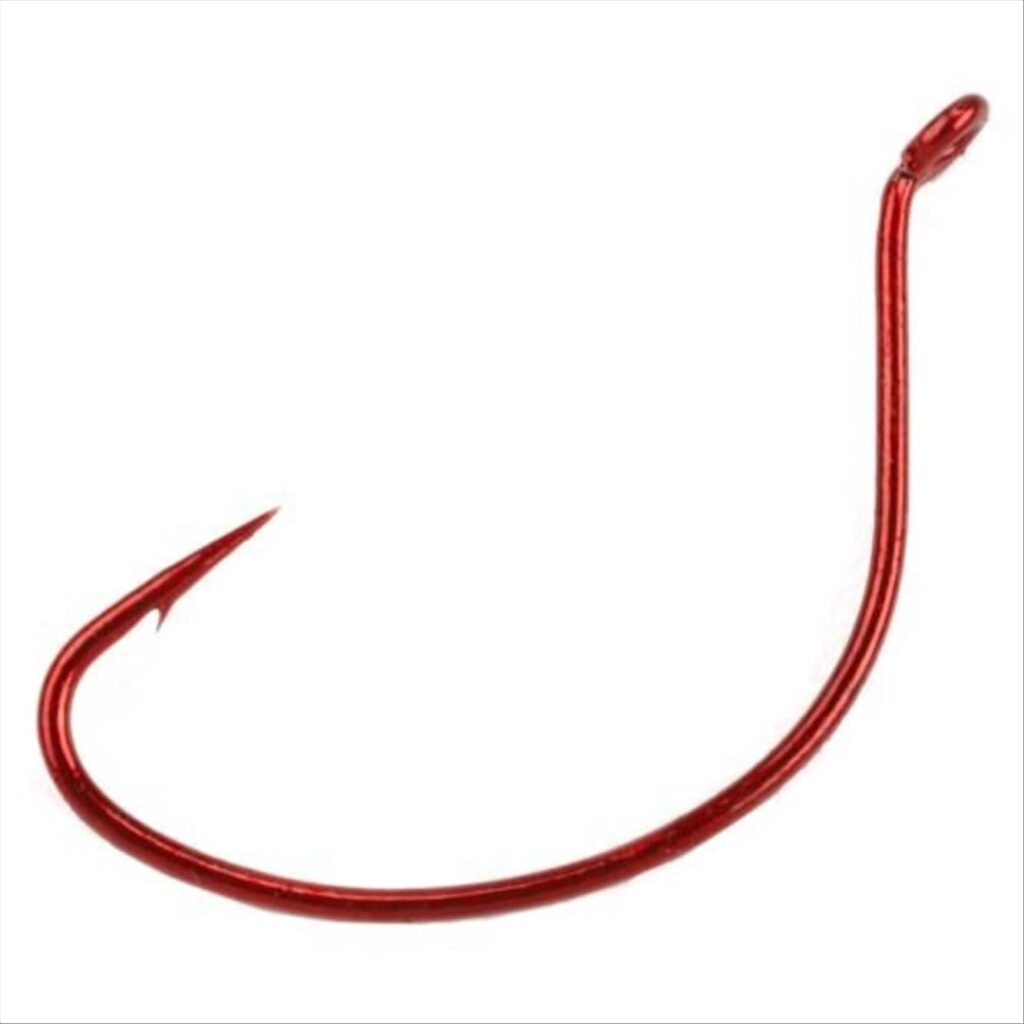
- Hooks: The go-to is a 3/0 to 4/0 Kahle hook, though I might downsize to a 1/0 or upsize to a 5/0 based on the croaker’s size. The wide gap helps lock in solid hookups.
- Lines and Leaders: I like 14-pound monofilament for its stretch and forgiveness. If I’m running braid, I add a 4- to 5-foot 15-30-pound monofilament or fluorocarbon leader to help it look more natural in clear water.
- Carolina Rig or Freeline Setup: In deeper water or strong current, I’ll rig an egg sinker or “chatter weight” above a barrel swivel, followed by a leader and hook, to get the bait down. When it’s calm and shallow, I prefer to freeline a croaker with no added weight.


Getting the Most Out of Your Live Croaker
Keeping croaker active is a major key to success. I always try to use croaker that were caught right before my trip or bought from a shop known for fresh bait. The fresher and friskier they are, the better. I test their energy before casting by gently releasing them at boat side. If they zip off, they’re good; if they’re sluggish, I switch them out. This might seem like extra work, but a worn-out croaker rarely gets picked up by a wary trout, so the swap pays off.
Best Ways to Hook a Croaker
- Through the Nose or Lips: For faster currents or when freelining, hooking through the top of both lips, or across the nostrils, holds the bait securely and lets it swim naturally.
- Through the Back (Just behind the dorsal fin): On shallow flats or under a cork, I sometimes go through the back. This makes the croaker swim deeper, tempting fish lurking below.
Keeping bait lively is priority one, but how you hook your croaker often affects whether the trout can easily take the bait or if it comes off in mid-fight. Try a couple of options to see which works best in your home waters, and take note of how the trout react.
Step-by-Step: How I Fish Croaker for Big Trout
Croaker soakin’ is about patience and confidence in your setup. Letting the bait do the work is key. Here’s my usual routine for this method:
- Choose the Location: I target spots like grass flat edges, deep drop-offs, jetties, and oyster beds, especially where current draws in bait. Early mornings and evenings are prime times.
- Cast Your Bait: I lob my croaker near the sweet spot, let it settle, and watch my line closely. No aggressive reeling or dragging—this can “drown” the croaker, making it less appealing.
- Wake Up the Bait: If my croaker isn’t moving much, I give the rod tip a gentle lift and lower to trigger some renewed action. That little pop can get more trout interested fast.
- Watch and Wait: Big trout usually strike with a firm “thump.” The trick is fighting the urge to set the hook too soon. I drop the rod tip toward the water and give the trout a few seconds to swallow and turn the bait.
- Set the Hook: When I feel constant pressure and see the line moving, I sweep the rod smoothly to the side to lock in the hook.
This approach rewards patient anglers, and it’s tough to match the rush of seeing that line come tight and feeling a heavy trout pulling back.
Tips for a Successful Croaker Soakin’ Trip
Through trial and error, I’ve come up with a few small tweaks that continually put more big trout in the cooler with live croaker. Minor details can make all the difference:
- Stick With Fresh, Local Bait: Locally caught croaker are usually livelier and last longer than those shipped in. Whenever possible, I catch my own or buy from a shop known for turning over fresh bait quickly.
- Watch Water Temperatures: Croaker can get lethargic if the water is cold (under 70ºF). Summer months are when they’re at their most active, and so is the trout bite.
- Location and Currents Matter: I seek out current seams, the upcurrent side of structure, and gentle current breaks. Big trout stake out ambush points—so thinking like a hunter pays off.
- Keep Up With Rod Position: Holding my rod at about a 90-degree angle to the line gives maximum sensitivity for detecting those subtle trout bites.
- Don’t Rush It: It might take several seconds for the trout to swallow a croaker fully. Setting the hook too quickly loses more fish than anything else I see in this style of fishing.
Common Gear Questions
- Is Special Rod Gear Needed? You don’t have to use anything too fancy. A 7-foot medium-action rod with solid sensitivity goes a long way, so you can tell the difference between a rock and a genuine bite. Stronger rods are handy for wrestling big trout from heavy structure.
- What Kind of Reel Works Best? Go for a quality spinning reel with a reliable drag. I use reels in the 25003400 size range that fit my rod and mainline. Smooth drags help during strong, last-second runs common with hefty trout.
Remember, matching rod and reel to the conditions and bait size always gives the best results. Spending a bit more for a dependable setup really pays off over the years in both comfort and success rate.
Frequently Asked Questions
If you’re new to croaker soakin’, you probably have a few questions. Here are some that come up again and again on the water.
Is live croaker better than artificial lures for catching big speckled trout?
I’ve found that during the hot months, big trout overwhelmingly prefer live croaker over most artificials. The unique movement and scent make it very hard for even spooked, mature trophy trout to resist.
What’s the best way to keep croaker alive during a fishing trip?
I recommend using a well-circulated livewell or a bait bucket with an aerator. Changing water frequently, even in a five-gallon bucket, keeps things fresh if you’re wading or fishing from shore.
Can I use croaker during the colder months?
When water falls below about 70°F, croaker won’t last long on the hook and get very lethargic. I switch back to artificials or live shrimp during winter. Save croaker for the warm season to get the most bites.
Extra Tips: Troubleshooting and Adapting on the Water
Fishing trips rarely go exactly as planned, and being able to adapt makes a huge difference. If croaker die before trout bite, I move to another location, try smaller hooks, or freeline with less or no weight. If pinfish or little predators keep stealing my bait, heading for deeper water or spots with quicker current can help.
If you sense trout are around but aren’t biting, try downsizing your bait or slowing your presentation. Some days, letting a wounded or even half-spent croaker drift naturally can outfish the finest artificial lure as long as you’re patient. Pay close attention to subtle changes and don’t be afraid to adjust on the fly.
Also, keep your croaker as lively as possible by avoiding any unnecessary rough handling. Rotate bait often, and don’t hesitate to return slower croaker to the livewell or toss them out if they start to look worn out. Sometimes, it’s the smallest edge that lands a trophy fish.
Key Takeaways from Croaker Soakin’ for Big Trout
Croaker soakin’ continues to be a reliable technique for targeting trophy speckled trout all summer long. With the right bait, proper gear, and a patient, attentive mindset, some of my most exhilarating catches have come while freelining lively croaker.
Paying attention to the details—like how the bait swims, water clarity, and adjusting to conditions—pays off big time. Whether you’re hoping for a new personal best or just an action-packed day, croaker soakin’ is an exciting and productive way to spend time on the water. Next time you hit the coast, give it a shot, and you just might land the trout of your dreams.
Check Out Our Most Recent Articles:
- Kastking Megajaws Elite Saltwater Baitcasting Reel
- Nomad Switcher Shrimp Lures
- Quantum Merit Spinning Reel
- Why Is Surf Fishing Popular?
- Why Do Anglers Use Different Types Of Fishing Lines For Saltwater Fishing?
- Why Are Tides Important In Surf Fishing?

As always, stay safe, enjoy the journey, and please try to leave it cleaner than you found it. If you have any comments, questions, ideas, or suggestions, please leave them in the comment section below, and I’ll get back to you ASAP. You can follow us on Facebook: Rex The Beach Angler, Instagram: thebeachangler7, Twitter: @AnglerBeach, and YouTube: Man Art Creations.
P.S. Thanks so much for checking out our blog; we really appreciate it. Just so you know, we may receive a commission if you click on some of the links that appear on our site. This helps us keep our content free and up-to-date for everyone. We appreciate your support!





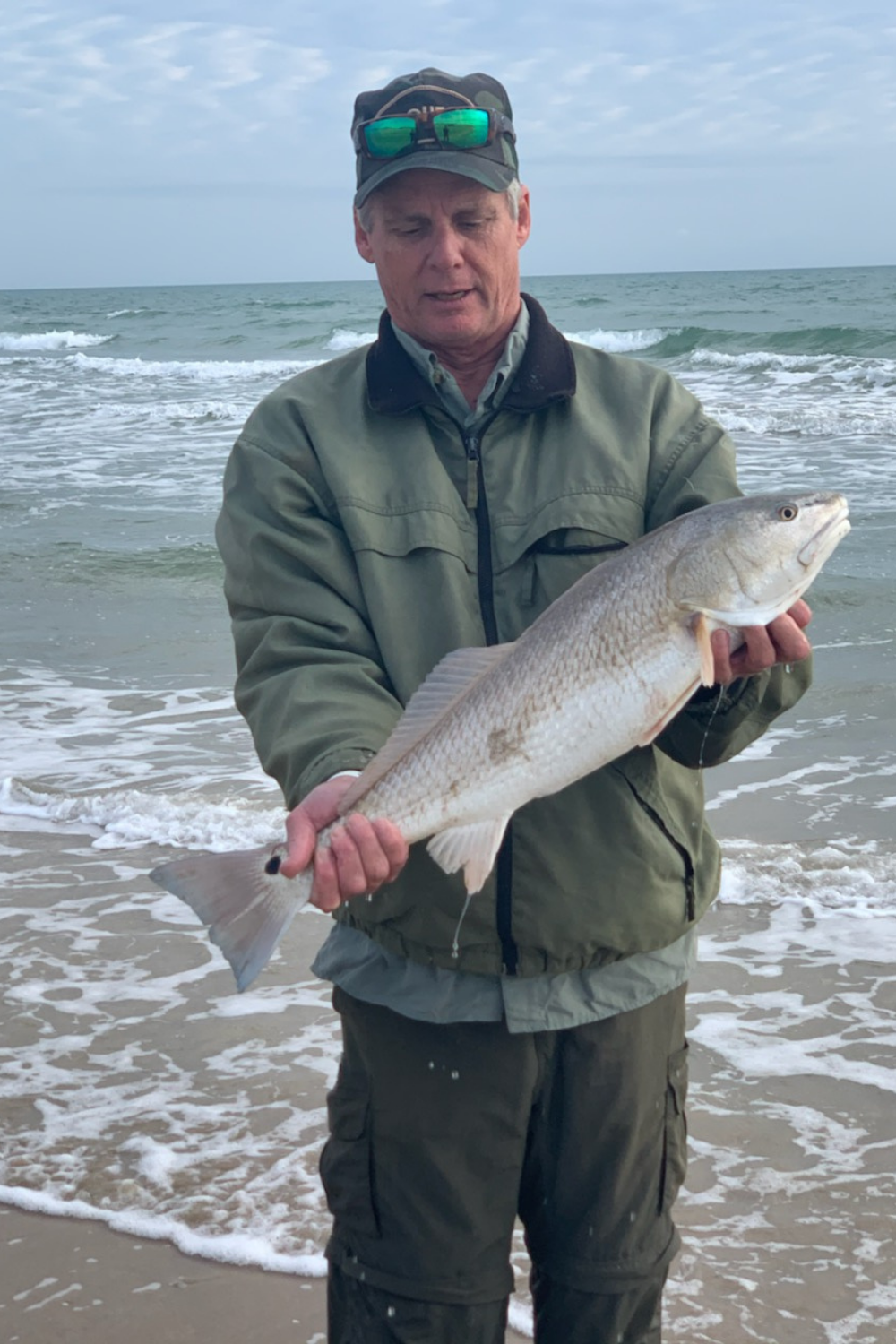
A life long surf fisherman with 50+ years of experience, I am also an avid hunter and outdoorsman. I will be sharing my passion for the outdoors with you so be prepared for hunting, fishing, camping, hiking and more. Along with gear reviews and the latest trends and innovations in the outdoor industry.