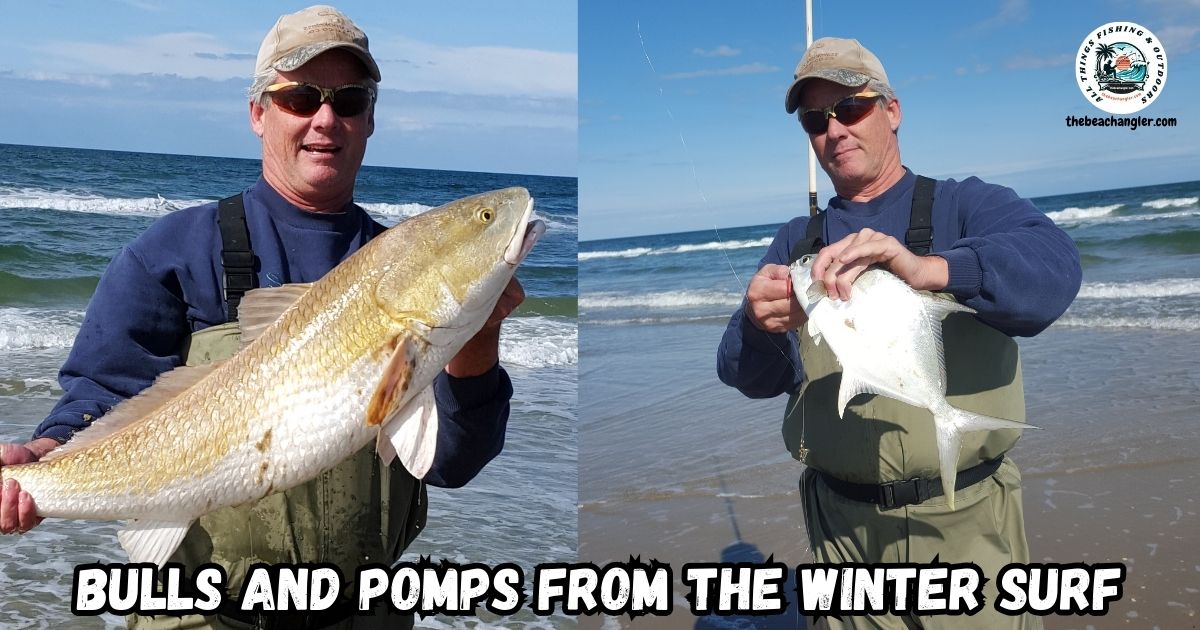
Bull redfish and pompano are two of my top picks when it comes to winter surf fishing. Both offer exciting action if I use the right approach, and I never get tired of that first strong pull on the line when the cold air bites my fingers, and the surf is crashing.
Whether I’m out at dawn after a cold front or sneaking a rod in after work, the challenge always draws me in. Here’s how I look for, set up, and consistently get into both bulls and pomps when the water turns chilly.
Spotting and Targeting Winter Bulls from the Surf
Finding bull redfish in winter isn’t just about soaking bait anywhere along the beach. Bulls, those powerful reds pushing over 36 inches, roam deeper sections of the surf when the water gets cold. Their movement keeps them fueled for spawning and keeps them in reach of anyone willing to read the water.
To spot bull reds, I watch for deep troughs and cuts along the sandbars. These valleys between sandbars let water flow back out to the Gulf, carrying baitfish and scent, sort of calling in those big fish. If you see a deeper gap where the waves collapse instead of breaking twice, odds are good it’s a cut. I’ve caught some of my biggest bulls by walking the shoreline looking for these features and casting into them instead of just into open water.
Fishing the wade gut can be productive, especially on incoming tides. The wade gut is that deeper stretch just behind the first sandbar. On cool mornings, bait schools often bunch up here, and the reds aren’t far behind. I try to get my baits just past the breakers if possible, using longer rods to hit these deeper spots without wading too far.
If the surf is flat or the beach is shallow all the way out, jetties or piers offer another great option. Structure creates permanent depth and almost always shelters bait. I’ve had sessions where redfish after redfish hit at the foot of a jetty while the open surf was quiet. These spots are also safer when the cold makes wading risky.
Reading the beach is a learned skill. Sometimes, after a strong winter storm, the currents will reshape sandbars or carve deeper channels. This can change from week to week, so I always walk a stretch and watch how the waves behave before deciding where to set up. Gulls and pelicans swirling above are also a giveaway for nearby baitfish schools, likely attracting bull reds and other predators.
Gear I Rely on for Big Winter Bulls
Bigger redfish will test my gear to the limit. I’ve seen plenty of heartbreaks when someone’s leader nicks on a sandbar, or their reel drag burns out mid-fight. For bulls, I stick with a 12-foot surf rod, which gives both the reach to clear sandbars and enough backbone for long battles.
My reel is a 5000 or 6000 size loaded with at least 300 yards of 40 lb braided line. Braided line slices through the surf and lets me feel every head shake, even at a distance. My rig ties everything together. I use a heavy mono leader, usually 80 to 100 lb, with a sturdy swivel on one end to reduce line twist and a heavy spider or pyramid sinker on the other to hold bottom in current.
For hooks, I go with 7/0 or 8/0 circle hooks; Gamakatsu makes a sharp octopus circle hook that grabs well in the corner of a bull’s mouth. These hooks, rigged through a chunk of fresh bait, are reliable and tend to ensure a clean release if I want to let the fish go.
Before every trip, I carefully check my leader and all knots. One nick from a shell or a tangle with the rod tip is all it takes to lose the fish of the season. Re-tying leaders only takes a few minutes and saves me a lot of frustration in the long run. A second rod with a slightly lighter set-up serves well if the fish aren’t as big as planned or if smaller slot reds show up alongside the bulls.
Bait and Hook-Setting Tricks that Give My Winter Red Catch Rate a Boost
I always have fresh crab or cut mullet on hand for winter bull reds. Fresh crabs, cracked to let their scent out, are almost irresistible when the water’s chilly. A big, oily slab of mullet also works, especially on days when crabs don’t stay put on the hook. I make sure to thread the bait well onto the hook, passing the point two or three times through the flesh or shell. This keeps it in place even with strong wave action.
A juicy bait presentation is crucial. Sometimes, I’ll wrap a bit of natural cotton thread around the bait, tied tight enough so the waves don’t strip it off but not so tight as to make it look unnatural. This trick can make a difference, especially in high surf or if crabs are picking baits off quickly.
When I get a solid bite, I don’t rush. Instead, I keep tension but let the fish run for a count of seven, giving the redfish time to fully pick up the bait. If I set too soon, I risk missing the hookset. Waiting gives that circle hook time to do its job and almost always leads to a perfect corner-mouth hook-up.
Once hooked, bulls pull hard and sometimes drift sideways with the current. I keep my rod at a 30 to 60-degree angle and use a steady pump-and-reel technique, never letting slack creep into the line. It means not rushing, but letting the rod do the work helps me land even the larger fish without a lot of drama.
Timing My Trips for Bull Reds and Pomps
Winter means less competition from swimmers and other anglers, making it prime time for targeting bull reds. Late fall through early spring is best since the reds school up for spawning, making them more aggressive and easier to track down in groups.
My most productive fishing happens in water temperatures between 61 and 70°F. If it climbs over 75, the big groups scatter, so I mix up tactics or fish at night when water temps dip. For Pompano, timing is about water clarity, tide, and temperature.
Pomps thrive in cooler, green-tinted water between 62 and 70°F and move in schools close to shore after winter fronts. Calm days with a gentle chop and a rising or falling tide set the perfect stage for a good run. I also look for that change in current—when water movement begins, pomps usually follow.
Scouting and Catching Winter Pompano
Pompano are my favorite surf reward when the wind lies down, and the water clears up. These fish love structure, especially troughs behind sandbars and the gentle bends where water swirls around points along the beach.
I look for sections with crystal-clear water and a hint of green, since this usually means perfect salinity and visibility for both the fish and me. I watch the surf for sections where waves break twice before reaching the sand. That zone between sandbars is often packed with food.
On outgoing tides, I focus on the backside of the bars as water rushes toward the Gulf, stirring up sand fleas and other snacks. On incoming tides, pomps swim closer to shore, sometimes right up in the foamy wash line, so a shorter cast can be surprisingly effective.
On certain beaches, shell patches along the shore act as natural feeding zones for pomps. After strong winds, I walk the edge looking for areas where broken shells and small debris collect. These patches typically hide sand fleas, and where there are sand fleas, there are usually pompano. If I spot bird flocks poking and pecking in these patches, I pay extra attention; they are often a dead giveaway that pomps are nearby feeding.
Tackle and Rigs that Get Pomps Biting When It’s Cold
I use a surf rod between 10 and 13 feet for casting light rigs out to where pompano are feeding, matched with a smooth spinning reel. My mainline is 20-30 lb braid, which offers just enough strength and allows longer casts in windy conditions. For leaders, I go lighter, with 40 to 60 lb fluorocarbon since pomps have sharp eyesight and can spot heavy mono in clear water.
The rig makes a difference. I tie a simple two-hook dropper or a Carolina rig with small 2/0 to 4/0 circle hooks, often adding a small float or bead in front of the hook to lift the bait just off the bottom. For weight, Sputnik and pyramid sinkers hold well in current, but I downsize if the surf is calmer.
Swapping out hook colors or bead colors sometimes jumpstarts a finicky bite. Yellow and chartreuse beads seem to be hot in bright sun, while pink or orange pop more on cloudy days. I change them around until the fish show me what they want.
Baits and Methods for More Winter Pomps
Pomps aren’t picky, but fresh or natural bait makes all the difference. I use small chunks of fresh shrimp, sometimes tipped with pink or orange Fishbites if the bite slows. Sand fleas and small pieces of clam have saved slow days. Presentation is key—I keep baits just big enough to cover the hook, adding a synthetic attractant if water is murky or I’m getting short bites.
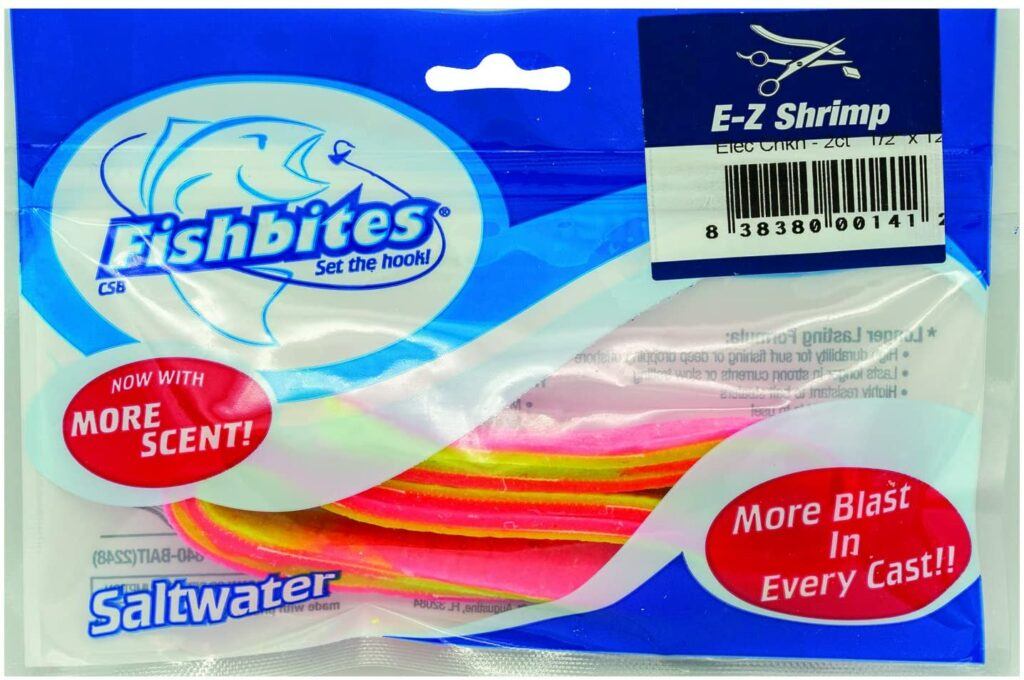
For best results, I make sure the bait is right near the bottom. Sometimes I’ll bounce a small jig tipped with Fishbites along a trough if water is crystal clear, but most of the time I let my rigs drift with the current and watch for the telltale tap-tap or sudden pull. If I get a missed bite, I immediately check and rebait, since pompano often travel in fast-moving schools and the window for action can be short.
Extra Pompano Tips That Work in Winter
- Tide shifts matter: I plan to fish just before and just after big tide swings. Pomps rush in to feed as water moves.
- Be ready for fast flurries: When I hook one pompano, I quickly rebait and cast back out. They often hit in small schools.
- Test colors and floats: I sometimes switch colors on my floats or baits; what works one day might not the next. Trying pink, orange, or even chartreuse really pays off.
- Keep quiet on the shore: Extra noise or a busy beach can spook pomps, especially when the water is clear. I try to stand back from the surf and talk quietly, keeping the focus on the fish.
- Extra-long casts are not always better: Now and then, the best bite is in close during the last part of the rising tide. I always give at least one rod a short toss along the wash to see if the fish are right at my feet.
Catching bulls and pomps from the winter surf boils down to understanding structure, matching gear to the fish, and keeping an eye on changing conditions. With a bit of patience, a sharp eye, and the right spots, I’m always close to making another winter memory on the sand.
Frequently Asked Questions
How do I find the best spots for bull reds in the winter surf?
I look for deeper cuts and troughs in the sandbars where water flows back toward the Gulf. These spots gather bait and create natural hunting grounds. If those aren’t producing, I fish near jetties or piers where deeper water and structure attract big reds.
What’s the best bait for pompano during cold months?
I use fresh shrimp, sand fleas, and Fishbites in pink or orange colors. These baits work well, especially if I keep them right on the bottom or add movement by bouncing a jig.
How do I avoid losing big redfish after hooking up?
I always check my leader for nicks, make sure knots are strong, and use circle hooks. When a bull hits, I wait a few seconds before tightening into the fish. This helps the hook set in the corner of the mouth, reducing lost fish.
Check Out Our Most Recent Articles:
- Nomad Switcher Shrimp Lures
- Quantum Merit Spinning Reel
- Why Is Surf Fishing Popular?
- Why Do Anglers Use Different Types Of Fishing Lines For Saltwater Fishing?
- Why Are Tides Important In Surf Fishing?

- Understanding Fish Behavior To Improve Your Fishing
As always, stay safe, enjoy the journey, and please try to leave it cleaner than you found it. If you have any comments, questions, ideas, or suggestions, please leave them in the comment section below, and I’ll get back to you ASAP. You can follow us on Facebook: Rex The Beach Angler, Instagram: thebeachangler7, Twitter: @AnglerBeach, and YouTube: Man Art Creations.
P.S. Thanks so much for checking out our blog; we really appreciate it. Just so you know, we may receive a commission if you click on some of the links that appear on our site. This helps us keep our content free and up-to-date for everyone. We appreciate your support!





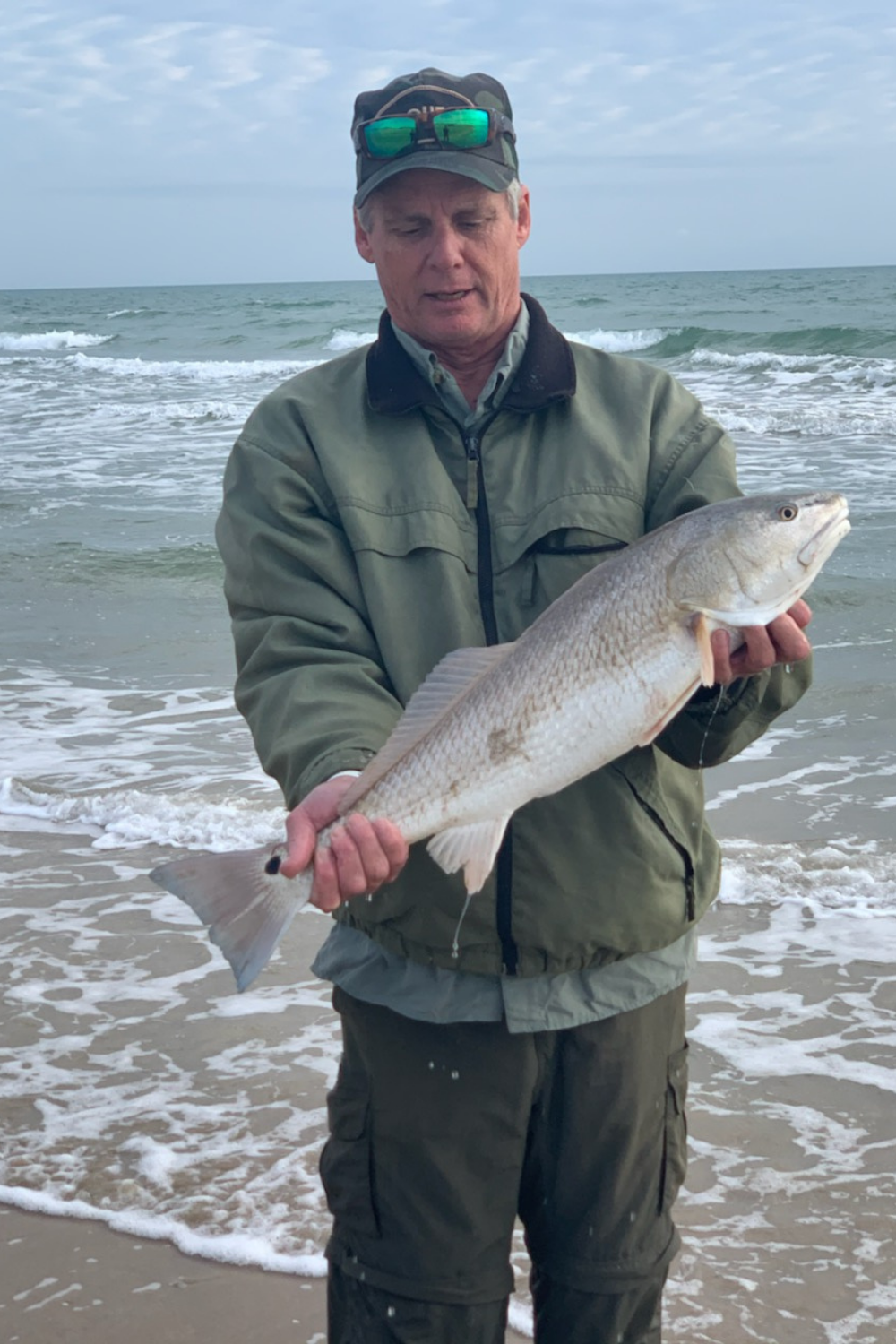
A life long surf fisherman with 50+ years of experience, I am also an avid hunter and outdoorsman. I will be sharing my passion for the outdoors with you so be prepared for hunting, fishing, camping, hiking and more. Along with gear reviews and the latest trends and innovations in the outdoor industry.