Fishing along the inshore waters of the Texas coast has a special appeal. I’ve spent countless dawns casting off pier edges and wading the flats, always eager to see what bites next. Having the right baits and lures is one of the most important parts of prep.
QUICK LOOK: Bait and Lure Tips for Inshore Saltwater Fishing
- Match the Hatch: I watch the shoreline to see which baitfish or shrimp are around, then pick lures or live baits that look similar. Fish usually focus on what’s naturally available.
- Work the Structure: Docks, oyster beds, channels, and grass edges hold fish. I try different retrieves and work baits slowly through these zones.
- Use Quiet Approaches: In shallow, clear water, stealth is key. I cast ahead of the boat or wade softly to avoid scaring fish.
- Switch Your Retrieve: Varying the speed or pattern of my retrieves helps trigger bites, especially when fish are following but not striking right away.
- Keep an Eye Out for Birds: Birds diving or circling often signal baitfish and active predators. I always pay attention to gulls and terns because they can lead me straight to fish feeding frenzies.
- Note Tides and Weather: Learning how changing tides, wind direction, and cloud cover can affect fish activity helps me plan when and where to fish most effectively. If a strong outgoing tide lines up with sunrise or sunset, I try to be ready with my topwater lures.
For anyone starting or looking to up their game, picking the essentials from all the options out there can seem overwhelming. I’m going to break down the must-have baits and lures that give you the best shot at catching more fish in inshore saltwater spots.
Why the Right Bait Matters for Inshore Saltwater Fishing
Brackish flats and grassy marshes are home to prized catches like redfish, speckled trout, and flounder. Each of these fish responds differently to the baits and lures presented. Using the right options makes it much more likely that I’ll get bites, especially when fish get picky.
Both live baits and artificial lures have their strengths. I use both, often switching between them based on conditions and target fish. Knowing which to bring and how to present them gives me a real advantage on the water.
The latest trends in fishing show that soft plastics and high-quality artificial lures are becoming more popular for inshore trips. According to Texas Parks & Wildlife, live baits like shrimp and mullet remain favorites for many anglers because of how reliably they attract a wide range of species (source). The growth in lure options means I now have more creative ways to tempt that trophy fish.
Choices in Live Bait: What Consistently Works
Live bait hooks more fish when the bite is slow or fish are being cautious. I always keep these three baits in mind on my inshore trips:
- Shrimp: Inshore favorites like speckled trout, black drum, and redfish all eat shrimp. Rigged under a popping cork or free-lined, shrimp can out-fish nearly anything during warmer months. I find my catch numbers go up when the water temperature is in the 70s to mid-80s Fahrenheit.
- Minnows: I like using small pinfish, croaker, or mud minnows for species hanging around structure, like flounder and trout. Hooked through the lips or back, they stay lively and tempt predators lurking near rays, docks, or oyster beds.
- Mullet: Bigger mullet are great for attracting large redfish and even the occasional snook. I usually fish large live mullet either on the bottom or slow trolled to cover more area.
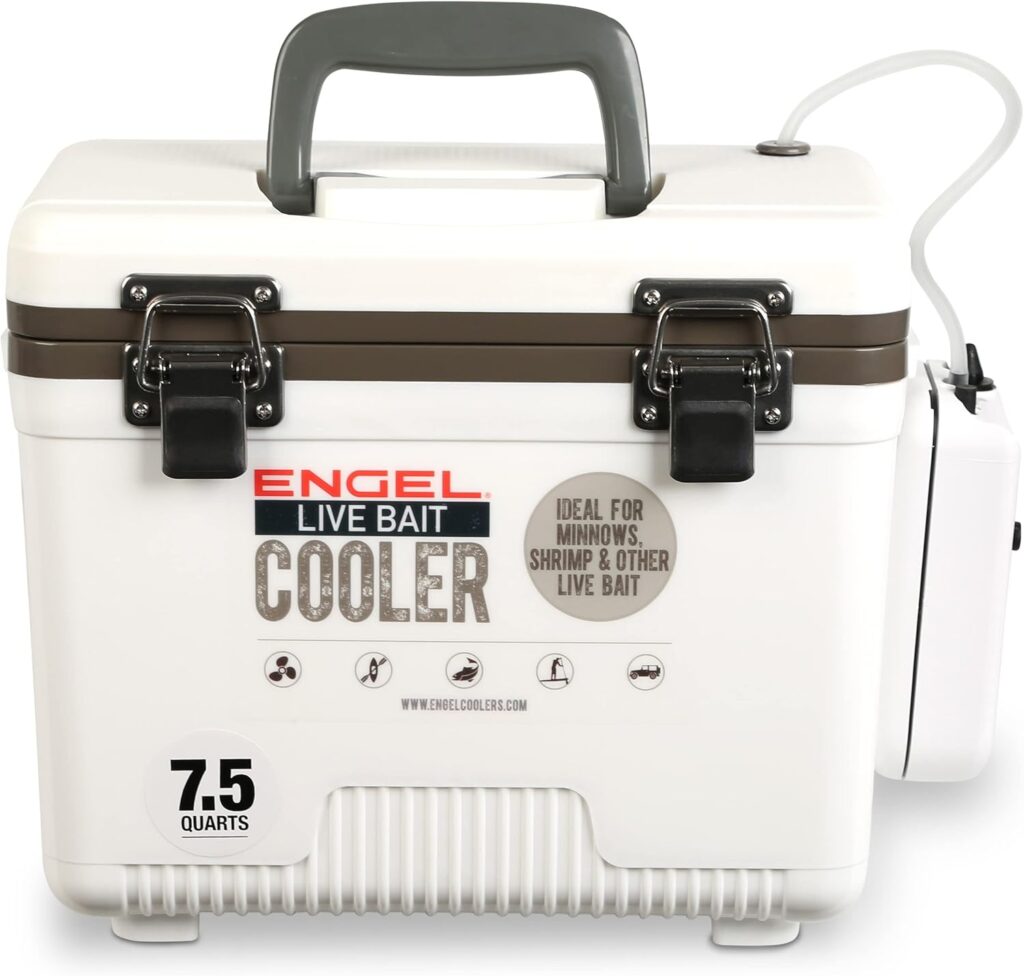
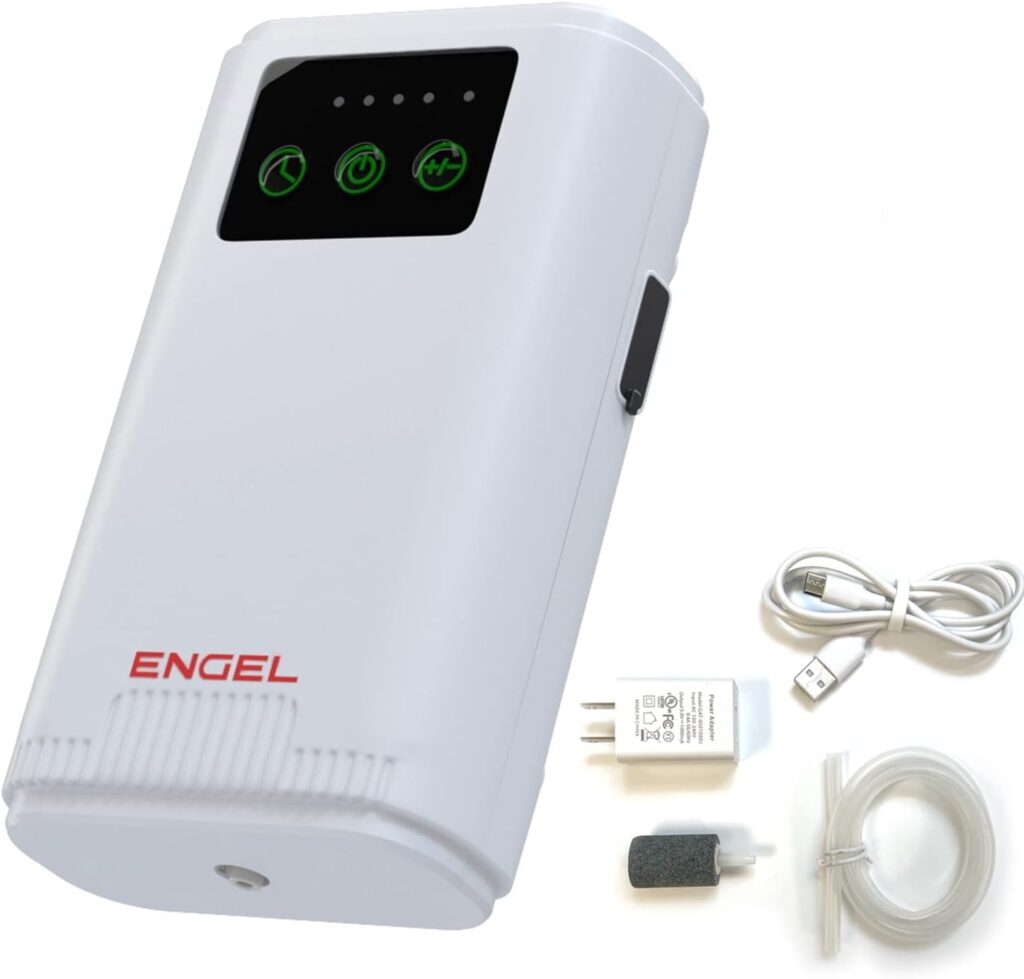
Proper storage and handling are super important. I use an aerated bait bucket and avoid crowding, which helps keep my baits lively and appealing for longer sessions. Healthy live bait not only stays on the hook better but also moves in ways that get attention from fish. For those who prefer keeping bait fresh and lively, I recommend upgrading to a battery-powered aerator for extended outings on hot Texas days. It makes a difference.
Picking the Best Artificial Lures for Inshore Waters
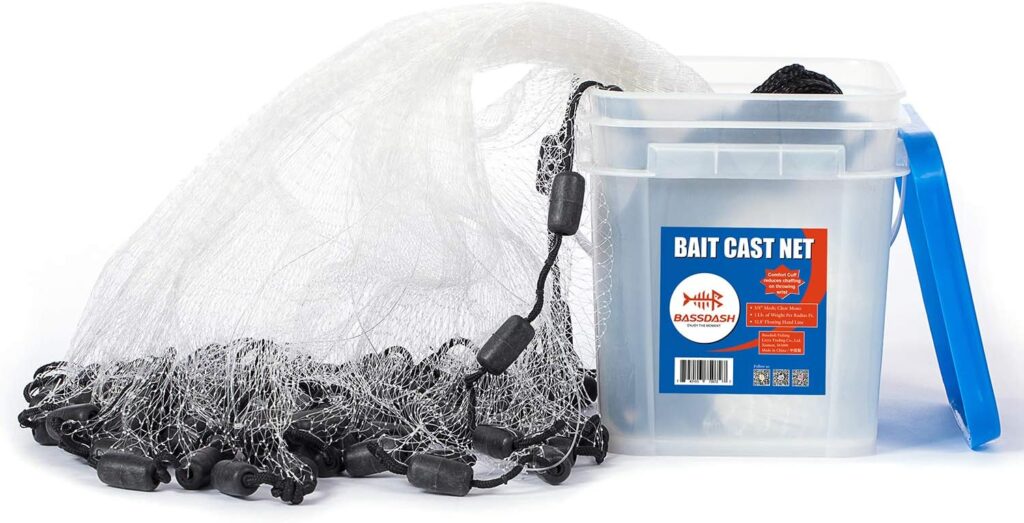
Artificial lures let me cover more water, and they’re basically always ready when live bait is hard to find. I always pack a few of these cool lures in my tackle bag:
- Soft Plastic Baits: These shrimp and baitfish imitations are super versatile. My favorite, Berkley Gulp! Saltwater Shrimp releases scent and looks just like the real thing. I pair these baits with light jigheads for bouncing along the bottom, or rig them weedless for grassy spots. I find that subtle twitches often make the difference when fish are hesitant, especially after cold fronts.
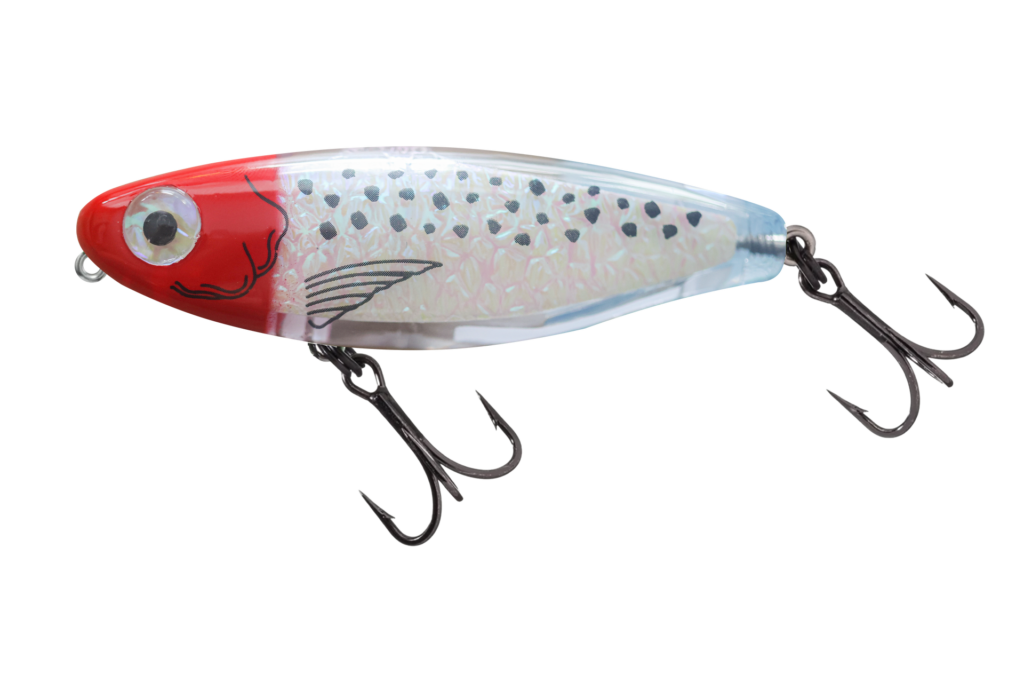
- Topwater Lures: Watching a speckled trout blow up on a Heddon Super Spook Jr. still gets my heart racing. I use walk the dog action early or late in the day when fish are hunting on the surface. MirrOlure Top Dogs and MirrOdine are also great choices, and I like testing different retrieval speeds depending on light and wave action.
- Bucktail Jigs: When the water’s a bit stained or the fish are deep, bucktail jigs get the job done. They imitate small baitfish and can be hopped along the bottom to draw out bites from redfish or flounder. Bucktail jigs, especially in white or chartreuse, create a subtle pulsating action. Fish seem unable to resist it when worked along channel edges or dropoffs.
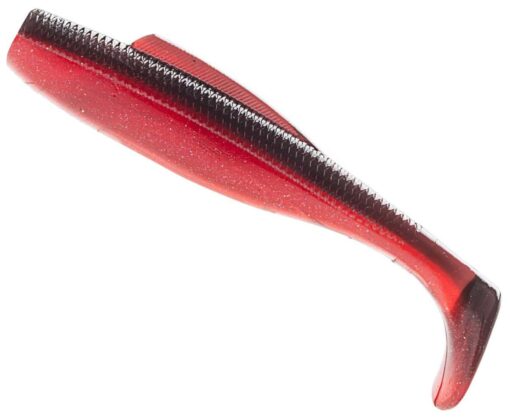
- Paddletail Jigs: These lures mimic baitfish by wiggling side to side as they swim. I use Saltwater Assassin or ZMan DieZel MinnowZ rigged on a jighead. They’re good for steady retrieves when I’m covering a lot of flats. These can also be great after heavy rains when baitfish are getting washed out of marshes.
- Weedless Spoons: Gold or silver spoons have been catching redfish for decades. I use them over seagrass and oyster reefs since they don’t snag easily. Their flash and vibration bring curious fish from a distance. Adding a small split ring and swivel helps keep line twist to a minimum, making them even easier to fish.
- Twitchbaits: Lures like the MirrOlure MirrOdine, or Daiwa Fashad, let me imitate an injured baitfish with a few sharp jerks. I favor these in cooler months when fish are less aggressive. The subtle movement can be all that’s needed to get a strike.
- Crankbaits: For moving water or around structure, a suspending crankbait like the MirrOlure MirrOlip, or Daiwa Switch Hitter, can attract both trout and redfish. These baits dive low and hold in the strike zone longer than floating lures.
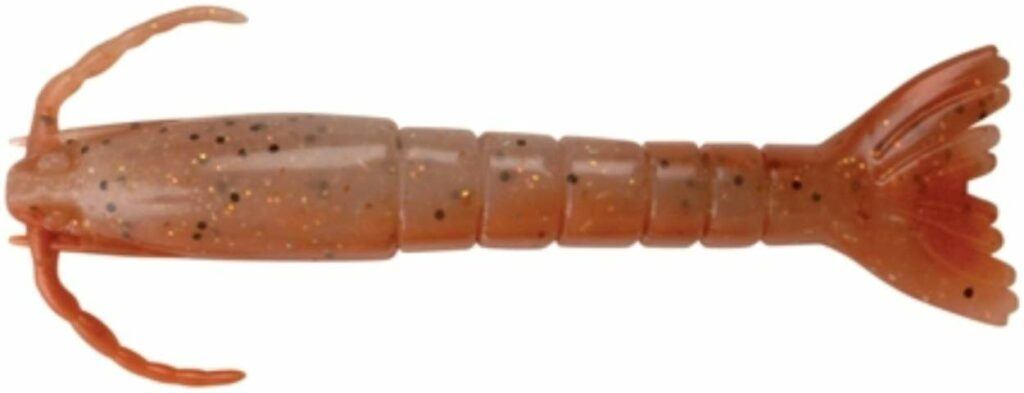
Many lures are available in a wide range of colors. In clear conditions, I like natural or translucent patterns. When the water is murky, I go for brighter colors or more flashy finishes since fish rely on sight and vibration more than scent. Don’t be afraid to experiment with color on tough days; sometimes the oddball color becomes a winner.
Simple Steps to Build Your Essential Inshore Tackle Box
Putting together a good mix doesn’t need to be complicated. Here’s what I keep stocked for just about any inshore fishing session:
- Jigheads (1/8 oz to 1/4 oz): Multiple sizes let me adjust for depth and current. I carry a few different shapes as well, so I can swap based on how soft plastics are moving.
- Swivels and Popping Corks: Corks add noise and motion to my live and artificial shrimp, increasing visibility and realism in wind or chop. Slip corks work well for deeper channel edges, while fixed popping corks excel around shallow grass flats.
- Leader Material (20–30 lb fluorocarbon): Abrasion resistance is super important because inshore fish love hanging near sharp rocks, barnacles, and shells. Sometimes, I’ll bump up to 40lb if toothy fish like Spanish mackerel are mixed in the area.
- Utility Tools: Needle-nose pliers, a durable line cutter, and an extra spool of line make it easy to handle anything unexpected on the water. I’ve learned from tough days that a backup spool is essential for dealing with unexpected breakoffs or bird nests.
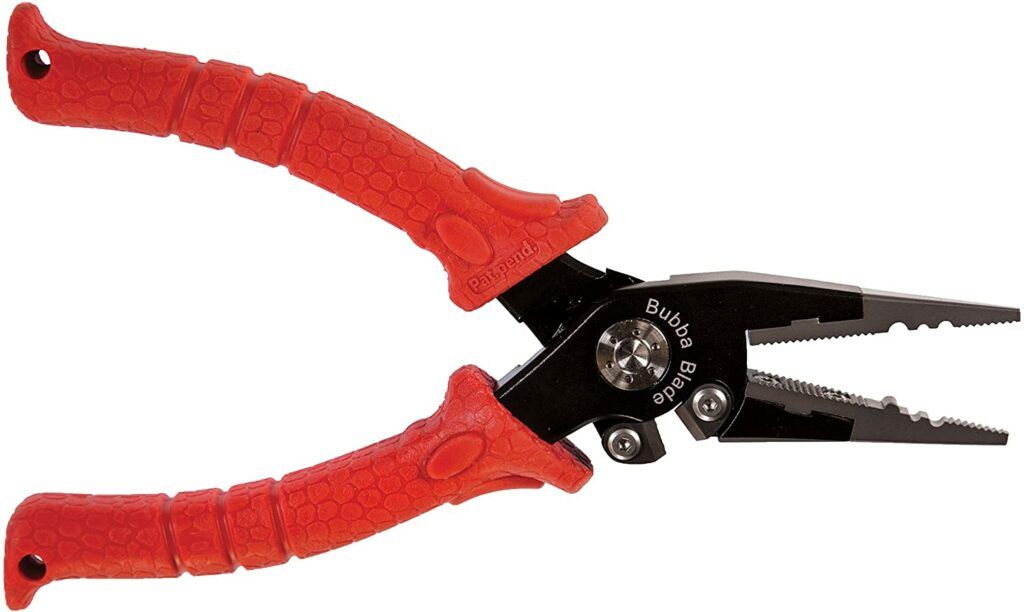
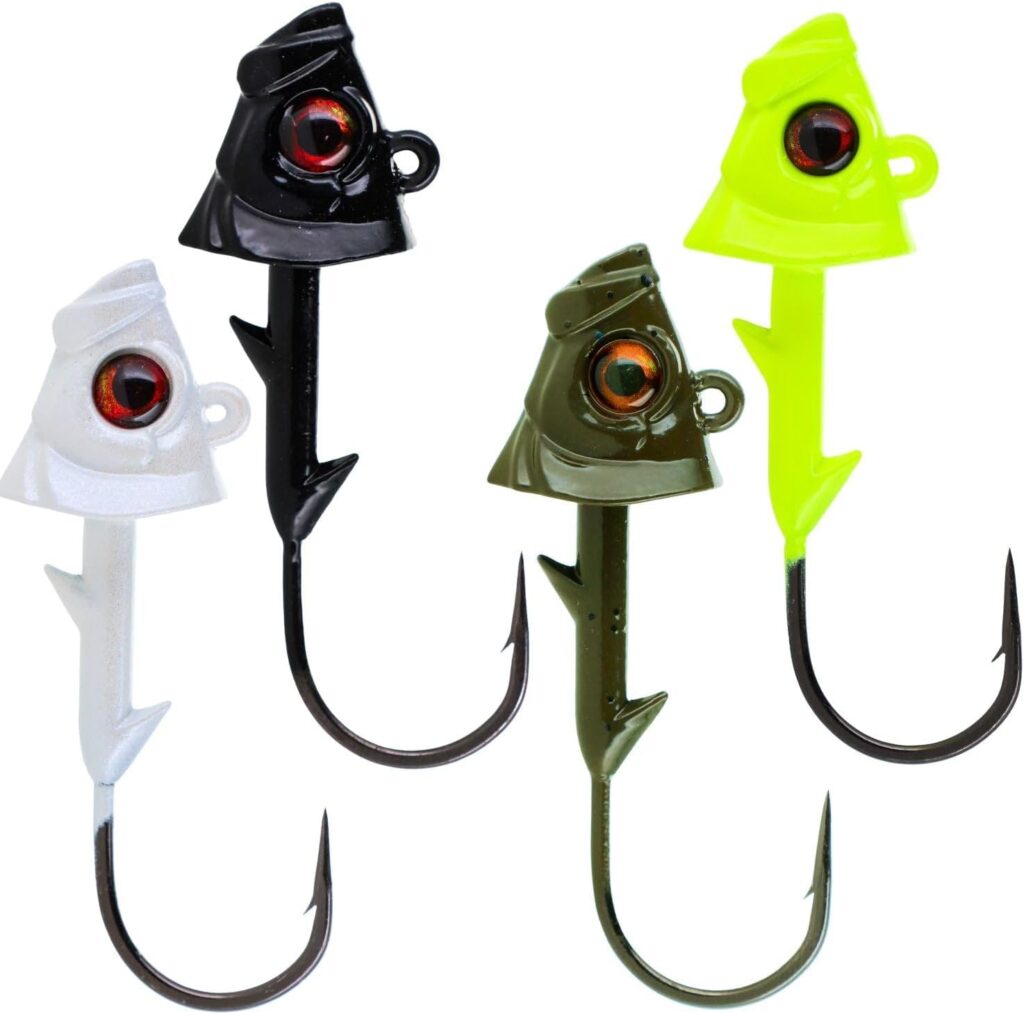
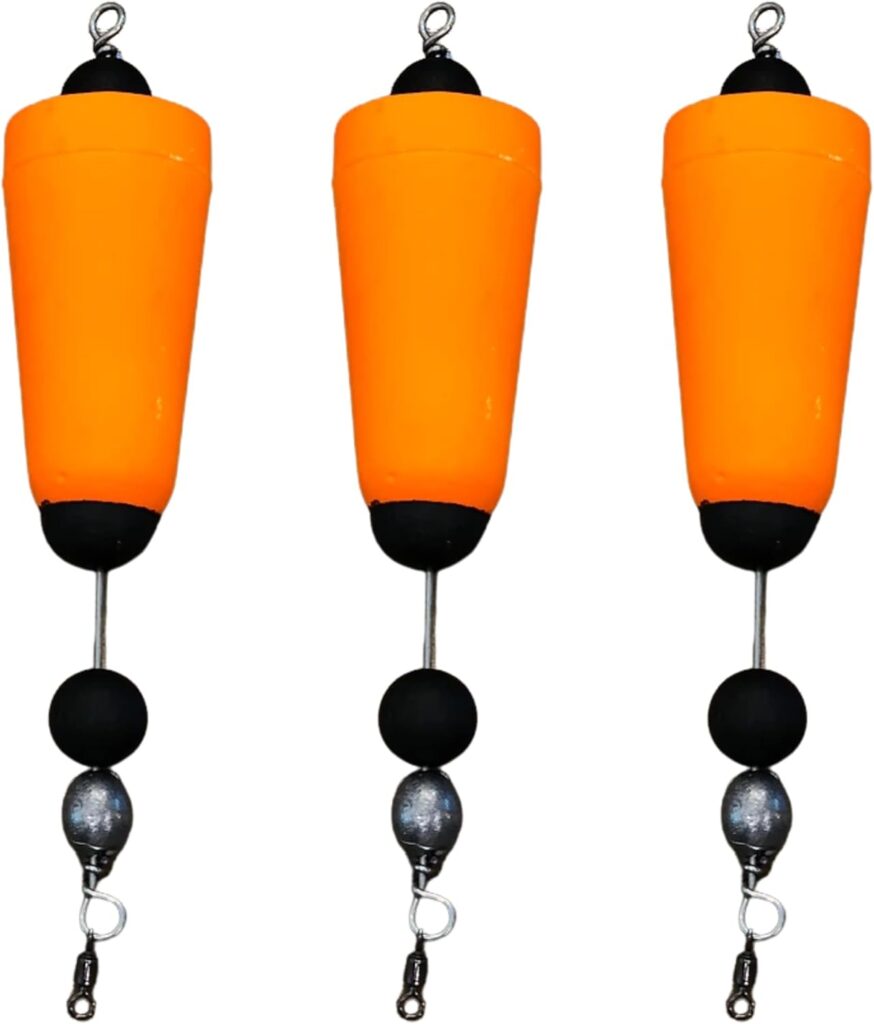
Rotating between baits and lures keeps things interesting, and I often experiment with combinations based on the time of year and where I’m fishing. Having these items ready also means I can respond quickly if fish change patterns, wind picks up, or current speeds switch up unexpectedly. Stay flexible—sometimes, a quick gear tweak leads to sudden action.
Tips to Make the Most of Your Casts
Knowing the right gear is only part of the puzzle. Here are my practical tips for putting more fish in the kayak or livewell:
- Match the Hatch: I watch the shoreline to see which baitfish or shrimp are around, then pick lures or live baits that look similar. Fish usually focus on what’s naturally available.
- Work the Structure: Docks, oyster beds, channels, and grass edges hold fish. I try different retrieves and work baits slowly through these zones.
- Use Quiet Approaches: In shallow, clear water, stealth is key. I cast ahead of the boat or wade softly to avoid scaring fish.
- Switch Your Retrieve: Varying the speed or pattern of my retrieves helps trigger bites, especially when fish are following but not striking right away.
- Keep an Eye Out for Birds: Birds diving or circling often signal baitfish and active predators. I always pay attention to gulls and terns because they can lead me straight to fish feeding frenzies.
- Note Tides and Weather: Learning how changing tides, wind direction, and cloud cover can affect fish activity helps me plan when and where to fish most effectively. If a strong outgoing tide lines up with sunrise or sunset, I try to be ready with my topwater lures.
Conditions on the water change from day to day, so staying flexible and observant has helped me adapt and keep fishing trips fun and rewarding. Logging notes on wind, moon phases, and bait activity after each trip also helps me spot patterns over time, so I can plan future outings more successfully.
Frequently Asked Questions
Here are some of the most common things I get asked by others looking to get started with inshore fishing baits and lures:
Which live bait works best for new anglers?
Shrimp is the easiest and most reliable. It attracts just about everything in Texas inshore waters, and it’s simple to rig.

How do I decide when to use artificial lures?
Artificial lures are great for covering more water or when live bait isn’t available. I use them when I want to keep moving and fish actively, especially in the morning or evening.
What’s one lure you never leave home without?
A pack of soft plastic shrimp in a natural color goes everywhere with me. It catches fish year-round and works in most conditions.
Do I need fancy gear to catch fish inshore?
Not at all. A medium action spinning rod and reel spooled with 10 to 20 lb braided line will handle nearly anything you’ll hook in inshore Texas waters. Simple, quality gear and good knots go a long way.
Is there a best time of year for inshore fishing?
Spring and fall tend to be the most productive times, but fish bite year-round. Warmer months bring more baitfish, while cooler periods can concentrate fish in deeper channels and holes. Adjust your approach with the seasons and watch for local migration patterns.
Why These Choices Take It Up a Notch in Any Inshore Trip
Having the right selection of baits and lures gives me confidence that I’m ready for anything coastal fishing hands me. In my experience, rotating between live bait and artificial lures depending on the conditions has saved plenty of slow days. With a handful of essentials and a willingness to mix things up, I’m set for more memorable catches and a lot more action on the water.
So grab your gear, keep your mind open to trying something new, and enjoy what inshore saltwater fishing has to offer. With the right basics, a sharp eye, and a sense of adventure, you’re bound to stumble upon incredible Texas fishing moments again and again.
Check Out Our Most Recent Articles:
- Quantum Merit Spinning Reel
- Why Is Surf Fishing Popular?
- Why Do Anglers Use Different Types Of Fishing Lines For Saltwater Fishing?
- Why Are Tides Important In Surf Fishing?

- Understanding Fish Behavior To Improve Your Fishing
- How To Choose The Right Reel For Saltwater Fishing
As always, stay safe, enjoy the journey, and please try to leave it cleaner than you found it. If you have any comments, questions, ideas, or suggestions, please leave them in the comment section below, and I’ll get back to you ASAP. You can follow us on Facebook: Rex The Beach Angler, Instagram: thebeachangler7, Twitter: @AnglerBeach, and YouTube: Man Art Creations.
P.S. Thanks so much for checking out our blog; we really appreciate it. Just so you know, we may receive a commission if you click on some of the links that appear on our site. This helps us keep our content free and up-to-date for everyone. We appreciate your support!





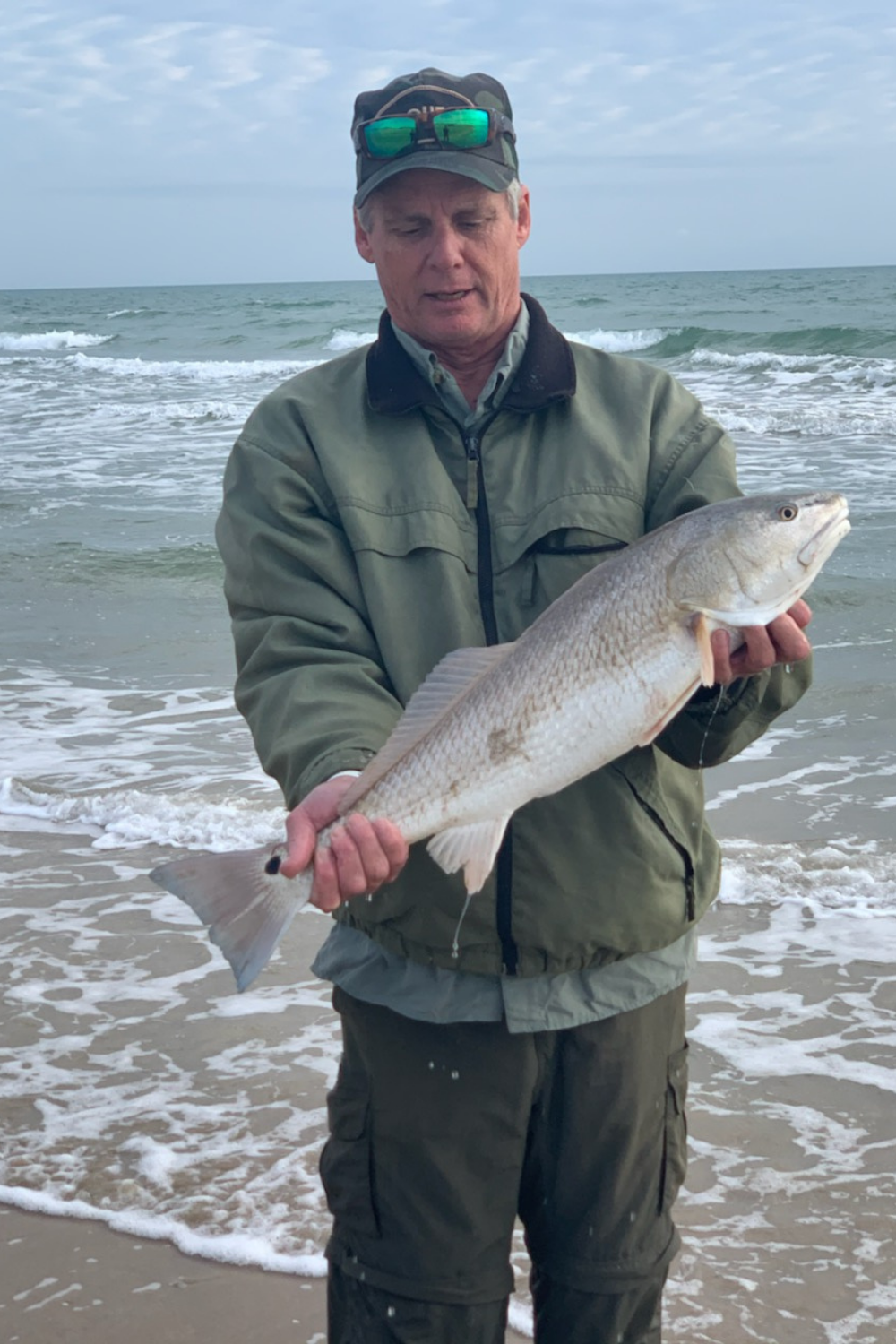
A life long surf fisherman with 50+ years of experience, I am also an avid hunter and outdoorsman. I will be sharing my passion for the outdoors with you so be prepared for hunting, fishing, camping, hiking and more. Along with gear reviews and the latest trends and innovations in the outdoor industry.