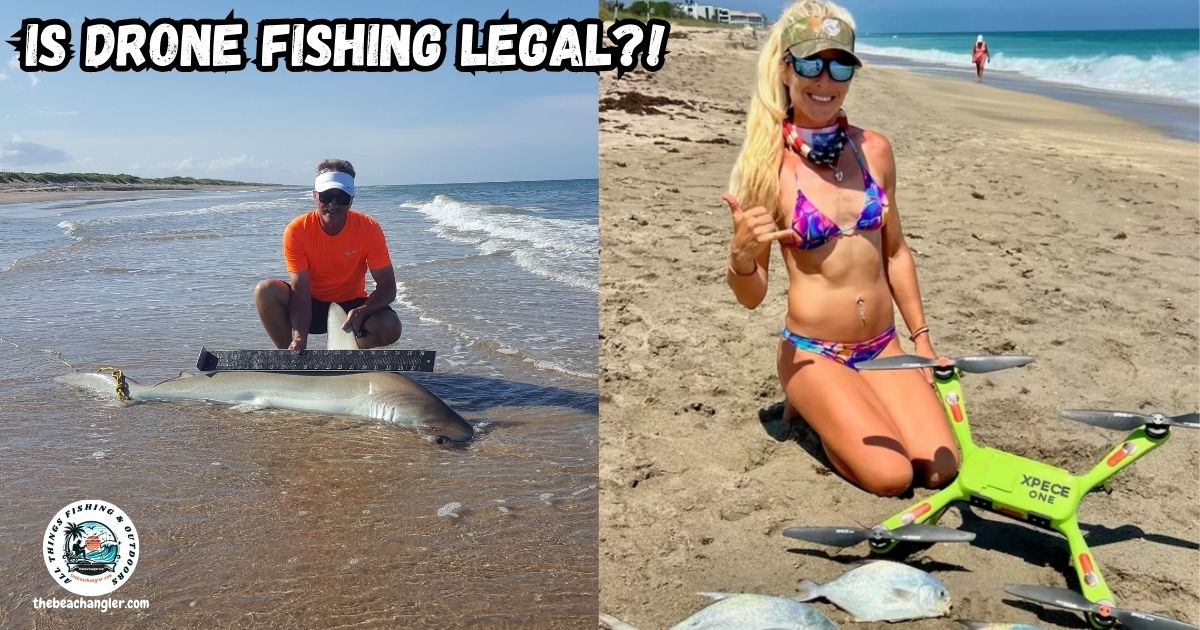
Using drones for fishing has become a popular trend among anglers who want to improve their reach or scout for fish more efficiently. But the legality of drone fishing in the United States is a confusing topic. Laws change often, and rules differ from state to state. I’ve spent time researching not just the general legalities, but also how recent updates might affect you if you’re thinking about using a drone to help you fish.
Understanding Drone Fishing Laws in the U.S.
Drone fishing means using a drone to assist with tasks like scouting for fish, dropping bait, or deploying fishing lines further out into the water than you could cast from the shore. While this sounds high-tech and effective, it’s not always legal. The tricky part is that both federal and state governments have a say in these rules, and both can restrict how drones are used when fishing.
The main federal law affecting drone fishing is the Airborne Hunting Act of 1956, which was created long before drones existed but has since been interpreted to include them. The law prohibits using any aircraft, including drones, to hunt, pursue, or help in taking wildlife, which covers fish.
The Federal Aviation Administration (FAA) also regulates how and where drones can fly, but its rules mostly focus on safety and airspace. It’s really important to know that state fish and wildlife agencies set specific rules about fishing and can add restrictions on drone use. So, checking state regulations is always the right move before you try drone fishing.
Federal Law: The Airborne Hunting Act and Drone Fishing
The Airborne Hunting Act (50 CFR § 19.11) prohibits using aircraft to “take or attempt to take, or aid in the act of taking” wildlife. Under this law, even using a drone to drop bait or a fishing line is considered “aiding in the act of taking.” The U.S. Fish & Wildlife Service has provided guidance that clearly includes drones in this definition.
The act was updated in recent years, specifically to address new technologies like drones as they began showing up in hunting and fishing. The law now puts drones in the same category as helicopters or planes.
Even if you aren’t directly catching fish with the drone, dropping bait or a line into the water using a drone could put you on the wrong side of federal law. Violating these rules can result in fines and even a loss of fishing privileges. This is why I pay close attention to the legal landscape before trying new fishing gadgets.
Recent State Law Updates on Drone Fishing
States have taken different approaches to drone fishing, and the rules continue to change. Here are updates from some places where changes have become really important for anglers:
- Texas: In December 2025, the Texas Parks and Wildlife Department clarified that drone fishing, such as using a drone to drop bait or deploy lines, is not allowed. Texas officials affirmed the federal interpretation, making it clear that the Airborne Hunting Act covers these practices in state waters. You can read more about this directly on the Texas Parks & Wildlife website.
- Hawaii: Hawaii was an early adopter of a strict drone fishing ban, mostly to protect marine life and ensure fair chase. Only certain scientific or research permit holders can use drones for this purpose. Hawaii’s Department of Land and Natural Resources posts current updates on its official site.
- Kentucky: Kentucky prohibits drone-assisted fishing through clear wildlife regulations, especially in state parks and public waters.
- Other States: In Florida and California, there are some allowances for drone fishing, but these are tied to restrictions, such as mandatory line releases or explicit permits. These state agencies often review their rules as federal interpretations switch up.
Because rules change so quickly, contacting your state’s wildlife or natural resources agency is always the safest route before flying a drone for fishing activities. I call or check their websites before traveling anywhere new with my drone.
Defining “Taking” Fish: What Drone Activities Are Banned?
The definition of “take” in wildlife law is broad. It includes hunting, pursuing, capturing, and even attempting any of those activities. When it comes to fishing, the legal system has started to see drones as modern aircraft. This means any use of a drone that helps you place your bait, spot fish, or actually drop a fishing line likely falls under the category of “taking.”
Anglers sometimes think that if the drone does not land or touch the fish, it is legal. That is not the case under how the law is written and currently interpreted at both the federal and state levels. As of late 2025, using a drone to deliver or drop bait is almost always seen as aiding in the act of taking fish. Even just scouting fish with a drone’s camera is sometimes restricted if the drone is flown too low or too close to wildlife areas to avoid disturbing the habitat.
FAA Regulations for Drone Use While Fishing
The FAA regulates drones as aircraft, focusing mainly on flight safety, privacy, and the protection of airspace. You must register any drone weighing more than 0.55 lbs through the FAA’s DroneZone portal. Here are the basic FAA rules I always follow when flying a drone, even for legal purposes unrelated to fishing:
- Stay below 400 feet in uncontrolled airspace
- Always keep your drone within your direct line of sight
- Never fly over people, vehicles, or restricted areas, like airports and stadiums
- No drone use is permitted in National Parks or National Seashores
If you ignore these FAA rules, you can face federal fines, and your drone can be confiscated. Even if state law allows drone fishing, FAA laws must always be respected. The FAA also bans any drone activity that disrupts other aircraft or puts people or property at risk. Since these air safety laws are federal, they are not something you can bypass by traveling to a different state. Always fly responsibly and double-check local airspace restrictions before heading out.
Ethics and Tournament Rules for Drone Fishing
Beyond the law, ethical standards and rules set by organizations like the International Game Fish Association (IGFA) or major fishing tournaments are just as important for many anglers. The IGFA does not accept drone-assisted catches for world records unless the fishing line is dropped before the fish is hooked.
Most tournaments in Texas, Florida, and California now ban drones to protect traditional angling and encourage fair competition. I have seen local tournaments disqualify catches when someone used a drone, so reading tournament guidelines ahead of time makes a big difference.
Additionally, there is an ongoing debate in the angling community about whether drone fishing gives an unfair technical edge. Many traditional anglers argue that using drones goes against the spirit of the sport. Others feel that, as long as drones are used for scouting only and don’t directly participate in dropping lines, it might be acceptable if clearly allowed by local rules.
As the technology continues to spread like wildfire, these ethical debates are likely to remain part of the conversation, so I recommend always chatting with other anglers and local groups for their input.
Things to Consider Before Trying Drone Fishing
Drone fishing can sound appealing, but here are a few practical points to keep in mind before getting started:
- Always Check Local Laws: Laws are changing fast. I check my local and state agency websites before every trip and call if I can’t find clear answers online.
- Follow All FAA Rules: These are national and apply everywhere, whether you are fishing for fun or sport.
- Obey Park and Beach Closures: Many beaches and parks ban drones for safety, wildlife protection, or both. Rules posted at trailheads, marinas, or waterfronts are always worth a quick read.
- Think About Wildlife: Large drones can disturb birds and other animals. Flying too close to nesting sites or herds can lead to fines and damage delicate habitats. Avoid flying over protected wildlife areas, and always respect animal territory.
- Prepare Your Drone Gear: Make sure your drone batteries are charged, and all firmware is up to date. It’s a good idea to bring spare propellers and crash kits, since accidents on windy beaches or over water can ruin your outing. Also, many drones are not waterproof, so take extra care flying close to the water’s surface.
- Stay Informed on Updates: Technology and rules are always changing. Sign up for newsletters or alerts from your state’s wildlife department. That way, you stay ahead of any sudden law tweaks.
I’ve learned that staying safe and on the right side of the law takes more than just knowing federal rules. Responsible drone use also means respecting nature and fellow anglers so everyone can share the water without hassle.
Drone Fishing FAQs
Since so many anglers ask about drone fishing, here are some answers based on federal and state guidance as of 2025:
Is it ever legal to use a drone for fishing in the United States?
It depends on your state’s rules and exactly how you use the drone. Most states ban using drones to drop bait or lines, but some may allow drones for scouting. Always check your state’s agency before you go.
Can I use a drone for fishing in National Parks?
No. National Parks and National Seashores have a full ban on all recreational and commercial drone use, including fishing activities.

Do I need a permit to use a drone for fishing?
In some states, you may need a permit or permission, especially for scientific or research purposes. For recreational fishing, permits are rarely, if ever, granted for drone use.
What’s the penalty for illegal drone fishing?
Penalties vary by state but may include fines, the loss of fishing privileges, or even confiscation of your drone and fishing equipment.
Are drones considered “aircraft” under federal law?
Yes, drones are now classified as aircraft by the FAA and under the Airborne Hunting Act. This means they are subject to the same rules as other aircraft in wildlife situations.
Key Takeaways for Anyone Considering Drone Fishing
Drones have changed how people think about fishing, but the legal risks are real. Planning, researching current laws, and focusing on safe, ethical angling helps keep your fishing trips fun and worry-free. State and federal rules may change, so checking before each trip is part of my routine whenever I consider using any drone near the water. Stay informed, fly safe, and enjoy your time on the water responsibly.
As always, stay safe, enjoy the journey, and please try to leave it cleaner than you found it. If you have any comments, questions, ideas, or suggestions, please leave them in the comment section below, and I’ll get back to you ASAP. You can follow us on Facebook: Rex The Beach Angler, Instagram: thebeachangler7, Twitter: @AnglerBeach, and YouTube: Man Art Creations.
Check Out Our Most Recent Articles:
- Seviin GW Series Spinning Reels
- New Mirrolure Chameleon Series Lures
- Field-testing The Quantum Benchmark Spinning Reel
- Z-man Swag Lt Swimbait
- Kastking Kapstan Se Saltwater Spinning Reel
- The Daiwa Crosscast Surf Reel
P.S. Thanks so much for checking out our blog; we really appreciate it. Just so you know, we may receive a commission if you click on some of the links that appear on our site. This helps us keep our content free and up-to-date for everyone. We appreciate your support! its





A life long surf fisherman with 50+ years of experience, I am also an avid hunter and outdoorsman. I will be sharing my passion for the outdoors with you so be prepared for hunting, fishing, camping, hiking and more. Along with gear reviews and the latest trends and innovations in the outdoor industry.