
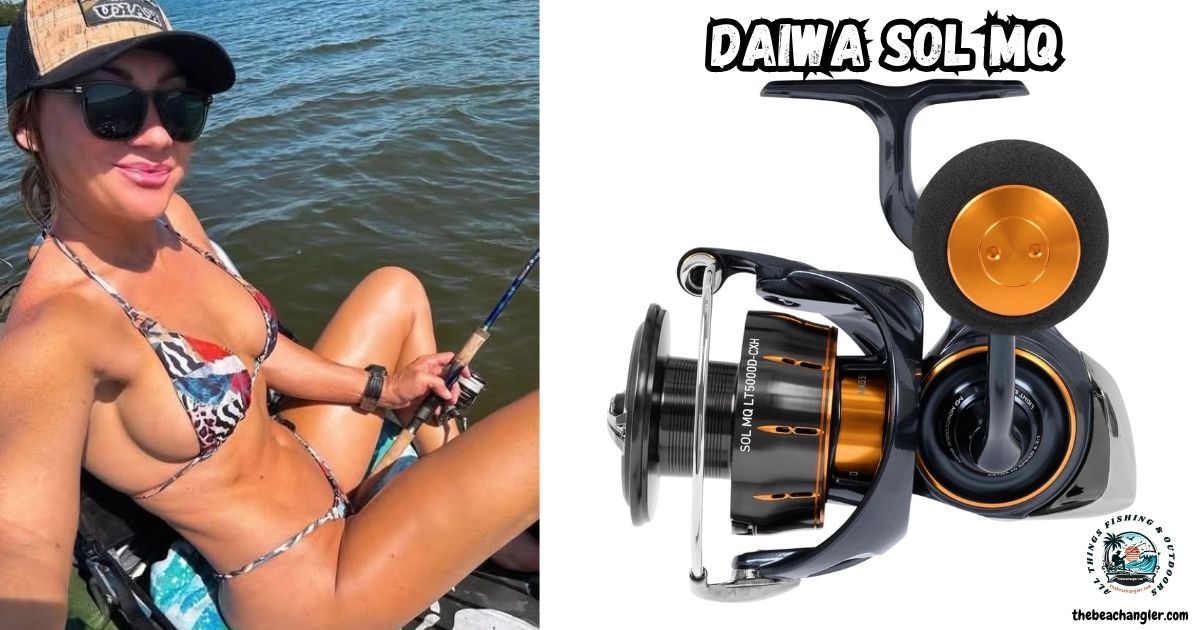
The Daiwa SOL MQ Spinning Reel has caught my interest as a lightweight option designed for serious freshwater and inshore saltwater anglers. After checking out expert reviews and testing a few models myself, I’ve found that Daiwa packed this reel with their latest features and technology.
QUICK LOOK: Guide to the Daiwa SOL MQ
- 1000-2000 size: These are perfect for trout, panfish, or finesse bass in freshwater. If you love using light lures or need a setup that won’t wear you out, this range is hard to beat. They’re also great on ultra-light rods for stealthy presentations.
- 2500-3000 size: A great balance for all-around use. I use these sizes for most of my bass fishing or inshore work where tackle weight matters. This range is praised by kayak anglers and anyone who wants to chase bass, walleye, or redfish without being overgunned.
- 4000-5000 size: Best if you plan on targeting bigger inshore fish like redfish, snook, or even light jigging nearshore. The drag and spool capacity give some extra confidence. Saltwater guides point out that this size holds up well on the flats or near mangroves, offering serious stopping power without being unwieldy.
Here, I’ll take you through what the SOL MQ is all about, from its unique design to practical tips for picking the right size for your style of fishing. I’ll even add some extra insights from longtime Daiwa users to help you really get a feel for how this reel performs in real-world situations.
Daiwa SOL MQ: What Makes It Stand Out
The SOL MQ grabs attention because it uses Daiwa’s latest Monocoque (MQ) body design. A one-piece body not only gives the reel a more solid feel, but it also means better power transfer when I crank on a big fish. At the same time, it feels very light in the hand. It’s impressive for anglers who spend long days on the water and don’t want extra weight tiring them out.
Fishing reels have advanced a lot over the years. When I first started, most spinning reels felt much heavier and would sometimes flex under pressure, especially with bigger inshore fish. Today’s MQ design solves a lot of these problems, offering both lightweight comfort and extra strength where it counts.
Some experienced anglers have noticed just how much difference the Monocoque body makes during long sessions. There’s less flex, which leads to more confident hooksets and smoother retrieves, especially when using braided line. You get extra cranking power without sacrificing comfort, which is a huge plus if you’re after fast-moving inshore species or want to step up your finesse game in freshwater.
Key Features of the Daiwa SOL MQ Spinning Reel
The SOL MQ uses a special composite material called Zaion or Zaion V, which keeps things light but very rigid. The MQ body allows Daiwa to fit bigger gears (called Tough Digigear) inside, which is a major plus for power and durability. Here are the features that really stand out for me:
- Monocoque (MQ) Body: One-piece Zaion/Zaion V composite build means less flex and better power transfer. I noticed that when fighting redfish, the frame never creaked or twisted.
- Tough Digigear: Oversized, precision-cut gears made of A7075 aircraft aluminum keep things smooth and strong. After fighting some hefty speckled trout, the gear meshed perfectly with zero grinding.
- MagSeal Protection: This magnetic oil seal on the main shaft helps keep saltwater and grit out. I’ve had reels seize up from salt exposure before, but the MagSeal has kept my SOL MQ feeling smooth even after days in rough conditions.
- AirDrive System: The AirDrive rotor, bail, and spool let the reel spin with very little resistance. On light setups, it almost feels like nothing is there, making things like twitching soft plastics or working jerkbaits super easy. You can cast more accurately, even with lighter baits, since there’s virtually no friction as the spool turns.
- ATD Drag System: Daiwa’s Automatic Tournament Drag is supported with two ball bearings, which gives me really smooth and even drag pressure. This is important when a strong fish surges at the boat. Even after repeated runs, the drag shows no hesitation or sudden spikes.
- Size Range: With models between 1000 and 5000 class, I can pick something for light freshwater to medium saltwater action. There’s a clear option for different target species and fishing styles.
- Price Point: Retail prices usually run between $399 and $459. It’s definitely not the cheapest, but it sits right in the middle for quality and tech.
Additionally, Daiwa uses a screw-in handle on the SOL MQ, which provides a rock-solid connection and eliminates wobble or play found in cheaper reels. The spool’s design also makes line management a lot easier, reducing tangles and wind knots, a real frustration for anyone who fishes light braided lines.
Pros and Cons: My Experience with the Daiwa SOL MQ
After putting in several hours on both freshwater and inshore saltwater, I picked up on some real strengths and a few trade-offs you should know about. Here’s an honest look based on my hands-on use, extensive angler feedback, and what I’ve seen in reviews from top tackle shops and YouTube testers.
| Pros of the Daiwa SOL MQ |
|---|
| Feels extremely light. Especially the 1000 to 2500 size reels, which are great for long fishing days. |
| The MQ body boosts both comfort and cranking power, which is noticeable when fighting bigger fish. |
| Very solid gear feel thanks to Tough Digigear. Cranking is effortless, even after multiple hard runs. |
| Corrosion resistance is top-notch. After several saltwater trips, the reel is still smooth with no obvious signs of damage. |
| The AirDrive system makes startup very smooth. This is great for light lures and finesse fishing. |
| ATD Drag is reliable and holds true under pressure, even with strong saltwater fish. |
| Flexible enough for bass, trout, redfish, and snook. So I only need to pack one reel if I want to mix up my targets. |
| New spool design bails out line with fewer tangles, making casting breezier and retrieval smoother. |
| Cons of the Daiwa SOL MQ |
|---|
| The price is definitely on the higher side, sitting just below Daiwa’s Exist and Saltiga models but above most entry-level options. |
| If service is needed, MagSeal can require special Daiwa maintenance, which isn’t always available at every tackle shop. |
| Not meant for heavy offshore use. It’s solid for snook and reds, but not a tuna reel. |
| Some anglers prefer a full metal body at this price, but the composite still feels strong. |
| Replacement parts can take longer to source compared to basic reels, so plan if you fish hard and need quick fixes. |
A Practical Guide to Choosing the Right Daiwa SOL MQ Model
Daiwa offers the SOL MQ in a wide range of sizes. Picking the right one depends on where and how you like to fish. Here’s how I decide which reel to bring for different trips, plus some advice gathered from experienced guides:
- 1000-2000 size: These are perfect for trout, panfish, or finesse bass in freshwater. If you love using light lures or need a setup that won’t wear you out, this range is hard to beat. They’re also great on ultra-light rods for stealthy presentations.
- 2500-3000 size: A great balance for all-around use. I use these sizes for most of my bass fishing or inshore work where tackle weight matters. This range is praised by kayak anglers and anyone who wants to chase bass, walleye, or redfish without being overgunned.
- 4000-5000 size: Best if you plan on targeting bigger inshore fish like redfish, snook, or even light jigging nearshore. The drag and spool capacity give some extra confidence. Saltwater guides point out that this size holds up well on the flats or near mangroves, offering serious stopping power without being unwieldy.
I generally match the reel size to the rod and line class I’m planning to use. For kayak fishing, I lean toward smaller models because space is limited and every ounce helps. It’s also a good idea to consider your typical lure weights, expected fish size, and where you’ll be fishing—open water or tight spots with lots of cover.
Common Questions About Daiwa SOL MQ Spinning Reels
Anglers often ask about this reel, especially those considering a step up from entry-level models. Here’s what I get asked most, along with expanded answers from experiences in the field and trusted tackle experts:
Is the Daiwa SOL MQ good for both freshwater and saltwater?
Yes, I use it in both. The MagSeal and composite body give it the corrosion resistance needed for saltwater, while the light weight is perfect for freshwater finesse fishing. Just remember to rinse after saltwater use to make it last.
How does it compare to other reels in the same price range?
Compared to the Shimano Stradic and Vanford, the Daiwa SOL MQ usually feels lighter and has a stiffer frame thanks to the MQ design. The drag is very smooth, and corrosion protection is a plus. Some anglers still prefer a full metal body, which you’ll find on some similar-priced reels, but I’ve never felt limited by the composite. The SOL MQ also stands out for how easily it casts and retrieves light lures, which helps when fishing for pressured or finicky fish.
Can it handle big fish?
For inshore species like reds, snook, and even smaller tarpon, the SOL MQ has all the power I need. For true offshore giants, I’d bring something heavier, but this reel covers most bases up to medium inshore targets. Just match the reel size and line appropriately—you’ll have no worries on most sportfish up to 20-30 pounds.
Is the SOL MQ easy to maintain?
Routine maintenance is simple: just rinse, dry, and oil key points as needed. For deeper service, especially MagSeal checks, it’s best to use a shop experienced with Daiwa reels to ensure no long-term issues.
Maintenance Tips for Best Performance
With any high-performance reel, taking care of it pays off big time. Here’s a maintenance routine that has kept my Daiwa SOL MQ feeling like new, even after tough saltwater trips:
- Rinse the reel gently with a light stream of freshwater after every outing to wash away salt and sand. Never soak or pressure spray, so you don’t push water into the MagSeal.
- After rinsing, dry with a soft cloth and let it air dry before storing.
- Apply a few drops of Daiwa-approved oil to the handle knobs and line roller once or twice a season, or more if you fish hard. This keeps things running smoothly and prevents premature wear.
- Check for smooth operation by turning the handle and checking the drag function. If you feel grinding or stickiness, head to a certified service center familiar with Daiwa MagSeal reels.
If the reel starts feeling rough, I recommend getting it serviced at a shop that can handle Daiwa’s MagSeal. This keeps everything working as designed and avoids problems down the road. With a little care, these reels can last for years and save you from costly repairs.
Also, store your reel indoors when not in use, away from direct sunlight and extreme heat. This extends the life of the composite and internal components.
Why I Reach for the Daiwa SOL MQ Over Other Reels
Several reviews and my own experience show that the SOL MQ stands out for anglers who want comfort, durability, and reliable performance. It feels lighter than most other reels in my tackle bag with similar power.
For light to medium inshore use, I’ve had great results chasing redfish and speckled trout on shallow flats. The AirDrive rotor in particular makes it easier to fish all day without hand fatigue, which is something I’ve struggled with on heavier reels.
While it costs more up front, the long-term durability and lighter weight are worth it if you’re putting in a lot of hours on the water. Even after a season of real use, there’s no wobble or slop in the handle or gears. The composite body has proven just as tough as some metal reels I’ve owned in the past.
Another reason I go for the SOL MQ is the all-in-one versatility. Instead of packing several reels for a trip, I can bring the SOL MQ and confidently target everything from smallmouth up north to speckled trout and redfish in the marsh. Its drag, smoothness, and corrosion resistance make it a real workhorse.
Final Thoughts on the Daiwa SOL MQ
Choosing a spinning reel for inshore or freshwater work means weighing comfort, strength, and ease of use. The Daiwa SOL MQ manages to hit all three in a lightweight package. After months of hands-on use, I see why so many experts and everyday anglers stand behind it.
If you want one reel that covers everything from bass in freshwater to redfish on flats, and you value long-term smoothness and corrosion protection, the SOL MQ is a strong choice. It might cost a bit more up front, but the time saved on repairs and the comfort of a lightweight body make a real difference if you spend a lot of days on the water. For anglers looking to make the most of every cast and get more life out of their gear, this is one spinning reel that lives up to the hype and brings real value to your time on the water.
Check Out Our Most Recent Articles:
- Daiwa SOL MQ Spinning Reels
- Shimano NASCI Spinning Reel Review
- Daiwa Beefstik Surf Rods
- Fishing The Mirrolure Soft-dine Lures
- Spinning Reels Vs Baitcasting Reels For Inshore Fishing
- Penn Clash II Spinning Reel Review
As always, stay safe, enjoy the journey, and please try to leave it cleaner than you found it. If you have any comments, questions, ideas, or suggestions, please leave them in the comment section below, and I’ll get back to you ASAP. You can follow us on Facebook: Rex The Beach Angler, Instagram: thebeachangler7, Twitter: @AnglerBeach, and YouTube: Man Art Creations.
P.S. Thanks so much for checking out our blog; we really appreciate it. Just so you know, we may receive a commission if you click on some of the links that appear on our site. This helps us keep our content free and up-to-date for everyone. We appreciate your support!





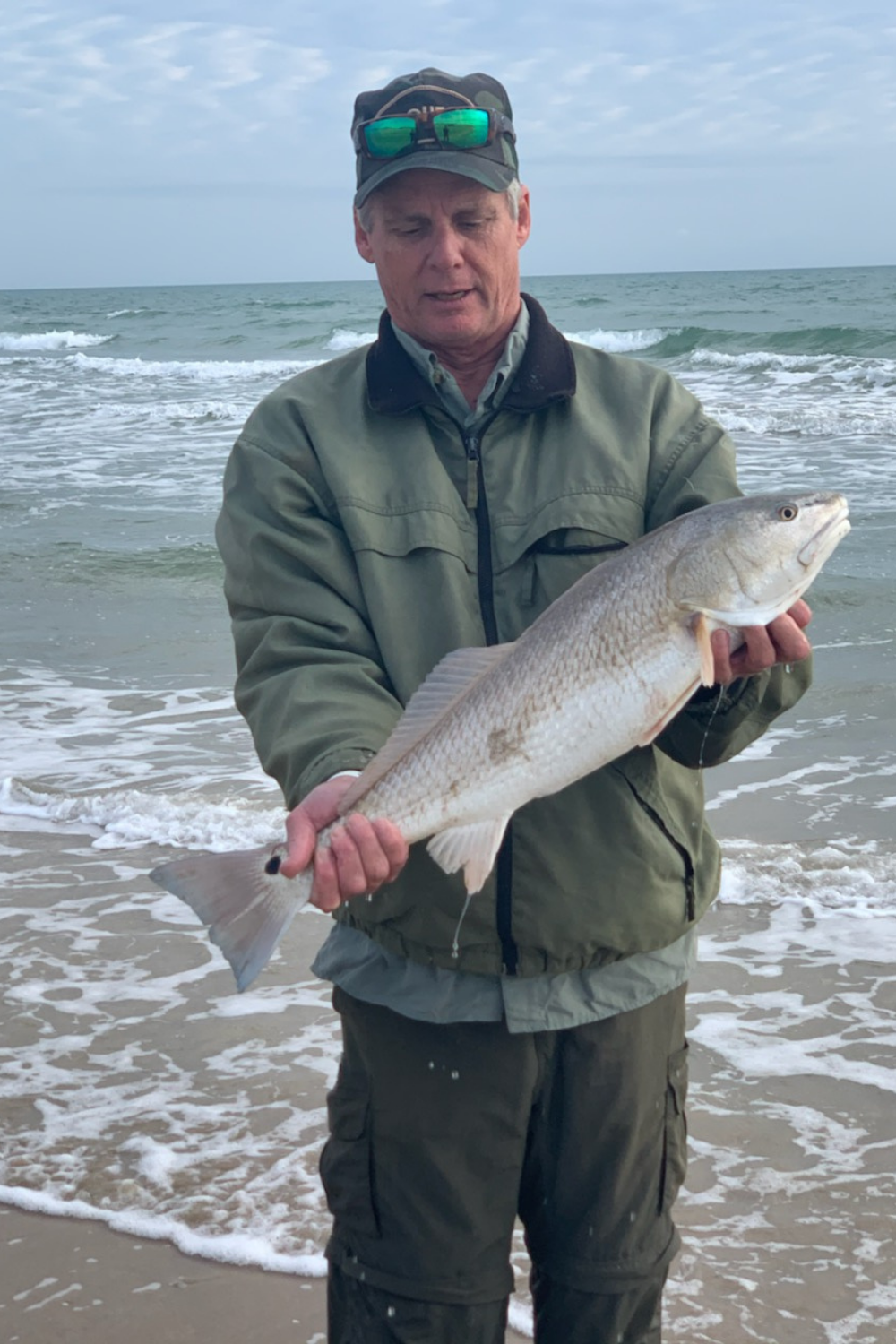
A life long surf fisherman with 50+ years of experience, I am also an avid hunter and outdoorsman. I will be sharing my passion for the outdoors with you so be prepared for hunting, fishing, camping, hiking and more. Along with gear reviews and the latest trends and innovations in the outdoor industry.