
The Phenix M1 Inshore Rods have grown into a popular choice among saltwater anglers, especially for those who want performance without emptying their wallets. I’ve spent time on the water with these rods and checked out feedback from plenty of other fishermen, so I want to share an all-in-one look for anyone thinking about picking one up.
QUICK LOOK: Key Features and Strengths of the Phenix M1 Inshore Rods
- Sensitivity you can feel: The carbon fiber and Nanotube construction helps transmit light pickups straight to your hand. When drifting live bait or working a jig, I’m able to pick up subtle strikes before most other rods would let me know anything’s happening.
- Balanced and lightweight: Spending hours on the water is a lot easier with a rod that won’t tire out your arm. The M1 is genuinely easy to cast all day long, keeping weight down without making the tip feel weak or wobbly.
- Durable guides: The M1 rods use Fuji O-ring guides, which are known for holding up against abrasion and saltwater. I haven’t seen any rust or cracks after a busy season using them, even when targeting hard-fighting fish. That means I have fewer worries about unexpected breaks during a tough run.
- Handles built for comfort: The series offers high-density EVA grips shaped to fit your hand, whether you want a full grip or a split one. I find they don’t slip around, wet or dry, and they resist picking up odors after a salty trip.
- Long casting ability: The blank’s quick recovery and minimal flex help me reach distant boils or structure without needing heavy weights. It lets you cover more water, a bonus on days when the fish are spread out.
- Solid backbone for big fish: Even on heavier lines, the rod doesn’t feel overmatched by hard-charging saltwater species. I’ve put pressure on bigger fish, and the Phenix M1 still handles it comfortably.
- Crisp hook sets: The tip is sensitive, but quickly transitions to backbone. I can quietly swing on a shy bite and get solid hook penetration, even with weedless rigs.
- Easy all-day casting: The light build keeps hand and wrist fatigue at bay. That’s super important during long tide windows or if you’re after fish all day.
Why Anglers Are Talking About the Phenix M1 Inshore Series
The M1 Inshore series from Phenix gets attention because it blends advanced materials with reasonable price points. It uses features like carbon fiber blanks and something Phenix calls Nanotube technology, which aims to give the rods plenty of strength yet keep the weight in check.
That lightweight, paired with a solid backbone, has drawn in both beginners and more experienced anglers alike. People are excited about rods that can handle popular coastal targets like calico bass, spotted bay bass, snook, and redfish.
The M1 lineup is built for this mix, offering options that work for everything from finesse plastics to heavier swimbaits. I also notice a lot of crossover appeal, with bass anglers using these in freshwater for largemouth and smallmouth bass.
Overview of Features and Technology
Phenix claims its proprietary blank design makes these rods unique. By mixing unidirectional carbon fiber with Nanotube resin, they say the result is a blank that resists bending where you don’t want it to, yet still lets you spot even light bites. In practice, I find them impressively sensitive compared to other rods in the same tier, and that seems to be a big draw.
- Sensitivity you can feel: The carbon fiber and Nanotube construction helps transmit light pickups straight to your hand. When drifting live bait or working a jig, I’m able to pick up subtle strikes before most other rods would let me know anything’s happening.
- Balanced and lightweight: Spending hours on the water is a lot easier with a rod that won’t tire out your arm. The M1 is genuinely easy to cast all day long, keeping weight down without making the tip feel weak or wobbly.
- Durable guides: The M1 rods use Fuji O-ring guides, which are known for holding up against abrasion and saltwater. I haven’t seen any rust or cracks after a busy season using them, even when targeting hard-fighting fish. That means I have fewer worries about unexpected breaks during a tough run.
- Handles built for comfort: The series offers high-density EVA grips shaped to fit your hand, whether you want a full grip or a split one. I find they don’t slip around, wet or dry, and they resist picking up odors after a salty trip.
On-the-Water Performance and Action
Real-world use often says more than any spec sheet. With the M1 Inshore rods, I notice that casting feels smooth and effortless. Even when throwing lighter lures (sometimes below the recommended weight), I still get great distance. The blank recovers quickly, so there’s no need to fight wobble after each cast.
I especially like how the rod’s action feels when fighting larger fish. For example, schools of calico or a surprising snook can really test your gear. The parabolic bend means the rod loads up evenly, absorbing hard runs and head shakes. This gives better control, but it also helps keep hooks from pulling out mid-fight. It matters when you’re on a hot bite and don’t want to lose fish at the rail.
Versatility for Different Techniques
The Phenix M1 Inshore series comes in a range of lengths and powers. I regularly see people using lighter models for small plastics and jerkbaits around docks and jetties, while the heavier actions handle swimbaits, bucktails, or even topwater plugs for bigger targets. This flexibility is handy for anglers dealing with changing conditions, like moving between open water and structure in one trip.
Strengths That Stand Out on the Water
- Long casting ability: The blank’s quick recovery and minimal flex help me reach distant boils or structure without needing heavy weights. It lets you cover more water, a bonus on days when the fish are spread out.
- Solid backbone for big fish: Even on heavier lines, the rod doesn’t feel overmatched by hard-charging saltwater species. I’ve put pressure on bigger fish, and the Phenix M1 still handles it comfortably.
- Crisp hook sets: The tip is sensitive, but quickly transitions to backbone. I can quietly swing on a shy bite and get solid hook penetration, even with weedless rigs.
- Easy all-day casting: The light build keeps hand and wrist fatigue at bay. That’s super important during long tide windows or if you’re after fish all day.
Things to Weigh Before Buying
While the Phenix M1 Inshore gets high marks, there are a few things to watch for. Based on my experience and reports from other users, the rods aren’t completely immune to breakage. I’ve come across stories of rods snapping under what seemed like normal load.
Sometimes high sticking (lifting the rod too far or steeply) is to blame, but other times it happens during casting or when pulling a lure loose from a snag. This isn’t unique to Phenix; just about any carbon or graphite high-modulus rod can break if overstressed.
What adds a wrinkle are mixed reports about Phenix’s warranty service. While they do have a manufacturer’s warranty, some owners described slow responses or unclear timelines. One person mentioned waiting three months for a replacement with no clear update.
Making Your Rod Last
Keeping an M1 in good shape mostly comes down to a few habits. Always stay away from high sticking, don’t overstress the blank pulling stubborn snags, and give the guides a rinse and look over after each saltwater session. That way, the rod is likely to last for years. If something goes wrong, I have found that photos and a clear write-up really help when reaching out for warranty support.
Comparing the M1 Inshore With Similar Rods
In the $150 to $200 range, the M1 Inshore goes head-to-head with rods like the Shimano Teramar, Daiwa Proteus, and St. Croix Mojo Inshore. I’ve handled all of these at tackle shops and on the water. In my opinion, the M1’s sensitivity and balance set it apart, especially for light line fishing.
Shimano rods sometimes feel heavier but tougher, while the Mojo offers great warranty support but at a higher cost. Most anglers I know pick up the M1 for its direct feel and casting comfort. If you want a rod that connects you to the bite and lets you feel every lure move, the M1 delivers. It also holds up well under saltwater use, thanks to its corrosion-resistant guides and build.
Still, those needing extra ruggedness or looking for a bulletproof warranty might want to consider the Shimano or St. Croix options as well. Try handling a few, if possible, at your local tackle store to see which feels right in your hand.
Quick Guide: Best Uses for Phenix M1 Inshore Rods
- Light tackle for spotted bay bass: The lighter models shine with braid and small plastics. It’s a breeze to pick up quick bites in kelp lines or eel grass flats.
- Medium action for swimbaits and jerkbaits: Makes a great pick for open bay and rocky points, giving enough tip for lure action but backup for bigger fish.
- Heavier models for structure fishing: Perfect for pitching heavier jigs around docks, pilings, or rock piles. Still delivers the casting distance and muscle needed for tough fights.
Frequently Asked Questions
What’s the best line for the Phenix M1 rods?
I get the best results using these rods with braid, usually 15-30lb, depending on the rod’s power and target species. Adding a fluorocarbon leader helps keep things stealthy in clear water.
Can I use M1 Inshore rods for freshwater bass?
Definitely. Many anglers like these rods for largemouth and smallmouth. They’re sensitive and throw light lures well, fitting a lot of bass presentations.
What should I do if my rod breaks?
First, grab photos of the damage and your proof of purchase. Then check in with Phenix support and give as many details as possible. Responses can vary, so clear documentation helps.
Final Take: Who Should Get an M1 Inshore Rod?
The Phenix M1 Inshore is a solid pick if you want a rod that feels crisp and lively in hand without a big hit to your budget. Its sensitivity and casting ability help anglers feel more bites and reach new spots. Still, keep in mind it’s not indestructible; look over the warranty details first, just in case.
I use mine for saltwater bays and nearshore fishing, and most friends who try them stick with the series for trips after everything from surfperch to inshore stripers. If you’re looking for something lightweight, flexible, and good for a range of species, the M1 Inshore is tough to beat in this price range.
Whether you’re a weekend warrior or on the water a few times a week, the Phenix M1 Inshore Rod is a dependable tool that helps you make the most of every cast.
Check Out Our Most Recent Articles:
- New Mirrolure Chameleon Series Lures
- Field-testing The Quantum Benchmark Spinning Reel
- Z-man Swag Lt Swimbait
- Kastking Kapstan Se Saltwater Spinning Reel
- The Daiwa Crosscast Surf Reel
- Kastking Megajaws Elite Saltwater Baitcasting Reel
As always, stay safe, enjoy the journey, and please try to leave it cleaner than you found it. If you have any comments, questions, ideas, or suggestions, please leave them in the comment section below, and I’ll get back to you ASAP. You can follow us on Facebook: Rex The Beach Angler, Instagram: thebeachangler7, Twitter: @AnglerBeach, and YouTube: Man Art Creations.
P.S. Thanks so much for checking out our blog; we really appreciate it. Just so you know, we may receive a commission if you click on some of the links that appear on our site. This helps us keep our content free and up-to-date for everyone. We appreciate your support!





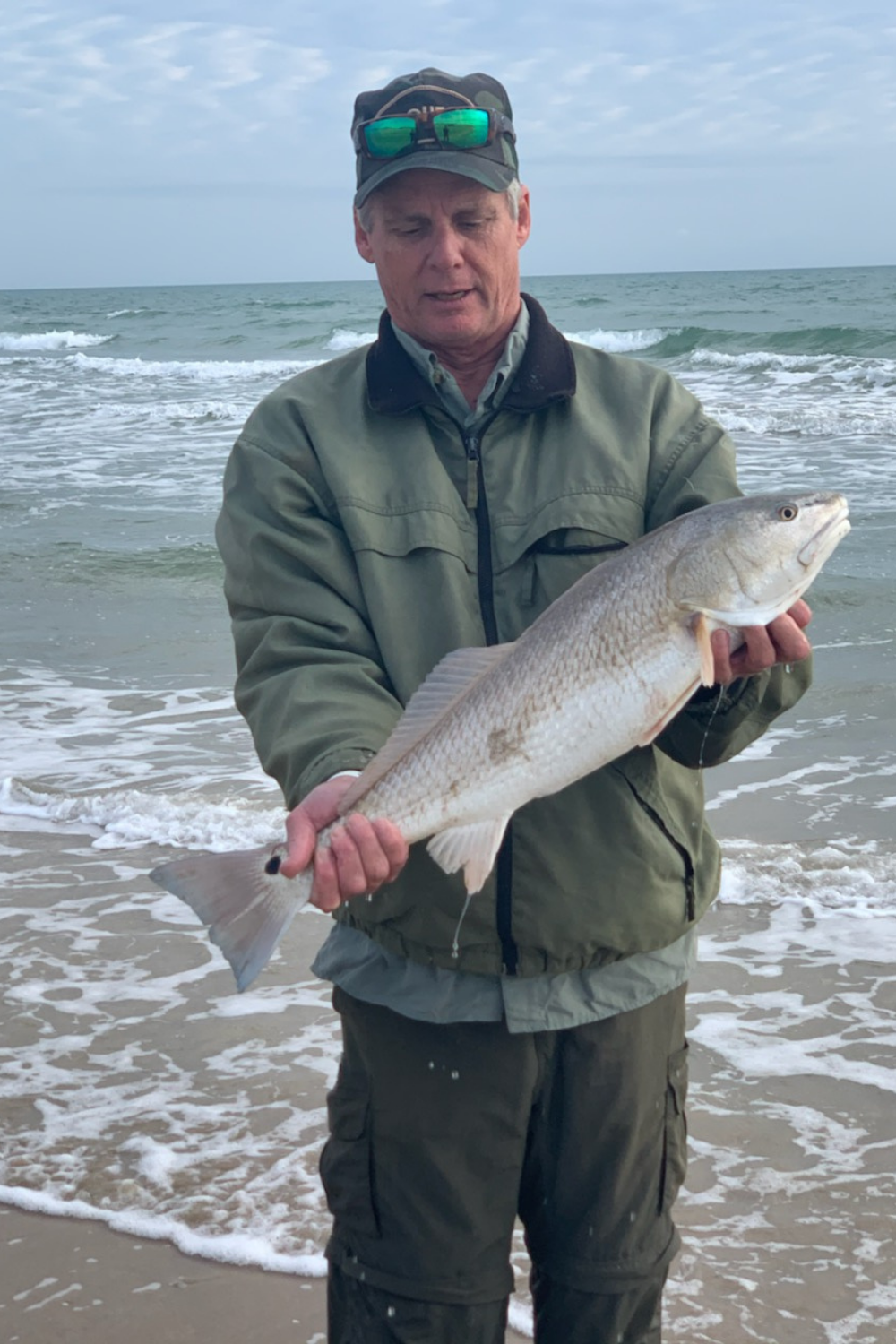
A life long surf fisherman with 50+ years of experience, I am also an avid hunter and outdoorsman. I will be sharing my passion for the outdoors with you so be prepared for hunting, fishing, camping, hiking and more. Along with gear reviews and the latest trends and innovations in the outdoor industry.