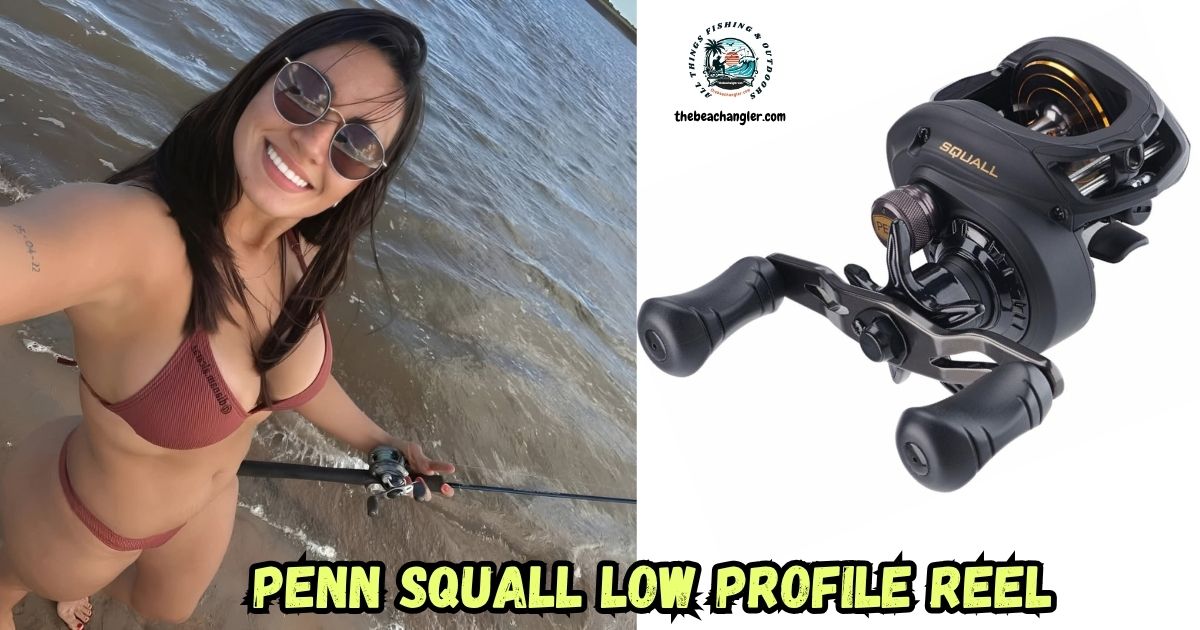
Penn Squall Low Profile baitcasting reels have become a familiar sight among anglers who want reliability and performance for inshore and freshwater fishing. With a full metal body, HT-100 drag system, and a tough stainless steel bearing setup, the reel is designed to take on tough conditions and offer smooth casting experiences. I want to walk you through the key details and help you figure out if the Penn Squall Low Profile is the right fit for your next fishing trip.
QUICK LOOK: Key Advantages of the Penn Squall Low Profile Baitcasting Reels
- Durability for Saltwater: The full metal and brass construction, plus the sealed bearings, means the reel holds up much better when exposed to saltwater. I spend a lot of time fishing salt marshes, so I always notice when a reel corrodes or loses its smooth feel. The Squall stays in good shape with just a rinse after use.
- Lightweight and Easy in the Hand: The 300 size is my favorite for all-around use. Even after hours of casting and retrieving, it doesn’t make my wrist sore, and the low-profile design fits nicely into my grip.
- Smooth, Consistent Retrieve: The bearing system, brass gears, and aligned framework together to keep reeling easy. Whether retrieving steadily or pumping to move a lure, it feels reliable and smooth every time. I rarely sense any grinding or catching, even after dozens of trips.
- Good Value for the Price: When I look at competing reels that offer similar drag and build quality, the Squall is a little easier on the wallet while delivering comparable (or better) features. It stands out for anglers who want performance without paying a premium for the logo alone.
- Line Capacity Rings: The line markers save time when spooling up new line or letting out drag during a run. I check quickly to avoid running short mid-fight, which has happened with other reels that don’t have this feature.
Key Features of Penn Squall Low Profile Baitcasting Reels
Penn designed the Squall Low Profile baitcasting reel to combine strength, durability, and usability. I’ve noticed that the most popular features do make a difference for long sessions or tough catches. Here’s a breakdown:
- Full Metal Body: The all-metal frame and side plates keep the gears firmly aligned. This matters when fighting bigger fish because a solid setup stops flexing and grinding.
- 5+1 Stainless Steel Bearings: There are five ball bearings and one instant antireverse bearing. This helps with smooth reeling and reduces the chance of any jerky motion as you retrieve your line.
- Machined Brass Gears: The internals are made with brass rather than cheaper materials. Brass gears handle saltwater corrosion better and tend to last longer before showing wear.
- HT-100 Carbon Fiber Drag System: The drag washers use carbon fiber, letting you run higher drag settings without losing smoothness. I like this because it means fewer sudden line breaks and more even pressure.
- Magnetic Casting Brake: You get precise control over your cast, and you can minimize backlashes. The system is easy to adjust on the fly, which I find super handy if the wind changes or you swap lure weights.
- Line Capacity Rings: Penn added small indicator rings on the spool, so you can glance and see if you’ve got a full spool, a third left, or are nearly out. I use this mostly for vertical jigging or when a fish makes a long run.
- Multiple Sizes and Gear Ratios: There are three main sizes: 200, 300, and 400. Each size is available in a standard or high-speed gear ratio. If, like me, you’re left-handed, it’s good to know that only the standard speed comes in a left-hand retrieve.
Understanding the Squall’s Design and Construction
I pay close attention to how a reel is built because it affects how long it lasts and how it feels on the water. The Squall’s body is made entirely from metal, with aluminum for rigidity. This frame stops the reel from flexing when you hook into stronger fish or let out the drag.
With the side plates also metal, gear alignment is maintained much better, helping the reel stay smooth after lots of use. Each of these small touches adds up to a reel that feels strong and reliable every time I pick it up. The brass gears are a real plus for me. Brass wears down slowly and resists salt, so you don’t get that crunchy feeling after a couple of seasons.
Penn’s HT-100 drag uses stacked carbon fiber washers, and if you’ve fished with one, you know it doesn’t start sticking or jerking at higher drag settings. The consistent drag helps when fighting redfish, striped bass, or other powerful inshore targets.
Sizing and Gear Ratio Details
The Squall Low Profile series comes in three core sizes. Size 200 is lighter and works great for smaller lures and fish. The 300 size is the most versatile; big enough for strong fish, but not too bulky for all-day use. Size 400 is for those who chase larger species and need extra line capacity or want to use heavier baits.
Each size has two gear ratio options. The standard gear ratio is better for techniques where you want steady power, like slow rolling swimbaits or grinding crankbaits. The high-speed version retrieves more line per crank, perfect for techniques that need quick pickup, like burning spinnerbaits back to the boat.
The gear ratio numbers may look similar, but the difference is clear once you start fishing. Whether you prefer slow and steady retrieves or rapid lure action, you’ll find a size that matches your style. Those who retrieve with their left hand—something I sometimes do—should know that only the standard ratio is made in a lefthand version. That’s something to consider if you prefer a faster retrieve.
Drag System and Casting Control Explained
I often get questions about how well the drag performs, and for me, Penn’s HT-100 system is dependable. The carbon fiber material holds up under pressure and heat. Even after long battles, I haven’t noticed fading or sticking. The drag range is wide enough for anything from finesse fishing to battling strong fish in current, so whether you’re after bass or brutes like drum, you’re covered.
On the casting side, the magnetic brake system stands out. Dialing in the brake level is simple, and I rarely struggle with bird’s nests, even when making long casts into the wind. Adjusting the brake is quick, so I can switch from a heavy jig to a lighter lure without getting frustrated by backlashes. If you often change baits or fish in different conditions, this feature will save you time and annoyance.
Biggest Pros and Real-World Advantages
| Penn Squall Low Profile Advantages |
|---|
| Durability for Saltwater: The full metal and brass construction, plus the sealed bearings, means the reel holds up much better when exposed to saltwater. I spend a lot of time fishing salt marshes, so I always notice when a reel corrodes or loses its smooth feel. The Squall stays in good shape with just a rinse after use. |
| Lightweight and Easy in the Hand: The 300 size is my favorite for all-around use. Even after hours of casting and retrieving, it doesn’t make my wrist sore, and the low-profile design fits nicely into my grip. |
| Smooth, Consistent Retrieve: The bearing system, brass gears, and aligned framework together to keep reeling easy. Whether retrieving steadily or pumping to move a lure, it feels reliable and smooth every time. I rarely sense any grinding or catching, even after dozens of trips. |
| Good Value for the Price: When I look at competing reels that offer similar drag and build quality, the Squall is a little easier on the wallet while delivering comparable (or better) features. It stands out for anglers who want performance without paying a premium for the logo alone. |
| Line Capacity Rings: The line markers save time when spooling up new line or letting out drag during a run. I check quickly to avoid running short mid-fight, which has happened with other reels that don’t have this feature. |
Potential Downsides and What to Watch For
| Potential Drawbacks of the Penn Squall Low Profile |
|---|
| Side Plate Latch Issues: I’ve experienced and read about the side plate coming unlatched during especially hard casts. If you bump the latch or don’t snap it closed firmly, it can open. Checking it before each session helps reduce surprises. |
| Flex Under Heavy Loads: With big fish or heavy lures, there can be noticeable flex, especially on the largest (400) size. For most everyday inshore fishing, this isn’t an issue, but for deep sea or super heavy setups, you might want to look for an even more robust reel. |
| Not Made for Deep Sea Battles: The Squall Low Profile is great for lakes, rivers, and inshore saltwater. However, for true deep-sea fishing or tuna, a traditional round baitcaster or large conventional reel offers more power and strength. |
Everyday Scenarios and Tips for Getting the Most Out of the Squall
I’ve spent a lot of time using the Squall Low Profile for everything from striper fishing in the bay to bass and pike in freshwater. Using the magnetic cast control to dial in the brake for each type of lure has given me fewer tangles and longer casts.
When chasing reds or drum, the smooth drag means I can apply steady pressure without breaking my line. After a long session, a quick rinse is usually enough, though you’ll want to oil the bearings every few trips to keep them feeling like new.
The line capacity rings come in handy when trolling or jigging vertically because I can easily keep track of how much line is out. If I’m casting from a kayak or skiff, the low-profile design doesn’t catch or feel bulky, so I move freely and avoid snags on my paddle or net. I also noticed that the ergonomic handle shape lets me fish longer hours without any palm fatigue, which is a bonus on those marathon days.
Common Questions About the Penn Squall Low Profile
Is the Penn Squall Low Profile only for saltwater?
It works well in both saltwater and freshwater. I use mine for bass just as often as I do for redfish, and the corrosion resistance is handy even in brackish or muddy rivers.
How should I maintain the reel after fishing?
Rinse with fresh water after each trip, especially in saltwater. Dry it well and add a drop of oil to the bearings and a bit of grease to the gears every few uses for the best performance. Occasionally, check for sand or grime in the crevices, and store your reel somewhere dry to prevent unnecessary corrosion.
Which size should I pick?
The 300 size fits most inshore and freshwater needs. The 200 is good for lighter lures, while the 400 can handle bigger species or more challenging conditions.
Does the reel come in left-hand retrieve?
Yes, but only in the standard gear ratio. If you want the high-speed option in left-hand, you’ll need to look at other models or go right-handed.
Getting the Most From Your Penn Squall Investment
Choosing the right baitcasting reel can make a big difference to your fishing trip. The Penn Squall Low Profile is a solid pick for anglers who want strength, value, and flexibility. Careful setup and occasional maintenance will help the reel stay smooth and ready for years of fishing, whether you’re out on a saltwater flat or a calm lake.
For more details on specs, real-world tests, and compatibility with different rods, check out the details available at Tackle Warehouse and TackleDirect. I always make sure to check the latest user reviews and updates before buying new gear, since those firsthand experiences often tell the full story. If you want a reel that will last, stay smooth, and handle a wide range of fishing challenges, the Squall Low Profile is hard to beat.
Check Out Our Most Recent Articles:
- Shimano Tiagra Reel Review
- The Daiwa Exist Spinning Reel
- Shimano Spheros SW Spinning Reel
- Daiwa Emcast Surf Rod Review
- The Shimano Socorro SW Spinning Reel
- Daiwa Sealine Surf Rod Review
As always, stay safe, enjoy the journey, and please try to leave it cleaner than you found it. If you have any comments, questions, ideas, or suggestions, please leave them in the comment section below, and I’ll get back to you ASAP. You can follow us on Facebook: Rex The Beach Angler, Instagram: thebeachangler7, Twitter: @AnglerBeach, and YouTube: Man Art Creations.
P.S. Thanks so much for checking out our blog; we really appreciate it. Just so you know, we may receive a commission if you click on some of the links that appear on our site. This helps us keep our content free and up-to-date for everyone. We appreciate your support!





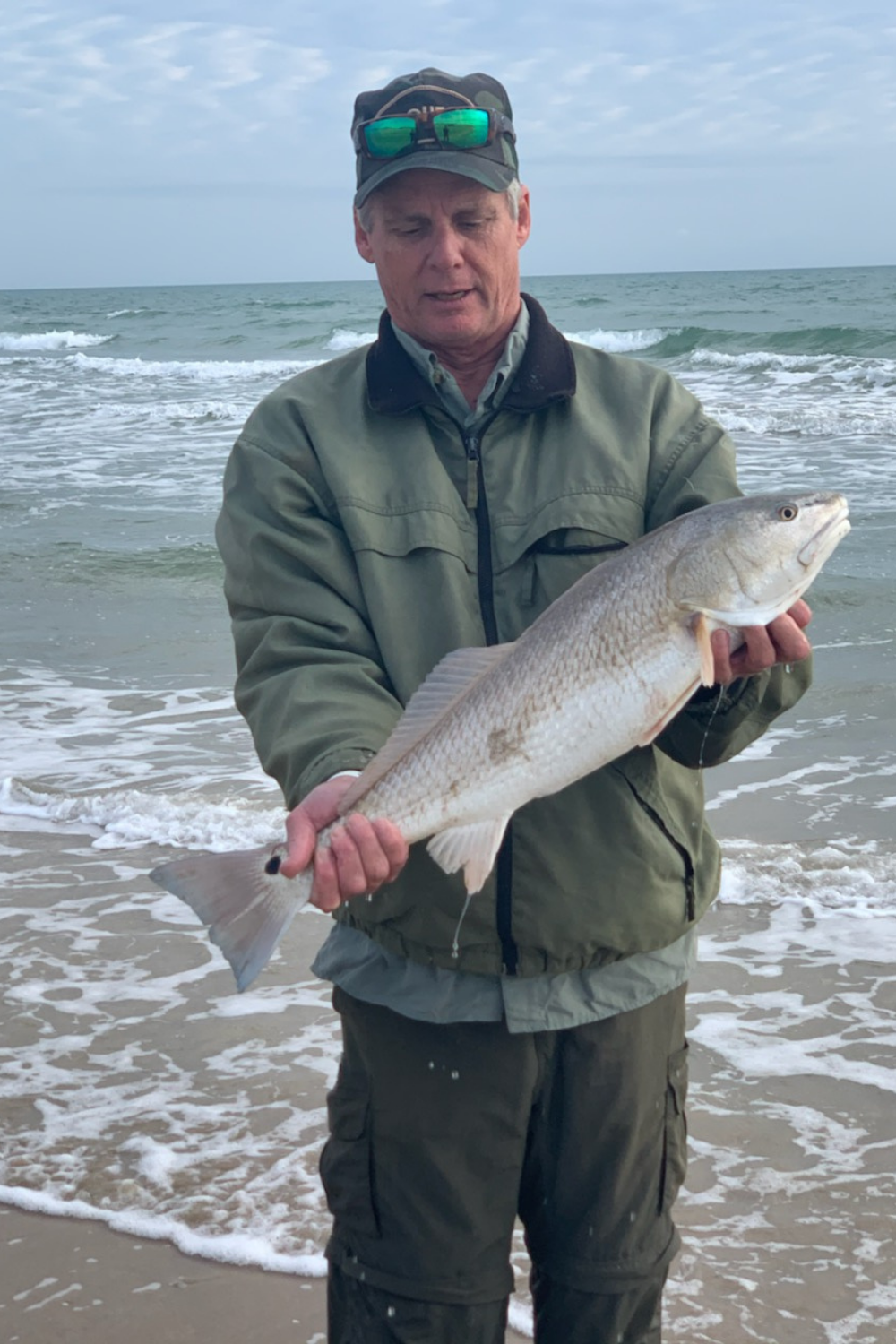
A life long surf fisherman with 50+ years of experience, I am also an avid hunter and outdoorsman. I will be sharing my passion for the outdoors with you so be prepared for hunting, fishing, camping, hiking and more. Along with gear reviews and the latest trends and innovations in the outdoor industry.