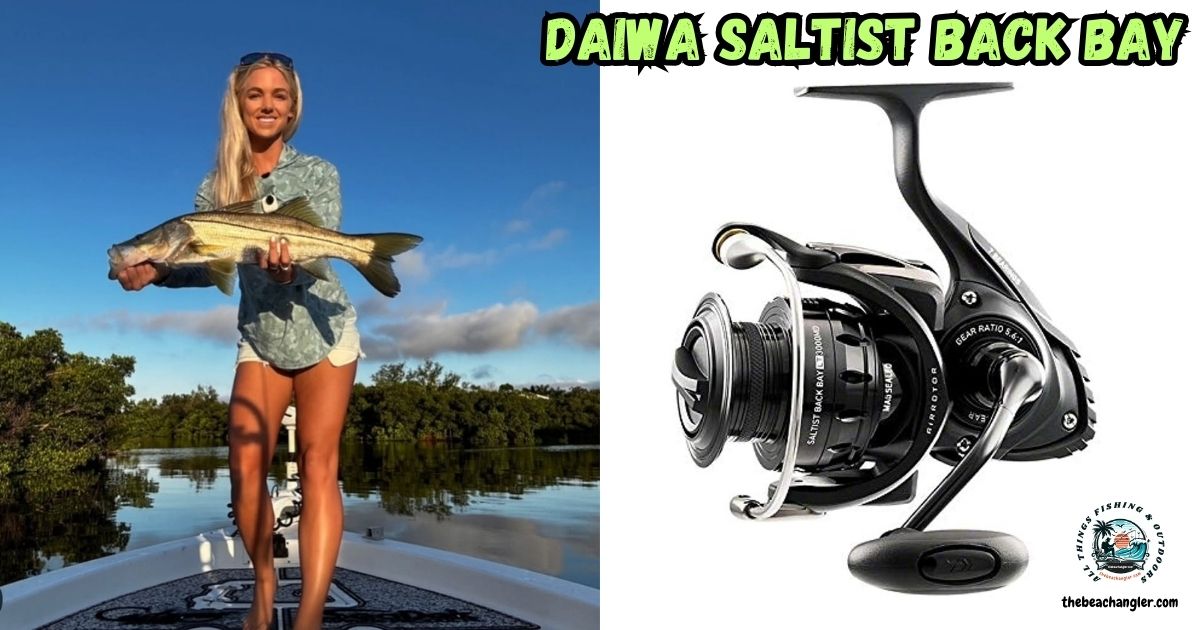
The Daiwa Saltist Back Bay Spinning Reel has earned a reputation for reliability and performance among inshore saltwater anglers. My experience with this reel has shown that it combines a lightweight build with solid strength, making it ideal for bay, flats, and shallow saltwater environments. If you love targeting speckled trout, redfish, or flounder, this is one of those reels that delivers the control and durability you need for long days on the water.
Full Overview of the Daiwa Saltist Back Bay Spinning Reel
The Saltist Back Bay LT takes well-known Daiwa technologies and applies them to suit the needs of inshore saltwater fishing. The backbone of its design is the Hardbodyz aluminum frame, which keeps the reel lightweight but strong enough to handle anything from light soft plastics to topwater plugs for slot redfish. I regularly fish the Texas coastal marshes and can tell you how much I appreciate a reel that doesn’t fatigue my arm during all-day wading or sight casting sessions.
This reel stands out mainly because of its Magsealed main shaft. Daiwa uses a magnetic oil barrier to help keep salt and grit out, which is really important when fishing abrasive oyster beds or sandy flats. Even after seasons of use, I’ve found the reel’s internals stay cleaner and smoother than most others I’ve tried in this price range.
The machined aluminum DigiGear makes for an extra smooth retrieve, so whether I’m slow rolling a swimbait or burning a spoon, there’s never any grinding or awkwardness. Combine that with 7+1 corrosion-resistant ball bearings, and the spool spins freely even after extended trips on brackish or salty water.
Key Features of the Daiwa Saltist Back Bay Spinning Reel
QUICK LOOK: Features that Make the Daiwa Saltist Back Bay Stand Out.
- Hardbodyz Aluminum Frame: The body design gives the reel a rigid backbone for fighting fish, without feeling heavy.
- Magsealed Main Shaft: Daiwa’s magnetic oil seal helps extend reel life by blocking intrusion from saltwater and sand.
- Machined Aluminum DigiGear: Provides consistent, quiet engagement and makes every crank feel smooth.
- Lightweight Construction: The 3000 size weighs just 9.9 ounces with a max drag of 15.4 pounds.
- Two Core Sizes: Offered in 3000 and 4000 models, both ideal for inshore applications.
- Fine Tuned for 8–10 lb Mono or Braid: The spool is sized just right for popular line strengths in the back bays.
- Purpose Built for Saltwater: From the anodized finish to each internal part, the reel is ready for the rigors of inshore angling.
I’ve personally landed upper slot redfish and solid speckled trout on the 3000 size, and the drag stayed smooth from the first run to the net.
Pros and Cons of the Daiwa Saltist Back Bay
| Daiwa Saltist Back Bay Pros |
|---|
| Smooth, quiet gear feel. DigiGear and ball bearings provide effortless retrieves. |
| Magsealed shaft offers real-world protection from salt and grit. |
| Lightweight design helps during long casting and wading sessions. |
| Balanced for inshore species, avoiding bulky offshore features. |
| Higher drag than similarly sized reels, giving me extra control over hard-running fish. |
| Daiwa Saltist Back Bay Cons |
|---|
| Magsealed parts can make in-depth maintenance or service more expensive. |
| Limited to 3000 and 4000 sizes. Not meant for heavy offshore game. |
| Often priced at the higher end for inshore-specific reels. |
| Some anglers may prefer a broader model selection for varied uses. |
Common Questions About the Daiwa Saltist Back Bay Spinning Reel
Is the Magsealed system really worth it?
From my experience, Magsealed makes a noticeable difference in long-term smoothness and overall reliability in saltwater. It’s especially good for wade anglers or anyone fishing in brackish, gritty conditions. Less time worrying about internal damage means more time actually fishing.
Can I use this reel for freshwater fishing?
Yes, it can be used in freshwater. The lightweight and smooth drag work just as well for species like bass or catfish, though it might be more reel than needed for average freshwater use. Still, its features can be nice to have for those who are after picky freshwater species.
What’s the main maintenance required?
Other than a gentle rinse after use and an annual check for lubrication, there isn’t much extra work. If you fish daily, a yearly professional check is a smart idea for long-term performance. Keeping an eye on the handle and bail smoothness can help you spot issues early.
Why is it recommended mainly for inshore fishing?
The size range and spool capacity are set up specifically for the typical line and bait weights used in inshore fishing, like braided lines from 8 to 20 pounds and lures from soft plastics to light plugs. It isn’t built for handling big offshore fish. Its lighter weight, smooth drag, and corrosion resistance shine best in back bays and flats environments.
How I Use the Saltist Back Bay Reel: Recommended Applications
This reel matches the needs of inshore anglers across the Gulf and Atlantic coasts. I spend a lot of time on the flats in Rockport and Aransas Bay, Texas, and the Saltist Back Bay has handled everything from early morning trout on topwaters to hard pulling reds in grassy marsh drains.
- Species: Speckled trout, redfish, flounder, sheepshead, and small black drum.
- Tactics: Great for soft plastics, topwater plugs, gold spoons, popping cork rigs, and light live baits.
- Ideal Conditions: Works best on shallow flats, marsh channels, oyster bars, and protected bays where finesse and long casting pay off.
The reel’s smooth drag system protects light leaders, which is really important when I’m chasing smarter, pressured fish in clear, shallow water. This helps land fish without worrying about sudden break-offs, especially when I’m throwing baits near shell or structure.
Things to Think About Before Buying
The Saltist Back Bay LT handles back bay saltwater conditions very well, but it’s important to look closely at whether it fits the way you like to fish. Here are some points worth weighing based on my own use:
- Service Costs: Magsealed systems reduce maintenance needs, but repairs or seal replacements can run higher than standard reels.
- Line Capacity: Spool size works perfectly for up to 20-pound braid, but if you regularly target big jacks or use heavy mono, this reel may come up short.
- Price vs. Use: For dedicated inshore or flats anglers, the pricing feels justifiable. If many of your trips cross over into freshwater or offshore, a more general-purpose reel might save money.
- Model Choices: With only two gear sizes, anglers who want ultralight or large-capacity options won’t find them here. It is laser-focused on bay and flats fishing.
Being realistic about the conditions and fish you target helps you get the most satisfaction out of this reel. If you favor exploring new flats or enjoy walking long stretches of shoreline while casting, having gear you can trust is crucial. Think about whether most of your fishing fits the back bay, marsh, and shallow coastal application that this reel truly excels at. If so, you’ll appreciate what it offers—even if its features are tightly focused.
Maintenance and Durability
My Saltist reels have lasted through years of use and still feel smooth, thanks to basic rinsing after each saltwater outing. I recommend a gentle freshwater rinse and careful drying, as well as occasional lubrication of exposed parts to prolong life without needing expensive servicing.
The Magsealed barrier does much of the work by keeping water and debris away from the gears and main shaft. Over time, consistent maintenance helps prevent annoying issues like stiff retrieves or premature bearing wear, keeping the reel reliable when you need it most on a trip.
Comparing with Other Inshore Reels
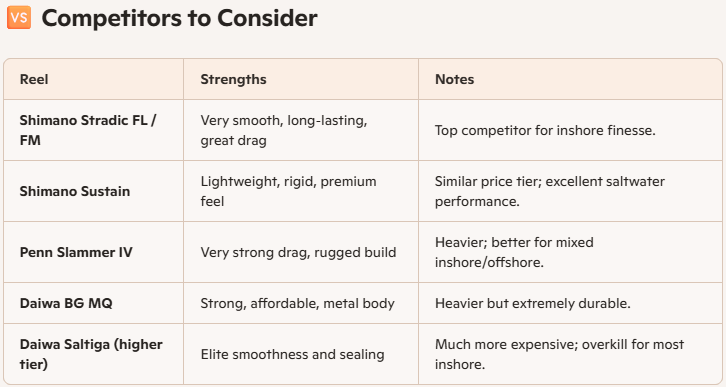
For anglers curious about differences, the Saltist Back Bay’s competition often comes down to the Shimano Stradic and Penn Slammer series. I’ve fished all three and found the Saltist to be lighter and smoother during finesse work, especially with lighter lures and delicate presentations.
The Magsealed technology is a real benefit if you wade fish or fish in areas with a lot of salt spray and sand. The Stradic often comes at a slightly lower price but lacks the same level of corrosion resistance. Penn Slammers are more rugged and better suited to rougher, heavier work offshore, but feel heavier and less “lively” on finesse gear. Notably, the Back Bay stays true to its inshore roots, while some competitors might blur the line between inshore and offshore utility, sacrificing some finesse in the process.
Advanced Tips: Getting More from Your Back Bay Reel
The right reel can make a big difference, but how you use it is just as important. I’ve found a few simple tips that help me get the most out of my Saltist Back Bay LT:
- Upgrade Your Line: Use premium braid for extra casting distance and better sensitivity. Braids around 10-15 lbs pair beautifully with the 3000 size, maximizing casting and keeping the reel well balanced. Consider a quality leader knot to step up stealth when targeting pressured or wary fish.
- Fine-Tunestructure-richtructure-richmore
- Clean Quick After Each Trip: Even with Magsealed protection, rinsing the reel right after saltwater exposure keeps it reliable season after season. Don’t forget to wipe down the handle and bail arm—small bits of salt can add up over time.
- Spool Management: Use backing when spooling braid so you don’t get slipped under heavy runs or load. This also helps fill the spool correctly, giving you consistent casts.
- Change Lures Efficiently: The smooth bail and line roller design make swapping out lures quick and simple. Carry a few snap swivels or pre-rigged leaders to stay in the action longer and maximize your time on the water.
Using these habits, I’ve kept my Daiwa reels feeling like new even after years of weekly use. Routine care and attention to small details will reward you with long-term performance, so your time fishing is more about catching and less about dealing with gear headaches.
My Thoughts on the Daiwa Saltist Back Bay LT
The Daiwa Saltist Back Bay Spinning Reel is one of those reels that feels made for inshore anglers who spend lots of days on the flats and marshes. The combination of a strong but lightweight frame, Magsealed protection, and a smooth drag gives me confidence when targeting trout, redfish, or flounder in harsh saltwater environments.
I’ve come to trust its performance in the conditions I fish most often. I find the price worth it for its reliability, and if you do most of your fishing in saltwater back bays and estuaries, this reel is definitely worth considering for your tackle box. Whether you are a weekend warrior or a die-hard inshore angler, this reel stands up to the demands of demanding saltwater fishing, making every cast and every retrieve a pleasure rather than a chore.
Check Out Our Most Recent Articles:
- The Okuma Cavalla 2 Speed Lever Drag Reel
- Berkley Gulp Ripple Mullet
- Seviin GW Series Spinning Reels
- New Mirrolure Chameleon Series Lures
- Field-testing The Quantum Benchmark Spinning Reel
- Z-man Swag Lt Swimbait
As always, stay safe, enjoy the journey, and please try to leave it cleaner than you found it. If you have any comments, questions, ideas, or suggestions, please leave them in the comment section below, and I’ll get back to you ASAP. You can follow us on Facebook: Rex The Beach Angler, Instagram: thebeachangler7, Twitter: @AnglerBeach, and YouTube: Man Art Creations.
P.S. Thanks so much for checking out our blog; we really appreciate it. Just so you know, we may receive a commission if you click on some of the links that appear on our site. This helps us keep our content free and up-to-date for everyone. We appreciate your support! well-known





A life long surf fisherman with 50+ years of experience, I am also an avid hunter and outdoorsman. I will be sharing my passion for the outdoors with you so be prepared for hunting, fishing, camping, hiking and more. Along with gear reviews and the latest trends and innovations in the outdoor industry.