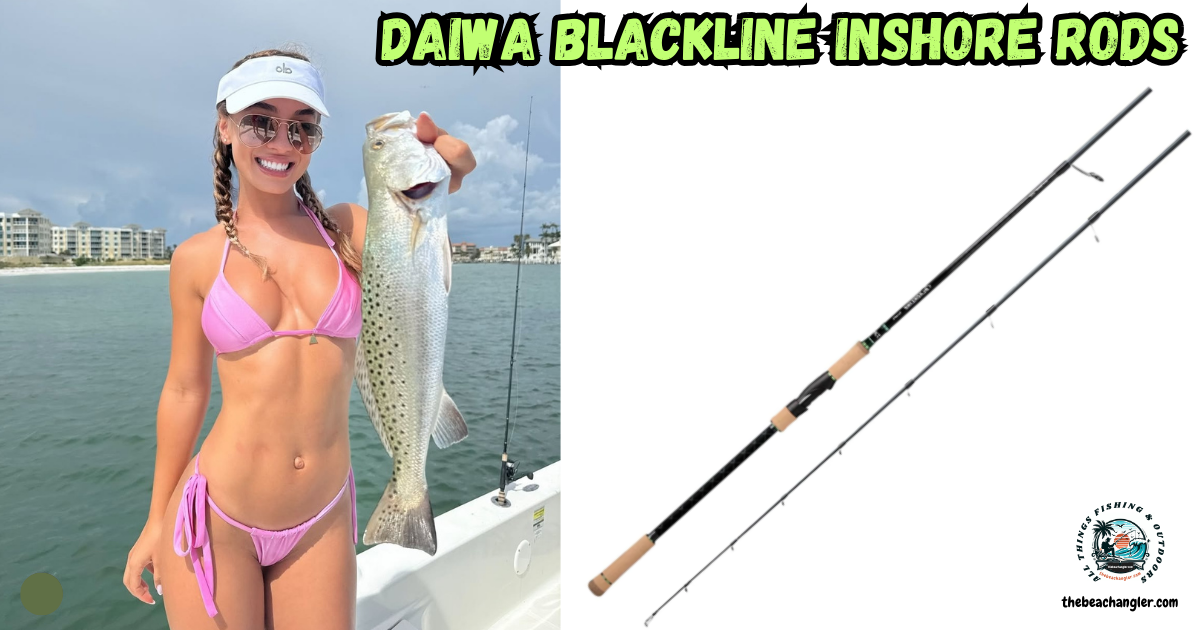
Daiwa Blackline Inshore Rods have quickly earned a spot among my favorite rods for targeting Gulf Coast species. These rods combine lightweight sensitivity with serious backbone, delivering a feel that suits anglers who want to detect the smallest bites without giving up the power needed for bigger fish. Here, I’m going to break down what makes them stand out, walk through their top features, and share some practical tips for anyone considering adding one to their gear lineup.
Why Daiwa Blackline Inshore Rods Fit Inshore Anglers
When I’m fishing the Texas coast for redfish, speckled trout, or flounder, rod choice really shapes every trip. The waters here demand gear that can pull off both finesse and muscle, especially with changing conditions that keep you guessing.
Daiwa’s Blackline Inshore Rods are built just for this scenario. Their high-sensitivity construction lets me feel everything that’s happening down there on the bottom, and their strong backbone is a must for fighting fish near oyster reefs, jetties, and grassy drains.
The rod market is jam-packed with options for inshore fishing, but the Blackline series steps up due to its top-shelf carbon materials, braid-friendly guide setup, and comfortable grip. These rods land on the upper end of the price range, but for that investment, you step up into a pro-level boost in feel and casting accuracy. I notice this boost every time I’m working soft plastics for spooky winter trout or muscling a marsh red away from underwater hazards.
Key Features of Daiwa Blackline Inshore Rods
Daiwa put their best rod-building tech into the Blackline Inshore series. Here are the details I really notice when using these rods:
QUICK LOOK:
- SVF Super High Modulus Carbon Blank: This graphite material is famous for being extremely light and crisp. With low resin content, the rod stays sensitive enough to let me track down subtle nibbles and changes in lure movement, which is especially helpful on cold days when the fish are barely taking the bait.
- Braiding X Carbon Reinforcement: The visible carbon wrap adds strength without bulking things up. On the water, I’ve felt more confident putting the pressure on big reds or flounder when I’m fishing tight to heavy cover, since I know this rod won’t let me down.
- Fuji K Series Guides: These tangle-resistant guides are a game-changer when you throw braid, which is my go-to setup for Texas inshore. They let the line shoot out smoothly, so I get longer, more accurate casts—even when the wind’s up.
- Daiwa Air Sensor Reel Seat (Spinning Models): This super lightweight, open feel reel seat fits great in my hand. Paired with the split grip, vibration travels straight up to my fingertips for unbeatable sensitivity.
- Premium Cork Handles: The exposed blank section right under my hand keeps me in tune with my bait every second. The classic cork look and feel fits in with my style, and it stays comfortable even during those long wading sessions.
Model Choices and Sizing
Picking the right model really matters. While the Blackline Inshore lineup isn’t as massive as some other Daiwa lines, every rod offers something unique for coastal anglers. Here’s how things break down:
- Spinning Rods: You’ll find 7’0″, 7’6″, and 7’10” options, in powers from Medium Light up to Heavy. The 7’0″ ML and M rods hit the sweet spot for wade fishing and tossing lighter artificial baits. On days I need more casting distance from piers or boats, the 7’6″ and 7’10” models make a difference.
- Conventional Rods: There’s a go-to 7’6″ conventional model, perfect when I’m jigging for flounder or working heavier weights through deeper passes. It’s set up to handle bigger reels and heavier lines without sacrificing that signature sensitivity.
Frequently Asked Questions About Daiwa Blackline Inshore Rods
Here are some questions I hear a lot from friends and fellow anglers, along with my answers after plenty of on-the-water time:
What rod should I pick for mostly wade fishing on the coast?
The 7’0″ Medium Light or Medium spinning rod is my first choice for wading. It’s easy to handle, perfect for long one-handed casts, and lets you pick up on even soft bites during those slow days.
Can Blackline rods handle saltwater abuse?
Absolutely, as long as you rinse everything with freshwater after your trips and store the rod away from harsh conditions. The components stand up against corrosion, but saltwater is relentless—do your part to make high-end gear last.
Are they worth it for weekend anglers or just serious tournament types?
If you value bite detection, lightness, and casting accuracy, they’re worth a look regardless of your experience. The higher upfront cost pays off with a more enjoyable and productive fishing adventure, even if you’re not battling in tournaments.
Is this rod strong enough for bull reds, or should I look for something heavier?
The Heavy models have all the grunt you need for big bull reds, especially around jetty rocks or inlets. While the rod feels snappier than old-school heavy rods, let it do the work, and you’ll have no problem landing big fish.
Hands-On Performance: Pros and Cons
Being upfront about what works and what doesn’t is important. Here’s my honest take on the pros and cons:
| Pros of the Daiwa Blackline Rods |
|---|
| Super light feel, which ups sensitivity and keeps arm fatigue away during those marathon days. |
| The Fuji guide setup means fewer headaches from wind knots and delivers smooth braid casts. |
| Fast blank recovery delivers pinpoint accurate, repeatable casts, even when I’m mixing up lures a lot. |
| Cork handle and exposed blank put every little thump front and center. |
| Build quality stands up to frequent use in tough Gulf Coast conditions. |
| Cons of the Daiwa Blackline Rods |
|---|
| Price is definitely on the higher side, so it may feel out of reach unless you’re ready to jump in for premium gear. |
| The sensitive carbon blank isn’t as forgiving if you’re rough on rods or often toss them around in your truck or kayak. |
| Heavy power models are pretty firm, so if you’re after a softer, moderate bend, you could find them stiffer than ideal. |
| Not as many model lengths or actions as some rivals; choices are more focused but not as wide-ranging. |
Recommended Fishing Scenarios for the Gulf Coast
The Texas Gulf Coast throws up all sorts of challenges, and Daiwa Blackline Inshore Rods are up for it. Here’s how I match up models to fishing tactics and species:
- Speckled Trout: When I’m chasing specks with soft plastics or topwaters, I like Medium Light and Medium actions. The sharp tip helps nail precise casts to bait schools or subtle slicks, and that extra sensitivity shines when cold winter trout barely tap the lure.
- Redfish: For slot or big marsh reds, I bump up to Medium or Medium Heavy. Whether I’m sending paddle tail swimbaits or spoons, these rods deliver the power to muscle fish out of grass or shell, yet they stay surprisingly light in hand.
- Flounder: For flounder jigging, Medium Heavy or Heavy are my picks—especially when probing deeper drains or structure. The 7’6″ casting rod gives me a direct connection for vertical baits and heavy jigs.
- Jetty and Pier Fishing: Heavy models and longer rods are a go-to for strong current or bigger fish near rocks, sheepshead, or drum. That long reach helps keep lines clear and ups your landing odds when fish run hard.
Tips for Getting the Most Out of a Daiwa Blackline Inshore Rod
After spending time with these rods, I’ve learned a few small things that make a big difference:
- Pair the rod with a light, high-quality reel. Balanced setups are more sensitive and let you fish longer, easier.
- Braid in the 10-20 lb range is just right. The guides and blanks thrive with braid, pumping up sensitivity and castability.
- Be gentle during transport. Graphite blanks react differently to knocks or drops than tough, heavier rods—protect them accordingly.
- Always flush guides and reel seats with fresh water after every salt trip. Even though corrosion resistance is solid, regular rinsing keeps that expensive gear just like new.
Extra Insights for Long-Term Use
With more time on the water using the Blackline Inshore series, I’ve picked up a few tricks to really stretch their performance. Sometimes, I keep a spare tip wrap on hand in case I ding the blank while launching kayaks or hiking through brush; protecting the tip is key for these specialized rods.
Matching up lure weight to the rod rating also stepped up my results: going too heavy or too light can affect casting distance and feel. Line choice matters too—even upscale fluorocarbon leaders can add stealth for finicky trout, especially in clear winter water.
Consider upgrading to a high-visibility braid with a long leader when sight fishing; this setup keeps you aware of subtle bites while staying invisible to sharp-eyed gamefish. Finally, personalizing your setup with custom reel grips or lure wraps adds comfort and flair for those long sessions chasing tides across the flats.
Final Thoughts on the Daiwa Blackline Inshore Rods
Wrapping up, the Daiwa Blackline Inshore Rods bring serious, pro-level feel and response for coastal anglers who want to make the most of every cast—especially around the Gulf Coast. Their lightweight construction, paired with braid-optimized features, delivers next-level control and comfort, paying off whether you’re stalking spooky trout, chasing reds, or working tricky structure for flounder. They come at a premium, but for anglers who want every possible advantage out on the water, they’re worth every penny.
Check Out Our Most Recent Articles:
- The Okuma Cavalla 2 Speed Lever Drag Reel
- Berkley Gulp Ripple Mullet
- Seviin GW Series Spinning Reels
- New Mirrolure Chameleon Series Lures
- Field-testing The Quantum Benchmark Spinning Reel
- Z-man Swag Lt Swimbait
As always, stay safe, enjoy the journey, and please try to leave it cleaner than you found it. If you have any comments, questions, ideas, or suggestions, please leave them in the comment section below, and I’ll get back to you ASAP. You can follow us on Facebook: Rex The Beach Angler, Instagram: thebeachangler7, Twitter: @AnglerBeach, and YouTube: Man Art Creations.
P.S. Thanks so much for checking out our blog; we really appreciate it. Just so you know, we may receive a commission if you click on some of the links that appear on our site. This helps us keep our content free and up-to-date for everyone. We appreciate your support!





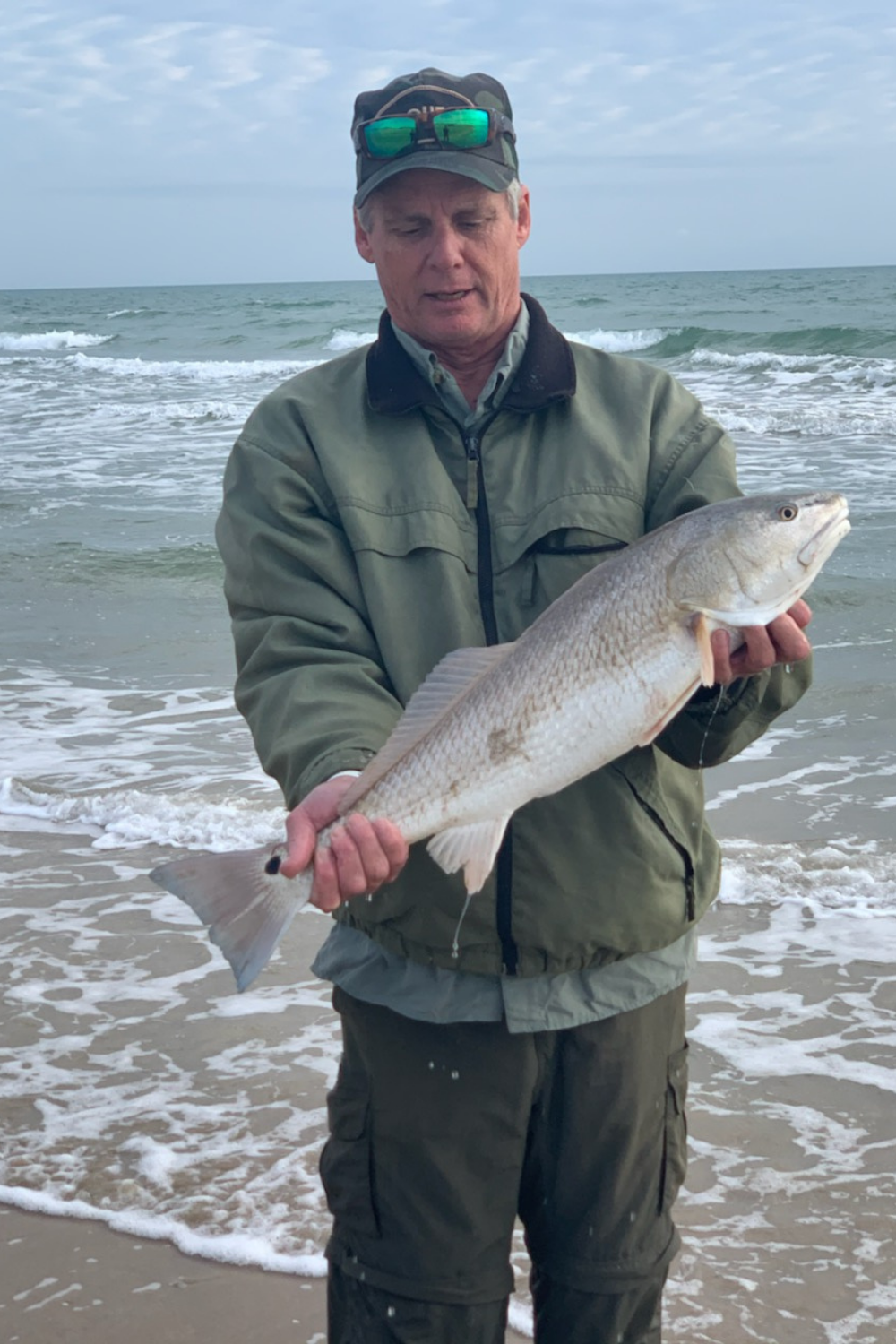
A life long surf fisherman with 50+ years of experience, I am also an avid hunter and outdoorsman. I will be sharing my passion for the outdoors with you so be prepared for hunting, fishing, camping, hiking and more. Along with gear reviews and the latest trends and innovations in the outdoor industry.